
Last year, an emerging LA-based brand hit our factory floor with a bold Sp5der-inspired hoodie concept, full of intricate web patterns and Y2K vibes. They had the design nailed – graffiti fonts, high-saturation colors, the works – but after the first production run, they were staring at a 25% defect rate. The culprit? A mismatch in fabric weight that couldn’t handle the multi-layer printing, leading to puckering and color bleed after just one wash. This wasn’t just a production hiccup; it eroded their launch momentum, spiked returns, and burned through their slim startup budget. Stories like this are all too common in streetwear, where hype meets hard manufacturing realities, and it’s exactly why understanding the Sp5der hoodie’s blueprint can save your brand from similar pitfalls.
What is the Sp5der Hoodie and Why Does It Matter Now?
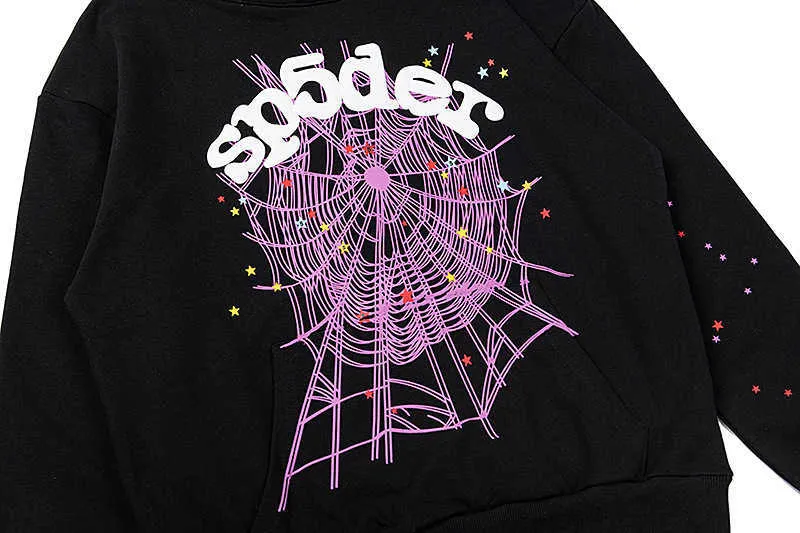
Let’s define it straight: The Sp5der hoodie is more than a pullover; it’s a canvas for rebellious street expression, characterized by its signature spider web motifs, oversized silhouettes, and tech-heavy embellishments like 3D puff prints and rhinestones. Born in 2019 from rapper Young Thug’s vision as musician merch, it evolved from peripheral swag to a standalone force in street fashion, ditching traditional seasonal drops for irregular, limited-edition releases that fuel scarcity and secondary market frenzy.
Its history ties back to Atlanta’s hip-hop scene, where streetwear intersects with music culture – think early Supreme or Virgil Abloh’s Off-White, but with a cyberpunk twist. In street culture, it represents Gen Z’s push for individuality: bold, rule-breaking designs that swap “i” for “5” in the name, echoing graffiti’s anti-establishment roots akin to Banksy. Today, amid a resurgence of Y2K aesthetics and social media virality – over 50,000 TikTok videos of unboxings and fits – it’s regained traction. Why now? Because in a market flooded with basic hoodies, Sp5der stands out by blending nostalgia with futurism, turning everyday wear into collectibles that double in value on platforms like StockX. For brands, this matters as a benchmark: it shows how production choices can elevate a simple garment into a cultural icon, but only if you nail the details from the start.
How the Sp5der Hoodie is Made: Core Principles and Hidden Pain Points
Diving into the guts of production, the Sp5der hoodie starts with premium, heavy-weight cotton fleece – typically 380+ GSM for that plush, durable feel that screams quality without saying a word. The process unfolds in stages: fabric sourcing, cutting for oversized fits with dropped shoulders, then layering on complex prints. Techniques like collage printing for spider webs, graffiti font embroidery, and add-ons such as luminous ink or terry flocking demand precision – multiple passes through screen printing machines, heat presses for rhinestones, and hand-finishing for 3D effects.
But here’s where brands trip up. First major error: underestimating design complexity. Those all-over prints and stacked elements? They require exact alignment; a millimeter off, and you’ve got visual distortion, leading to 20-30% waste in batches and ballooning costs by 15-25% per unit. Second, skimping on quality control – no inline inspections mean defects slip through, spiking customer complaints and return rates up to 40%, which kills resale value and brand trust. Third, ignoring the “drop” model’s demands: limited runs of 50-500 pieces mean factories must be agile, but many brands pick rigid suppliers, causing delays of weeks and missed hype windows. Consequences? Higher per-unit costs (from rework), eroded margins (retail $300-600 but production mishaps eat 30% profit), and lost momentum in a fast-paced street scene where timing is everything.
Solutions: Practical Paths to Nail Sp5der-Level Production
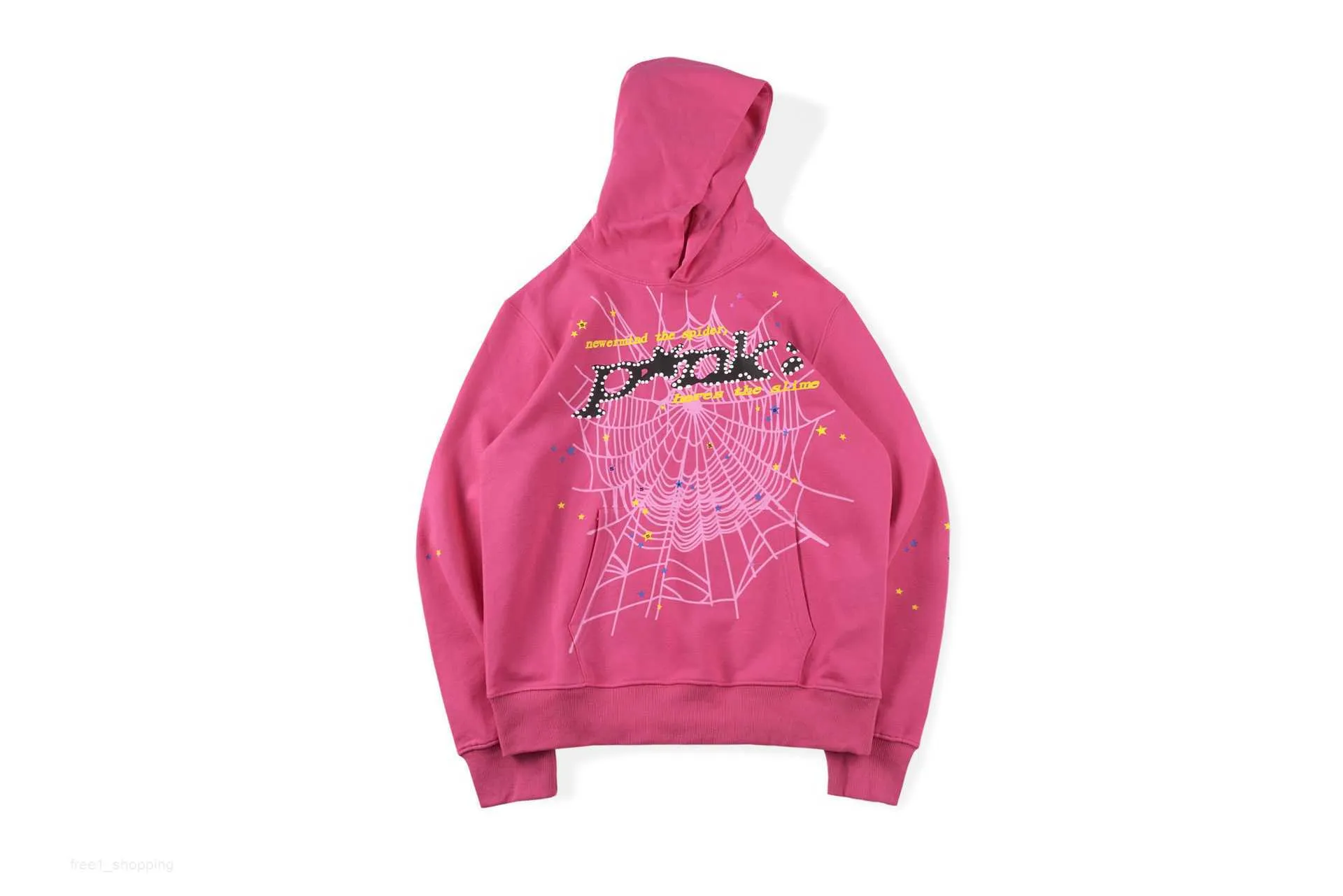
To sidestep those traps, start with a solid tech pack: detailed specs on measurements, Pantone colors for those fluorescent pinks and acid greens, and placement guides for web patterns. Prototype rigorously – aim for 2-3 rounds to test wash durability and print adhesion. For fabric, opt for custom-blended fleece from in-house libraries to hit that heavy GSM without custom dyeing fees.
When choosing between options, clarity is key. Here’s a comparison table for core elements:
| Parameter | Heavy Cotton Fleece (380+ GSM) | Standard Cotton Blend (300 GSM) | Cost Impact | Advantages | Disadvantages | Best For |
|---|---|---|---|---|---|---|
| Durability & Feel | High plushness, resists pilling | Basic softness, prone to wear | +20-30% per unit | Premium hand-feel, long-lasting | Heavier shipping costs | Mature brands aiming for collectibles |
| Print Compatibility | Excellent for multi-layer (puff, rhinestone) | Limited to simple screens | Baseline | Vibrant, 3D effects hold up | Requires skilled labor | Hype-driven drops like Sp5der |
| MOQ Flexibility | 50-200 pieces viable | 100+ minimum | +10% for small runs | Scalable for tests | Higher setup fees | Startups testing markets |
| Overall Cost (per 100 units) | $15-25/unit | $10-15/unit | Higher initial | Builds brand loyalty | Margin squeeze if not priced right | Ecommerce brands with premium positioning |
For printing: 3D puff print vs. standard screen – the former adds tactile depth for that graffiti pop but costs 15% more; use it for logos, but switch to glue sequins for accents to balance. Implement inline quality control (IQC) at each step: check alignment post-print, stitching post-sew. Partner with factories offering low-MOQ (50 pieces) and rapid turnaround – this keeps your drops fresh without inventory bloat. Step-by-step: 1) Source fabrics via supplier audits for GSM consistency. 2) Mock up designs digitally, then physical samples. 3) Run small pilots to test market. 4) Scale with feedback loops. This path turns potential disasters into seamless launches.
Deeper Dives: Comparing Embellishment Techniques
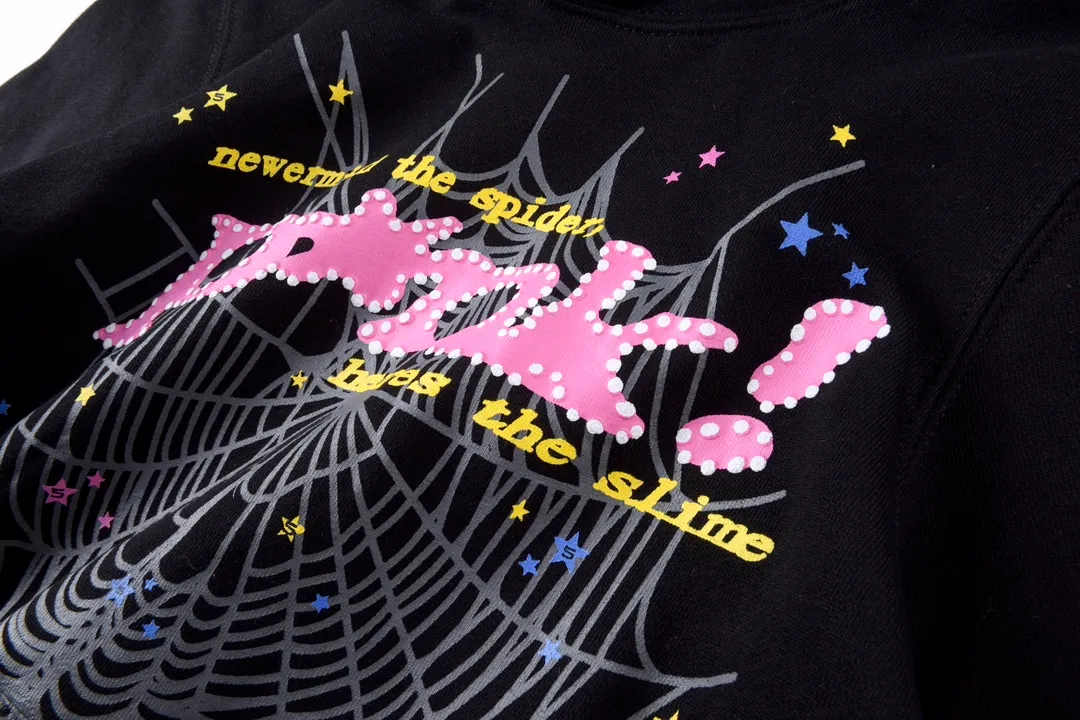
Beyond basics, embellishments define Sp5der’s edge. Rhinestones for sparkle vs. luminous printing for glow-in-dark appeal – both elevate, but choices hinge on your brand’s vibe.
| Technique | Rhinestone Application | Luminous Printing | Cost per Unit | Pros | Cons | Ideal Brand Type |
|---|---|---|---|---|---|---|
| Process | Heat-pressed gems | Glow ink layers | +$5-8 | High visual impact, luxury feel | Prone to fallout if not sealed | Mature, collab-heavy brands |
| Durability | Good with proper adhesion | Excellent fade resistance | Baseline for print | Nighttime appeal | Less tactile | Ecommerce, social media focused |
| Complexity | Medium – placement critical | High – multi-pass required | +10% for setup | Versatile for patterns | Color limits | Startups experimenting |
| Market Fit | Secondary market boosters | Viral TikTok potential | Varies by volume | Collectible value | Wash care needed | Initial drops |
Cost Optimization: Real-World Trade-Offs
Targeting that $300 retail? Break it down: Fabric 40%, labor 30%, trims 15%, overhead 15%. Optimize by using existing fabric stocks to drop MOQs to 50, avoiding custom runs that add 25%. For complex designs, deconstruct into modules – print webs separately, then assemble – cutting waste by 15%. Always factor hype: limited drops justify premiums, but poor execution tanks it.
FAQ: Streetwear Production Realities
Q: Can I lower MOQ below 50 for Sp5der-style hoodies?
A: Yes, via shared fabric pools or digital printing for prototypes, but expect a 10-15% premium – link to our solutions for details.
Q: How do I avoid print misalignment in web patterns?
A: Insist on digital mockups and IQC checks; factories with in-house printing reduce errors by 20%.
Q: What’s the real cost per unit for a basic Sp5der replica?
A: $15-25 for premium specs in small runs; scale to 500+ drops it to $10-15, but lose scarcity hype.
Q: Are Y2K colors worth the dye costs?
A: Absolutely for virality, but test fastness – fluorescent pinks fade if not UV-treated, leading to complaints.
Q: How to handle fakes flooding the market?
A: Embed unique tags and workmanship details; educate buyers via socials on verification.
Conclusion: The Future of Streetwear Lies in Smart Manufacturing
Looking ahead, Sp5der signals a shift: streetwear will blend function with flair, like its Campers series merging outdoor utility with bold graphics, but only brands mastering low-volume, high-detail production will thrive. My advice? Don’t chase hype blindly – build it through impeccable execution. Realizing this core value demands a manufacturing partner who gets both tech and brand ethos. That’s where firms like Qianshiwear shine: we deliver through agile OEM/ODM services, in-house libraries for premium fleeces, and IQC protocols that ensure every drop lands perfectly, turning your vision into market-dominating reality without the headaches.











