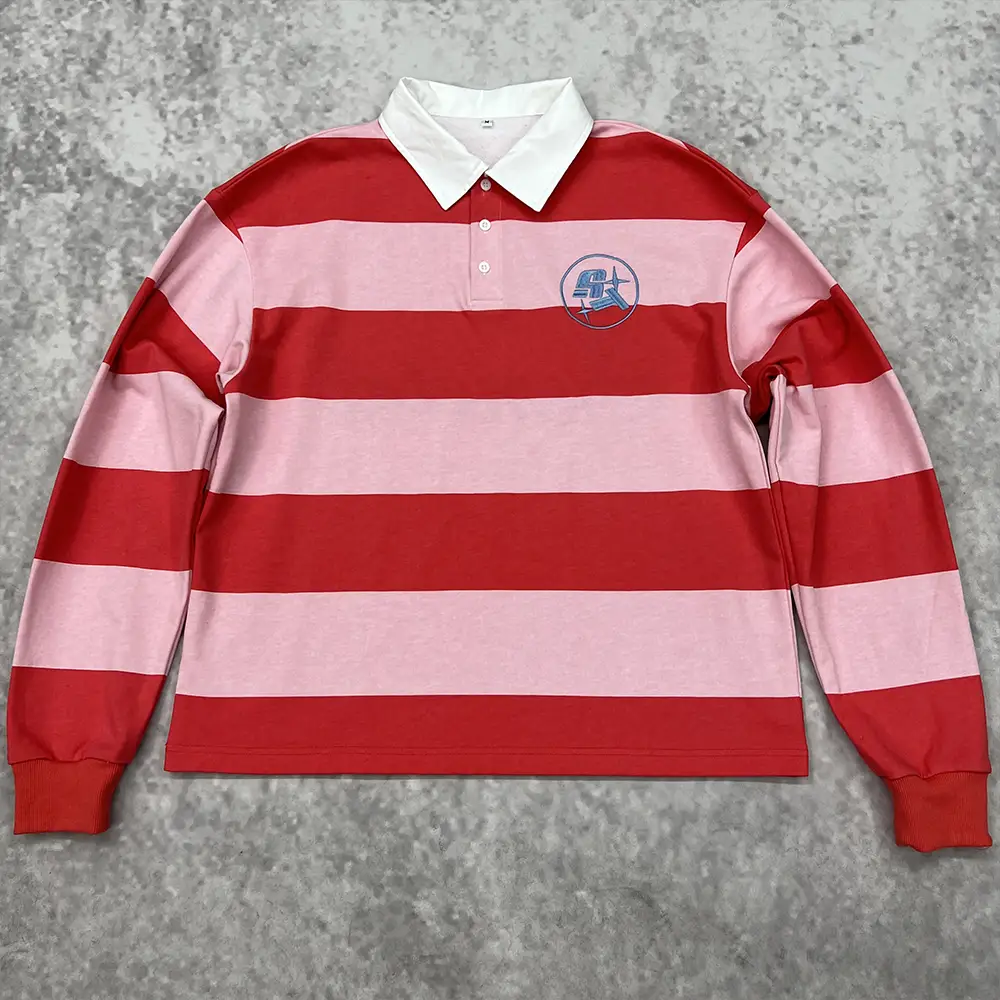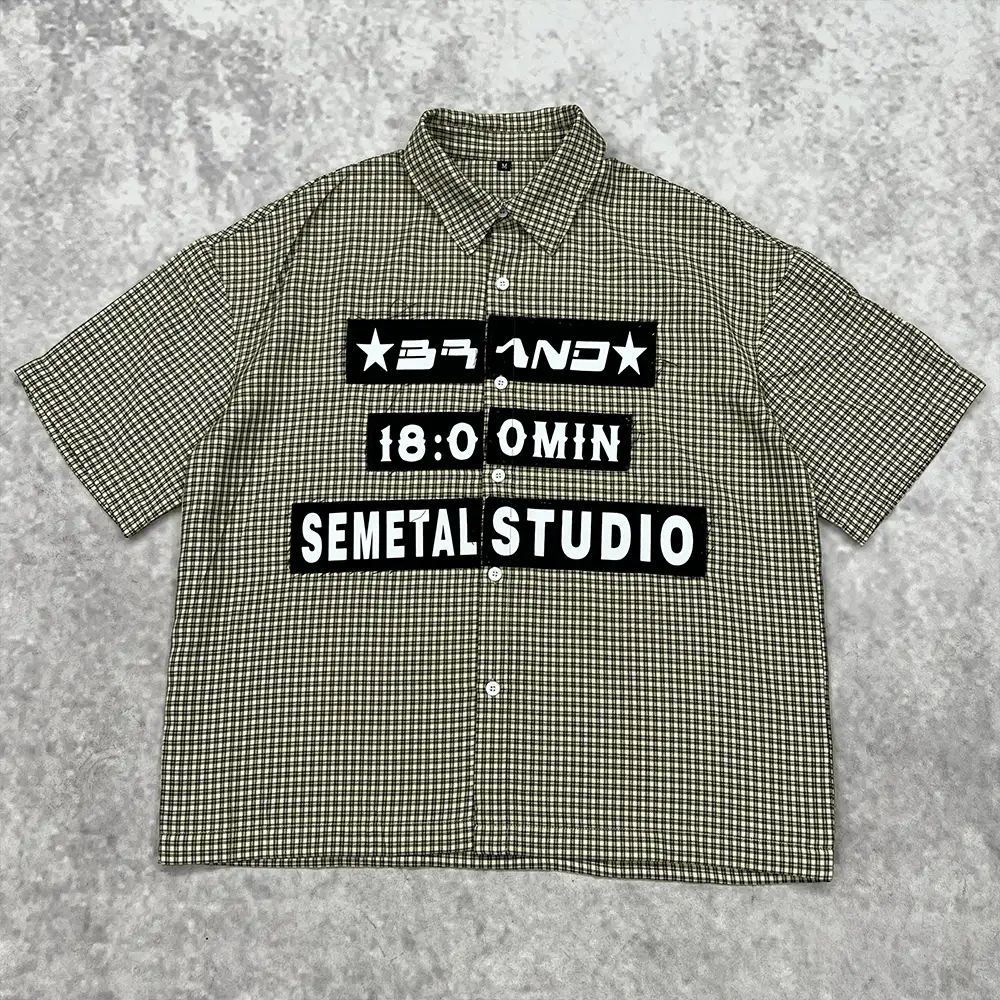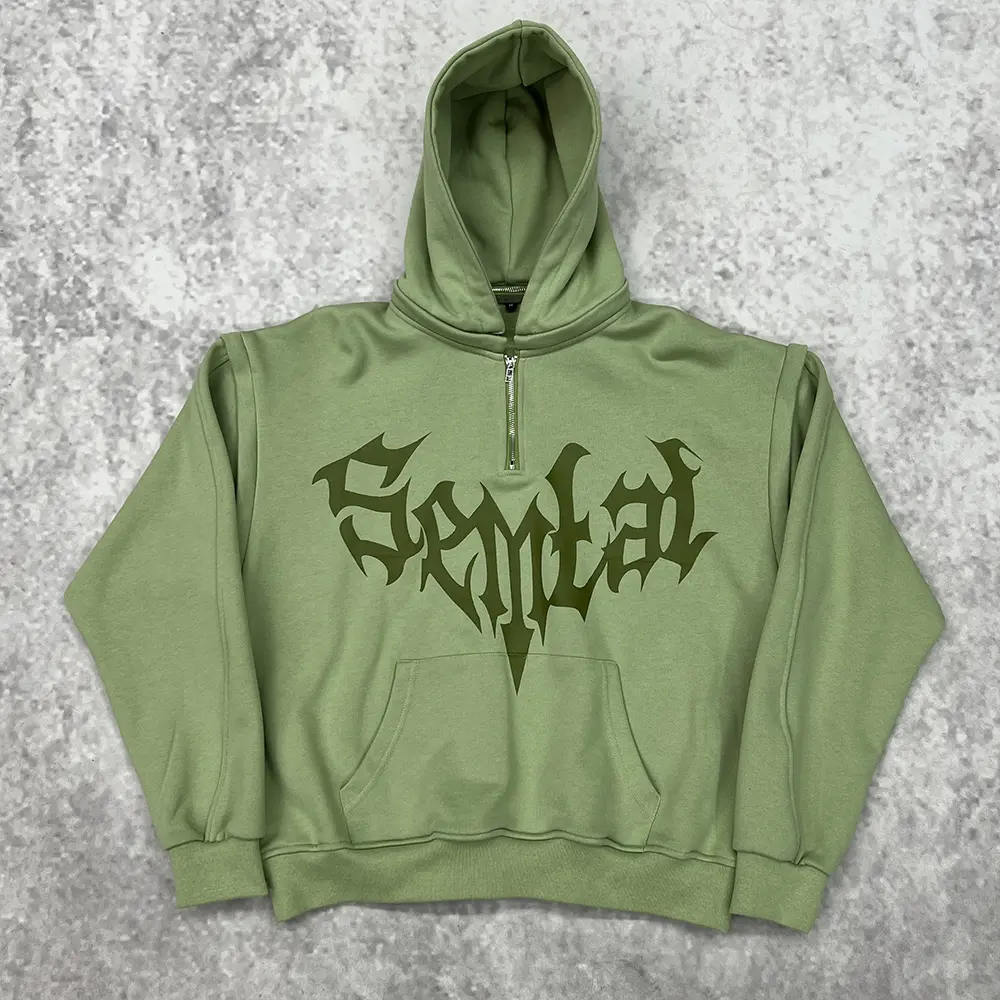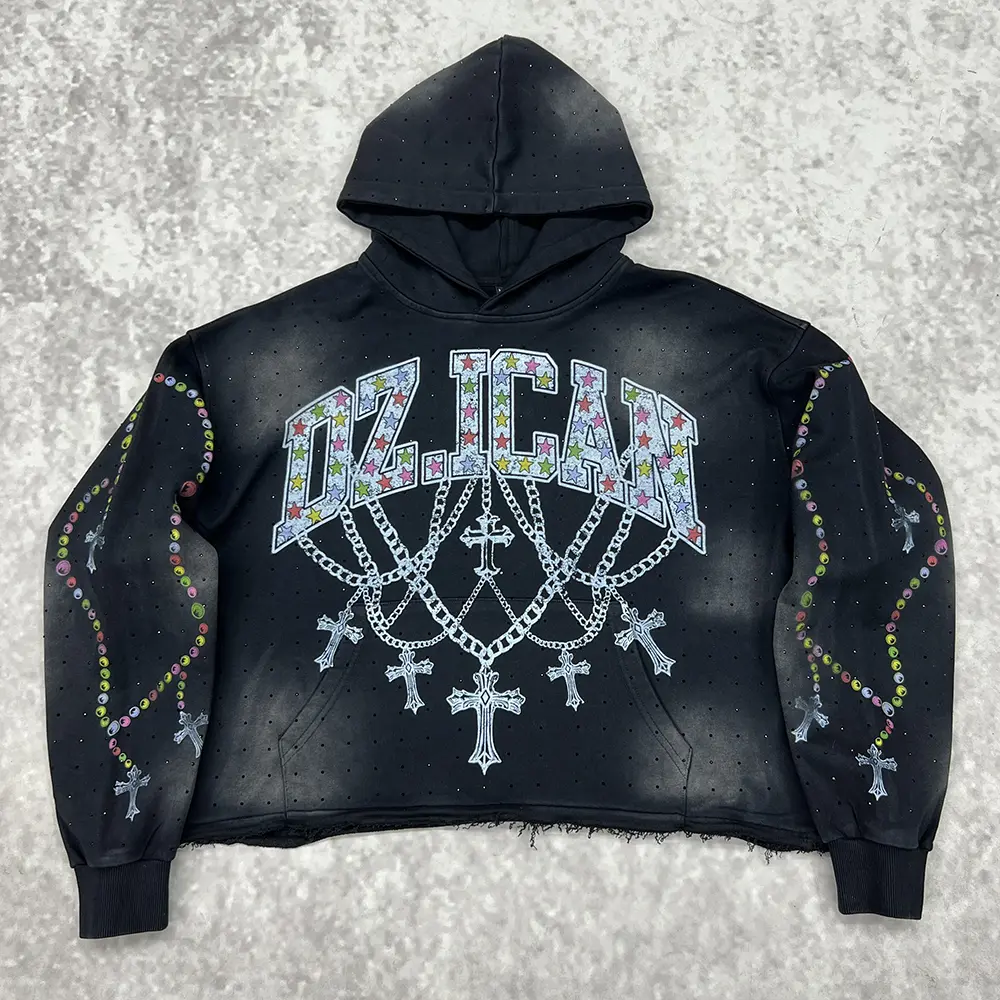
Choosing acid wash vs garment dye is not only a style decision. It changes fabric selection, shrinkage control, printing order, color approval, cost, and the way every garment looks in bulk.
For streetwear brands, washed finishes can create the difference between a basic blank and a collection piece. Acid wash gives contrast and a distressed surface. Garment dye gives deeper tonal character after the garment is sewn. Vintage wash production creates a softer, worn-in effect through a controlled mix of washing, enzymes, pigment, abrasion, and finishing.
The best choice depends on how much variation the brand can accept. If the collection needs every hoodie to look almost identical, acid wash vs garment dye becomes a risk discussion. If the collection is built around one-of-one character, distressed streetwear finishes can become a selling point.
Quick comparison: acid wash vs garment dye vs vintage wash
| Finish | Best visual effect | Production risk | Best product use |
|---|---|---|---|
| Acid wash | High-contrast, cloudy, speckled, distressed | Strong shade variation, chemical control, seam contrast | Statement tees, hoodies, denim-style pieces |
| Garment dye | Soft tonal color, lived-in depth, garment-level shade | Shrinkage, shade lot control, trim compatibility | Premium blanks, capsule colors, tonal streetwear |
| Vintage wash | Faded, softened, worn-in surface | Overwashing, handfeel drift, print change | Retro tees, washed hoodies, old-school basics |
This is the practical answer: choose acid wash for high visual impact, garment dye for premium tonal color, and vintage wash for a softer aged look. The deeper acid wash vs garment dye decision comes from the seven rules below.
1. Acid wash vs garment dye rule: use acid wash when the collection needs visible contrast
Acid wash is the strongest choice when a brand wants a bold faded surface. It creates cloudy, marbled, speckled, or uneven contrast by removing or reducing color from the garment surface. For black, charcoal, brown, navy, or deep green streetwear, acid wash can make a hoodie or T-shirt look instantly distressed.
The advantage is visual identity. Acid wash does not look like a standard dyed blank. It photographs well, works for Y2K, punk, skate, grunge, and vintage-inspired drops, and gives each garment a slightly different character.
The risk is control. In acid wash vs garment dye comparisons, acid wash usually has more visible variation from piece to piece. Two garments can be technically approved but still look different in contrast level, cloudy pattern, seam brightness, and rib reaction. That is not always a defect, but it must be defined before bulk.
For acid wash, the approved sample should include a shade range, not one perfect garment. Brands should approve the darkest acceptable piece, the lightest acceptable piece, and the target middle effect. Without that range, the factory and buyer may judge bulk from different expectations.
For acid wash vs garment dye projects, the approval target should be a controlled range instead of one ideal photo.

2. Acid wash vs garment dye rule: use garment dye when the brand wants premium tonal color
Garment dye means the finished garment is dyed after sewing. This gives the fabric, seams, ribs, and garment body a unified but slightly lived-in tone. It is useful for washed black, faded brown, mineral green, dusty blue, cream, clay, faded red, and other streetwear colors that should feel less flat than piece-dyed fabric.
The main strength of garment dye is depth. The color sits inside the final garment rather than looking like a standard fabric color. On heavyweight T-shirts, hoodies, and sweatshirts, garment dye can create a premium blank that feels designed before any print is added.
In the acid wash vs garment dye decision, garment dye is usually better for brands that want controlled color with less aggressive surface contrast. It still has variation, but the variation is tonal rather than chaotic. That makes it suitable for core products, neutral capsules, and repeatable basics.
The factory still needs strict control. Garment dye can change measurements, soften handfeel, affect rib recovery, and create shade differences between fabric lots. Trims, labels, drawcords, zippers, and embroidery threads must be compatible with the dye process or protected from unwanted staining.
For acid wash vs garment dye decisions, garment dye is the stronger option when repeatable tonal depth is more important than dramatic contrast.
3. Acid wash vs garment dye rule: use vintage wash when softness is more important than drama
Vintage wash production is best when the brand wants a worn-in garment without the strong contrast of acid wash. It can include enzyme wash, pigment wash, stone wash, silicone softening, or other finishing steps that reduce new-fabric stiffness and create a faded surface.
A good vintage wash should feel natural. The garment should look like it has been worn, washed, and softened over time, but it should not look damaged. This makes it useful for retro band-style tees, washed hoodies, loose sweatshirts, old-school sports graphics, and relaxed streetwear basics.
When comparing acid wash vs garment dye, vintage wash sits between the two. It can be more subtle than acid wash and more aged than a clean garment dye. The brand can choose a light wash for soft fading or a heavier vintage wash for stronger garment aging.
The risk is overwashing. Too much wash can weaken fabric, blur prints, change measurements, or make a premium garment feel tired before it reaches the customer. The factory should control time, temperature, enzymes, abrasion, softener, and drying method. For heavyweight fleece, the inside handfeel must also be checked after finishing.
For acid wash vs garment dye comparisons, vintage wash is the middle path when the brand wants aging without extreme contrast.
4. Acid wash vs garment dye rule: match the finish to fabric, GSM, and construction
The same finish will not behave the same on every garment. Acid wash vs garment dye results depend heavily on fiber content, fabric weight, knit structure, dye class, rib composition, thread, and trims.
Cotton-rich fabric usually responds better to garment dye and vintage wash effects than high-polyester blends. Polyester may resist dye uptake or react differently under washing. Heavyweight cotton jersey can hold a strong washed T-shirt shape, while lightweight jersey may twist, shrink, or look limp after aggressive finishing.
For hoodies, fleece structure affects the final result. Brushed fleece can become softer, but it may also shed more surface fiber during wash. French terry can keep a cleaner face, but it may show seam and panel differences more clearly. Rib cuffs and waistbands must be tested because they can shrink or absorb dye differently from the body fabric.
For distressed streetwear finishes, construction should be prepared for wash stress. Strong seams, stable neck ribs, durable drawcord tips, secure eyelets, and wash-safe labels matter. A beautiful sample can fail in bulk if the garment is not built for wet processing.
Qianshiwear’s custom T-shirt, hoodie, and sweatshirt production context is relevant here because washed finishes need to be planned with the blank, not added as an afterthought.
For acid wash vs garment dye planning, fabric and construction are the base controls that decide whether the finish can scale.
5. Acid wash vs garment dye rule: decide the decoration order before sampling
Prints, embroidery, puff print, crack print, rhinestones, patches, and labels can react differently before or after washing. This is one of the most common hidden issues in acid wash vs garment dye development.
If the garment is printed before wash, the print may fade, crack, soften, or lose sharpness. That can be a good result for vintage graphics, but it needs testing. If the garment is printed after wash, the graphic may stay sharper, but the print sits on an already irregular fabric surface. If embroidery is added before garment dye, thread color must be dye-compatible. If it is added after dyeing, placement and handling need to protect the finished surface.
Brands should not approve artwork and wash effect separately. The sample should show the actual production order: cut and sew, dye or wash, print, embroidery, label, final wash, pressing, and packing. A different sequence can create a different product.
For vintage wash production, decoration order is part of the design. A cracked graphic on a washed tee, a tonal embroidery on a garment-dyed hoodie, and a bold print on an acid-washed sweatshirt all need different testing.
For acid wash vs garment dye samples, decoration should be tested in the same order that bulk production will follow.
6. Acid wash vs garment dye rule: control shrinkage, shade range, and colorfastness
Washed finishes affect measurements. Garment dye can shrink or relax the garment after sewing. Vintage wash can change length, width, twisting, and handfeel. Acid wash can stress the fabric surface and create uneven panel behavior.
That is why acid wash vs garment dye approval should include measurement reports, not only photos. The factory should measure before and after finishing, then compare the result against the spec. Body length, chest, shoulder, sleeve, hem, rib height, and hood shape all need attention.
Shade approval also needs a range. For acid wash, approve contrast range. For garment dye, approve tonal shade range. For vintage wash, approve fading level and handfeel. Brands should use physical samples, digital photos under consistent lighting, and bulk lot records.
Colorfastness is also important. Washed and garment-dyed products can transfer color if not properly rinsed, fixed, or tested. Dark garment-dyed pieces, pigment-dyed surfaces, and distressed finishes should be checked for wash fastness and rubbing fastness before bulk shipment.
For acid wash vs garment dye approvals, a measurement report is just as important as a color reference.
7. Acid wash vs garment dye rule: choose the finish by brand goal, not by trend
The right finish is the one that supports the collection’s business goal. A limited streetwear drop can accept more variation if the brand explains the one-of-one character. A wholesale program needs tighter repeatability. A premium blank program needs soft handfeel and reliable measurements. A graphic-heavy drop needs a finish that protects the artwork.
Use acid wash when the finish is the hero. Use garment dye when color depth and premium blank identity matter most. Use vintage wash when the garment should feel soft, faded, and wearable from day one.
For acid wash vs garment dye decisions, cost is not only the factory quote. Cost includes sampling rounds, rejected pieces, extra wash testing, shade sorting, longer lead time, and customer care instructions. The cheapest finish can become expensive if it creates uncontrolled variation.
The best buying decision is to choose the finish early, sample it on the real fabric, approve a realistic shade range, and confirm the production sequence before bulk.
For acid wash vs garment dye choices, the strongest option is the finish that matches the brand’s tolerance for variation, not the one that looks loudest in a reference image.

Finish selection checklist
Before placing bulk orders, confirm these points:
- Target look: high contrast, tonal color, or soft vintage fade
- Fabric composition and GSM
- Garment construction details that must survive wet processing
- Approved shade range, not only one sample
- Before-wash and after-wash measurements
- Decoration order and test result
- Colorfastness and rubbing performance
- Trims, labels, drawcords, zippers, and threads
- Care label wording
- Bulk inspection plan for shade, shrinkage, and surface effect
This checklist keeps acid wash vs garment dye decisions tied to production reality instead of moodboard language.
For acid wash vs garment dye programs, the checklist should be completed before the factory quotes bulk production.
FAQ
Is acid wash better than garment dye for streetwear?
Acid wash is better when the brand wants bold contrast and a distressed streetwear finish. Garment dye is better when the brand wants premium tonal color and a softer blank identity. The acid wash vs garment dye choice depends on whether contrast or controlled color is more important.
Does garment dye shrink hoodies and T-shirts?
Garment dye can change measurements because the garment goes through wet processing after sewing. Brands should approve before-wash and after-wash measurements, especially for heavyweight tees, hoodies, ribs, collars, cuffs, and hems.
What is the difference between vintage wash production and acid wash?
Vintage wash production usually creates a softer aged effect through washing, enzyme work, pigment wash, or softening. Acid wash creates stronger contrast by removing color from the garment surface. Vintage wash is usually more subtle; acid wash is more visual.
Can washed garments still use screen printing or embroidery?
Yes, but the production order must be tested. Printing before washing can create a faded vintage graphic. Printing after washing can keep sharper artwork. Embroidery thread, backing, and placement should be tested if the garment will be dyed or washed after stitching.
Which finish is safest for a first streetwear drop?
For a first drop, garment dye or a light vintage wash is usually easier to control than heavy acid wash. Acid wash can work well, but it needs a clear approved shade range and stronger bulk inspection.
For acid wash vs garment dye decisions on a first order, simpler control usually protects the launch better than maximum surface drama.
Conclusion
Acid wash vs garment dye is really a question about brand identity, production tolerance, and customer expectations. Acid wash gives the boldest distressed effect. Garment dye gives the strongest premium tonal color. Vintage wash production gives the softest aged feel for everyday streetwear.
For brands planning washed T-shirts, hoodies, sweatshirts, or distressed streetwear finishes, the safest path is sample-first development with fabric testing, shade range approval, wash shrinkage checks, and a confirmed decoration sequence. Qianshiwear can support this kind of custom streetwear development by helping brands connect the finish choice with fabric, fit, trims, decoration, and bulk QC before production begins.
References
Brand / Website Context
- Qianshiwear home page: https://qianshiwear.com/
- Qianshiwear custom T-shirt manufacturer page: https://qianshiwear.com/production/t-shirt-manufacturer/
- Qianshiwear custom hoodies manufacturer page: https://qianshiwear.com/production/hoodies-manufacturer/
- Qianshiwear solutions page: https://qianshiwear.com/solutions/
- Qianshiwear tech packs page: https://qianshiwear.com/tech-packs/
Same-Industry / Upstream / Production / Testing References
- HEM Apparel guide to garment wash techniques including vintage, acid, enzyme, and garment dye: https://hem-apparel.com/blogs/resources/intro-to-garment-wash-techniques-vintage-acid-enzyme-more
- Sino Finetex guide to vintage wash techniques, acid wash, enzyme wash, and garment dye: https://sinofinetex.com/how-do-vintage-wash-techniques-create-worn-in-looks-acid-enzyme-dye-explained/
- Luopeita guide to acid wash, enzyme wash, and tie-dye finishing: https://luopeitarx.com/blogs/article/acid-wash-enzyme-wash-tie-dye-guide
- AATCC TM135 dimensional changes of fabrics after home laundering: https://members.aatcc.org/store/tm135/543/
- TVF overview of colorfastness to laundering testing and AATCC 61: https://www.tvfinc.com/article/colorfastness-to-laundering-testing/
- OEKO-TEX STeP standard for sustainable textile and leather production, including chemical and environmental management: https://www.oeko-tex.com/en/our-standards/step-by-oeko-tex
- ZDHC Wastewater Guidelines for textile wet processing supply chains: https://www.roadmaptozero.com/output
- Coats technical guidance on seam quality and garment production risks: https://www.coats.com/en/Info-hub