Introduction
A strong apparel supply chain is not built when everything goes well. It is built before fabric delays, sample mistakes, port congestion, dyeing issues, or supplier capacity problems appear.
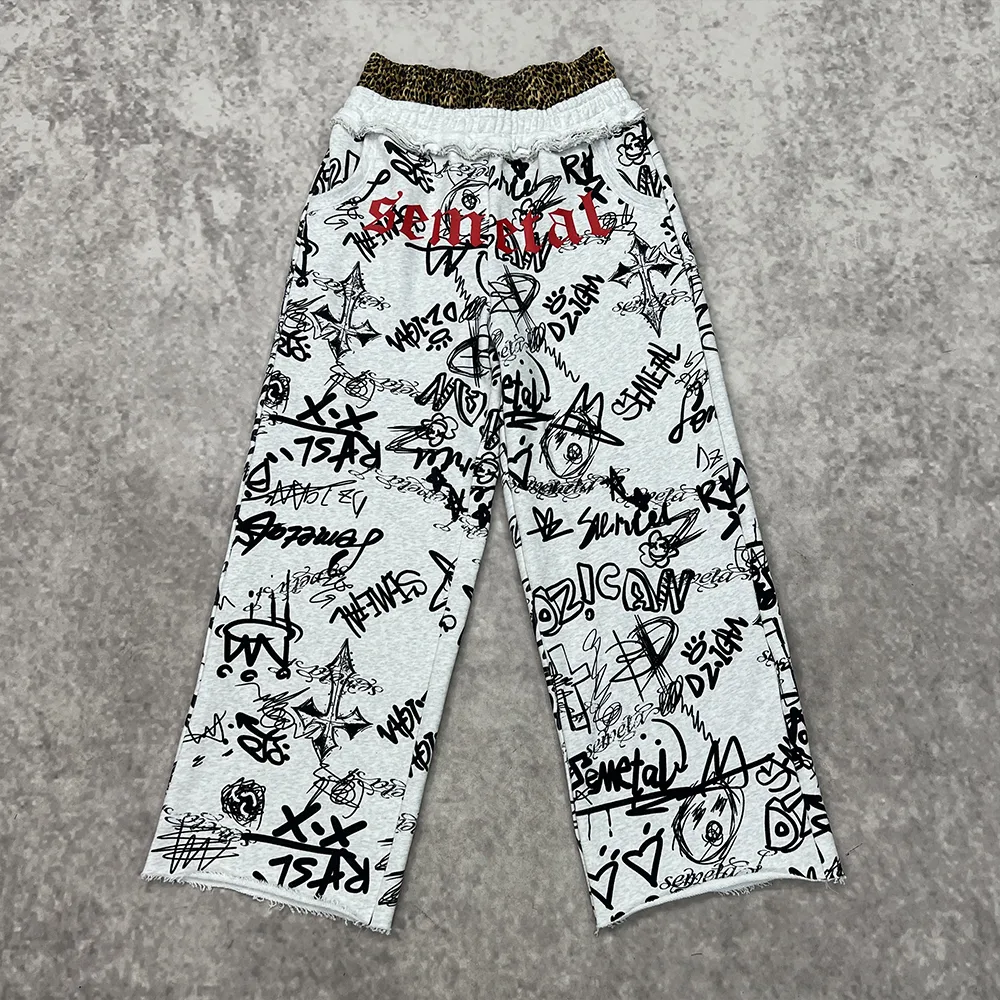
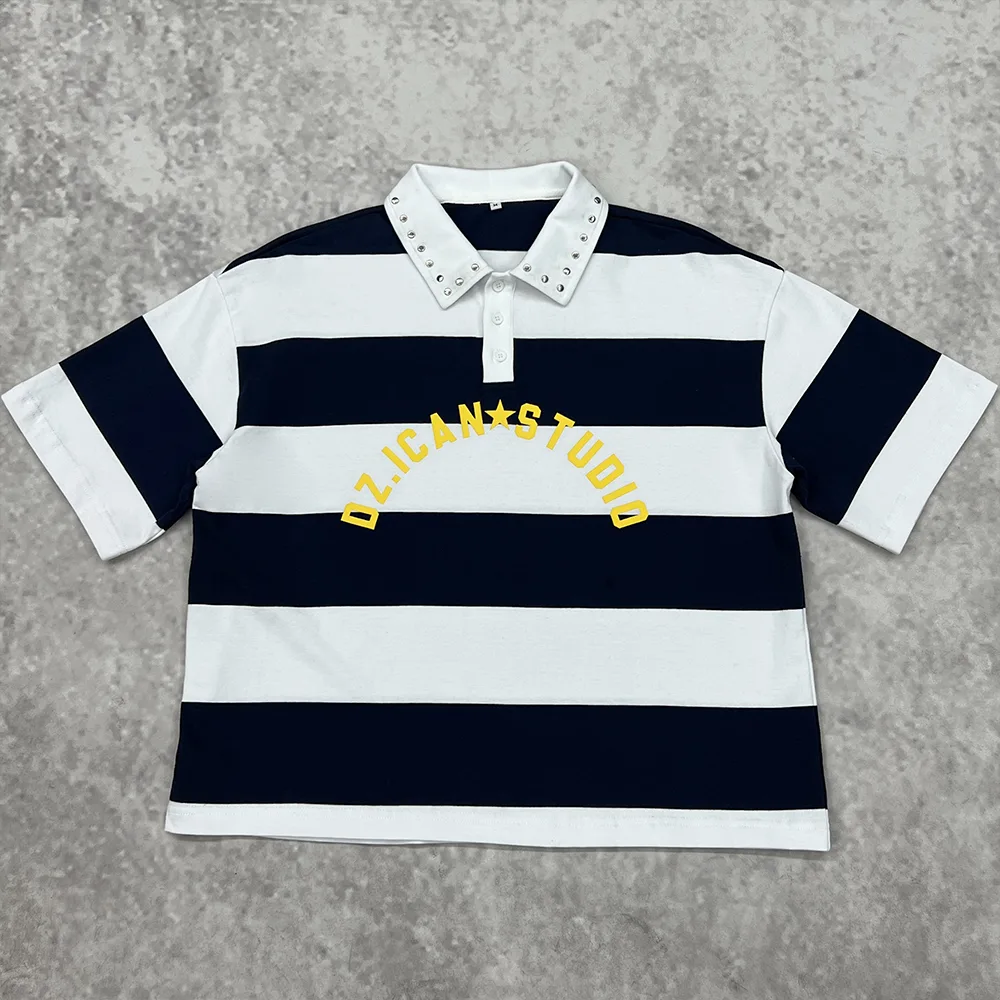
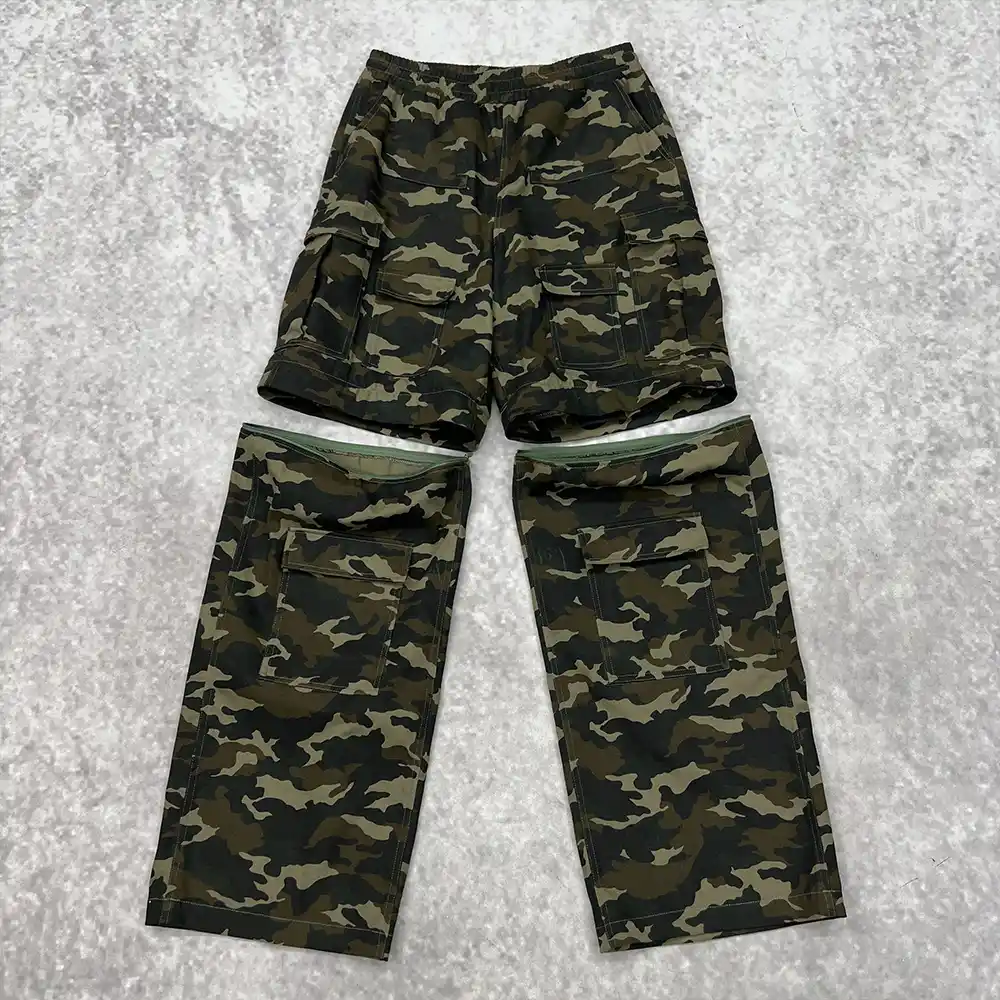
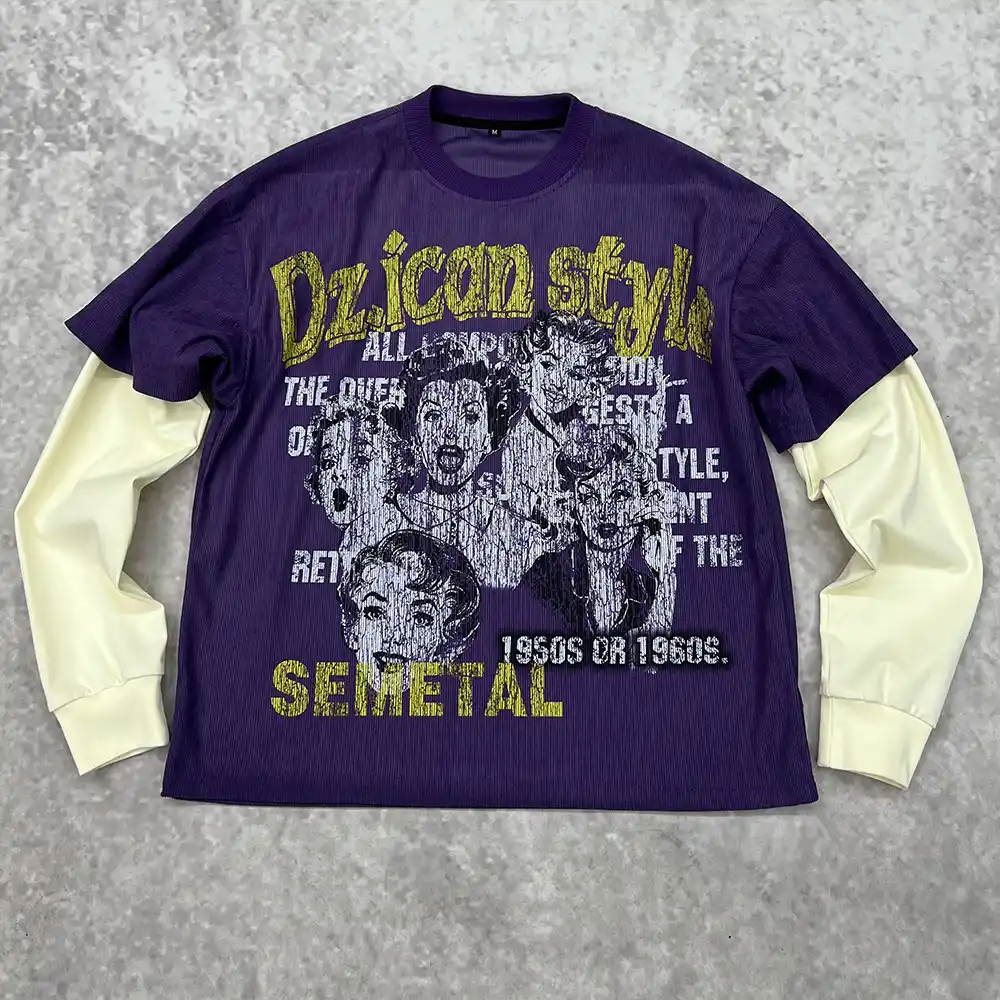
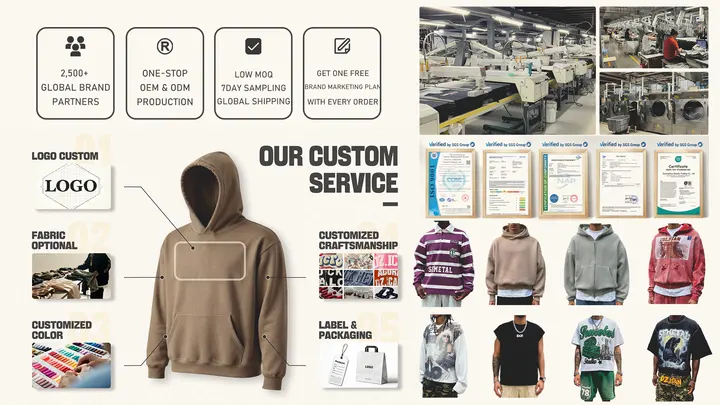
For streetwear brands, the risk is higher because products are often custom: oversized T-shirts, heavyweight hoodies, puff prints, embroidery, garment dye, acid wash, special labels, and private packaging. One weak link can delay the whole drop.
The best apparel supply chain strategies do three things: reduce dependency on one supplier, make production decisions visible early, and protect cost before the order becomes urgent.
Key Takeaways
- Do not rely on one supplier for every fabric, process, and category.
- Separate core suppliers, backup suppliers, and process specialists.
- Confirm fabric, decoration, labels, packaging, QC, and shipping before bulk.
- Build a clothing production contingency plan before launch season.
- Track total landed cost, not only factory unit price.
- Use samples and pre-production approvals as risk filters.
1. Map Your Apparel Supply Chain Before You Place Orders
Most brands only see the final factory quotation. That is too late.
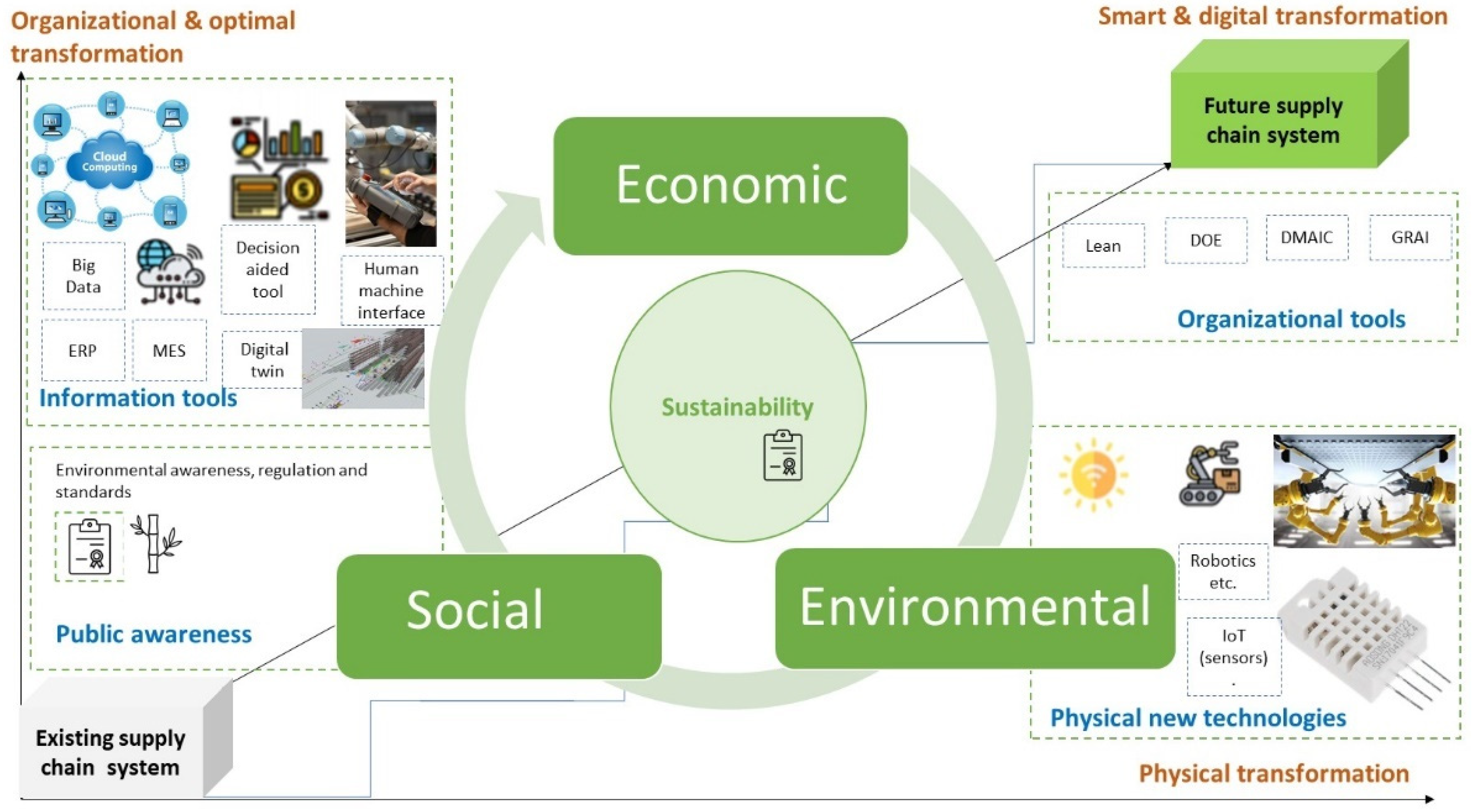
A real apparel supply chain includes fabric mills, dyeing houses, cutting rooms, sewing lines, print shops, embroidery partners, washing facilities, trim suppliers, packaging vendors, QC staff, freight forwarders, and customs documents.
For a simple graphic T-shirt, the chain may look short. For a washed hoodie with puff print, custom drawcords, woven labels, and individual polybags, the chain becomes more complex.
Start with a simple map:
| Supply Chain Area | What to Confirm |
|---|---|
| Fabric | Composition, GSM, stock status, dye lot |
| Trims | Labels, drawcords, zippers, buttons, tags |
| Decoration | Screen print, puff print, embroidery, rhinestones |
| Garment making | Pattern, cutting, sewing, pressing |
| Finishing | Wash, dye, distressing, packing |
| Logistics | Carton size, export docs, shipping term |
This map shows where risk can enter the order. It also tells you which apparel supply chain strategies matter most for your product.
2. Do Not Use One Supplier for Every Job
A single supplier can be convenient, but full dependency creates risk.
If one factory handles every hoodie, T-shirt, sweatpant, print, wash, and label order, your brand has no backup when that supplier is full, slow, or weak in one process. The better structure is a controlled supplier system.
Use three supplier roles:
- Core manufacturer: handles your main custom apparel production.
- Backup manufacturer: can repeat basic styles if the main supplier is unavailable.
- Process specialist: supports embroidery, washing, printing, rhinestone work, or complex finishing.
This does not mean you should spread one order across too many vendors. That can create color, fit, and communication problems. The goal is not chaos. The goal is controlled redundancy.
For custom streetwear, multi supplier apparel sourcing works best when one lead manufacturer manages the main garment and approved specialists support specific processes.
3. Classify Products by Risk Level
Not every product needs the same supply chain setup.
A 240 gsm oversized T-shirt with one front print is lower risk than an acid-wash hoodie with puff print and custom rib. A tracksuit with multiple size tolerances is higher risk than a basic sweatshirt.
Use a risk ladder:
| Product Type | Risk Level | Main Risk |
|---|---|---|
| Basic T-shirt | Low | Fabric hand feel, print placement |
| Heavyweight hoodie | Medium | Shrinkage, rib recovery, hood shape |
| Tracksuit | Medium | Fit consistency, zipper quality |
| Garment dye item | High | Color variation, shrinkage |
| Acid wash + print | High | Wash effect, print durability |
| Rhinestone hoodie | High | Attachment strength, labor QC |
This is one of the most useful apparel supply chain strategies for growing brands. It stops you from managing every product with the same level of attention.
High-risk styles need stronger sampling, more QC checkpoints, and earlier material booking.
4. Build Backup Plans Around Bottlenecks
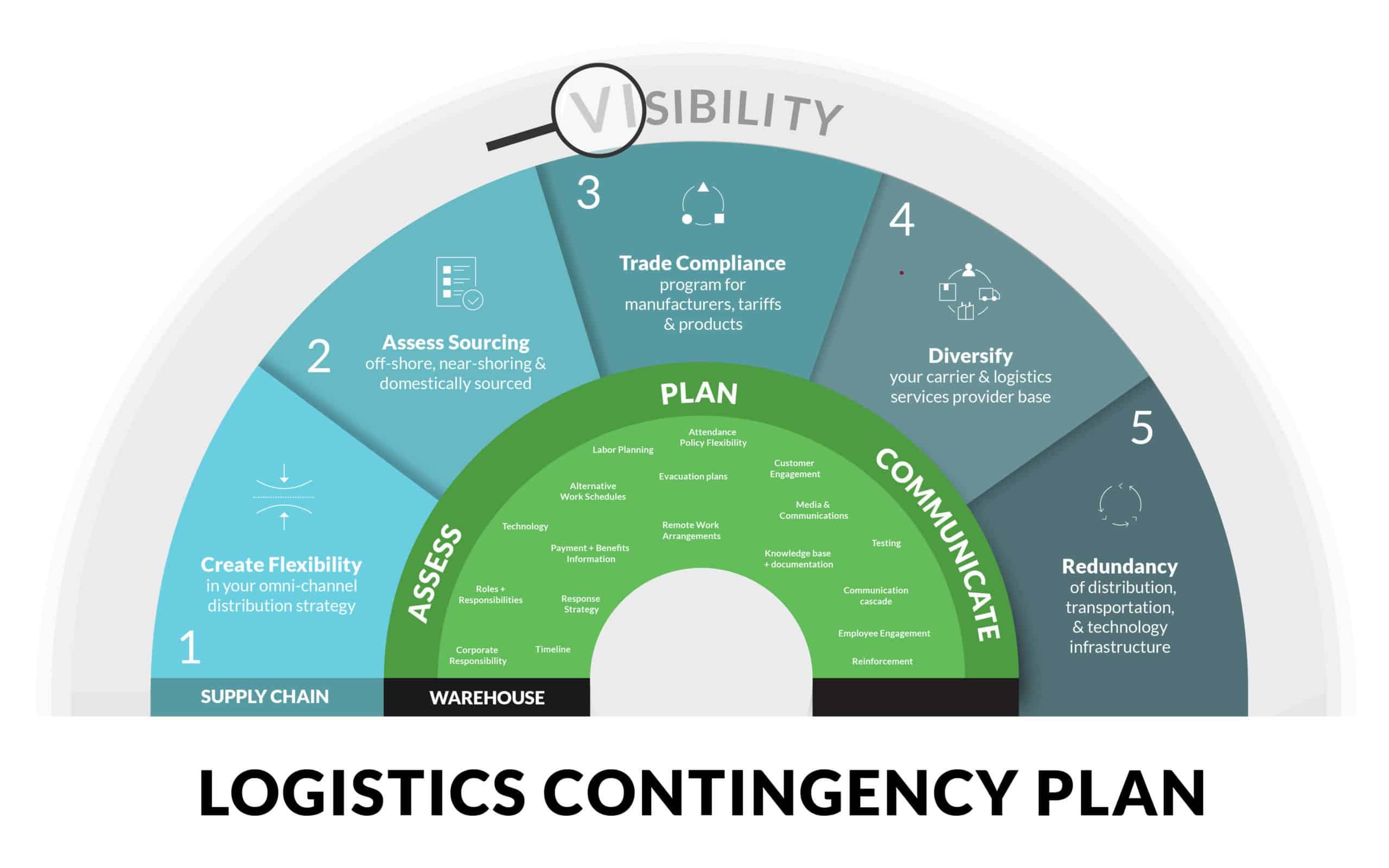
A clothing production contingency plan should focus on bottlenecks, not random fears.
In apparel production, bottlenecks usually appear in five places:
- Fabric availability
- Dyeing or washing capacity
- Print and embroidery scheduling
- Trim or packaging delays
- Shipping and customs timing
For each bottleneck, prepare one backup option.
If the custom-dyed fabric is delayed, can you use an approved stock color? If the puff print supplier is overloaded, can the artwork switch to screen print without damaging the design? If custom packaging is late, can bulk garments ship with standard packaging and upgraded packaging wait for the next drop?
These decisions should be made before the launch calendar becomes tight.
A good apparel supply chain does not remove every problem. It gives your team a second move when the first plan fails.
5. Control Cost by Looking Beyond Unit Price
The cheapest unit price is not always the lowest-cost order.
A supplier can quote a lower garment price but create hidden cost through extra sample rounds, unstable fabric, poor communication, weak QC, delayed shipping, or higher defect rates. Apparel manufacturing cost control should include the full order picture.
Track these cost areas:
- Sample cost
- Pattern revision cost
- Fabric minimums
- Decoration setup fees
- Label and packaging cost
- QC cost
- Shipping cost
- Import duties and tax
- Defect allowance
- Reorder cost
For example, a hoodie that is cheaper by a small amount per piece may become more expensive if the rib loses shape, the print cracks, or the size grading needs another sample round.
Streetwear brands should compare total landed cost, not only FOB or ex-factory unit price.
6. Lock Samples Before Scaling Volume
A sample is not a nice photo. It is the control document for production.
Before bulk, approve:
- Fabric composition and GSM
- Fit and size chart
- Measurement tolerance
- Print or embroidery placement
- Label position
- Color standard
- Wash effect
- Packaging method
- Bulk inspection criteria
For custom T-shirts and hoodies, Qianshiwear’s sample-first workflow is useful because the buyer can check fit, fabric weight, decoration method, and private label details before bulk cutting starts.
This is where many apparel supply chain strategies become practical. If the approved sample is vague, the supply chain has no clear target. If the sample is precise, every supplier has a standard to follow.
7. Use Different Timelines for Different Processes
A single production timeline is too simple for custom apparel.
Fabric sourcing, sample making, bulk cutting, sewing, printing, embroidery, washing, finishing, packing, and shipping do not move at the same speed. Some steps can run in parallel. Others must wait.
For planning, separate your timeline into stages:
| Stage | Planning Note |
|---|---|
| Development sample | Confirms design feasibility |
| Fit sample | Confirms measurements and silhouette |
| Pre-production sample | Confirms final bulk standard |
| Bulk material booking | Locks fabric and trims |
| Bulk production | Cutting, sewing, decoration |
| Final QC | Checks defects before shipment |
| Shipping | Depends on term, route, and customs |
A product with garment dye or acid wash needs more time than a standard printed tee. A hoodie with embroidery and custom packaging needs more coordination than a blank sweatshirt.
The stronger your timeline, the less your team depends on emergency decisions.
8. Review Suppliers After Every Drop
Supplier evaluation should happen after shipment, not only before the first order.
After each drop, score the supplier on:
- Sample accuracy
- Bulk consistency
- Communication speed
- Lead time control
- Defect rate
- Packaging accuracy
- Cost stability
- Reorder readiness
This review helps you decide whether to keep, upgrade, replace, or limit each supplier.
If one manufacturer performs well on heavyweight hoodies but struggles with washed items, do not remove them completely. Assign them to the product category where they are strongest.
That is how mature apparel supply chain strategies work. You do not search for one perfect supplier. You build a supplier system where each partner has a clear role.
FAQ
What is the most important part of an apparel supply chain?
The most important part is visibility. Brands need to know who controls fabric, trims, decoration, sewing, finishing, QC, and shipping. Without visibility, cost and delay problems appear too late to fix.
Should a streetwear brand use multiple clothing suppliers?
Yes, but only with control. A brand can use one core manufacturer and keep backup suppliers or process specialists for printing, embroidery, washing, or packaging. Too many unmanaged suppliers can create inconsistency.
How can brands reduce apparel production risk?
Brands can reduce risk by approving samples, confirming fabric before bulk, setting measurement tolerances, checking decoration durability, preparing backup material options, and reviewing QC before shipment.
What is the difference between unit price and total landed cost?
Unit price is the factory cost per garment. Total landed cost includes sampling, trims, packaging, shipping, duties, taxes, defects, and delays. Buyers should compare total landed cost before choosing a supplier.
When should brands build a backup supplier plan?
Brands should build backup plans before peak season, large drops, or complex custom production. Waiting until a supplier is delayed usually leaves fewer options and higher costs.
Conclusion
An apparel supply chain is not just a list of factories. It is a decision system.
The strongest brands know which supplier owns each step, which process carries the highest risk, which backup option is realistic, and which cost belongs in the final margin calculation.
For streetwear brands working on custom T-shirts, hoodies, tracksuits, or private label collections, Qianshiwear can support sample development, OEM/ODM production, fabric and decoration guidance, and bulk-ready production planning. The practical goal is simple: build a supply chain that can still move when one part slows down.
References
- Qianshiwear. How to Build Apparel Supply Chain: 8 Strategies for Multi-Suppliers, Contingencies & Costs
- International Chamber of Commerce. Incoterms Rules
- OECD. Due Diligence Guidance for Responsible Supply Chains in the Garment and Footwear Sector
- European Commission. Access2Markets Trade Helpdesk
- U.S. Customs and Border Protection. Importing Into the United States