In 2026, factory audit best practices remain one of the most effective tools for qualifying clothing manufacturers and OEMs in China. Yet many brands still conduct superficial or incomplete audits that create false confidence while leaving critical risks unaddressed.
The difference between a high-value audit and a checkbox exercise often comes down to whether the process follows a structured, multi-dimensional framework and whether findings drive real corrective action. Professional factories that treat audits as improvement opportunities consistently outperform those that view them as obstacles to overcome.
This guide contrasts best vs worst practices using the proven 7-Pillar Factory Audit Framework, real-world red flags, AQL context, and practical examples tailored for apparel and streetwear production.
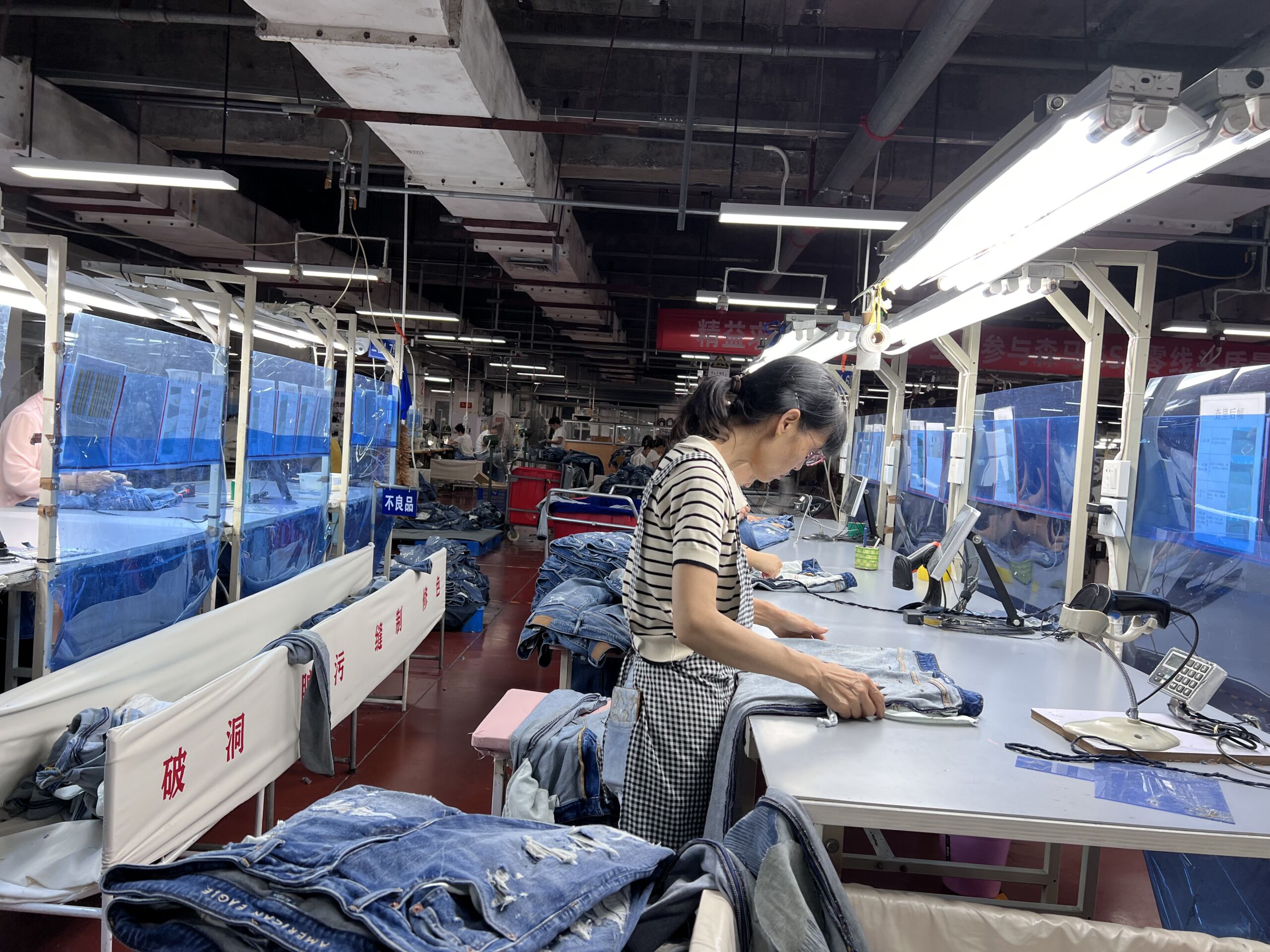
Zara Clothing Manufacturers: Inside the Global Supply Chain – New Asia Garment
The 7-Pillar Framework: The Non-Negotiable Standard
Effective audits in 2026 evaluate suppliers across seven interconnected pillars. Skipping any pillar creates blind spots that have led to costly recalls, compliance failures, and supply disruptions.
Best Practice Auditors systematically assess all seven pillars with documented evidence, photographs, worker interviews, and scored findings. Reports include pillar-specific scores rather than just an overall grade.
Worst Practice Audits cover only 2–4 areas (often just facilities and basic quality) or rely heavily on certificates without verifying real implementation on the floor.
The 7 Pillars (2026 Standard)
- Legal & Business Legitimacy (licenses, ownership, no shell companies)
- Quality Management System (QMS) effectiveness & documented processes
- Production Capacity & Capability (actual output vs claims, no hidden subcontracting)
- Equipment & Test Instruments (calibration status and traceability)
- Raw Material Handling & Incoming QC
- Workforce Training, Quality Culture & Competence (records + on-floor verification)
- Social Compliance (working hours, wages, safety, environmental — critical under UFLPA and EU regulations)

Explaining the 3 Types of Quality Defects in Manufacturing (AQL Classification) – HQTS
Best vs Worst Practices Across Key Dimensions
1. Preparation & Scope Definition
Best: Risk-based scheduling (new suppliers before first order, strategic suppliers annually, high-risk every 6 months, post-incident within 30–60 days). Clear scope aligned with product category (apparel requires specific checks on fabric handling and tensile testing capability). Worst: One-size-fits-all annual audits or audits triggered only after problems appear. No pre-audit document request or risk assessment.
2. On-Site Execution & Verification
Best: Physical walkthrough of all production areas, verification of actual capacity through line counts and output records, real-time photos of findings, private worker interviews, and review of “golden samples” vs current production. Worst: Desk-based or staged tours, acceptance of verbal claims without physical proof, no photos, and avoidance of sensitive areas (e.g., social compliance or raw material storage).
3. AQL Application & Link to Quality Systems
Factory audits evaluate whether the supplier has the systems and equipment to consistently deliver to agreed AQL levels. They do not replace product inspections.
Typical Apparel AQL Reference (2026)
- Major defects: AQL 2.5 (most common for functional and visible issues)
- Minor defects: AQL 4.0
- Critical defects: Often 0 or 1.0 (safety or brand-damaging issues)
Best Practice: Auditor verifies calibration of measuring equipment, existence of in-process checks, and corrective action history that supports the brand’s chosen AQL. Audit report notes whether the factory can realistically support the buyer’s AQL requirements.
Worst Practice: Auditor or brand confuses the audit with a pre-shipment inspection (PSI) or assumes AQL results from the audit itself. No connection made between system capability and actual defect tolerance.
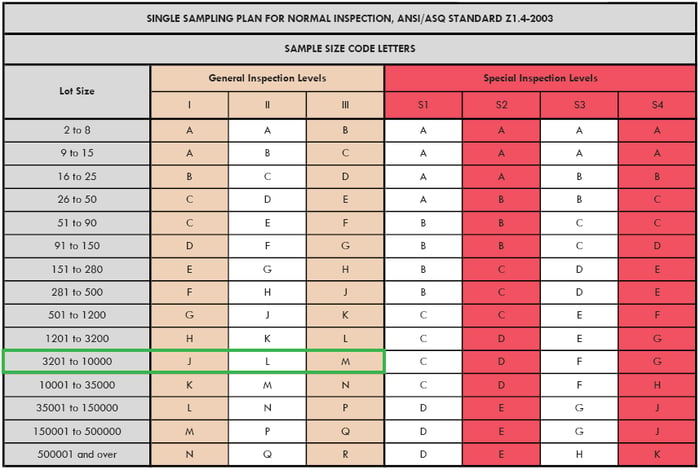
3 General Inspection Levels for QC Sampling with AQL
4. Documentation, Scoring & Reporting
Best: Pillar-by-pillar scoring, clear non-conformity classification (Critical / Major / Minor), supporting photographs, and a structured Corrective Action Plan (CAPA) with owners and deadlines. Closing meeting with balanced feedback. Worst: Vague narrative reports, overall scores that mask weak pillars (e.g., 85% overall but 40% on QMS or Social Compliance), and no photographic evidence or actionable CAPA.
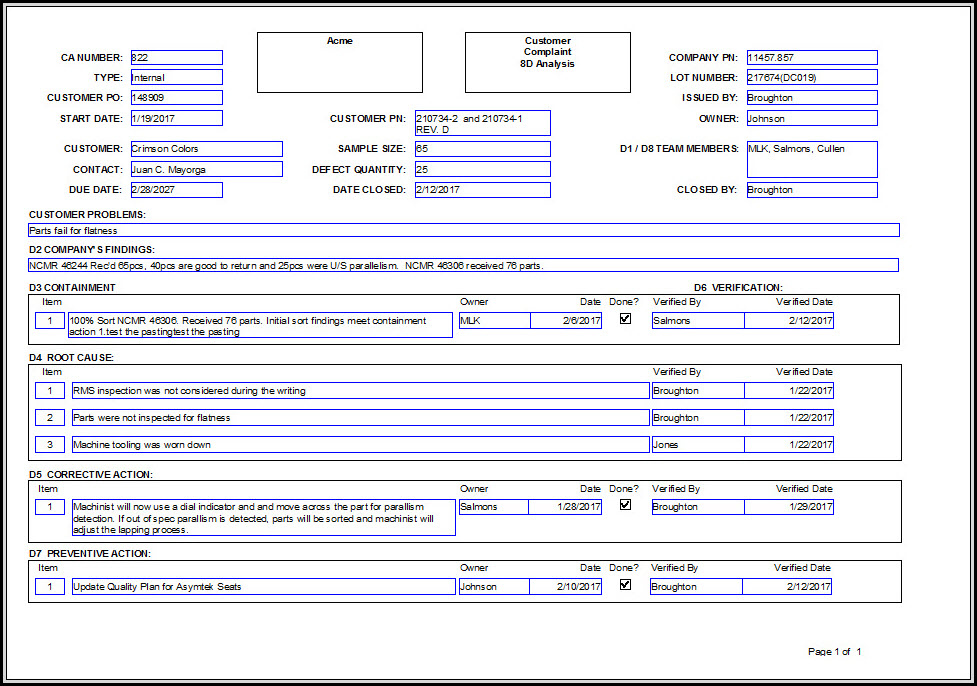
quality-assurance-solutions.com
Preventive Corrective Action With 6 Steps
5. Follow-up, CAPA Closure & Continuous Improvement
Best: Risk-based re-audit schedule. Tracking of CAPA effectiveness over time. Use of audit history to reduce future audit scope for reliable suppliers. Worst: One-and-done audits with no follow-up on critical findings. Non-conformities noted but never closed or verified.
Common Red Flags in 2026 China OEM Audits

Explaining the 3 Types of Quality Defects in Manufacturing (AQL Classification) – HQTS
High-Risk Red Flags
- Mismatch between stated address/business license and actual location
- Undisclosed subcontracting or “show factory” setups
- Expired or missing calibration records for critical test equipment
- Training records older than 12 months or covering <80% of relevant staff
- Quality personnel incentivized purely by volume/output rather than quality metrics
- Inability to produce incoming material inspection records or supplier lists
- Social compliance gaps (excessive hours, inaccessible emergency exits, poor wage documentation)
- Overall high score but critically low scores in QMS or Social Compliance pillars
Practical Checklist for QC Managers & Brand Owners
Before the Audit
- Define risk level and required pillars
- Request pre-audit documents (licenses, QMS manual, calibration records, training matrix)
- Align on AQL expectations and product-specific risks
During the Audit
- Insist on full 7-pillar coverage and photographic evidence
- Verify capacity physically
- Conduct private worker interviews
- Review actual CAPA history, not just current status
After the Audit
- Demand pillar-specific scores and clear CAPA with timelines
- Classify findings (Critical = immediate action/probation; Major = CAPA with deadline)
- Schedule risk-based follow-up
- Combine with Pre-Shipment Inspection (PSI) for ongoing lot verification — audits qualify the supplier; PSI verifies the product
FAQ: Real Questions from QC Managers & Brand Owners
Q: What is the difference between a factory audit and a product inspection (PSI)?
A: Audits evaluate systems, capability, and compliance (the factory). PSI evaluates finished goods against specs using AQL sampling (the shipment). Both are needed for robust quality control.
Q: How often should we audit strategic vs new suppliers in 2026?
A: New suppliers — before first production. Strategic suppliers — annually. High-risk or post-incident — every 6 months or within 30–60 days. Reliable, low-risk suppliers can sometimes move to lighter-touch or remote elements between full on-site audits.
Q: Can we rely on ISO certificates instead of full audits?
A: No. Certificates show the system exists on paper. Audits verify it is implemented, effective, and maintained on the production floor.
Q: What does a professional audit report look like?
A: Pillar-by-pillar scoring, photos of observations, classified non-conformities, and a clear CAPA with responsible persons and target dates. Vague “everything looks fine” reports are a major red flag.
Q: How do good OEM factories in China typically respond to audits?
A: Transparent, professional factories prepare documentation in advance, welcome detailed scrutiny, provide access to all areas, and treat findings as opportunities to improve. They often maintain their own internal audit programs aligned with buyer expectations.
Conclusion: Audits Are Only as Good as the Process Behind Them
From the production and supply chain perspective, the factories that consistently deliver reliable quality are those that embrace rigorous, transparent audits as part of their operating discipline. The 7-Pillar approach, combined with proper follow-up and linkage to AQL-capable processes, separates suppliers worth scaling with from those that create ongoing risk.
Brands that master best practices in factory audits 2026 — full scope, evidence-based verification, scored reporting, and disciplined CAPA tracking — build more resilient and cost-effective supply chains. Those that cut corners or accept superficial assessments pay the price in defects, delays, and compliance issues.
Professional OEM partners understand this reality. They maintain the systems, documentation, and culture that allow them to pass thorough audits confidently and use findings to drive continuous improvement.
If you are looking to implement stronger audit processes or want to work with a transparent, audit-ready manufacturing partner that welcomes professional scrutiny, visit qianshiwear.com. We support buyer audits, maintain clear documentation across all pillars, and provide the visibility modern brands need to scale with confidence in 2026 and beyond.