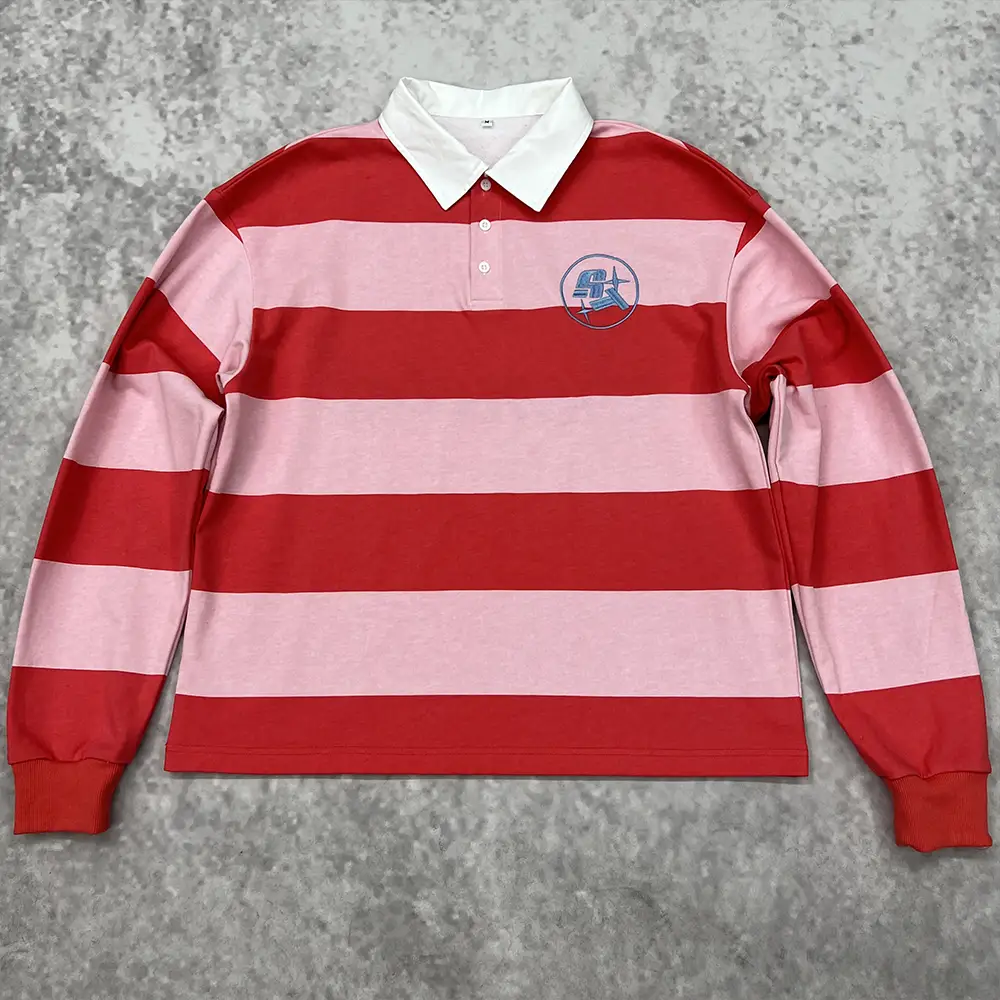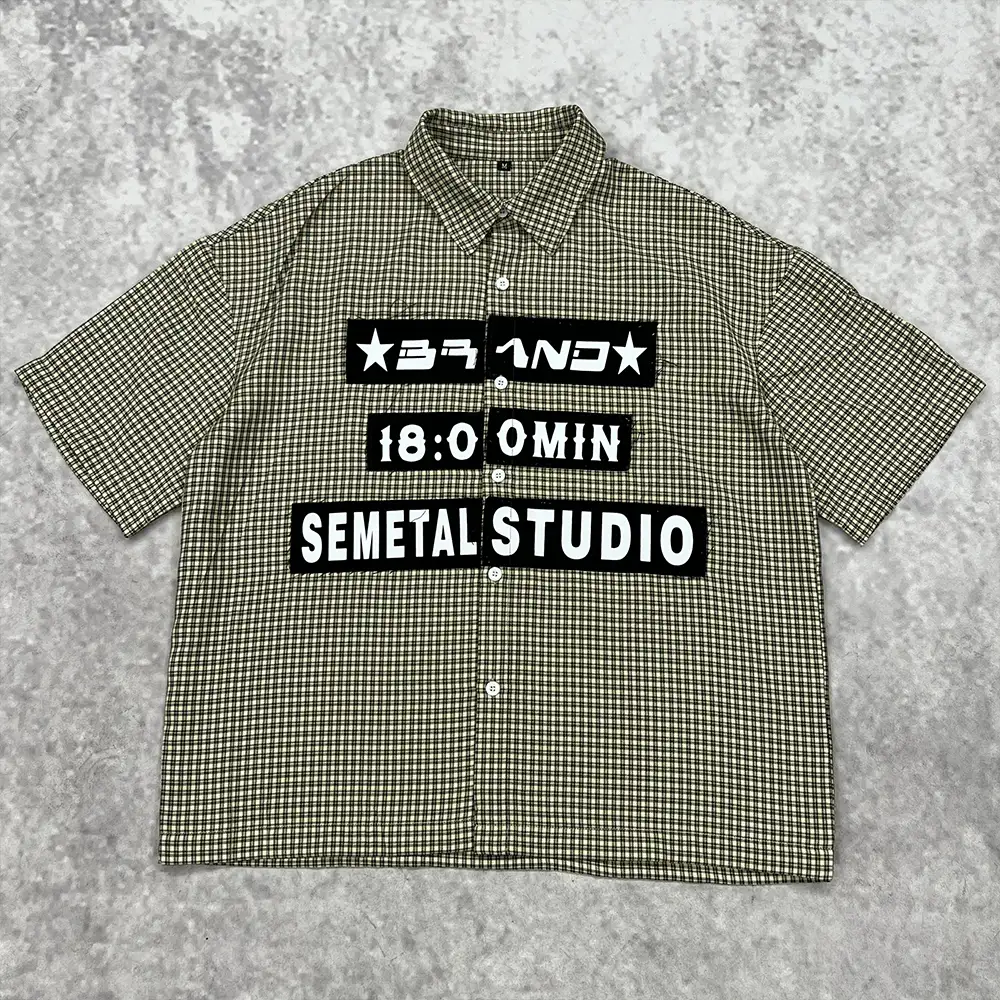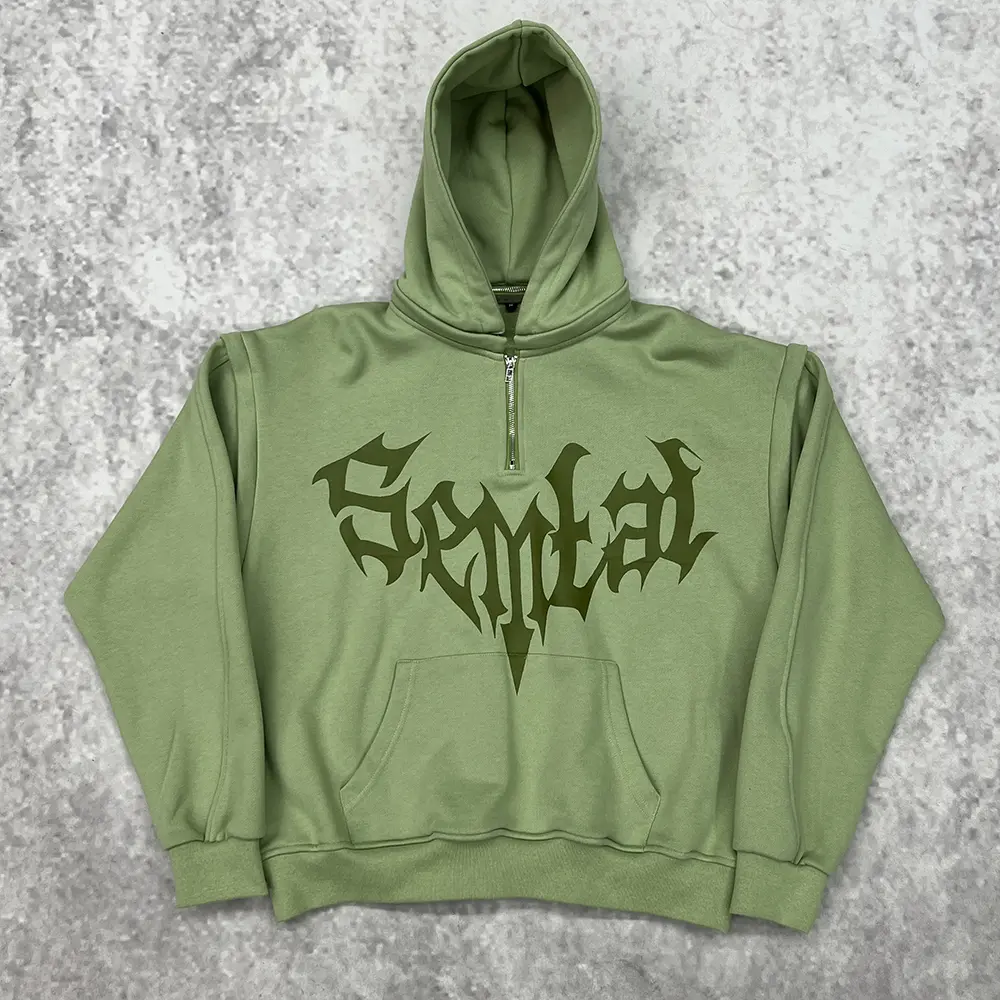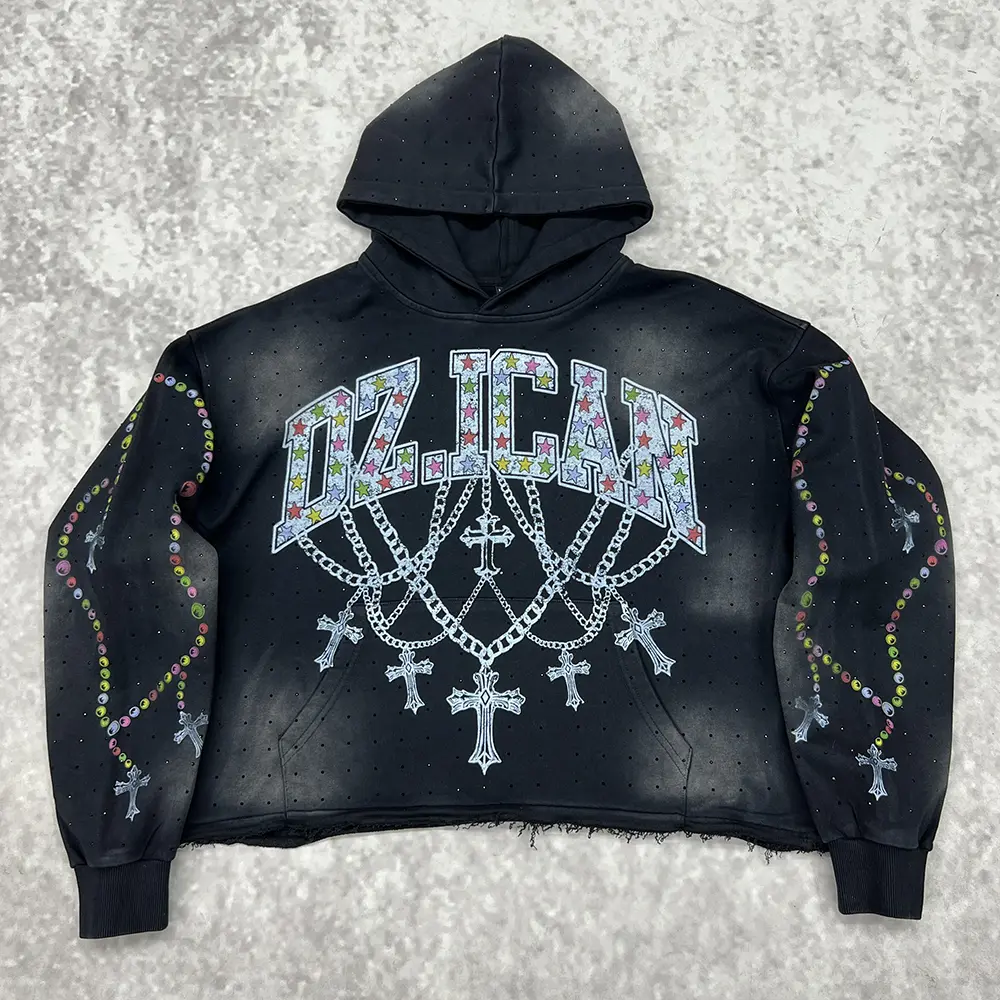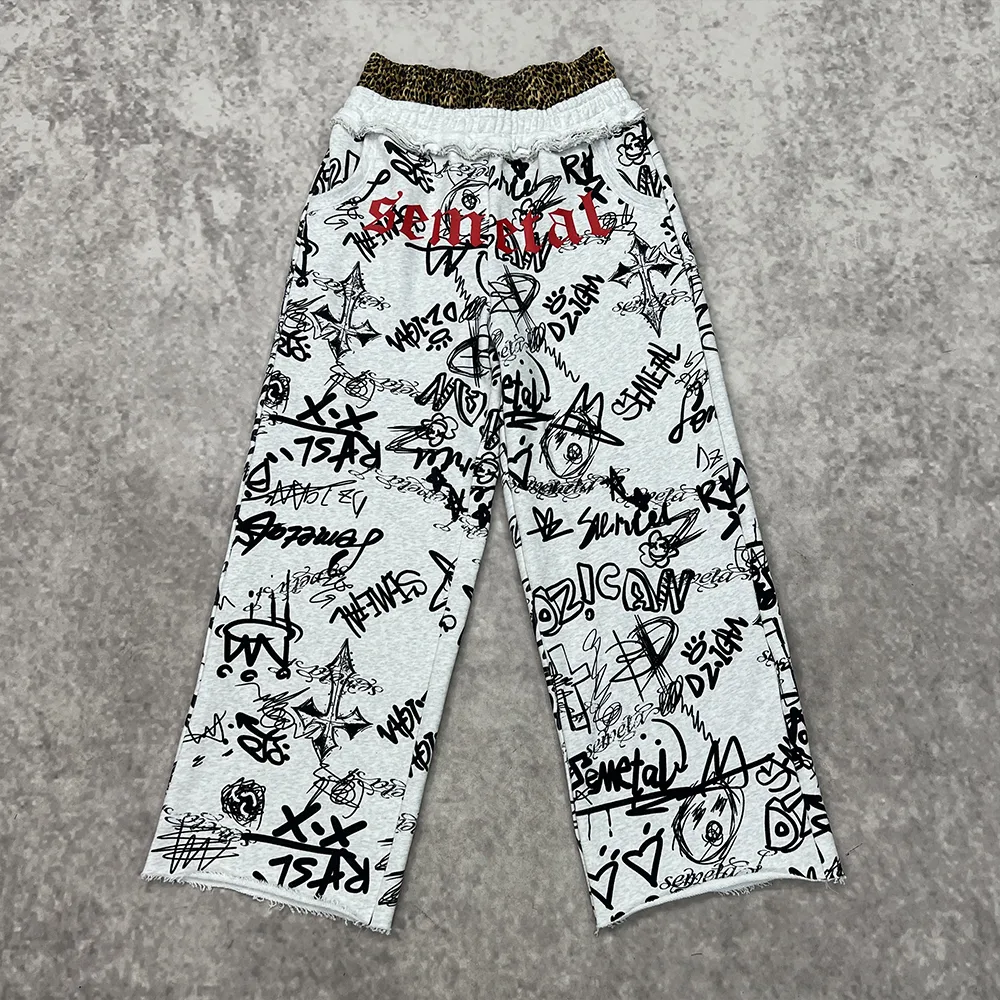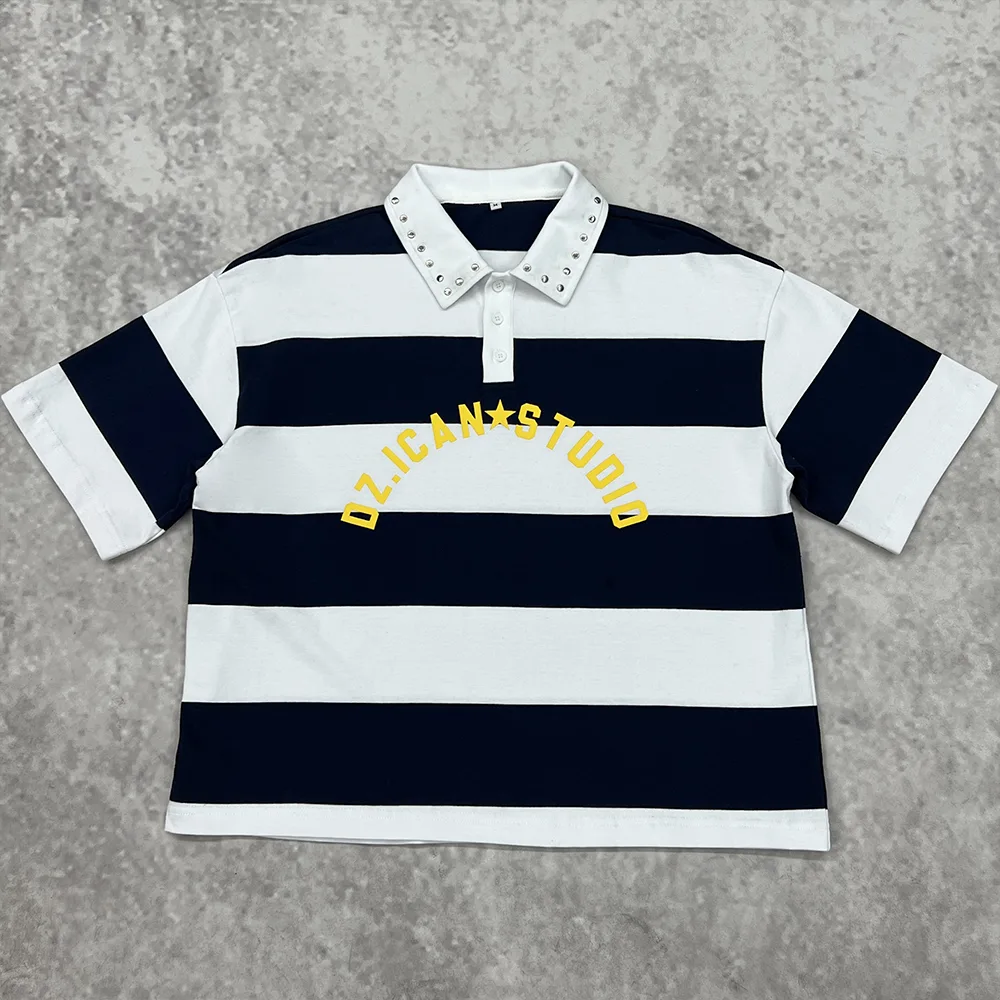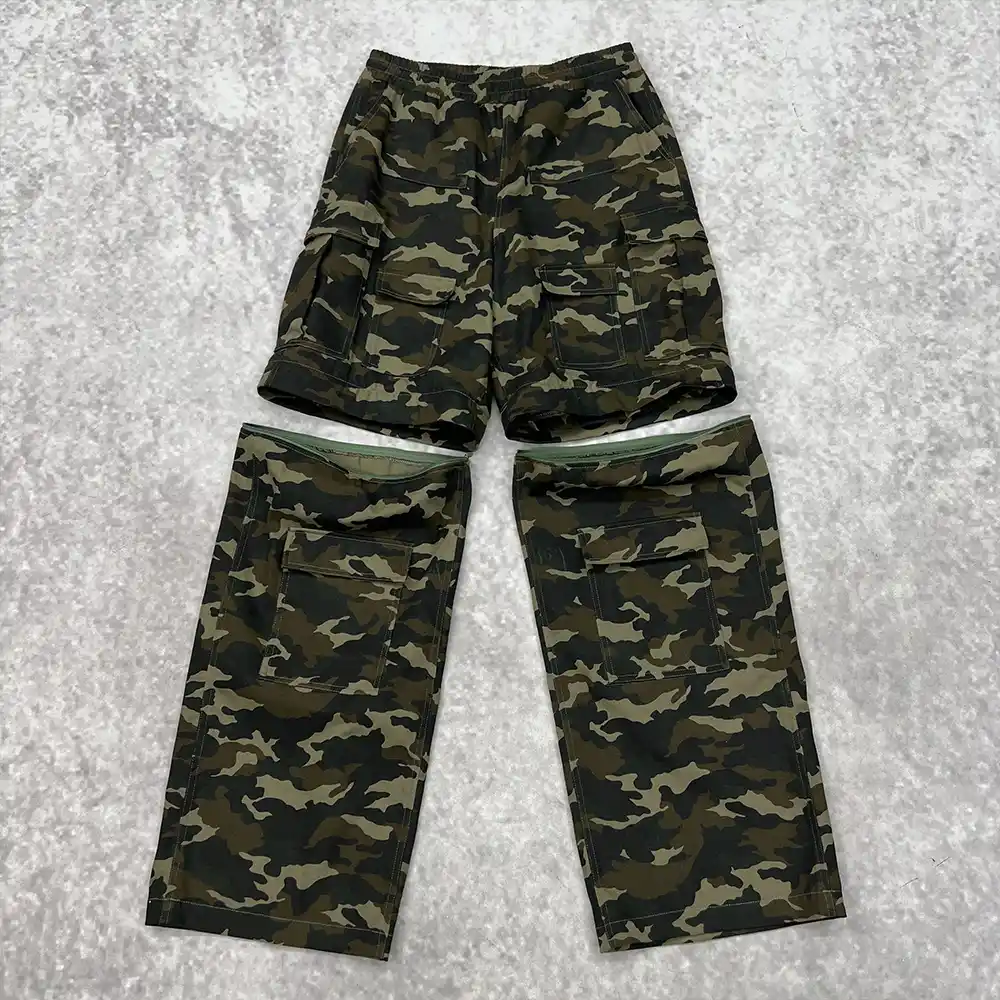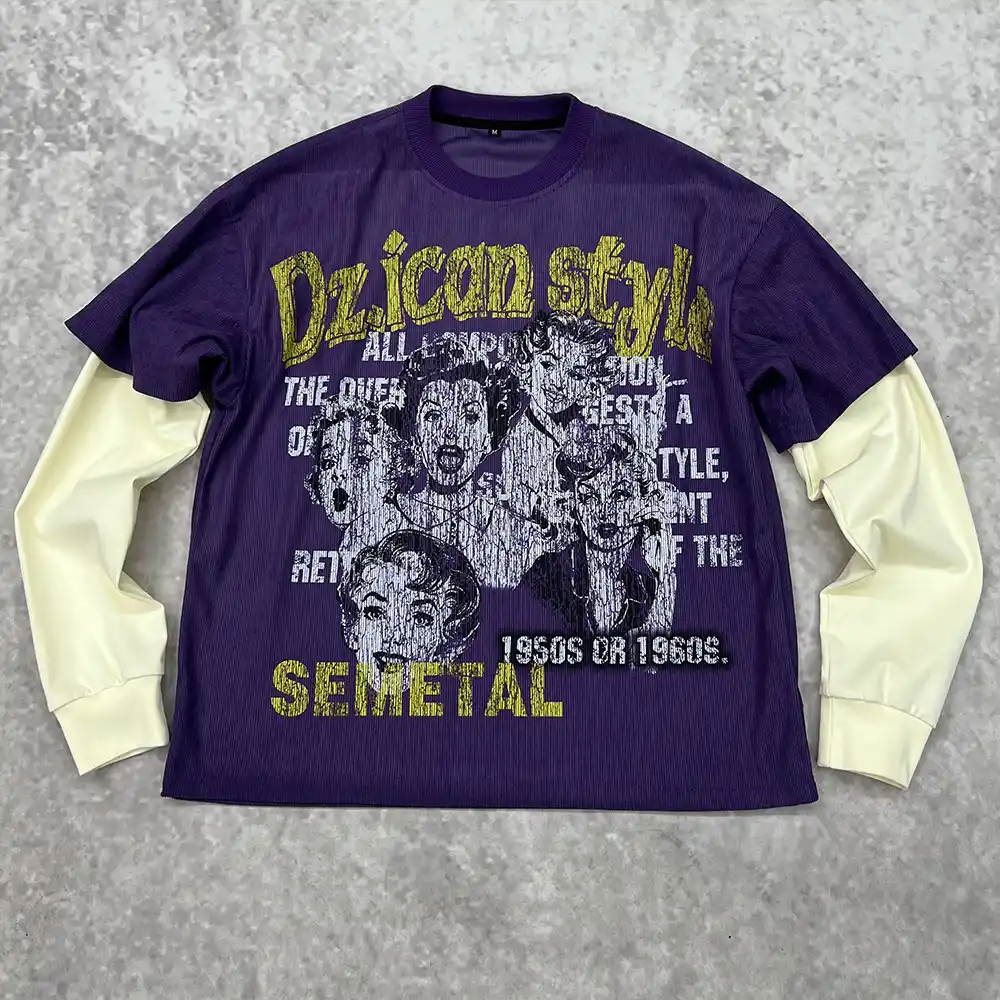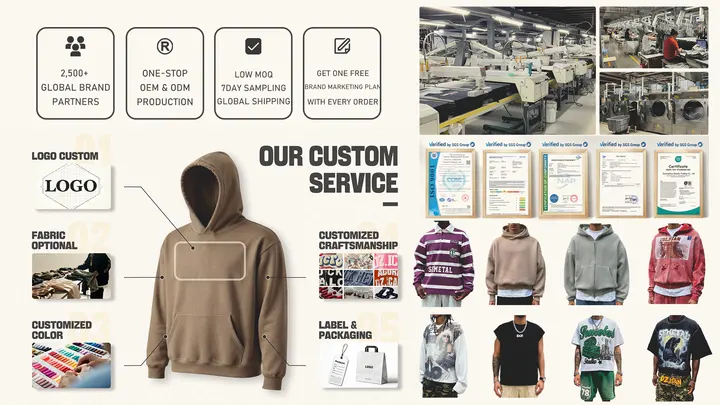
Navigating suppliers in China’s apparel industry means understanding the core split between a China clothing manufacturer and a trading company. As a garment factory, Qianshiwear.com handles everything from raw materials to finished products, emphasizing OEM and ODM services for streetwear brands. This direct approach ensures tight quality control and tailored designs that align with urban fashion trends. Trading companies, on the other hand, connect buyers to multiple factories without owning production lines, acting more like brokers.
The term “manufacturer” refers to entities that produce goods in-house, while trading companies resell from others. For insights on original equipment manufacturer (OEM), it’s worth noting how factories like ours customize products to client specs. Buyers often weigh these options for cost, reliability, and speed.
Production Control in China Clothing Manufacturer vs Trading Company
Factories own their machinery and workforce, allowing hands-on oversight from cutting fabric to stitching seams. This setup minimizes errors and enables quick adjustments. Trading companies outsource, which can lead to inconsistencies if they switch suppliers mid-order.
Quality shines in direct manufacturing. At our production facility, we inspect every stage, using premium threads and dyes to prevent fading or shrinking. Traders might rely on third-party checks, adding layers that dilute accountability.
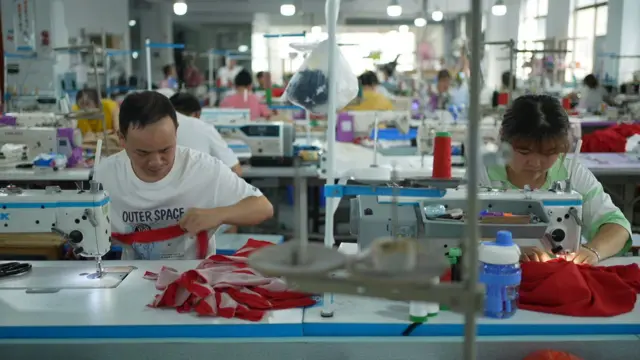
Shein: Inside the Chinese factories fuelling the company’s success
Customization thrives with factories. ODM lets us design prototypes based on your ideas, incorporating streetwear elements like oversized fits or graphic prints. Trading firms may limit options since they don’t control the process.
Cost Structures: Garment Factory vs Trading Company
Direct sourcing from a garment factory cuts out middleman markups, often saving 10-20% on bulk orders. We price based on materials and labor, passing savings to you. Trading companies add fees for their services, inflating costs.
Hidden expenses differ too. Factories like Qianshiwear handle logistics in-house for efficiency, while traders coordinate multiple parties, risking delays and extra charges.
| Aspect | Garment Factory | Trading Company |
|---|---|---|
| Pricing | Lower, direct costs | Higher, includes markup |
| MOQ | Often higher for custom runs | Flexible for smaller batches |
| Transparency | Full insight into production | Limited, depends on partners |
| Long-term Savings | Better through repeat optimizations | Variable, negotiation-heavy |
This table shows why many brands prefer factories for scalable growth.
Communication and Service in China Clothing Manufacturer vs Trading Company
Factories focus on technical details, with teams versed in fabric specs and sewing techniques. English proficiency varies, but at Qianshiwear, we prioritize clear exchanges via dedicated account managers.
Trading companies excel in customer service, often with multilingual staff and faster responses. They handle paperwork like export docs, easing international deals. However, this can create miscommunications if details get lost between trader and factory.

Apparel Group – Reviews, Photos & Phone Number – Updated December …
Flexibility comes into play. Garment factories suit brands needing specific ODM tweaks, like eco-friendly fabrics. Traders offer variety by sourcing from diverse suppliers, ideal for testing markets without commitments.
Quality Assurance: Garment Factory vs Trading Company
In-house testing sets factories apart. We conduct fabric strength tests and colorfastness checks to meet global standards, reducing defects. Trading companies might promise quality but depend on their factory network’s consistency.
Certifications matter. Many China clothing manufacturers hold ISO or OEKO-TEX badges, verifying safe materials. Traders may not, as they don’t produce. For OEKO-TEX, it’s a key mark for sustainable apparel.
Risk of knockoffs drops with direct makers. Factories invest in proprietary designs, while traders could source generics.
Supply Chain Reliability in China Clothing Manufacturer vs Trading Company
Factories control timelines better, forecasting production slots to avoid bottlenecks. This reliability helps brands meet seasonal demands. Trading companies juggle multiple factories, which can cause delays during peak times like holiday rushes.
Scalability favors manufacturers for growing orders. Our ODM capabilities expand with your line, from hoodies to joggers. Traders scale by adding partners, but that introduces variability.
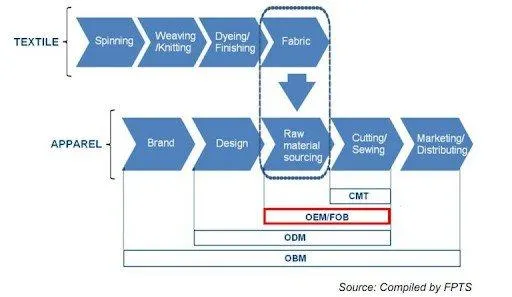
All About 4 Types of Clothing Manufacturer
Intellectual property protection strengthens with factories. Direct contracts safeguard designs, unlike traders who might share info across clients.
Customization Options: Garment Factory vs Trading Company
ODM and OEM define factory strengths. We develop unique patterns, like breathable blends for active streetwear. Trading companies facilitate but can’t innovate as deeply without production control.
Material choices expand in factories. Access to local suppliers means options like organic cotton or recycled polyester. Traders curate selections, but factories experiment for bespoke results.
Lead Times and Logistics in China Clothing Manufacturer vs Trading Company
Shorter lead times come from integrated operations in factories. From sample approval to shipment, we streamline for 4-6 weeks on average. Traders add coordination time, extending to 8-10 weeks.
Export expertise varies. Qianshiwear manages customs directly, ensuring smooth deliveries. Traders specialize in this, but factories build it into services for end-to-end solutions.
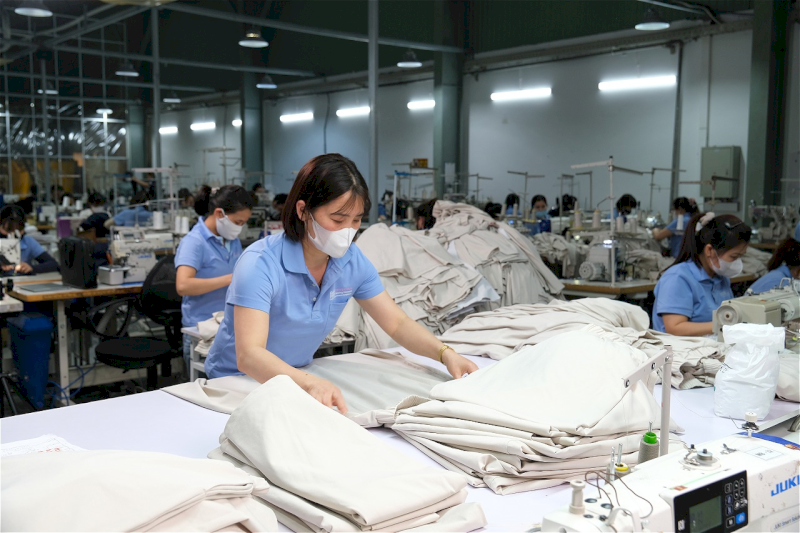
Standards of Quality Control in Clothing Industry Fashion Brands
Ethical sourcing gains traction. Factories like ours audit labor practices, aligning with global demands for fair wages and safe environments.
Conclusion
Working with a China clothing manufacturer over a trading company delivers unmatched control, cost benefits, and quality for serious brands. Garment factories excel in customization and reliability, making them ideal for long-term partnerships. At Qianshiwear.com, our OEM/ODM focus and in-house production outpace trading options by ensuring every piece meets high standards without extra costs. For your next streetwear line, connect through Qianshiwear.com/contact-us/ or check our solutions. Follow us on LinkedIn, TikTok, Facebook, or Instagram for updates.