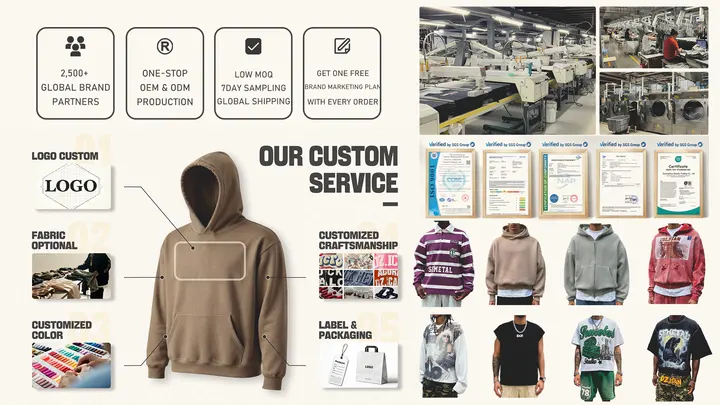
Quality consistency in clothing manufacturing is one of the biggest challenges fashion brands face when scaling production. Many suppliers can create a good-looking sample, but maintaining the same fabric feel, sizing, stitching, and finishing across hundreds or thousands of garments is where problems begin.
For brands, inconsistent quality means more than defective products. It leads to customer complaints, costly returns, delayed launches, and damaged brand reputation.
In 2026, buyers are becoming more cautious about supplier selection because social media and eCommerce reviews expose quality problems instantly. A single inconsistent production batch can damage months of marketing effort.
This article explains why many clothing manufacturers fail at quality consistency, what warning signs buyers should watch for, and how brands can reduce production risks before placing bulk orders.
What Does Quality Consistency Mean in Clothing Manufacturing?
Quality consistency means every production batch matches the approved standard in:
- Fabric quality
- Color accuracy
- Garment measurements
- Stitching workmanship
- Print and embroidery quality
- Washing effects
- Fit and silhouette
- Packaging standards
A reliable clothing manufacturer should be able to reproduce the same result repeatedly — not just once during sampling.
Many factories underestimate how difficult this actually is.

Why Quality Consistency Is So Difficult in Apparel Production
Unlike automated industries, garment manufacturing still relies heavily on human operations.
Even experienced factories deal with variables such as:
| Production Factor | Potential Risk |
|---|---|
| Different fabric dye lots | Color variation |
| Multiple sewing operators | Inconsistent stitching |
| Manual cutting | Size deviations |
| Washing processes | Shrinkage inconsistency |
| Printing temperature changes | Print cracking or fading |
| Outsourced processes | Loss of quality control |
| Tight deadlines | Reduced inspection standards |
This is why apparel production quality issues often appear during bulk manufacturing instead of sampling.
1. Many Factories Prioritize Speed Over Quality Consistency
One of the biggest reasons manufacturers fail at quality consistency is production overload.
Factories accepting too many orders at once often:
- Rush cutting and sewing
- Skip inline inspections
- Replace approved fabrics with similar alternatives
- Assign inexperienced workers to urgent orders
This usually happens during peak seasons before major retail launches.
The result:
- Samples look excellent
- Bulk production becomes unstable
This is one of the most common sample vs bulk production problems brands experience.
2. Weak SOP Systems Create Inconsistent Results
A strong factory relies on SOPs (Standard Operating Procedures).
Without clear production standards, different workers interpret requirements differently.
For example:
- One sewing line may use tighter stitching density
- Another line may press garments differently
- A washing team may alter processing times
Even small differences can completely change how garments feel and fit.
Factories with weak SOP systems usually struggle with:
- Repeated measurement errors
- Uneven embroidery quality
- Inconsistent hoodie fit
- Different fabric handfeel between batches
3. Poor Fabric Control Is a Major Cause of Inconsistent Garment Quality
Fabric inconsistency is one of the most overlooked production risks.
Even if two fabrics look identical, they may perform differently after washing, printing, or garment dyeing.
Common fabric-related problems include:
| Fabric Issue | Production Result |
|---|---|
| Different GSM tolerance | Uneven garment weight |
| Shrinkage instability | Size inconsistency |
| Dye lot variation | Color mismatch |
| Low-quality yarn | Pilling after washing |
| Incorrect fabric composition | Fit distortion |
Professional clothing manufacturer quality control starts before production begins — at the fabric sourcing and testing stage.
4. Outsourcing Too Many Processes Reduces Control
Some factories outsource:
- Printing
- Embroidery
- Washing
- Pattern making
- Quality inspection
The more outsourced stages involved, the harder it becomes to maintain consistency.
This is especially risky for:
- Puff printing
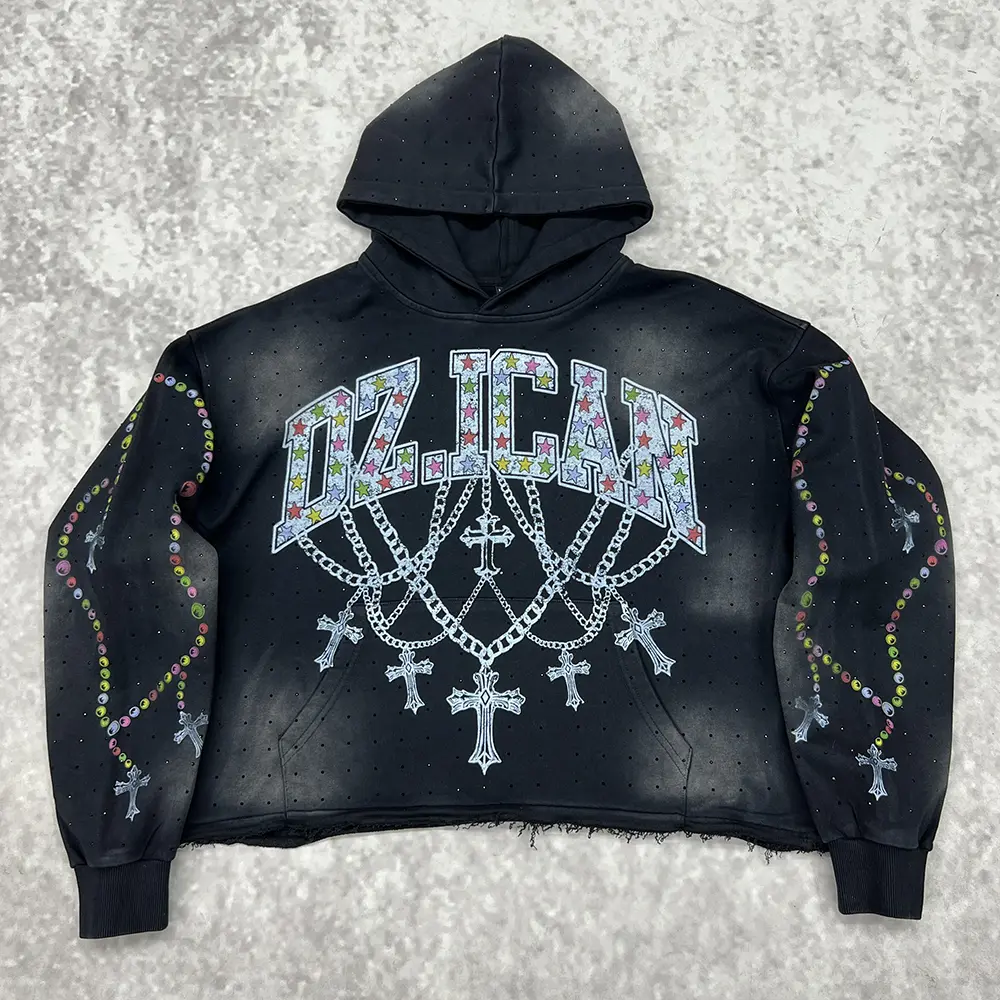
- Garment dyeing
- Rhinestone application
- Heavy embroidery streetwear
- Washed hoodies and sweatshirts
When different subcontractors handle different stages, communication gaps increase dramatically.
Brands often discover that:
- Colors no longer match samples
- Print positioning changes
- Embroidery density becomes uneven
5. Lack of Inline Quality Inspection
Some factories only inspect products after production finishes.
This is too late.
Reliable garment factory quality management requires inspection during every stage:
- Fabric inspection
- Cutting inspection
- Sewing inspection
- Printing inspection
- Final packaging inspection
Without inline quality control, mistakes multiply quickly.
For example:
- A measurement issue found after 2,000 garments are sewn creates massive rework costs.
- A print alignment issue discovered late may require full reproduction.
Strong factories detect problems early instead of fixing them later.
6. Communication Gaps Cause Hidden Production Errors
Many overseas buyers assume factories fully understand technical requirements.
In reality, vague communication creates major quality risks.
Common examples include:
- Undefined stitching density
- Missing tolerance charts
- Unclear wash expectations
- Incomplete artwork files
- No approved color references
This is why experienced manufacturers ask detailed questions before production.
Factories that simply say “OK” to every request are often the most dangerous.
7. Low-Cost Factories Often Sacrifice Production Stability
Extremely cheap pricing usually comes with compromises:
- Lower-grade fabric
- Reduced QC manpower
- Unstable production teams
- Poor machinery maintenance
While low pricing may reduce initial costs, inconsistent quality often increases:
- Return rates
- Refund claims
- Inventory loss
- Customer dissatisfaction
For growing brands, stable production is usually more valuable than saving a few dollars per garment.

How Fashion Brands Can Reduce Quality Consistency Problems
Build Detailed Tech Packs
A strong tech pack should include:
- Measurement charts
- Sewing specifications
- Print size and placement
- Fabric composition
- Pantone colors
- Label placement
- Packaging requirements
The clearer the instructions, the lower the production risk.
Approve Pre-Production Samples Carefully
Never rush PPS (Pre-Production Sample) approval.
Check:
- Fabric texture
- Washing results
- Measurements
- Printing durability
- Embroidery accuracy
- Fit after washing
Many production problems can be identified before bulk manufacturing starts.
Avoid Factories That Only Focus on MOQ or Pricing
Factories focused only on:
- lowest price
- fastest production
- extremely high capacity
often struggle with stable quality control.
Consistency usually comes from:
- experienced teams
- controlled production scheduling
- stable material sourcing
- clear quality systems
Why Streetwear Brands Face Even Higher Quality Risks
Streetwear production is harder than standard apparel manufacturing because it involves:
- heavier fabrics
- oversized fits
- specialty washing
- embroidery combinations
- puff printing
- custom dye effects
Small inconsistencies become much more visible on premium streetwear garments.
For example:
- uneven puff print height
- inconsistent wash fading
- distorted oversized silhouettes
- embroidery tension differences
This is why many fashion startups struggle when scaling from samples to real production.
FAQs
Why do clothing samples look better than bulk production?
Samples are usually made by highly experienced workers with extra attention to detail. Bulk production involves multiple operators, larger workloads, and faster timelines, which increases inconsistency risks.
What is the biggest cause of inconsistent garment quality?
Fabric inconsistency is one of the most common causes. Different dye lots, shrinkage behavior, and material quality can significantly affect final garments.
How can brands improve clothing production consistency?
Brands should provide detailed tech packs, approve pre-production samples carefully, and work with factories that have strong inline QC systems.
Is low MOQ production more likely to have quality problems?
Not necessarily. Quality depends more on factory management systems than order size. Some experienced manufacturers can maintain stable quality even with flexible MOQs.
What should buyers ask before choosing a clothing manufacturer?
Buyers should ask about:
QC processes
fabric sourcing
production timelines
measurement tolerance standards