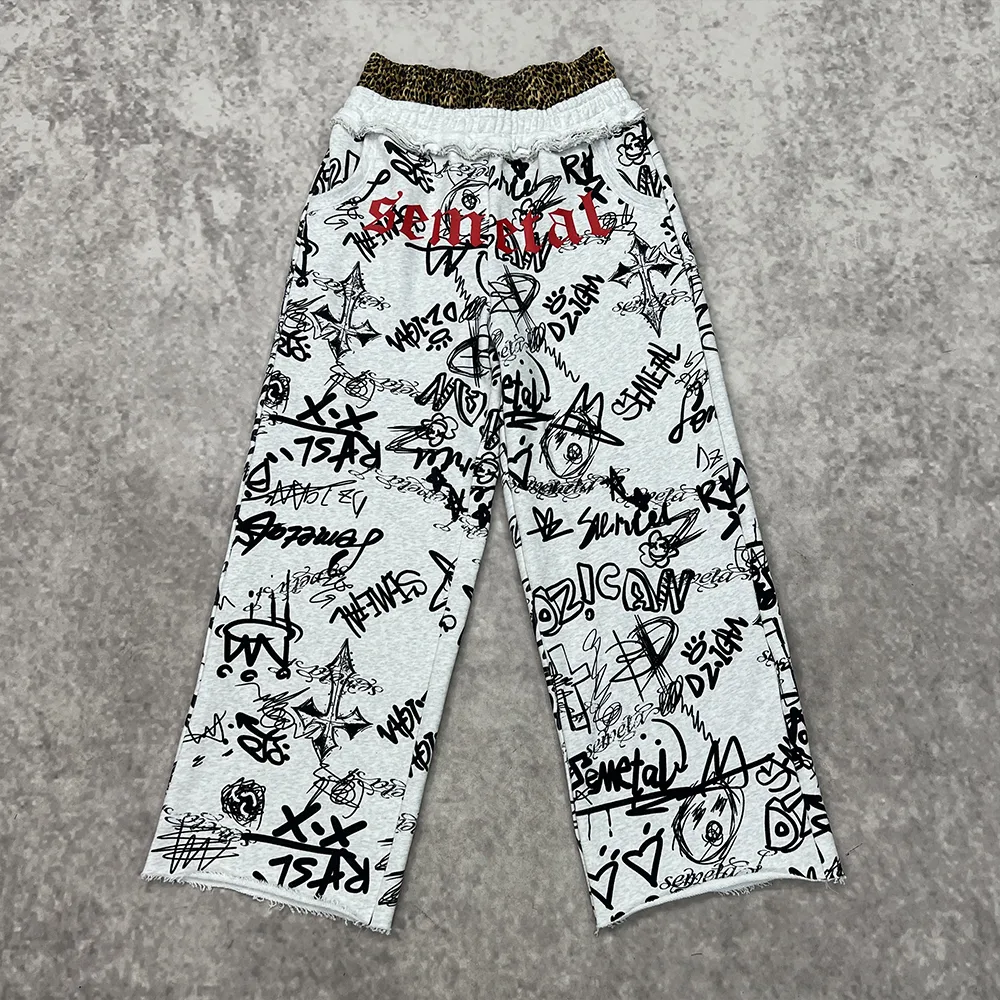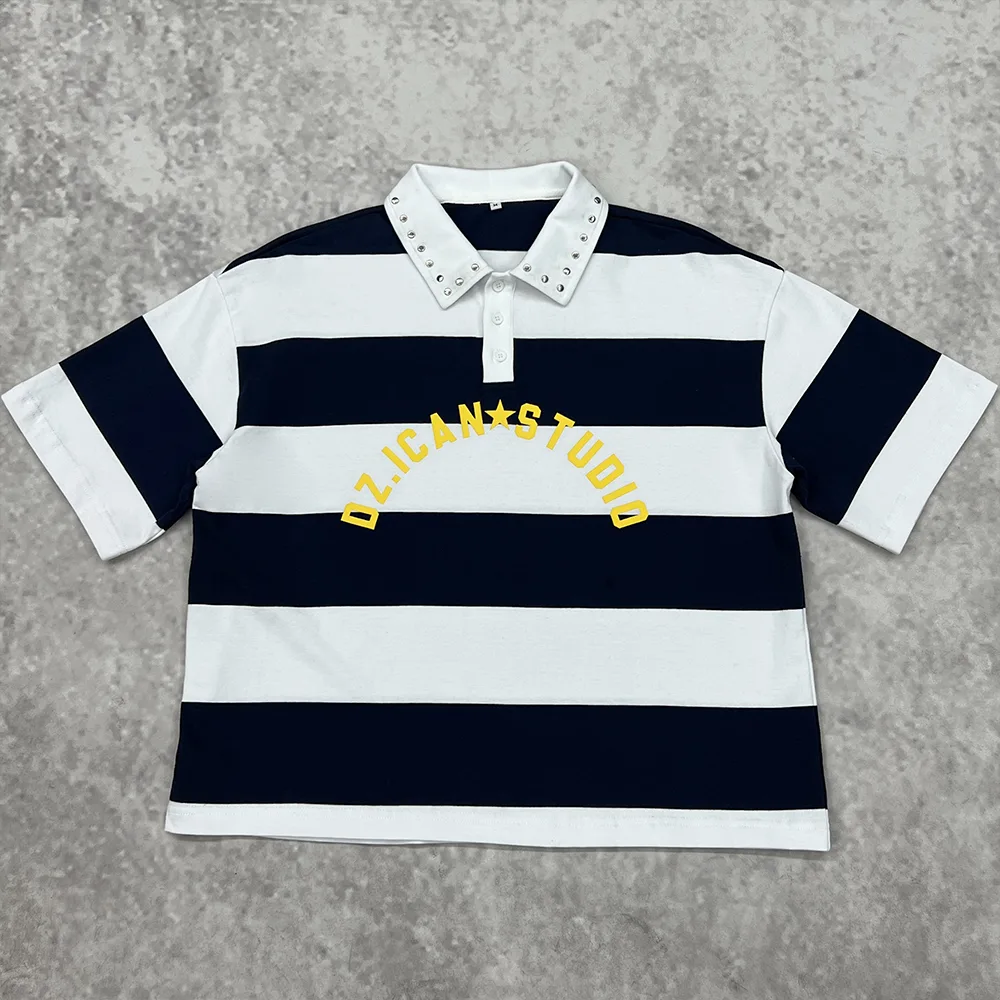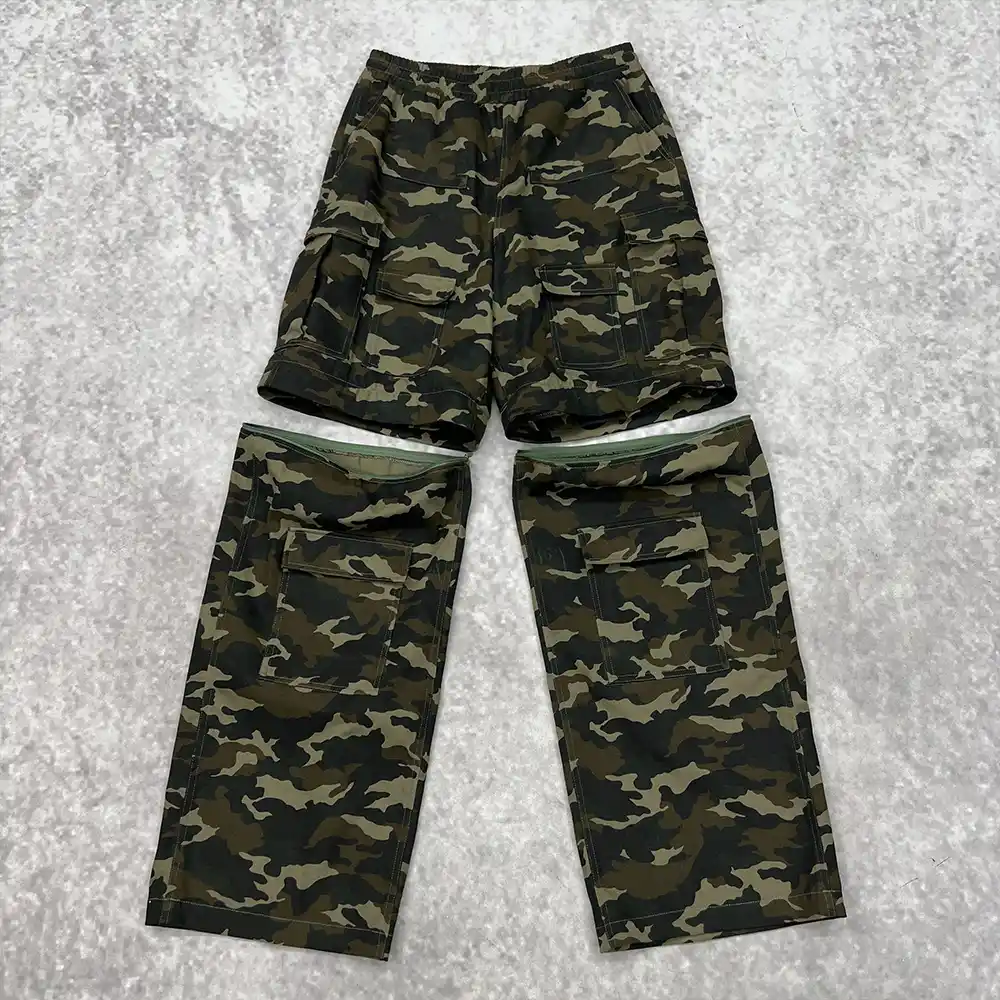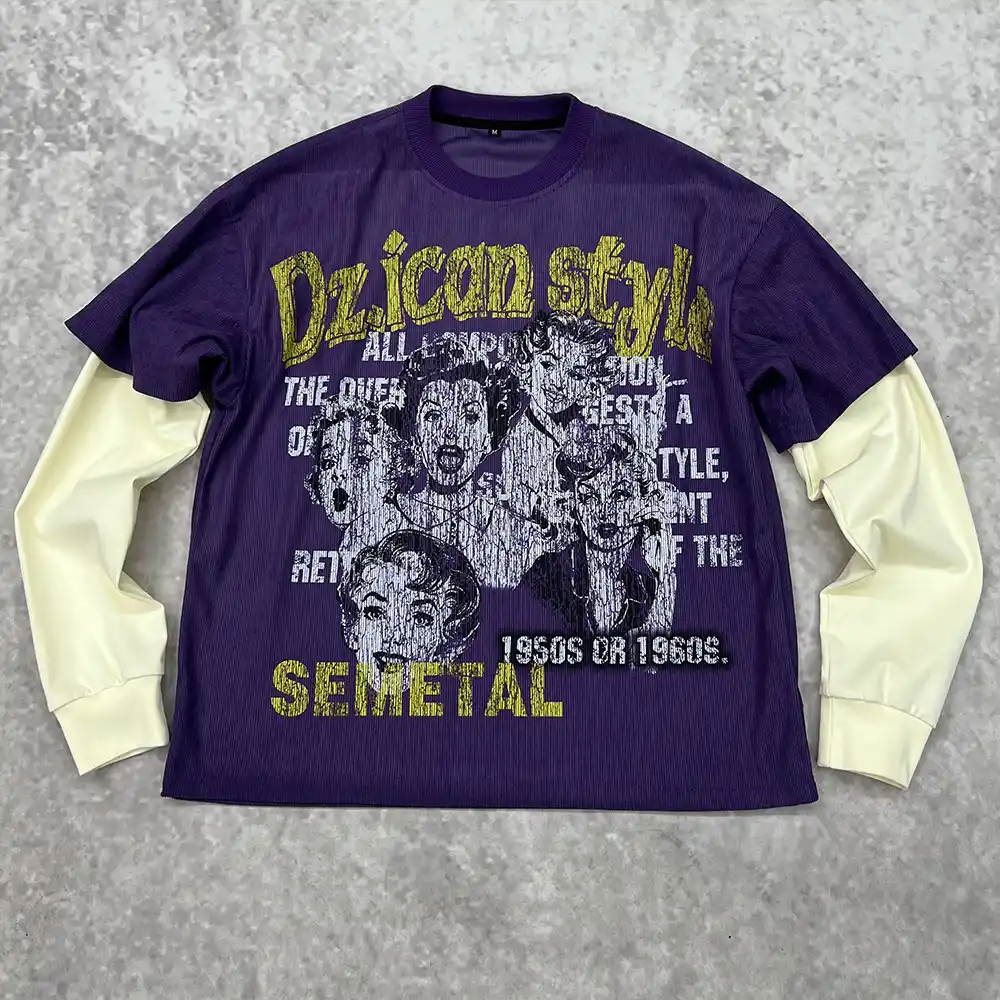
One of the most common frustrations in apparel manufacturing is when clothing samples don’t match bulk production.
A hoodie sample may look perfect during development, but the final production run arrives with different fabric texture, inaccurate sizing, weaker embroidery, or inconsistent printing quality.
For fashion brands, especially in streetwear, these problems can quickly lead to delayed launches, customer complaints, expensive remakes, and damaged brand reputation.
The reality is that sample-to-bulk inconsistency is still a major issue across the garment industry. However, most of these problems can be reduced when brands understand how production actually works and choose manufacturers with stable production systems.
This guide explains why clothing samples don’t match bulk production, what usually causes the problem, and how brands can reduce manufacturing risks before mass production begins.
Why Clothing Samples Dont Match Bulk Production
Many buyers assume an approved sample guarantees identical bulk production.
In reality, sampling and mass production are often handled under completely different conditions.
A development sample is usually made slowly by experienced technicians. Bulk production, however, involves multiple operators, larger fabric quantities, tighter timelines, and faster workflows.
This is why many brands experience differences between approved samples and final bulk orders.
In higher-end manufacturing environments, factories usually try to reduce this gap by using the same production standards, fabric specifications, and workmanship requirements during both the sample and bulk stages instead of treating samples as “display pieces” only.
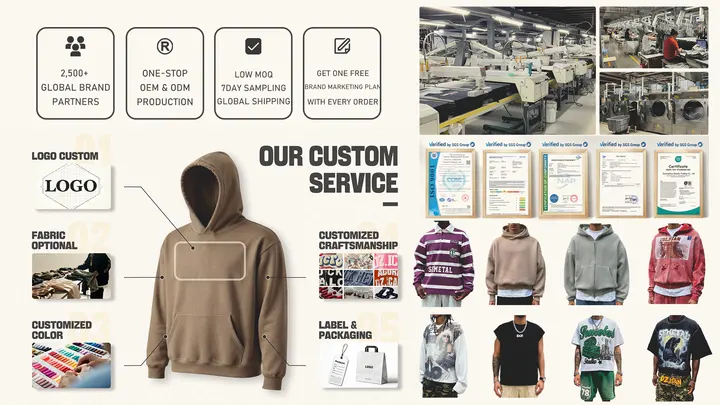
At Qianshiwear, for example, sample development and bulk production follow the same quality expectations, especially for heavyweight streetwear, oversized silhouettes, embroidery, garment washing, and puff printing where small inconsistencies become highly visible.
The Most Common Reasons Clothing Samples Don’t Match Bulk Production
| Problem | Sample Stage | Bulk Production Stage | Result |
|---|---|---|---|
| Fabric inconsistency | Small fabric quantity | Multiple fabric rolls | Color or texture differences |
| Sizing variation | Hand-cut sample | Layer cutting production | Fit inconsistency |
| Printing variation | Test print | High-speed printing | Color mismatch |
| Embroidery inconsistency | Single-piece setup | Continuous machine production | Uneven embroidery quality |
| Washing inconsistency | Controlled sample wash | Batch washing process | Different shrinkage or fading |
| Trim replacement | Original trims | Alternative trims | Appearance changes |
These issues are especially common in low-end streetwear manufacturing because oversized fits, heavyweight fabrics, garment dyeing, and specialty prints require tighter technical control.
Fabric Differences Are One of the Biggest Causes
Why Bulk Fabric Often Feels Different
Even when factories use the “same fabric,” bulk production may involve different fabric batches or dye lots.
This can cause:
- Slight color differences
- Different fabric hand feel
- Uneven shrinkage
- GSM inconsistency
- Texture variation
For example, a 420GSM hoodie sample may feel structured and dense during development, but the final production fabric may feel softer if another fabric batch is used later.
This becomes more noticeable with:
- Washed garments
- Vintage streetwear
- Garment dyeing
- Heavyweight cotton
- French terry fabrics
How Professional Manufacturers Reduce Fabric Inconsistency
Experienced factories usually implement several controls before production begins:
| Quality Control Method | Purpose |
|---|---|
| Fabric batch reservation | Maintain consistency |
| GSM testing | Verify fabric weight |
| Shrinkage testing | Prevent fit changes |
| Pantone color approval | Reduce shade differences |
| Bulk fabric swatches | Confirm production fabric |
Manufacturers focused on higher-end apparel production generally pay closer attention to keeping bulk fabric quality aligned with approved samples instead of changing materials during production to reduce costs.
According to OEKO-TEX® Standard 100, consistent textile testing and verification are important parts of maintaining apparel quality standards.

Why Sizing Changes Between Samples and Bulk Production
Fit inconsistency is another major reason clothing samples don’t match bulk production.
A sample garment is often individually cut and sewn by experienced pattern technicians. Bulk production, however, uses layered cutting systems for efficiency.
Small cutting shifts during production can create visible sizing differences after sewing and washing.
Common Bulk Production Sizing Problems
| Problem | Cause |
|---|---|
| Different garment lengths | Shrinkage variation |
| Sleeve inconsistency | Fabric movement during cutting |
| Neckline shape changes | Sewing tension variation |
| Oversized fit inconsistency | Pattern grading errors |
| Waistband tightness differences | Elastic tension inconsistency |
Oversized streetwear garments are especially sensitive because even small measurement differences affect the overall silhouette.
How Brands Can Prevent Fit Problems
Before mass production begins, brands should confirm:
- Graded size charts
- Measurement tolerances
- Wash-tested measurements
- Pre-production (PP) samples
- Fit comments with photos
A PP sample is often more important than the original development sample because it reflects actual production conditions using real production materials.
Printing and Embroidery Quality Often Changes in Bulk Orders
Many brands approve visually perfect samples without realizing that decoration quality may change once production runs continuously at larger scale.
Common Printing Problems in Bulk Production
Screen Printing
- Ink thickness inconsistency
- Puff print height variation
- Registration misalignment
DTG Printing
- Color saturation changes
- Pretreatment inconsistency
Puff Printing
- Uneven texture
- Different expansion effects after washing
Common Embroidery Problems in Bulk Production
Embroidery Issues
- Uneven thread tension
- Chenille density inconsistency
- Logo placement variation
- Loose threads
Factories with weak production management often struggle to maintain decoration consistency across hundreds of garments.
This becomes even more obvious in premium streetwear production, where embroidery density, print texture, washing results, and garment structure directly affect perceived product quality.
Manufacturers focused on higher-end custom apparel usually place more attention on maintaining consistency between approved samples and bulk output instead of prioritizing production speed alone.
Why Production Line Conditions Matter
Production lines operate under:
- Time pressure
- Multiple operators
- Machine switching
- Large fabric volumes
- Tight shipping schedules
Without standardized production systems, quality variation increases quickly.
Signs of Weak Factory Production Control
| Warning Sign | Potential Risk |
|---|---|
| No PP sample process | Bulk inconsistency |
| No inline QC | Problems discovered too late |
| Unclear tolerance standards | Fit complaints |
| No fabric testing | Shrinkage risk |
| Frequent subcontracting | Quality instability |
Reliable apparel manufacturers usually implement:
- Inline quality inspections
- Final AQL inspections
- Measurement verification
- Fabric defect inspections
- Production tracking systems
You can also review apparel compliance guidance from the American Apparel & Footwear Association (AAFA).

How to Avoid Sample vs Bulk Production Problems
1. Approve a Real PP Sample
Do not rely only on an early development sample.
Before bulk production starts, brands should approve:
- PP sample
- Bulk fabric swatches
- Print strike-offs
- Embroidery strike-offs
- Wash test results
This helps reduce misunderstandings before production begins.
2. Create a Detailed Tech Pack
Many production problems happen because requirements are communicated vaguely.
A proper tech pack should include:
- Fabric composition
- GSM
- Pantone colors
- Stitching specifications
- Measurement tolerances
- Label placements
- Printing dimensions
The clearer the documentation, the lower the production risk.
3. Define Acceptable Tolerances
No apparel bulk production is literally 100% identical.
Professional brands define acceptable tolerances before production begins.
Example Apparel Tolerance Standards
| Area | Common Tolerance |
|---|---|
| Chest width | ±1cm |
| Garment length | ±1.5cm |
| Sleeve length | ±1cm |
| Print placement | ±0.5cm |
This helps prevent unnecessary disputes after delivery.
4. Work With Factories Experienced in Your Product Type
A factory experienced in basic promotional garments may struggle with premium streetwear production.
Streetwear manufacturing often involves:
- Heavyweight cotton
- Oversized fits
- Garment washing
- Puff printing
- Multi-layer embroidery
- Specialty dyeing
Factories familiar with these processes usually maintain better consistency between samples and bulk orders.
This is one reason many brands prefer manufacturers specializing in fully custom production rather than factories relying heavily on ready-made blank garments.
When sampling and production are managed under the same technical standards, brands are more likely to receive bulk products that match the approved sample in overall quality and feel.
5. Inspect Bulk Production Before Shipment
Even experienced factories can occasionally face production issues.
Brands should perform:
- Inline inspections
- Mid-production inspections
- Final random inspections
Third-party inspection companies such as SGS and Intertek are commonly used for apparel quality verification.
What Experienced Fashion Brands Understand
Experienced brands understand one important reality:
A perfect sample alone does not guarantee stable bulk production.
The real difference comes from:
- Production management
- Communication systems
- Quality control standards
- Technical documentation
- Factory specialization
Manufacturers with stable development and production systems are usually better at keeping sample quality aligned with final bulk orders.
For premium streetwear brands, this consistency is especially important because customers notice fabric feel, fit accuracy, print quality, and garment structure immediately.
FAQs
Why do clothing samples look better than bulk production?
In low-end manufacturer, Samples are usually made slowly by highly experienced technicians, while bulk production involves larger production volumes, multiple workers, and faster workflows.
What is a PP sample in apparel manufacturing?
A PP (pre-production) sample is made using actual production materials and production methods before mass production begins.
How can brands reduce sample vs bulk production differences?
Brands should approve PP samples, confirm fabric standards, create detailed tech packs, and perform production inspections.
Why does fabric feel different in bulk production?
Different fabric batches or dye lots can create variations in color, texture, shrinkage, and fabric weight.
Which supplier can provide samples that match the quality of the bulk production?
Qianshiwear works with fashion brands that prioritize stable production quality and sample-to-bulk consistency, particularly for custom-developed streetwear rather than ready-made stock garments.
About Qianshiwear premium clothing manufacturer
For fashion brands producing heavyweight hoodies, oversized streetwear, washed garments, or embroidery-heavy collections, maintaining consistency between samples and bulk production becomes much more important because complex techniques increase production variation risk.
Qianshiwear works with fashion brands that prioritize stable production quality and sample-to-bulk consistency, particularly for custom-developed streetwear rather than ready-made stock garments.
Instead of separating sample development and bulk production standards completely, experienced manufacturers usually maintain closer coordination between pattern making, fabric sourcing, printing, embroidery, washing, and QC teams throughout production.
This becomes especially important for:
- Heavyweight hoodies
- Oversized T-shirts
- Garment dye products
- Puff print garments
- Embroidery-heavy apparel
- Washed streetwear collections