
In the fast-evolving 2026 B2B apparel landscape, clothing brand founders, procurement managers, and product developers face a pivotal choice: custom design or ready-made solutions. Both options dominate supplier catalogs, yet the decision directly impacts margins, speed-to-market, and brand differentiation. From the factory floor in Guangzhou’s vertically integrated production hubs, the differences are not just about aesthetics—they stem from supply chain realities like fabric sourcing, pattern engineering, line setup, and quality control protocols.
Custom Polo Shirts Vs. Ready-Made: 17 Key Differences That Can Save Your Business Thousands
Custom design (OEM/ODM) lets brands commission unique patterns, fabrics, and constructions tailored to their vision. Ready-made leverages pre-existing blanks or stock styles with minimal branding. The former demands more upfront coordination but unlocks exclusivity; the latter prioritizes velocity and lower entry barriers. This guide cuts through the noise with quantifiable production data—MOQs, cost intervals, GSM benchmarks, and lead-time realities—so you can align your choice with your brand stage and growth goals.
Cost Structure: MOQ Impact and Unit Economics
From a supply chain perspective, custom design carries higher initial setup costs because every element—pattern grading, sample iterations, and fabric dyeing—is engineered from scratch. Typical MOQ for true custom design starts at 100–300 pieces per style/color in 2026, with per-unit costs ranging $15–40 for low-volume runs (50–200 pcs) and dropping to $8–20 at 500+ units. Setup fees for tech packs and sampling often add $800–2,500.
Ready-made solutions flip the script: MOQs can dip to 50 pieces or even no minimum on catalog blanks, with unit costs 25% lower on average ($10–25) because factories utilize existing inventory and avoid pattern development. However, you pay a premium for exclusivity later if you need to re-engineer. Data from 2026 manufacturing benchmarks shows low-MOQ custom design still yields better long-term margins once sell-through exceeds 70%, as deadstock risk plummets compared to over-ordering ready-made stock.
What Is A Realistic Timeline For Custom Clothing Manufacturing? – Shanghai Garment
Production Cycle and Lead Times: Speed vs. Precision
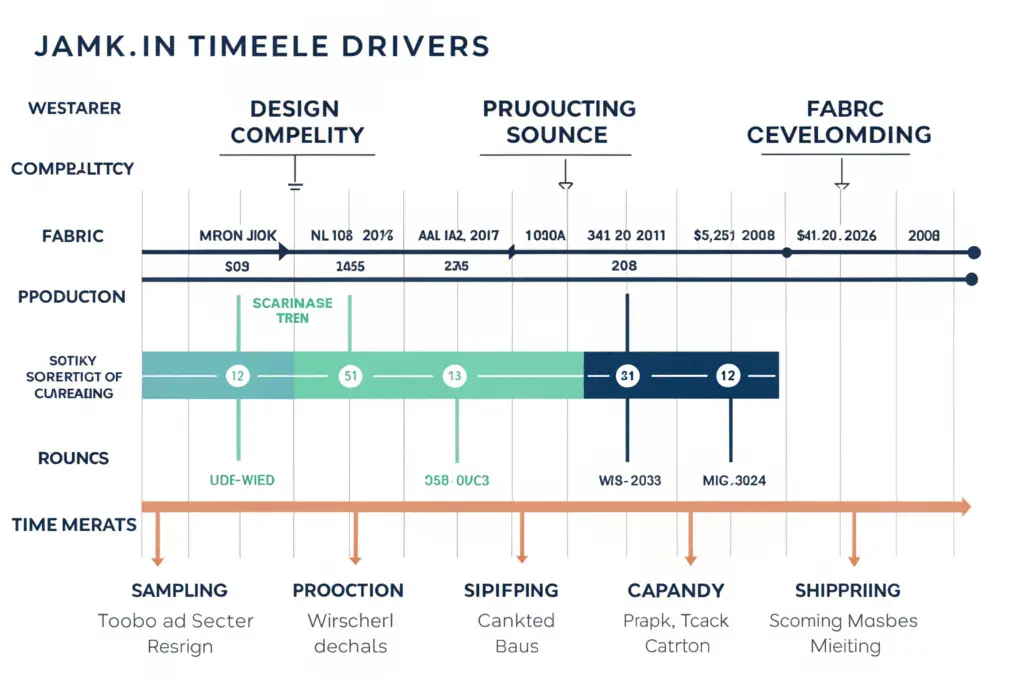
Custom design timelines reflect the full manufacturing journey: 1–3 weeks sampling, 4–8 weeks bulk cut-and-sew, plus 1–5 weeks shipping—totaling 8–20 weeks. Factories must schedule looms, dye lots, and sewing lines specifically for your order, which introduces variability if fabric mills face delays.
Ready-made slashes this to 2–4 weeks (or faster with in-stock blanks), as goods are already produced and awaiting embroidery, printing, or private labeling. For procurement managers racing seasonal drops, ready-made delivers immediate cash-flow advantages; for product developers iterating on heavyweight silhouettes, custom design ensures precise GSM and construction integrity. Real-world 2026 data confirms that brands using hybrid models (initial ready-made testing followed by custom design scaling) reduce overall lead times by 40%.
What is garment quality assurance and quality control?
Quality, Durability, and Fabric Control
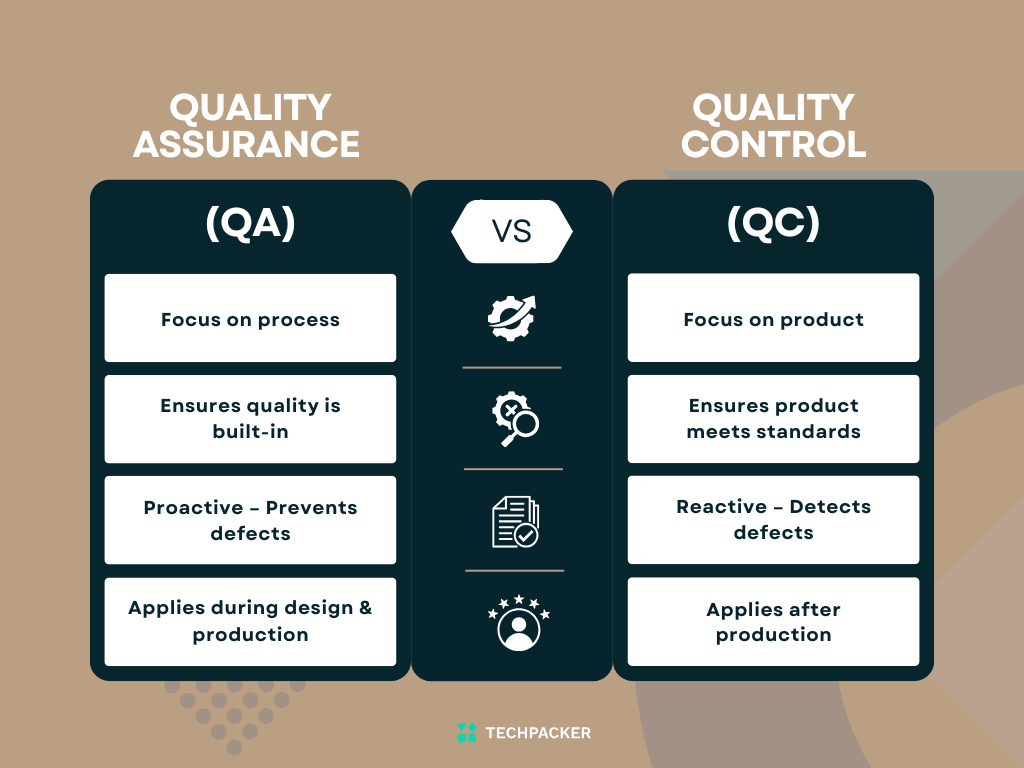
Here the factory advantage of custom design shines. Brands specify exact GSM (e.g., 500gsm+ for premium sweatsuits or 600gsm hoodies), choose OEKO-TEX certified fabrics, and enforce multi-stage QC—pre-production, in-line, and final 2.5 AQL inspections. Post-20-wash deformation rates drop 60% versus standard ready-made fleece when using reinforced ribbing and precise shrinkage control.
Ready-made relies on mill-standard fabrics (often 280–380gsm), limiting durability tweaks. While quality can be solid, you inherit whatever batch the factory had in stock. Procurement teams prioritizing long-term brand equity consistently report custom design yielding 2–3× longer product lifecycles, directly supporting premium pricing and repeat purchases.
Design Flexibility and Restrictions
Custom design removes virtually all limitations: unlimited colorways, proprietary prints, unique silhouettes, and hardware. Factories handle full pattern making, grading across 8–12 sizes, and techniques like oversized drops or reinforced seams. The trade-off? Design approval loops add 1–2 weeks.
Ready-made restricts you to existing blanks—fixed necklines, sleeve lengths, and fabric weights. Customization is limited to screen printing, embroidery, or heat transfer. For streetwear brands chasing trend drops, ready-made wins on speed; for heritage or performance labels, custom design protects intellectual property and market positioning.
Best-Fit Scenarios by Brand Stage
Startups and early-stage brands (under $500K revenue) benefit from ready-made for rapid validation with minimal capital. Growth-stage brands (scaling to 5–10 SKUs) shift toward custom design once demand data justifies the MOQ investment. Mature brands blend both—using ready-made for replenishment and custom design for hero products that command 30–50% higher margins.
Decision Tree Summary (Markdown Table for Clarity):
| Brand Stage | Primary Need | Recommended Solution | Key Metric to Watch |
|---|---|---|---|
| Startup | Speed & low risk | Ready-made | Time-to-first-sale <4 weeks |
| Growth | Differentiation | Hybrid (test ready-made → scale custom design) | Sell-through >65% |
| Mature | Margin & exclusivity | Custom design dominant | GSM ≥500, MOQ efficiency |
Procurement Decision Guidelines
Evaluate your 2026 roadmap: if launching 3+ collections annually with tight cash flow, prioritize ready-made suppliers offering low-MOQ blanks. If building a signature aesthetic around heavyweight fleece or technical outerwear, invest in custom design partners who control the entire chain. Always request current fabric swatches, wash-test reports, and reference 2025 production photos before signing.
FAQ
Q: Can the MOQ for custom design be lowered further?
A: Yes—factories achieve 50-piece MOQs by combining orders on existing fabric rolls or leveraging in-house stock. At Qianshiwear, we routinely hit 50–100 pcs for proven styles through smart production scheduling.
Q: Is custom design always more expensive per unit?
A: No. While low-volume runs cost 20–40% more upfront, total landed cost often falls below ready-made once you factor in lower deadstock and higher retail pricing power.
Q: How do lead times compare for heavyweight pieces?
A: Custom design heavyweight hoodies (500–600gsm) require 6–10 weeks due to knitting and finishing; ready-made blanks ship in 2–4 weeks but rarely exceed 380gsm.
Q: What about quality consistency?
A: Custom design delivers tighter tolerances (shrinkage <3%) because we control every process step. Ready-made varies by batch—always demand third-party lab reports.
Q: Can I mix both solutions with one supplier?
A: Absolutely. Integrated OEM/ODM factories like Qianshiwear offer seamless transitions from ready-made private label to full custom design.
Q: What is Ready-Made Apparel?
A: clothing that is mass-produced in factories using standardized, industry-average sizes rather than being custom-made for an individual.
Q: What is Custom Design Apparel?
A: clothing and accessories specifically designed, manufactured, or decorated to meet a client’s unique requirements, rather than being mass-produced.
Final Take: The 2026 Production-Line Verdict
From the cutting tables and sewing lines where thousands of garments are born daily, the bold truth in 2026 is clear: neither custom design nor ready-made is universally superior. The winners are brands that treat them as complementary tools within a flexible supply chain. As volatility in raw materials and shipping persists, the ultimate competitive edge belongs to those who can test fast with ready-made and scale with precision custom design—without sacrificing quality or margins.
Realizing this hybrid advantage requires a manufacturing partner that masters both worlds technically and strategically. This is precisely the core value of Qianshiwear—a professional OEM/ODM factory that delivers end-to-end solutions for streetwear brands worldwide. Through low-MOQ flexibility (starting at 50 pcs), in-house heavyweight fabric production (500–600gsm hoodies and sweatsuits), full customization capabilities, and rigorous QC, we help brands launch differentiated collections faster while protecting long-term profitability and brand integrity. Whether you need ready-made blanks for quick drops or true custom design for signature pieces, our vertically integrated Guangzhou facility ensures consistent quality, on-time delivery, and scalable growth.
Explore tailored solutions and request a 2026 production quote at qianshiwear.com. Your next collection deserves a partner that speaks the language of both design and production.











