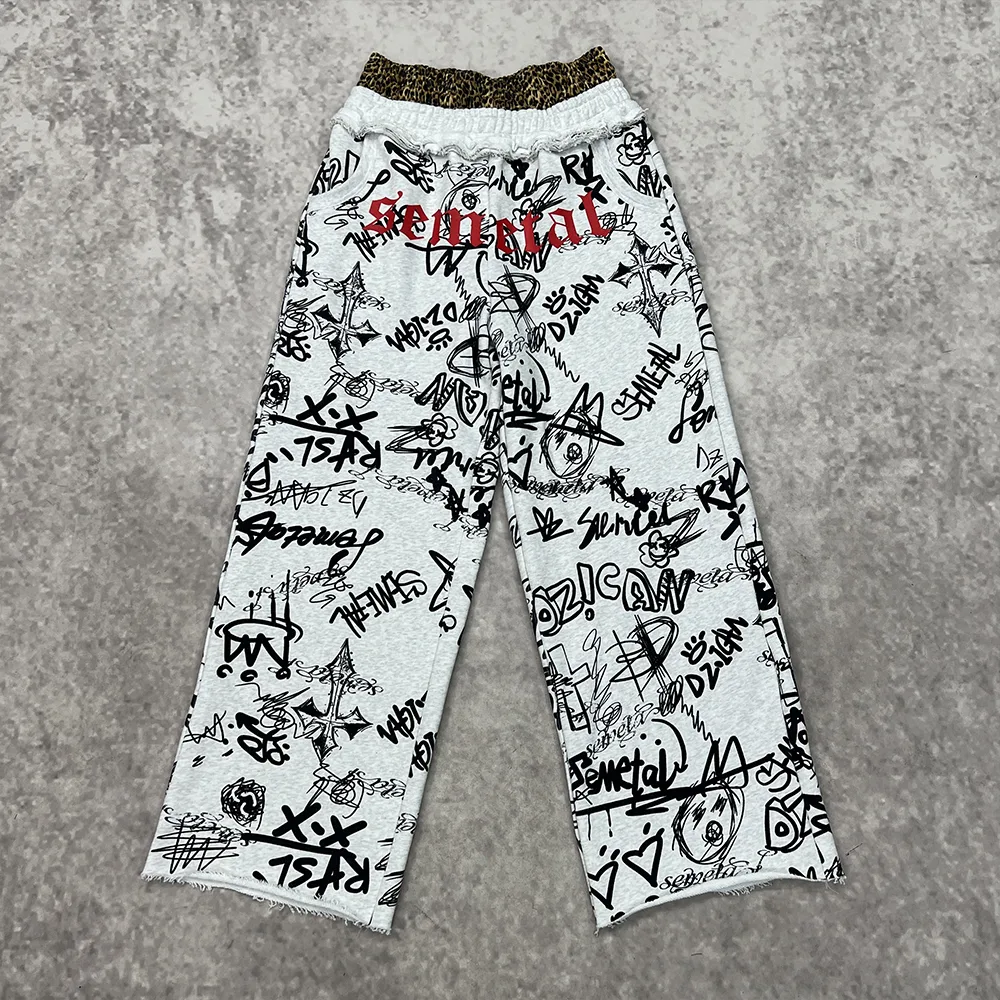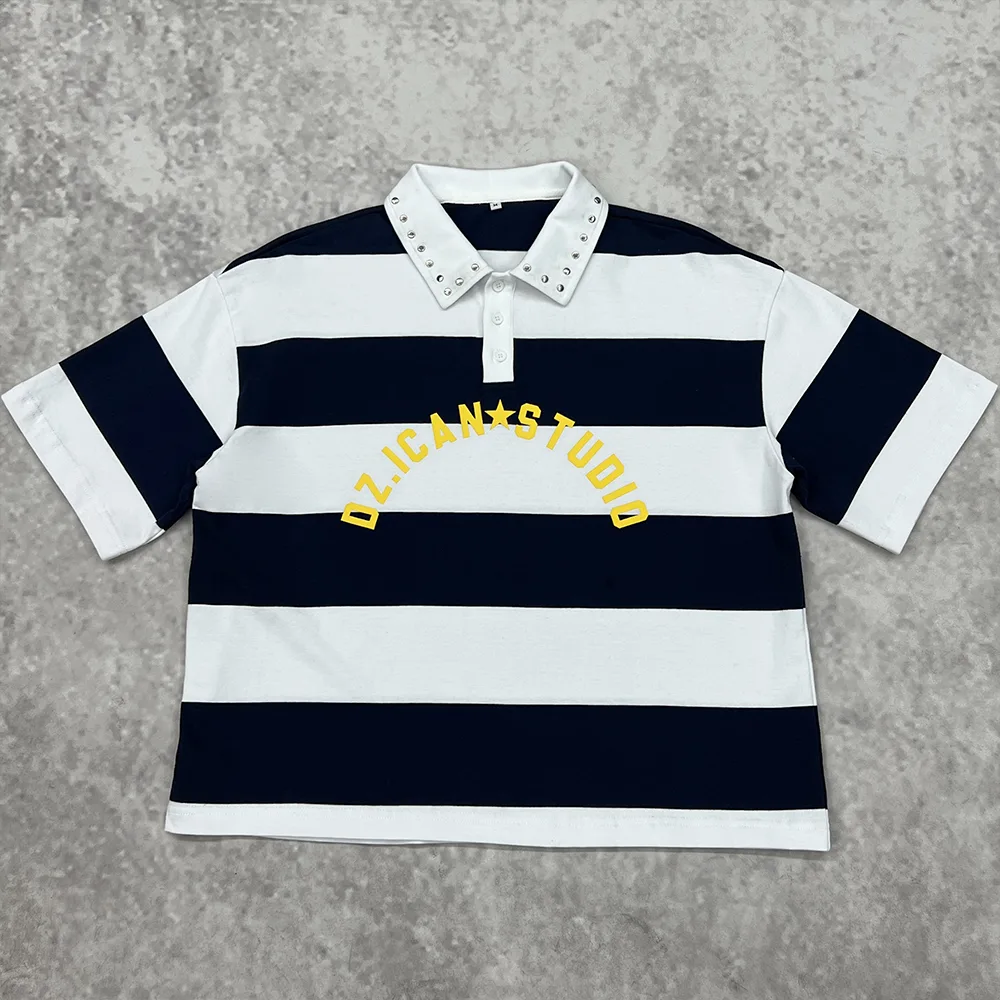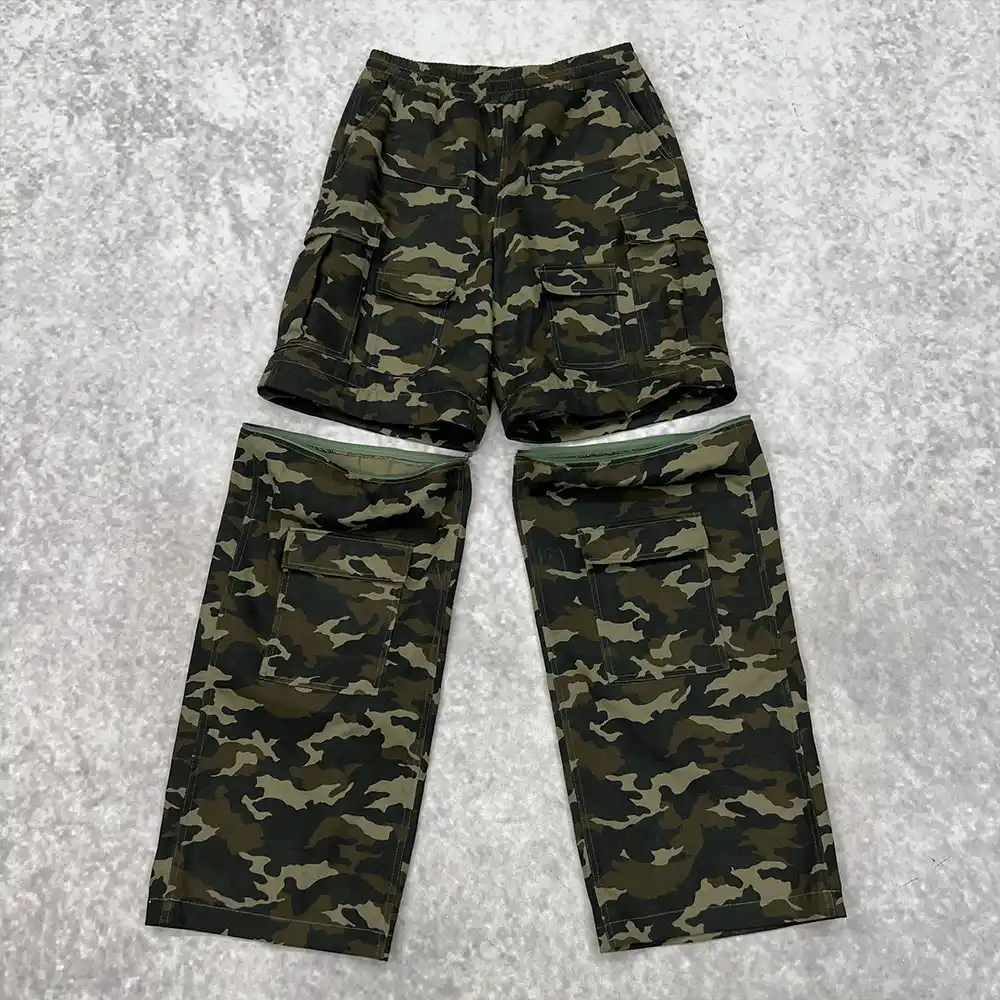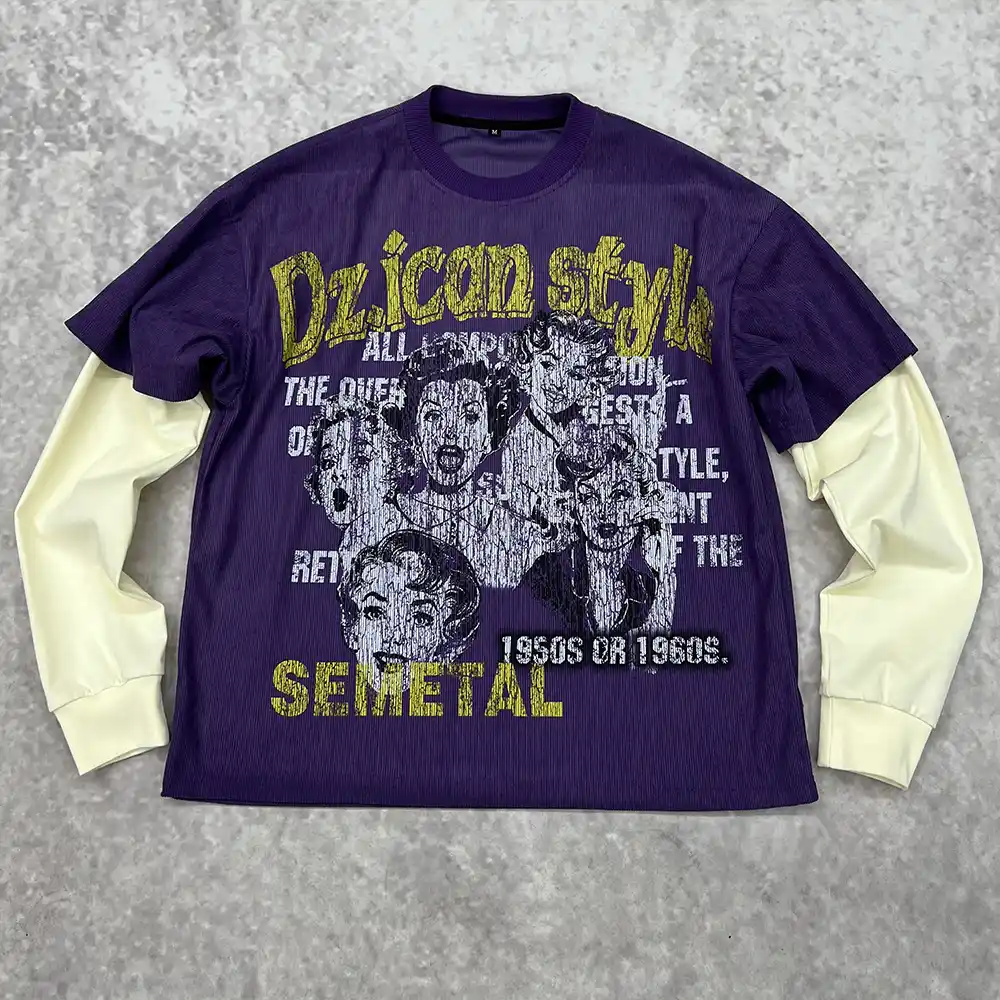
Custom streetwear fabric approval should never end with “the swatch feels good.” A swatch can look convincing and still create problems after cutting, sewing, printing, washing or repeat production. Buyers need to know exactly what is being approved, how it will be measured and which changes remain acceptable in bulk.
This is especially important for premium hoodies, oversized T-shirts, sweatpants and coordinated collections. Fabric controls silhouette, touch, decoration quality, shrinkage, color consistency and reorder stability. Start with the broader premium streetwear fabric guide, then use the questions below as a practical approval conversation with your manufacturer.

A useful fabric approval connects the swatch to the finished garment, decoration method and bulk-production standard.
Custom Streetwear Fabric Approval: 12 Critical Questions
1. What Product and Silhouette Is This Fabric For?
Begin with the finished product, not the mill catalog. A compact oversized T-shirt needs enough body to hold the shoulder and sleeve line. A relaxed hoodie may need volume without stiffness. Sweatpants need recovery at the knee and seat, while a zip set needs a surface that stays stable around zippers and pockets.
Ask the factory to explain why the proposed fabric suits the pattern, season, climate and intended retail feel. The same material may work well for a regular sweatshirt but feel too rigid in a cropped body or too heavy in a double-layer hood.
2. What Is the Exact Fiber Composition?
Do not approve vague descriptions such as “cotton blend.” Record the fiber percentages and clarify whether the composition applies to the main fabric only or also to rib, hood lining and pocketing. Cotton usually gives natural touch and strong wash character. Polyester may improve stability and drying but changes dye response, heat behavior and hand feel. Elastane adds stretch but can affect heat pressing and long-term recovery.
If composition is commercially or legally important, ask how it will be verified. A supplier declaration may be enough for early development, while larger or compliance-sensitive programs may need laboratory fiber analysis.
3. What Is the Fabric Construction and Yarn Character?
Construction explains why two fabrics with the same composition and weight behave differently. For knits, identify cotton jersey, French terry, brushed fleece, double-knit or another structure.
For hoodie development, compare the loopback breathability and brushed warmth described in French terry versus fleece for premium hoodies. The choice changes seasonal use, pilling risk, inside touch and how the garment behaves after washing.
4. Is the GSM Measured Before or After Finishing?
Always ask whether the stated GSM refers to greige fabric, dyed fabric or fully finished fabric. Dyeing, compacting, brushing and washing can change mass and dimensions. The buyer normally needs the finished GSM because that is closest to the material entering garment production.
Also define a realistic tolerance and testing condition. A single round sample from one part of one roll does not prove an entire lot is identical. Measurements should cover representative positions and rolls. For product-specific guidance, use the article on choosing fabric weight for T-shirts, hoodies and sweatpants.
5. How Should the Hand Feel and Drape Be Approved?
Hand feel should be approved physically, not through adjectives alone. “Premium,” “soft,” “dry” and “heavy” mean different things to different teams. Keep a signed or sealed swatch, then confirm the same sensation on a full garment because seams, rib, lining and garment wash change the experience.
Drape deserves separate attention. A fabric can feel soft in the hand but collapse too much on the body. Another can feel dense yet form a clean oversized silhouette. This is why hand feel matters more than GSM alone when approving premium streetwear.

GSM, construction, shrinkage and surface behavior should be checked together rather than approved as isolated specifications.
6. What Shrinkage and Skew Should Be Expected?
Ask for length and width change after an agreed washing and drying procedure. For jersey, also check spirality or skew because a side seam can rotate even when the garment remains close to its target width. Hoodies need special attention where body fabric, rib and hood lining meet.
The test condition must be written down. Results from cold washing and line drying cannot be compared directly with warm washing and tumble drying. AATCC TM135 addresses dimensional change after home laundering, while ISO 3759 covers preparation, marking and measurement for dimensional-change testing. Your factory and testing laboratory should agree on the applicable method and acceptance target.
7. Has Pilling, Fuzzing or Abrasion Been Evaluated?
Softness can come with a surface-performance trade-off. Brushed fleece may look rich at first but develop pills if fiber, yarn, brushing or finishing is unstable. Loose jersey fibers can create a fuzzy print surface. Denim and twill may show abrasion at seams and pocket edges.
Ask what test or wear trial fits the end use, how the result is graded and whether the approved sample represents the final bulk finish. Do not accept “anti-pilling” as a complete specification without a test method, result and agreed minimum.
8. How Will Color Be Approved and Controlled?
For a custom color, approve a lab dip under agreed lighting and identify the exact color standard. For a mill-available color, approve the physical swatch and confirm the lot that will be reserved. In both cases, ask how much side-to-side, roll-to-roll and batch-to-batch variation is acceptable.
Colorfastness should match the product risk. Dark pigment shades may need crocking checks because color can transfer through rubbing; AATCC TM8 is an established crocking test method. Laundering, perspiration and light exposure may also matter depending on the garment and market.
9. Is the Fabric Compatible With the Decoration?
Run the actual artwork method on the actual fabric. Screen print needs a stable, suitable face. DTG depends on fiber content, pretreatment and surface consistency. Puff print needs controlled curing and enough fabric stability to hold the raised effect. Dense embroidery can distort light or stretchy fabric, while rhinestones and transfers introduce heat and adhesion requirements.
Approve color, edge definition, hand, stretch, puckering and wash behavior. A generic decoration sample on a different fabric is not reliable evidence for your product.
10. What Finishing or Wash Treatment Has Been Applied?
Compacting, enzyme treatment, brushing, softener, silicone finishing, pigment dye and garment washing can change touch, dimensions and color. Ask which finish creates the approved hand and whether that finish is durable after care.
If the collection uses vintage, mineral or enzyme effects, the fabric approval must connect to the finished garment process. The guide to how wash treatments change streetwear appearance and performance explains why wash sequence, shade range and decoration testing belong in the same approval.
11. Is This an Available-Color Fabric or a Fully Custom Color?
This question prevents a common misunderstanding. Using an available mill color does not mean the garment is taken from existing blank stock. Qianshiwear can still develop the pattern, source the selected fabric, cut every panel, sew the garment, apply labels and decoration, and complete QC from the beginning.
For development quantities such as 50 pieces per color per design, the practical route is often to select the closest suitable color already produced by the fabric mill. When a brand needs fabric dyed to an exact Pantone target, the fabric-color MOQ is normally at least 300 pieces per color, subject to fabric type and mill requirements. The detailed comparison of custom fabric development versus available-color fabric explains this distinction.
| Approval route | What remains customized | Best use | Main question |
| Mill-available fabric color | Pattern, cut and sew, trims, labels, decoration, wash and packaging | Development runs and market testing | Is enough matching fabric reserved for the order? |
| Custom Pantone fabric color | Everything above plus fabric dye development | Established colors and scalable core products | Can the program meet the fabric mill MOQ and lead time? |
| Fully custom fabric construction | Composition, yarn, knit or weave, GSM, finish and color | Signature products and repeat collections | Is forecast demand strong enough to support development? |
12. How Will Bulk Fabric and Reorders Match the Approval?
Ask which physical standard will control bulk: the approved swatch, lab dip, test report, pre-production garment or a combination. Confirm incoming fabric inspection, roll mapping, shade grouping, GSM checks and the process for handling out-of-range material.
Reorders need their own plan. Available colors may be discontinued, custom recipes can shift with new raw materials, and a fresh lot may not perfectly match an old retained garment. Keep a sealed approval swatch and finished garment, record the supplier and lot, and require a new confirmation when a repeat order uses a new fabric batch.

Bulk approval should compare shade, touch, measurements and finished-garment behavior against retained physical standards.
A Practical Fabric Approval Record
The approval record should state the fabric code, supplier, composition, construction, finished GSM and tolerance, color reference, hand-feel standard, shrinkage result and method, pilling or abrasion requirement, finishing process, decoration result, MOQ, lead time and reorder plan. Attach clear photos, but keep a physical swatch because screens cannot reproduce touch, thickness or exact color.
Record who approved the fabric and when. If the buyer later changes the wash, artwork, color or silhouette, reopen the relevant checks rather than assuming the first approval still applies.
Frequently Asked Questions
Can buyers approve fabric from photos or video?
Photos and video are useful for narrowing options, but they cannot confirm hand feel, drape, exact color, thickness or surface recovery. Final approval should use a physical swatch and, for important styles, a finished sample.
Is a fabric test report always necessary?
Not every early sample needs a full laboratory program. Testing should scale with order value, product risk, market requirements and performance claims. Shrinkage, color behavior and decoration compatibility are practical priorities for most premium streetwear programs.
Should the buyer approve fabric before the fit sample?
Ideally, the fit sample should use the intended fabric or a very close development substitute. Drape, stretch and shrinkage influence fit. If substitute fabric is used, a later sample in the confirmed bulk fabric may be required before production.
How much fabric variation is normal?
Textiles are not perfectly identical, but acceptable variation should be defined. GSM tolerance, shade band, shrinkage range and surface appearance should match the product and be agreed before bulk cutting.
What is the biggest fabric approval mistake?
Approving one attractive swatch without connecting it to testing, decoration, garment construction and repeat production. The swatch is evidence, not the entire approval system.
Final Recommendation
Buyers should approve fabric as a production system, not a mood-board material. Define the product first, then lock composition, structure, finished GSM, hand feel, shrinkage, surface performance, color, decoration compatibility and continuity. The more distinctive the fabric or finish, the more important physical standards and repeatable test conditions become.
Qianshiwear can coordinate fabric sourcing or development with pattern making, sampling, decoration trials and bulk QC. This keeps the fabric decision connected to the finished garment and gives growing and established brands a clearer route from first approval to consistent repeat production.