What Is Full-Service Manufacturing? From Yarn to Finished Garment Explained (2026 Guide)

Full-service manufacturing connects material development, garment production, decoration, QC, and packing through one managed workflow.
If you have sourced apparel overseas, you have probably seen factories describe themselves as offering full-service manufacturing. The phrase sounds impressive, but its meaning varies.
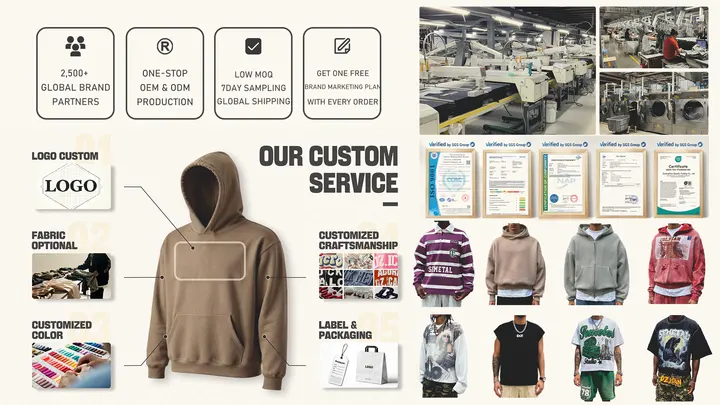
Some suppliers mean they can cut and sew garments. Others coordinate pattern making, fabric sourcing, printing, washing, quality control, packaging, and export support through internal teams and specialist partners. A true full-service apparel manufacturing partner manages the complete production journey through one accountable project team.
For growing fashion brands, that can reduce communication gaps and sample-to-bulk risk. It does not remove the buyer’s responsibility to approve specifications, test materials, or verify compliance. The value is coordinated control, not a promise that nothing will go wrong.
What Is Full-Service Manufacturing in Apparel?
Full-service manufacturing is a production model in which one manufacturer coordinates the major activities required to turn a product idea into packed finished garments. The scope normally begins with design or tech-pack review and continues through development, sourcing, production, inspection, and delivery preparation.
| Production stage | Typical full-service support | Buyer approval still required |
| Product planning | Feasibility review, cost drivers, construction advice | Target product, market, budget |
| Technical development | Tech-pack review, pattern making, grading | Measurements, fit, tolerances |
| Materials | Fabric, rib, trims, labels, packaging sourcing | Composition, GSM, color, handfeel |
| Sampling | Proto, fit, decoration, pre-production samples | Written sample approval |
| Bulk manufacturing | Cutting, sewing, decoration, washing, finishing | Changes and production release |
| Quality control | Incoming, inline, measurement and final checks | Standards and disposition of failures |
| Delivery preparation | Labels, folding, polybags, cartons, export documents | Packaging and shipping instructions |
Not every process must sit inside one building. A full-service manufacturer may use a fabric mill, dye house, embroidery workshop, washing plant, testing laboratory, or logistics provider. What matters is that the lead manufacturer discloses the production scope and remains responsible for schedule coordination, specifications, and quality control.
Full-Service Manufacturing From Yarn to Finished Garment
“From yarn to garment” describes the connected value chain behind apparel. Not every order starts by developing custom yarn; many brands select existing fabric qualities. Still, understanding the full route helps buyers see where cost, lead time, MOQ, and performance are created.
1. Product Brief and Tech-Pack Review
The process begins with the target customer, garment type, fit, quantity, price level, launch date, destination market, and quality expectations. A useful tech pack defines flats, measurements, construction, materials, artwork, labels, packaging, and tolerances.
The manufacturer should check whether the specification is complete and manufacturable. Conflicting measurements, an unstable seam, artwork crossing a bulky join, or an unsuitable fabric should be raised before sampling. Qianshiwear’s design-to-delivery production process shows how tech packs connect with fabric, decoration, labels, and bulk manufacturing.
2. Yarn, Fiber, and Fabric Strategy
Fiber composition affects handfeel, moisture behavior, strength, shrinkage, pilling, dye response, care instructions, and cost. Yarn count, twist, spinning method, and blend influence the final fabric, while knitting or weaving determines structure.
For streetwear, a buyer might compare cotton jersey, cotton-polyester fleece, French terry, interlock, or rib. GSM describes fabric mass per square meter, but GSM alone does not guarantee quality. A dense 300 GSM fabric can behave differently from a lofty 300 GSM fabric because yarn, construction, finishing, and brushing also matter.
3. Knitting or Weaving
Knitted fabrics are common for T-shirts, hoodies, sweatshirts, and fleece sets because they stretch and drape comfortably. Woven fabrics are often used for shirts, trousers, jackets, and structured cut-and-sew panels.
Custom fabric development may introduce mill minimums and longer lead times. For lower MOQ orders, a full-service partner may suggest an available base fabric in a suitable composition, GSM, and color, then customize the garment through fit, wash, decoration, trims, and labels.
4. Dyeing and Fabric Finishing
Dyeing establishes color, while finishing changes the fabric’s handfeel, dimensional stability, surface, or performance. Processes may include brushing, compacting, enzyme treatment, softening, peaching, or pre-shrink finishing.
Buyers should approve a color reference or lab dip where applicable and define expectations for shrinkage, colorfastness, spirality, pilling, and shade variation. Testing should match the fabric, destination market, and intended care method rather than relying on a generic “premium fabric” claim.
5. Fabric and Trim Inspection
Before cutting, fabric can be checked for visible defects, width, shade, usable quantity, weight, and other agreed requirements. Rolls may need shade grouping so panels from noticeably different dye lots are not combined in one garment.
Rib, thread, zippers, snaps, drawcords, labels, and decoration materials also need approval. A small mismatch in rib recovery or zipper length can affect fit and appearance across an entire order.

Material, construction, and decoration decisions should be approved together before bulk production.
6. Pattern Making, Fit, and Grading
Pattern makers convert the design and measurement chart into production pieces. The first sample tests silhouette, balance, construction, and assembly. Fit comments should refer to measured points and visible issues, not only broad reactions such as “make it looser.”
After the base size is approved, grading creates the size range. Grading is not simply adding the same amount everywhere: neckline, shoulder, body width, sleeve, rise, and length may need different rules. Confirm measurement tolerances before bulk production so inspection decisions are consistent.
7. Sample Development and Approval
A project may use a prototype, fit sample, size set, decoration sample, wash sample, and pre-production sample. The exact sequence depends on complexity. A basic printed T-shirt may need fewer rounds than a garment-dyed hoodie with appliqué, embroidery, and custom hardware.
The approved production standard should record fabric, GSM, color, measurements, seam construction, artwork size and placement, decoration effect, labels, finishing, and packaging. Bulk should not begin while critical details remain described only in chat messages.
8. Bulk Cutting and Sewing
After approvals and material checks, markers are prepared and fabric is spread and cut. Shade groups, nap direction, print direction, panel matching, and fabric relaxation may matter depending on the material.
Sewing quality depends on correct machines, attachments, thread, seam type, stitch density, tension, operator skill, and inline supervision. First-piece approval at the line can identify construction errors before large quantities are assembled.
9. Printing, Embroidery, and Special Techniques
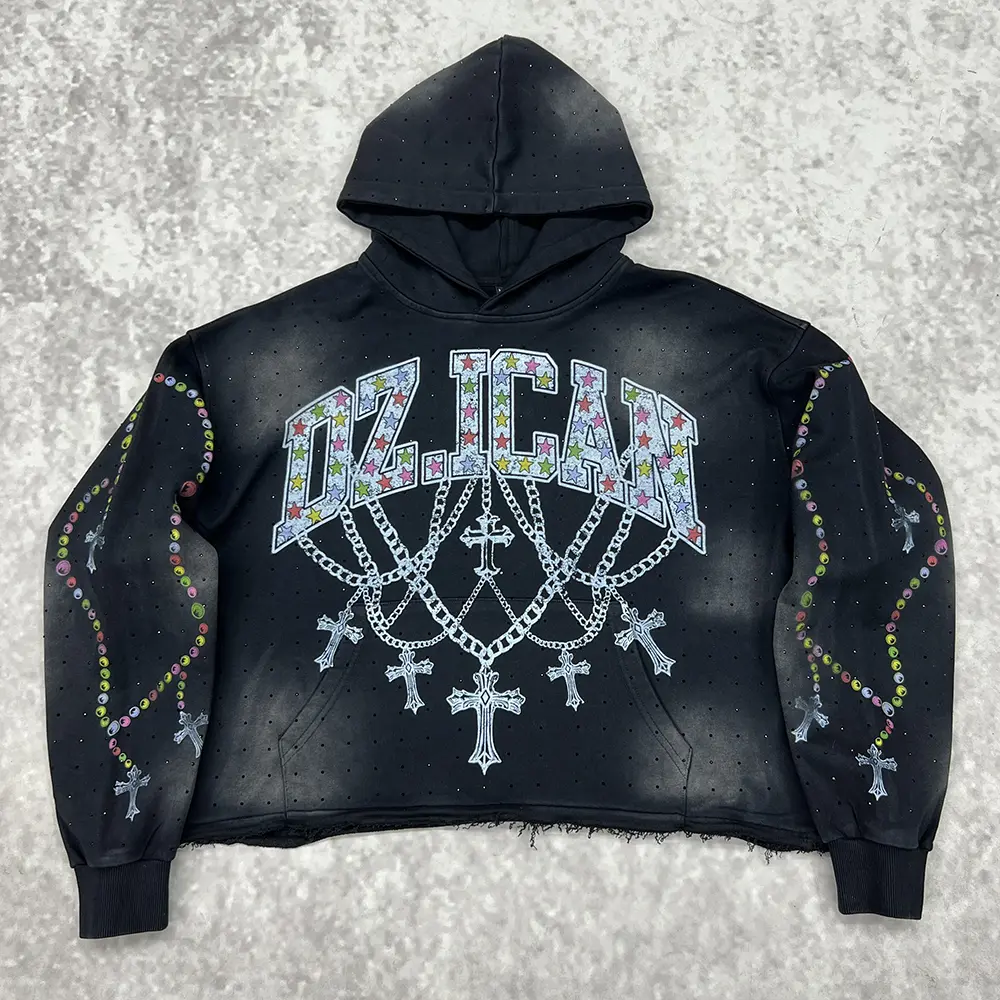
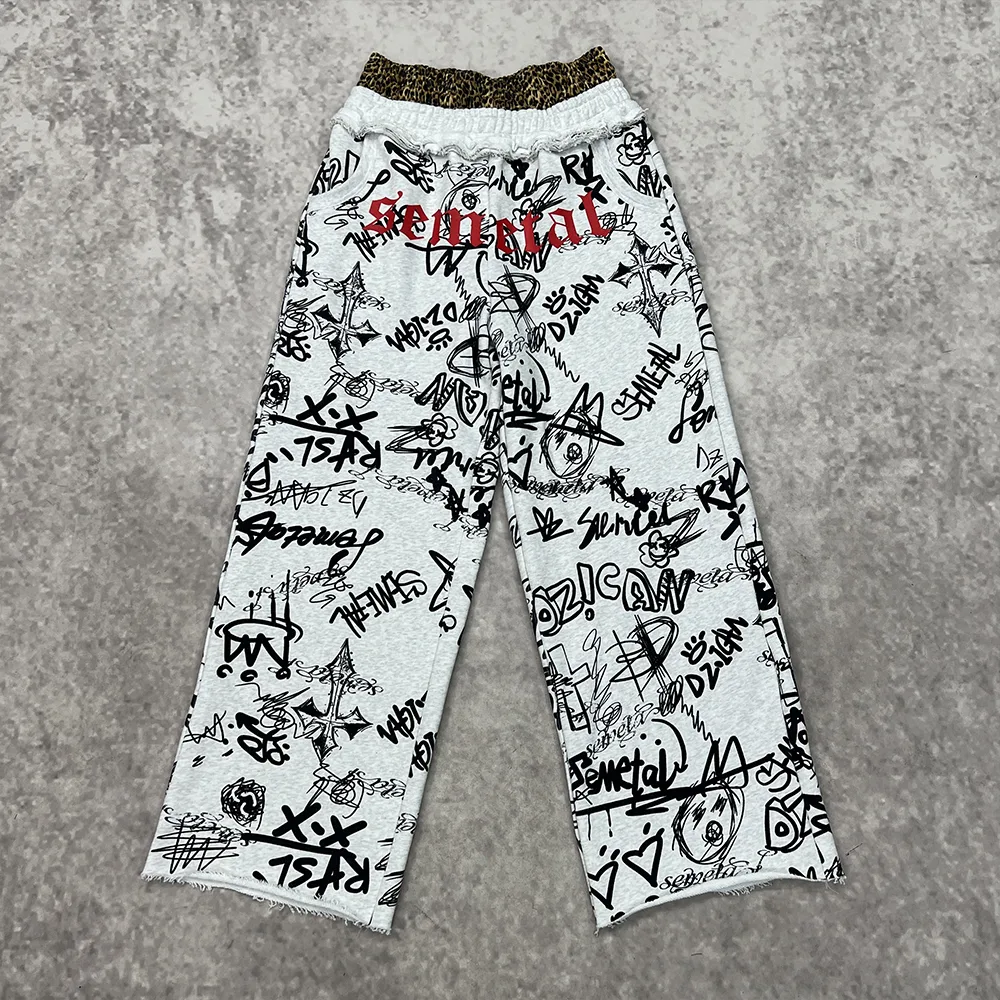
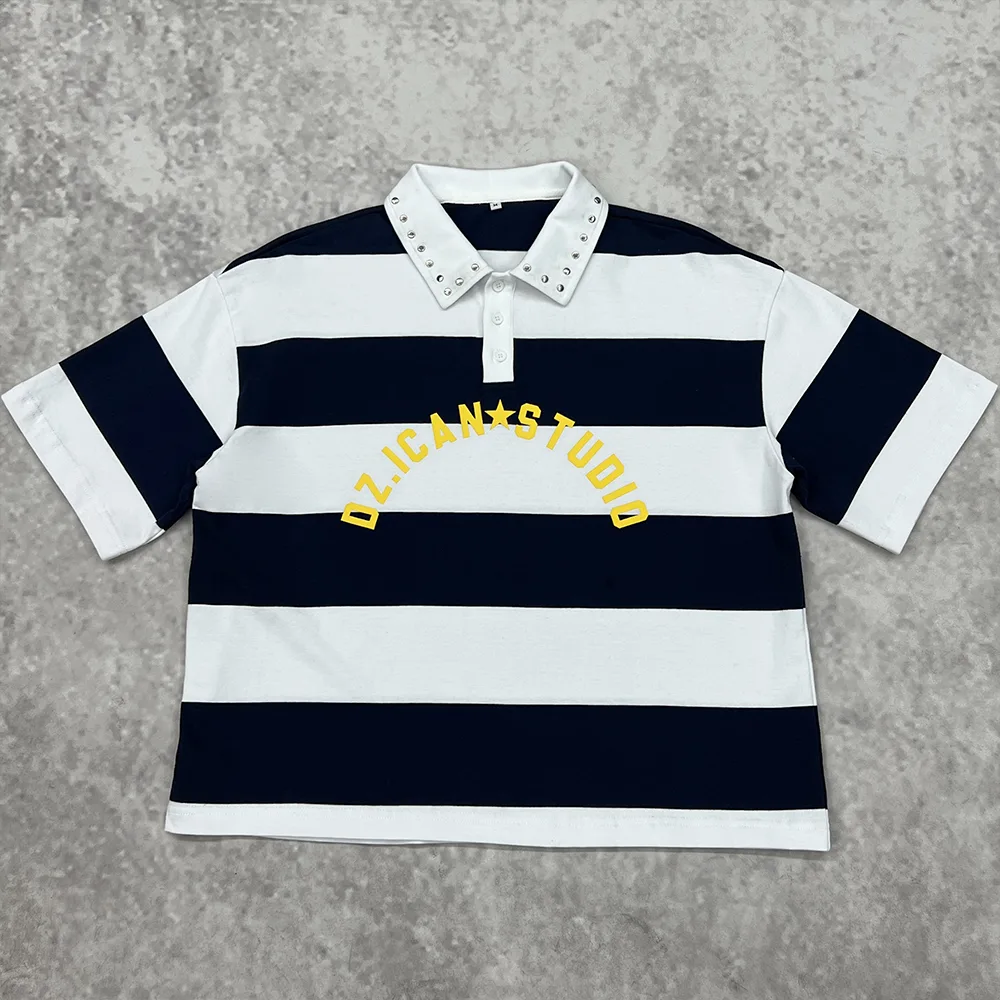
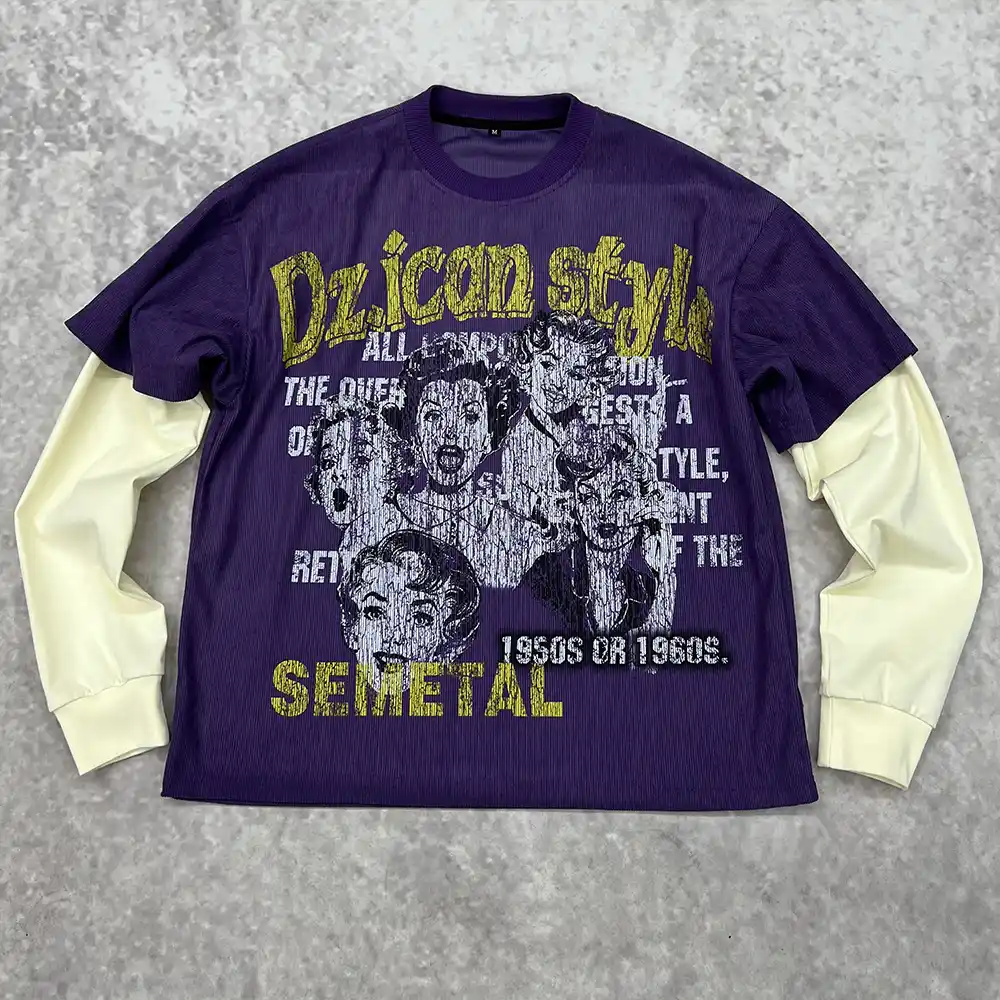
Full-service production may coordinate screen printing, DTG, heat transfer, puff printing, embroidery, chenille, appliqué, rhinestones, garment washing, or garment dyeing. Technique selection should consider fabric surface, stretch, color, design detail, handfeel, durability, order quantity, and budget.
For example, screen printing can suit repeat quantities and bold graphics, while DTG may support detailed artwork and lower setup quantities on compatible cotton-rich garments. Embroidery adds texture but can distort lightweight fabrics without suitable backing or construction planning. Buyers can compare these options through Qianshiwear’s custom screen-printing garment examples.
10. Washing and Finishing
Washing can soften garments, reduce residual shrinkage, or create vintage, faded, mineral, or distressed effects. Because wash appearance can vary, buyers should approve a physical standard and an acceptable range rather than expect every piece to be visually identical.
Finishing may include thread trimming, pressing, stain removal, measurement checks, attaching tags, and preparing garments for final inspection. The order of decoration and washing matters because heat, chemicals, and abrasion can change prints, embroidery, labels, or trims.
11. Quality Control
Quality control should occur throughout production, not only after packing. Incoming material inspection, cutting checks, first-piece approval, inline sewing inspection, decoration checks, measurement audits, and final inspection each catch different problems.
Agree in advance on specifications, measurement tolerances, defect classifications, inspection method, and corrective action. If goods fail, the team should identify affected quantities, contain the issue, rework when possible, and reinspect before shipment release.

Final inspection confirms measurements, workmanship, decoration, labeling, and packing against the approved standard.
12. Labels, Packaging, and Shipment Preparation
Finished garments may require brand labels, size labels, fiber and care labels, hangtags, barcodes, folding instructions, polybags, carton marks, and assortment ratios. Requirements depend on the buyer, destination market, sales channel, and product.
For the United States, the Federal Trade Commission explains that textile and apparel rules address fiber content, origin, responsible company identity, and care information. Buyers remain responsible for confirming the rules that apply to their products and markets.
After final release, the manufacturing team prepares packing lists and coordinates freight pickup or export support according to the agreed Incoterm. “Full service” should not be assumed to include freight, duties, or destination delivery unless the quotation states this clearly.
Why Brands Choose Full-Service Apparel Manufacturing
The strongest benefit is not simply convenience. It is the ability to manage connected decisions through one production plan.
| Buyer challenge | How coordinated manufacturing helps | What it cannot replace |
| Too many suppliers | One lead team coordinates materials and processes | Clear contracts and approvals |
| Sample-to-bulk variation | Specifications transfer across development and production | Inspection and change control |
| Unclear lead time | Dependencies are planned in one schedule | Realistic approval speed and capacity |
| Decoration problems | Fabric, construction, wash, and artwork are reviewed together | Physical tests and approved samples |
| Scaling orders | Patterns, BOMs, and standards can be retained | Capacity and material revalidation |
Does Full-Service Manufacturing Mean Everything Is In-House?
No. Vertical integration can improve control, but few apparel companies own every stage from spinning and dyeing to sewing, testing, decoration, and freight. Specialist partners are normal.
Ask which operations are internal, which are subcontracted, who approves each partner, how goods move between facilities, and who owns corrective action. The OECD garment and footwear guidance emphasizes ongoing due diligence across supply chains, which is relevant even when one lead manufacturer coordinates the project.
Full-Service Manufacturing vs. Cut-and-Sew Only
| Area | Full-service partner | Cut-and-sew factory |
| Product development | May support tech packs, patterns, fit, and materials | Usually expects production-ready inputs |
| Fabric and trims | Sources and coordinates suppliers | Buyer may provide them |
| Decoration and washing | Coordinates compatible processes | May be outside scope |
| Quality management | Across coordinated production stages | Focused on its own operations |
| Packaging and export | Often available when quoted | May be limited |
| Best fit | Brands wanting one accountable workflow | Experienced teams with their own supply network |
Neither model is automatically better. A brand with established mills, patterns, trims, inspectors, and logistics may prefer CMT or cut-and-sew capacity. A startup or growing brand may benefit from one team coordinating development and production.
Questions to Ask a Full-Service Manufacturer
- Which stages are performed in-house and which are subcontracted?
- Who sources fabric and approves substitutions?
- How are patterns, grading, and fit comments controlled?
- Which samples are required before bulk production?
- How are GSM, shrinkage, colorfastness, and shade variation checked?
- How are printing, embroidery, washing, and garment construction tested together?
- What MOQ applies to garments, fabric, trims, and decoration?
- Which QC checkpoints and measurement tolerances will be used?
- What packaging, export, and freight services are included in the quote?
Final Thoughts
Full-service manufacturing is not simply a factory that offers many processes. It is a managed system that connects product development, materials, sampling, production, decoration, quality control, packaging, and delivery preparation.
The right model depends on your team. Experienced sourcing departments may prefer to control separate specialists. Brands that need product-development support and fewer vendor handoffs may gain more value from a full-service apparel manufacturing partner.
Qianshiwear supports custom streetwear projects across tech-pack review, fabric and GSM selection, sampling, printing and embroidery, private labels, packaging, and bulk production. Brands developing custom hoodies can review its hoodie manufacturing capabilities or submit project specifications for a scope-based quotation.
Frequently Asked Questions
What is full-service manufacturing in apparel?
It means one lead manufacturer coordinates several stages, normally including technical development, sourcing, sampling, bulk production, QC, packaging, and shipment preparation. Exact scope must be confirmed in the quotation.
Is full-service apparel manufacturing more expensive?
Unit prices can be higher or lower depending on product and service scope. Compare total landed cost, development fees, testing, inspection, rework risk, and management time rather than unit price alone.
Can startups use full-service manufacturing?
Yes. It can simplify coordination for teams without established material, pattern, decoration, and QC suppliers. Startups still need clear specifications, realistic budgets, and timely approvals.
Does full-service manufacturing include OEM and ODM?
It may include either or both. OEM generally manufactures to the buyer’s specification, while ODM may contribute more design or product-development input. Ask the supplier to define ownership, scope, and deliverables.
What is the biggest advantage of full-service manufacturing?
The main advantage is coordinated accountability across connected stages. This can reduce handoff errors and improve visibility, but only when responsibilities, approvals, and quality standards are documented.