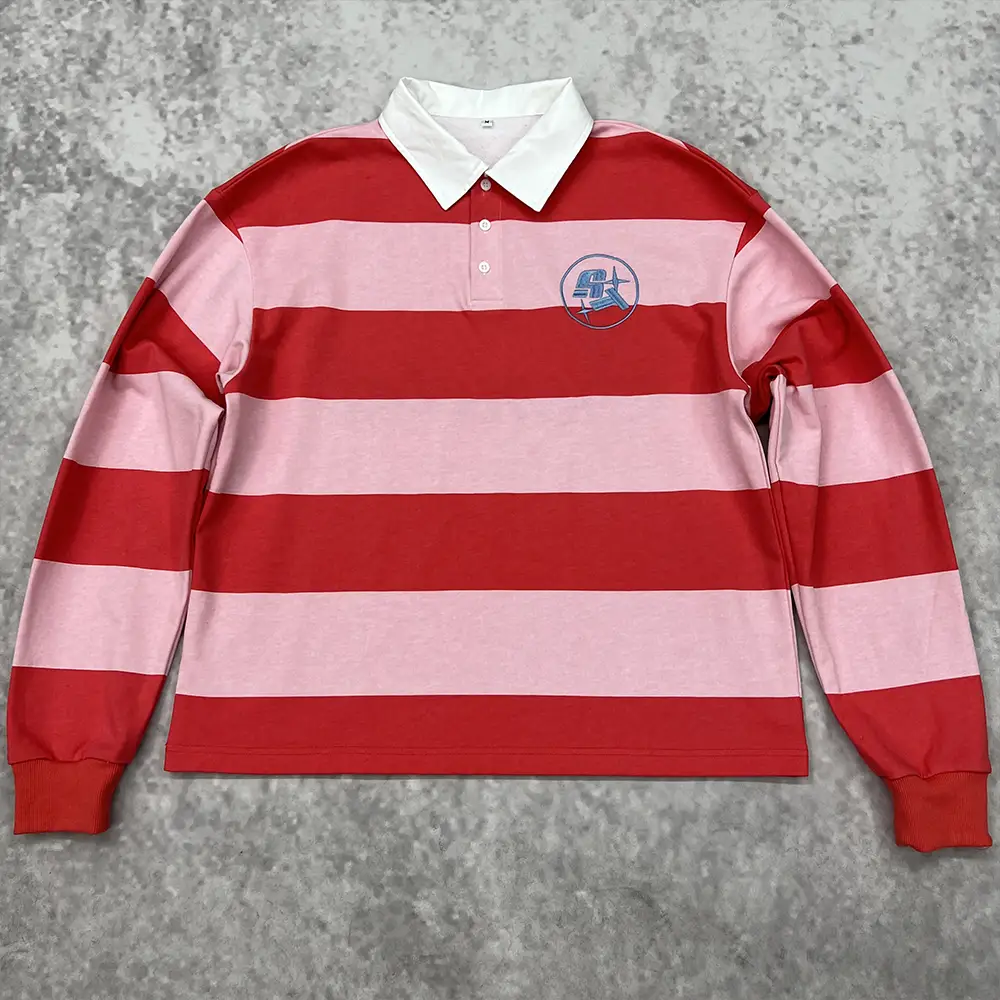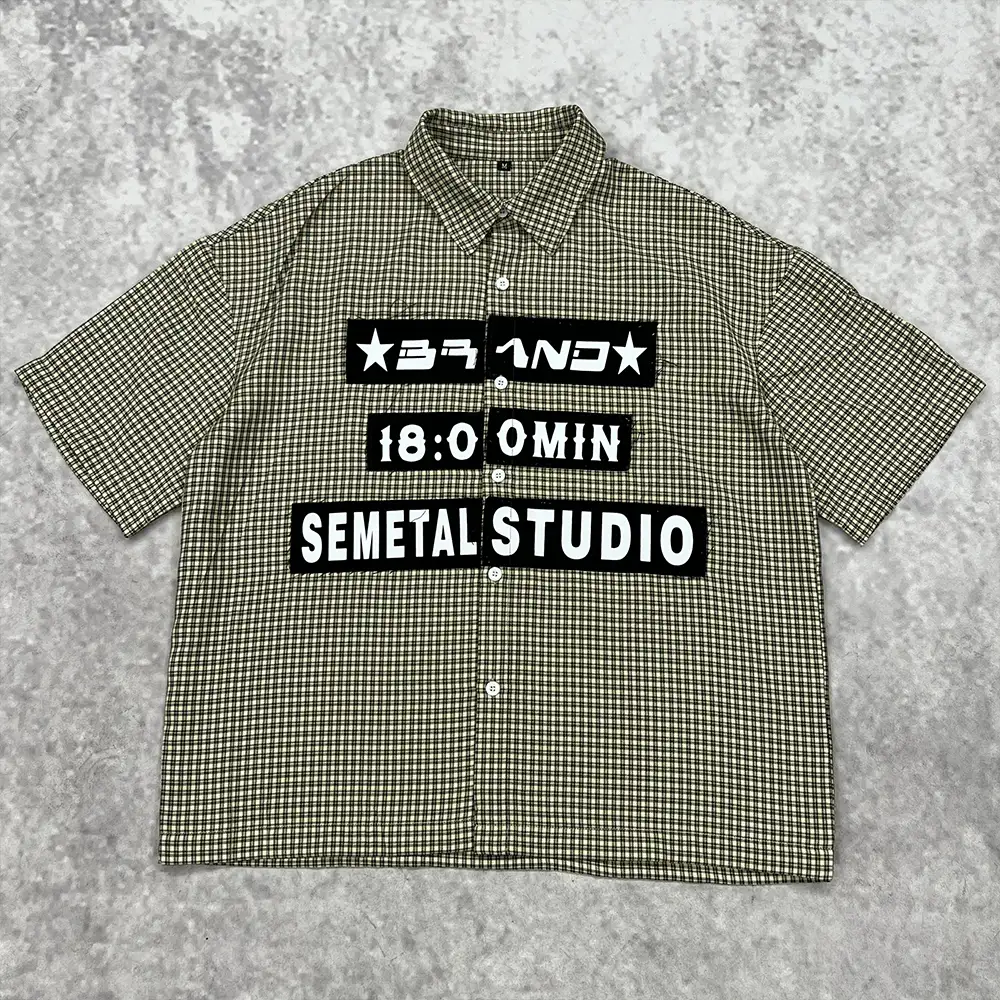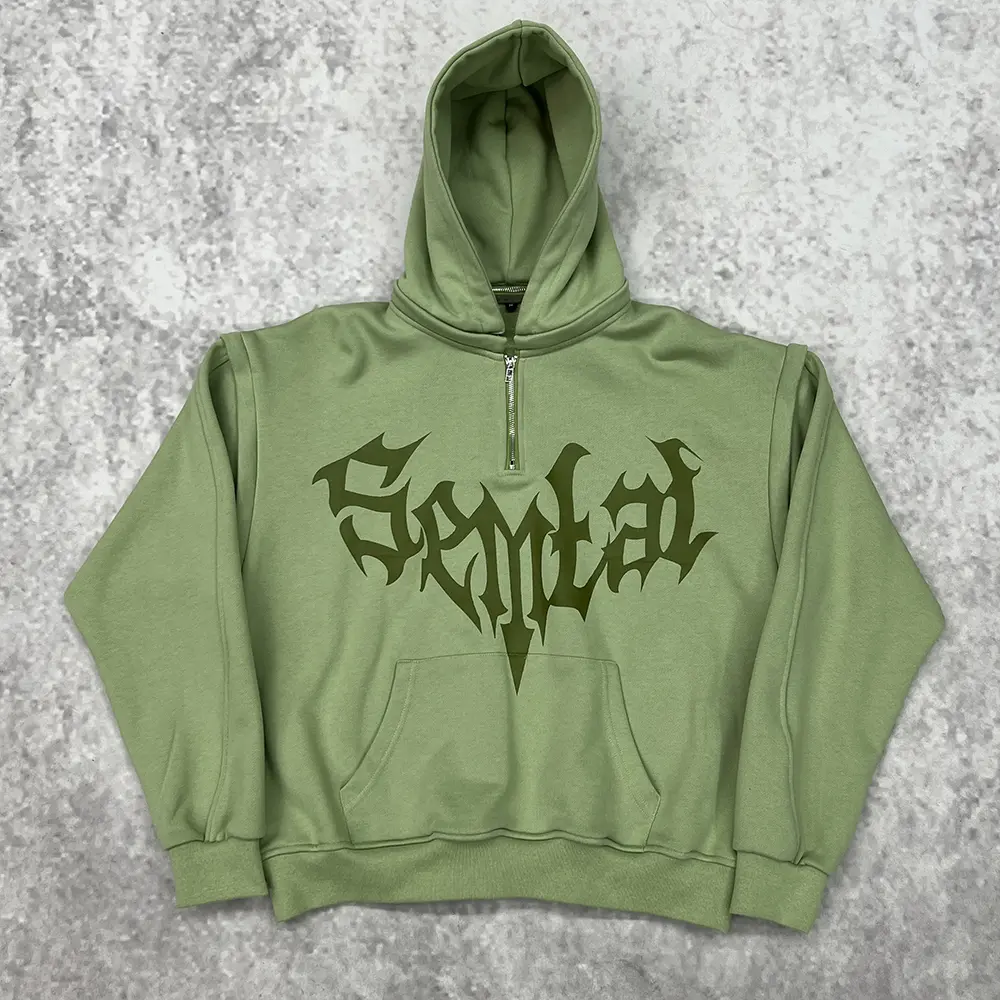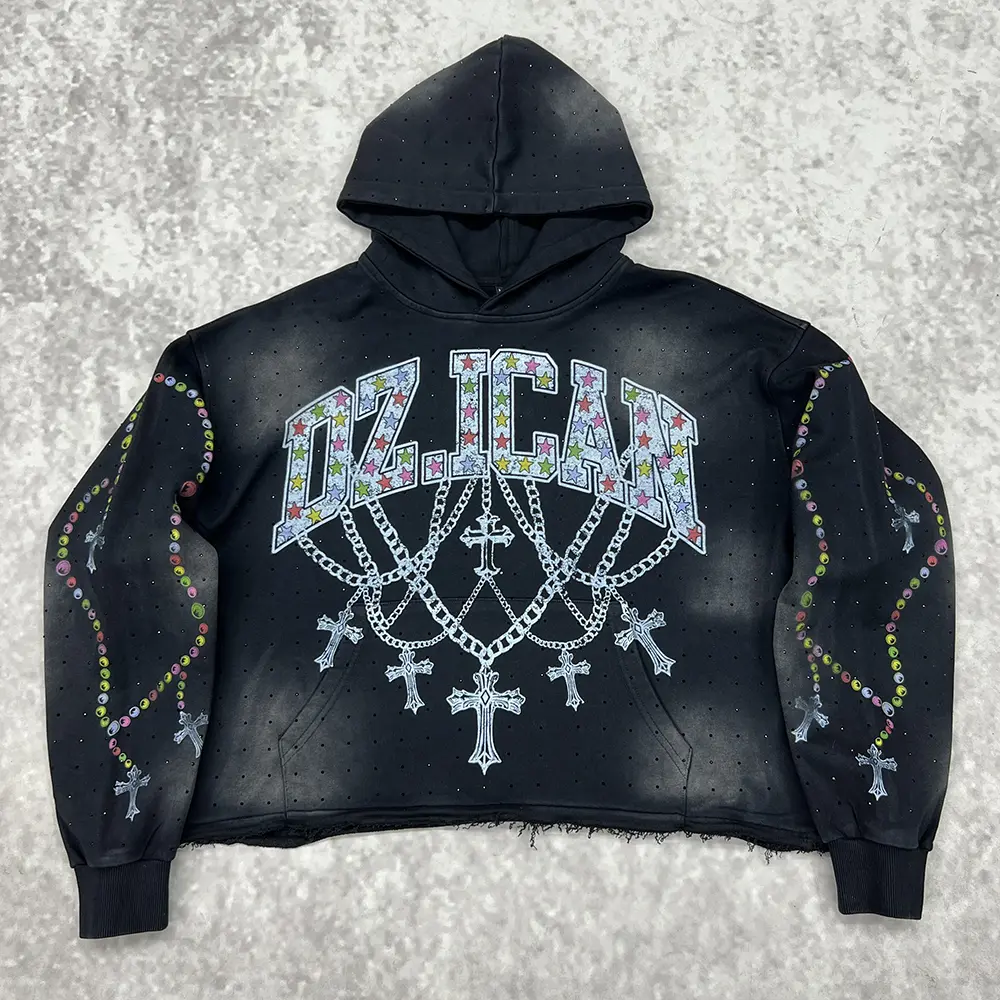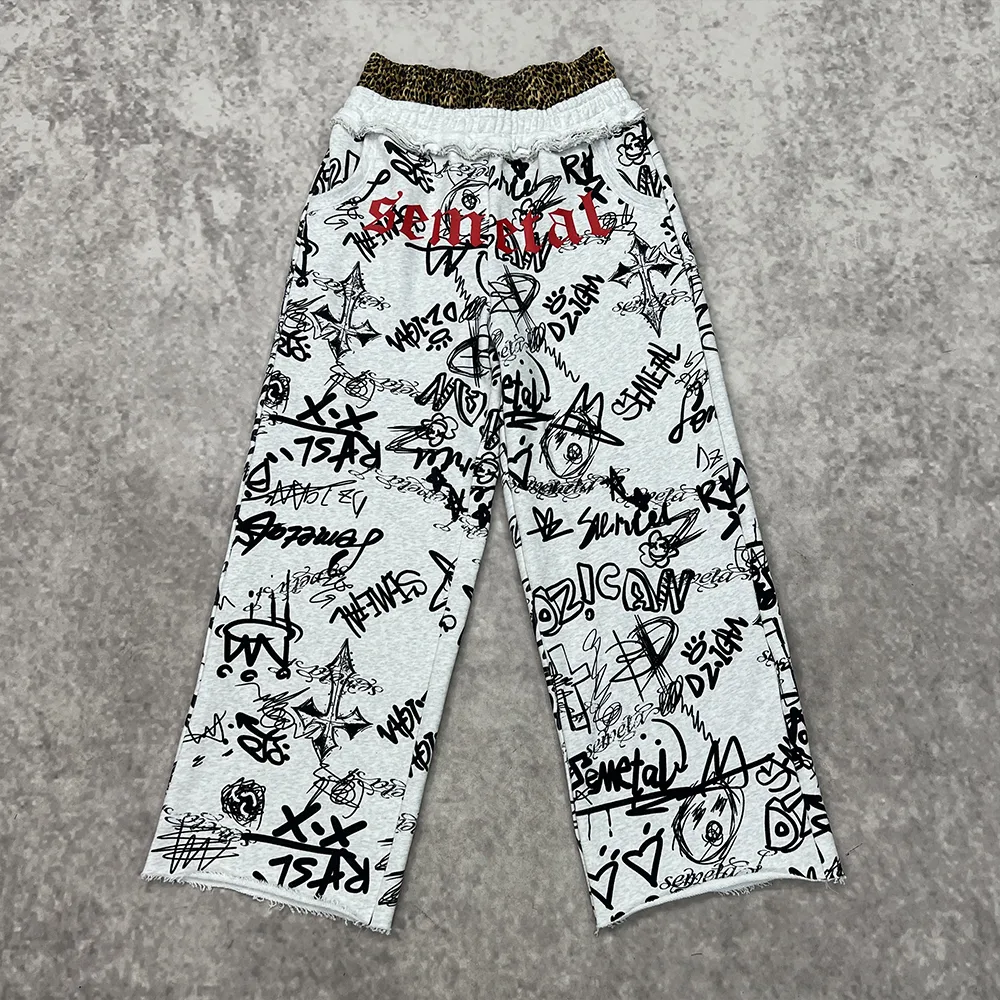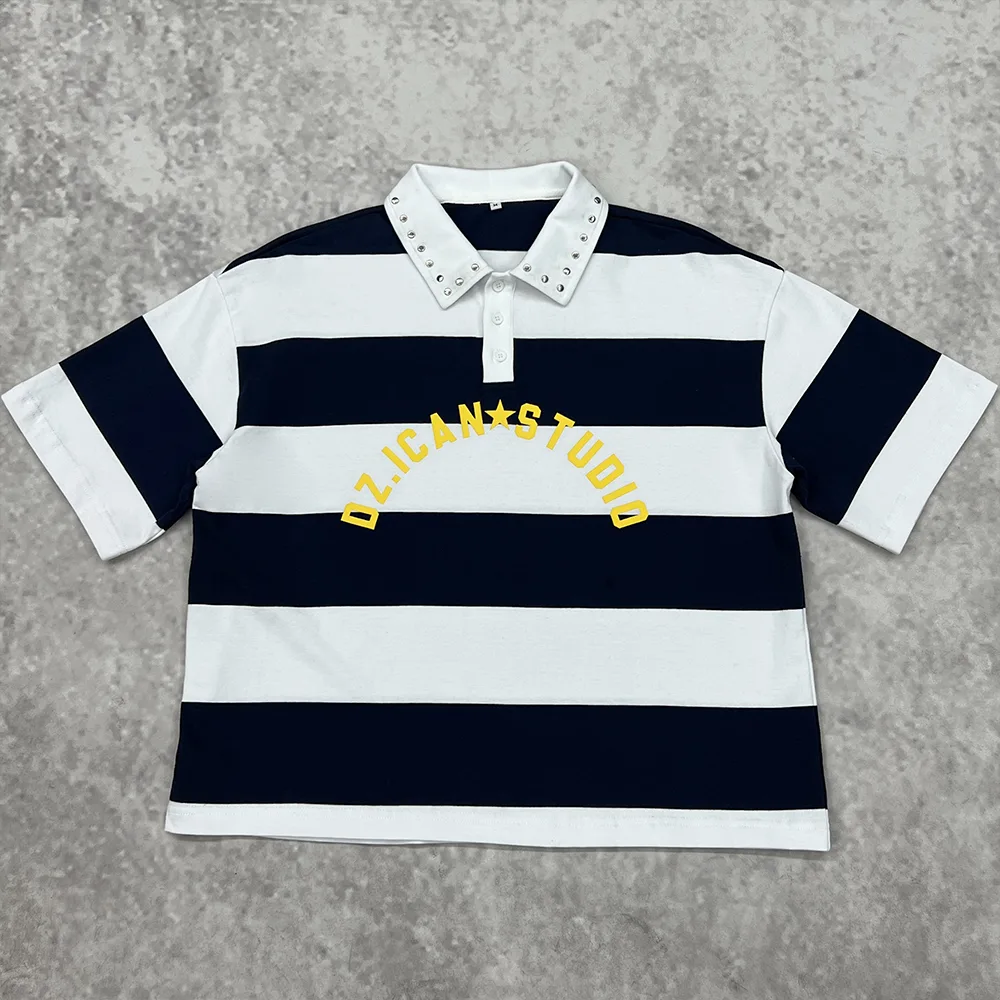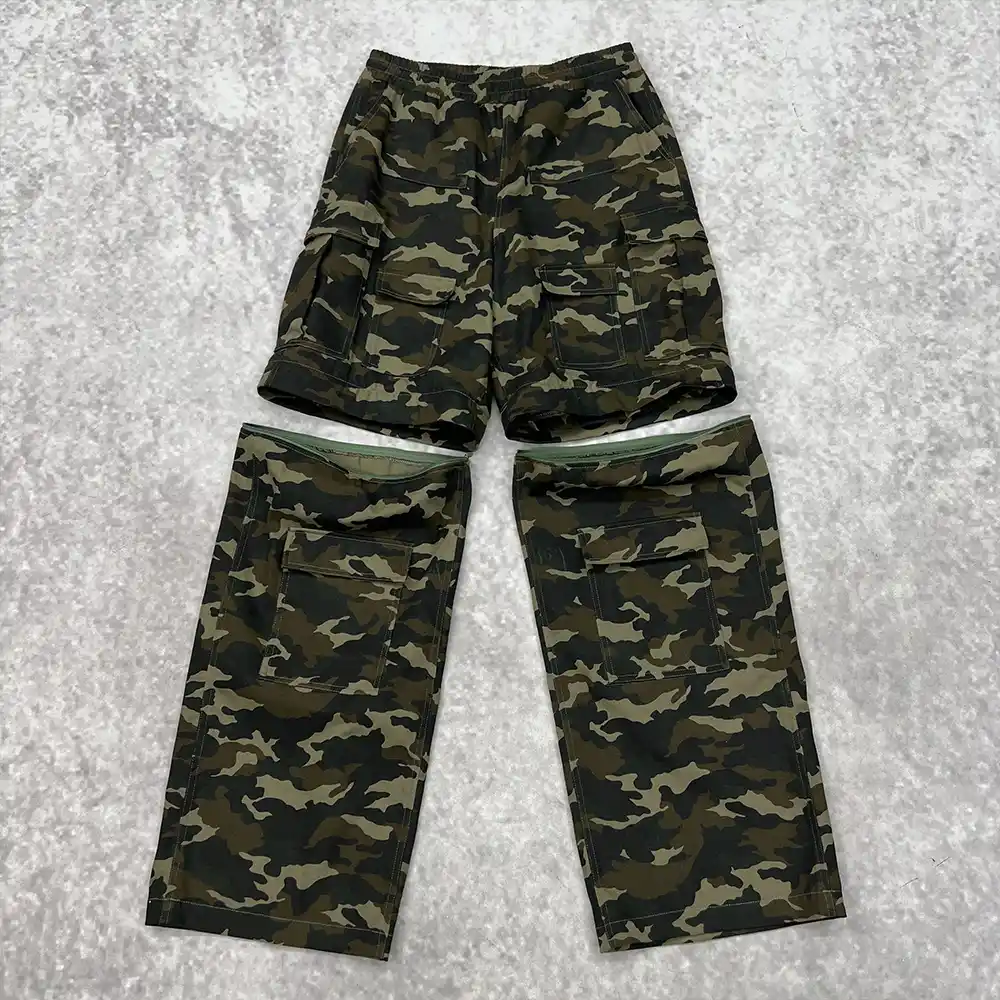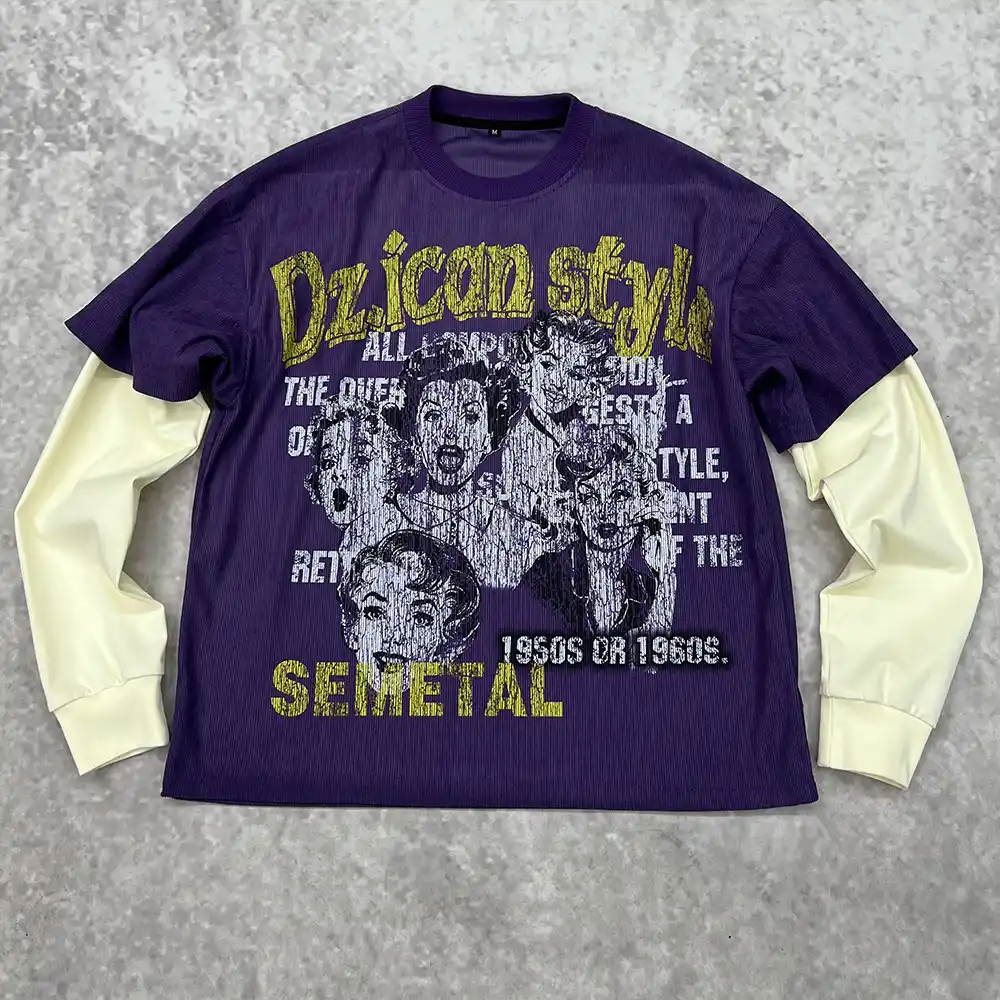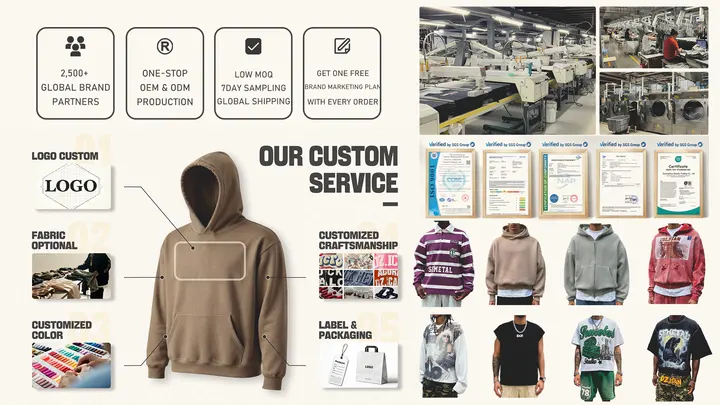
Not every streetwear factory can produce premium-quality garments consistently.
Many brands discover this after receiving a perfect sample — only to find the bulk production looks completely different. Poor fabric handling, weak stitching, inaccurate sizing, unstable washing effects, and inconsistent printing are common problems when working with inexperienced suppliers.
A high-end streetwear manufacturer is different because the focus goes beyond simply “making clothes.” The factory must understand fit, fabric behavior, finishing techniques, branding details, and production consistency at scale.
For emerging and growing streetwear brands, choosing the right manufacturing partner can directly affect customer retention, product margins, and long-term brand positioning.
Why Choosing the Right High-End Streetwear Manufacturer Matters
Streetwear customers are highly detail-oriented.
They notice:
- Fabric weight
- Oversized fit accuracy
- Print texture
- Wash consistency
- Stitch density
- Hoodie structure
- Neck rib quality
- Packaging presentation
A low-end supplier may copy the appearance of a garment, but premium factories understand how garments should feel, wear, and age over time.
This difference becomes especially important for:
- Designer streetwear brands
- Premium eCommerce labels
- Limited-drop collections
- Heavyweight hoodie brands
- Vintage-wash collections
- Private label fashion brands
1. A High-End Streetwear Manufacturer Understands Fit Development
Fit is one of the biggest differences between average and premium streetwear production.
Many factories simply scale patterns mechanically. High-end manufacturers adjust proportions intentionally based on:
- Shoulder drop
- Sleeve volume
- Body length
- Neck opening
- Rib tension
- Shrinkage after washing
For example, oversized streetwear hoodies require completely different pattern logic compared to standard retail hoodies.
Common Fit Problems from Low-End Factories
| Problem | Result |
|---|---|
| Incorrect shoulder drop | Cheap-looking silhouette |
| Poor grading | Inconsistent sizing |
| Weak rib structure | Collar deformation |
| No shrinkage testing | Size changes after washing |
Premium factories usually perform multiple fit revisions before bulk production starts.
2. Fabric Selection Is Treated as Product Development
A professional high-end streetwear manufacturer does not simply ask, “What GSM do you want?”
Instead, they evaluate:
- Fabric composition
- Surface texture
- Drape
- Shrinkage rate
- Washing compatibility
- Print compatibility
- Long-term durability
For streetwear, fabric directly affects brand positioning.
High-End Streetwear Fabric Comparison
| Fabric Type | Typical Use | Premium Features |
|---|---|---|
| 100% Cotton Heavyweight Jersey | T-shirts | Better structure and durability |
| French Terry | Sweatshirts | Softer handfeel |
| Fleece Cotton | Hoodies | Warmth and volume |
| Washed Cotton | Vintage streetwear | Unique fading effect |
| Cotton-Poly Blend | Tracksuits | Better stability |
Factories experienced in premium streetwear production often recommend different fabric constructions depending on:
- Puff printing
- Garment dyeing
- Distressed washing
- Rhinestone applications
- Embroidery density

3. Specialty Techniques Separate Premium Manufacturers from Basic Factories
Most factories can do basic screen printing.
Far fewer can consistently handle advanced streetwear techniques.
Techniques Often Used by Premium Streetwear Brands
| Technique | Why It Matters |
|---|---|
| Puff Printing | Creates raised texture |
| Chenille Embroidery | Adds luxury visual depth |
| Garment Dyeing | Gives vintage appearance |
| Rhinestone Application | Premium decorative effect |
| DTG Printing | Better for complex artwork |
| 3D Embroidery | Strong branding effect |
A true high-end streetwear manufacturer understands how these techniques interact with:
- Fabric shrinkage
- Heat application
- Washing processes
- Production efficiency
- Color consistency
Without technical experience, garments may crack, fade, distort, or lose shape after production.
4. Quality Control Is Built Into Every Production Stage
Many sourcing problems happen because quality checks occur too late.
Premium streetwear factories usually divide quality control into multiple stages:
- Fabric inspection
- Pattern verification
- Pre-production sample approval
- Inline production checks
- Final garment inspection
- Packaging review
This process helps reduce:
- Print placement errors
- Incorrect measurements
- Color inconsistency
- Sewing defects
- Label mistakes
Typical Difference Between Standard and Premium QC
| Standard Factory | High-End Factory |
|---|---|
| Random final checks | Multi-stage inspections |
| Focus on quantity | Focus on consistency |
| Limited documentation | Detailed QC reporting |
| Minimal shrinkage testing | Wash and fit testing |
For premium brands, consistency matters more than speed alone.
5. A High-End Streetwear Manufacturer Can Handle Low MOQ Without Sacrificing Quality
Many emerging brands struggle because suppliers only prioritize large orders.
A reliable premium factory should still maintain quality standards for smaller production runs.
This is especially important for:
- Startup streetwear brands
- Test drops
- Seasonal capsules
- Influencer collections
- New market validation
Flexible production is not simply about accepting small quantities.
It also means:
- Maintaining print quality
- Keeping sizing consistent
- Managing fabric efficiently
- Communicating clearly during development
Some experienced manufacturers now support lower MOQs while still offering premium finishing and production standards.
6. Communication Efficiency Is a Major Competitive Advantage
One of the biggest hidden costs in apparel sourcing is communication.
Brands often spend weeks repeatedly explaining:
- Print positions
- Measurements
- Pantone colors
- Label placement
- Wash expectations
- Packaging details
An experienced high-end streetwear manufacturer understands Western streetwear terminology and production expectations from the beginning.
This reduces:
- Sampling delays
- Misunderstandings
- Revisions
- Production errors
For overseas brands, efficient communication can save significant development time.

7. Bulk Production Consistency Matters More Than Samples
Many suppliers can produce impressive samples.
The real challenge is reproducing the same quality across hundreds or thousands of garments.
Common Bulk Production Problems
| Issue | Cause |
|---|---|
| Different fabric shades | Poor dye lot management |
| Uneven prints | Unstable printing pressure |
| Size inconsistency | Weak production control |
| Twisted side seams | Poor fabric relaxation |
| Different wash effects | Uncontrolled washing process |
Premium factories usually create standardized production procedures to reduce these risks.
This becomes especially important for heavyweight hoodies, washed garments, and oversized fits.
8. Compliance and Material Transparency Are Becoming More Important
For brands selling in Europe, the UK, Canada, and the United States, compliance requirements continue to increase.
Professional manufacturers increasingly support:
- Fabric composition verification
- Colorfastness testing
- Restricted substance compliance
- Production traceability
- Packaging requirements
Useful industry references include:
Even streetwear brands are now expected to understand sourcing transparency and product safety requirements.
9. Long-Term Production Stability Is the Real Goal
The best manufacturing relationships are built over time.
A strong supplier relationship improves:
- Development speed
- Product consistency
- Cost control
- Delivery planning
- Market responsiveness
Switching factories frequently often creates:
- Fit inconsistency
- Fabric differences
- Color variation
- Delayed launches
A stable high-end streetwear manufacturer becomes part of the brand’s operational system, not just a supplier.
How to Evaluate a High-End Streetwear Manufacturer
Before choosing a supplier, ask these questions:
Supplier Evaluation Checklist
| Question | Why It Matters |
|---|---|
| Do they specialize in streetwear? | Technical understanding differs |
| Can they explain fabric behavior? | Shows production expertise |
| Do they support specialty washes? | Important for premium collections |
| How do they handle QC? | Reduces production risk |
| Can they manage low MOQ professionally? | Helps growing brands |
| Do they understand Western fits? | Improves product-market fit |
You should also request:
- Real production photos
- Bulk production videos
- Fabric test details
- Measurement tolerances
- Previous streetwear case studies
For brands looking for a reliable streetwear production partner, Qianshiwear is a Guangzhou-based manufacturer focused on mid-to-high-end streetwear production.
The company works with brands in the United States, United Kingdom, Europe, Canada, and Australia, supporting:
- OEM & ODM production
- Private label streetwear
- Low MOQ production flexibility
- Heavyweight hoodies and T-shirts
- Puff printing
- Chenille embroidery
- Garment washing
- Oversized fit development
FAQs
What is a high-end streetwear manufacturer?
A high-end streetwear manufacturer specializes in premium garment construction, advanced fabric sourcing, specialty printing techniques, and consistent bulk production quality for fashion brands.
Why do streetwear samples sometimes look better than bulk orders?
Samples are often produced individually with extra attention. Bulk production introduces risks such as fabric variation, inconsistent printing pressure, and sewing differences if production systems are weak.
What MOQ is normal for premium streetwear manufacturing?
Many premium factories require high MOQs, but some experienced manufacturers now support flexible quantities for developing brands while maintaining quality standards.
Which country is best for high-end streetwear manufacturing?
China remains one of the strongest options because of its mature supply chain, advanced printing capabilities, fabric availability, and specialized streetwear production experience.
What techniques are common in premium streetwear production?
Common techniques include puff printing, chenille embroidery, garment dyeing, vintage washing, DTG printing, rhinestone application, and oversized pattern development.