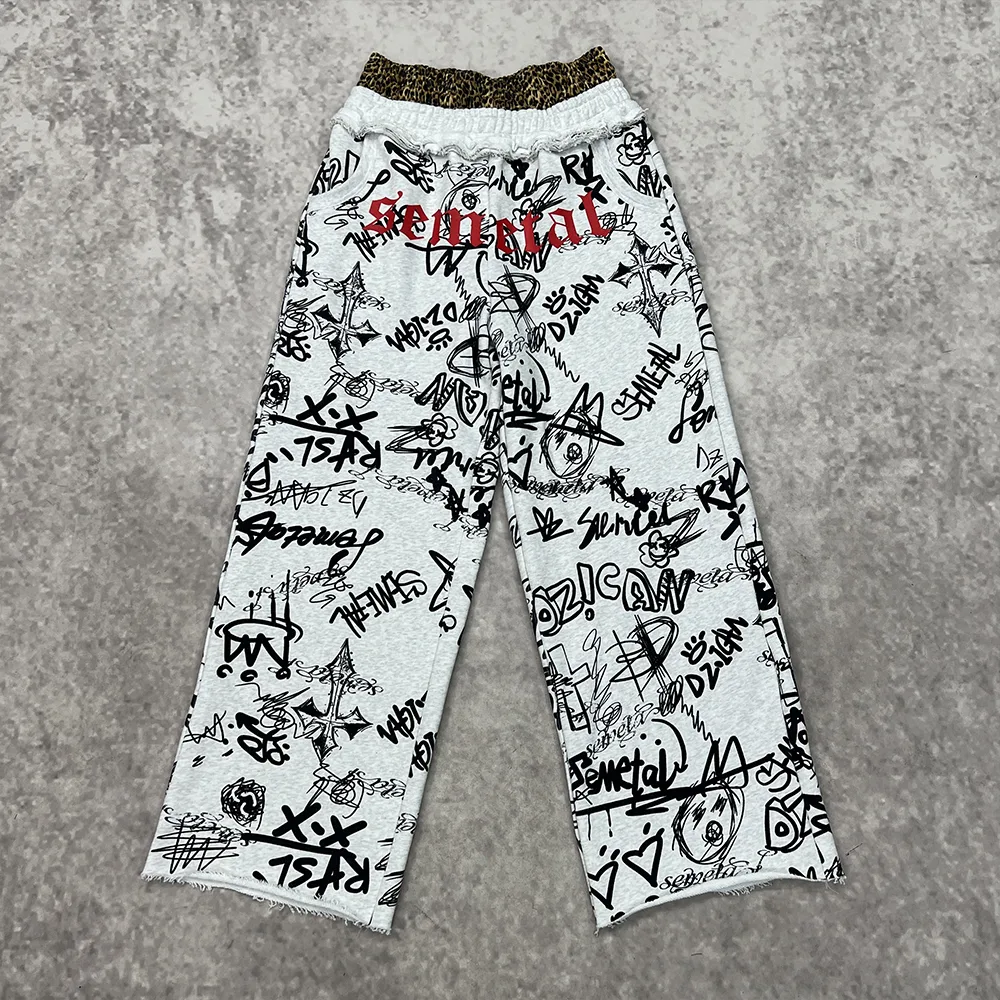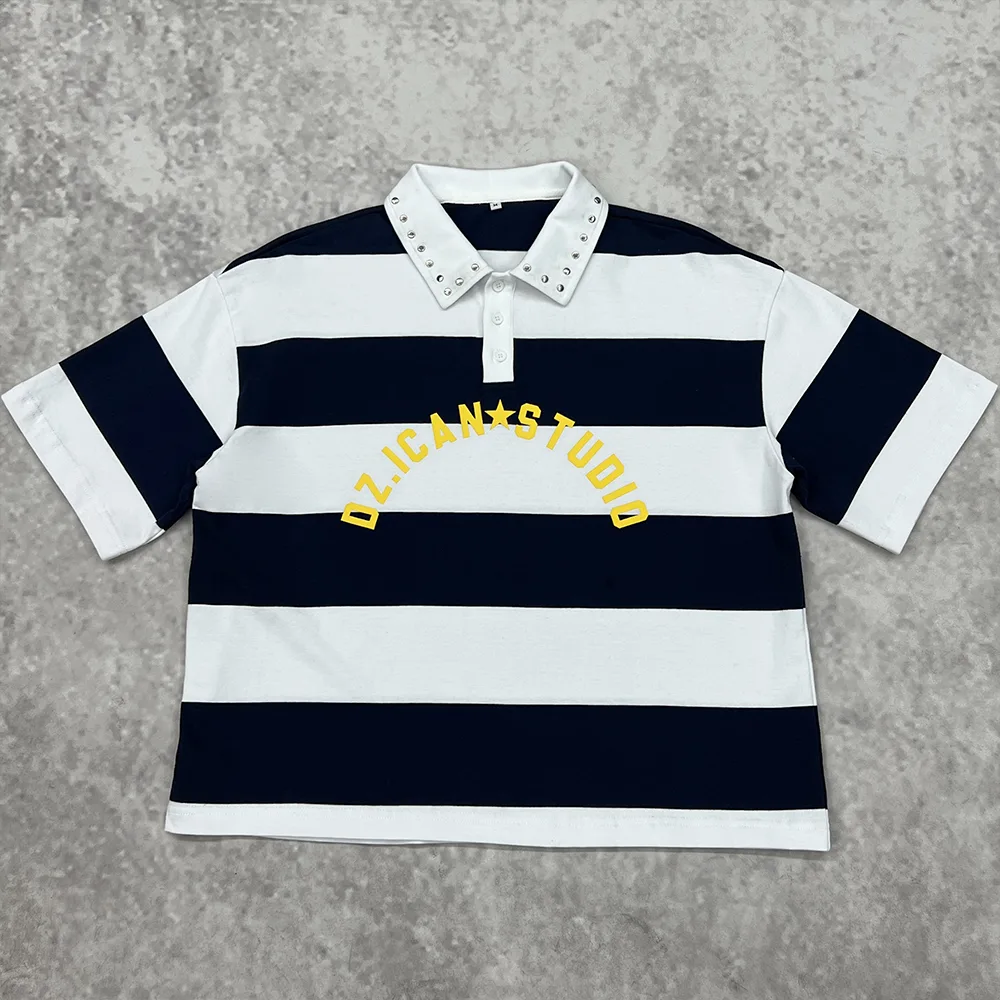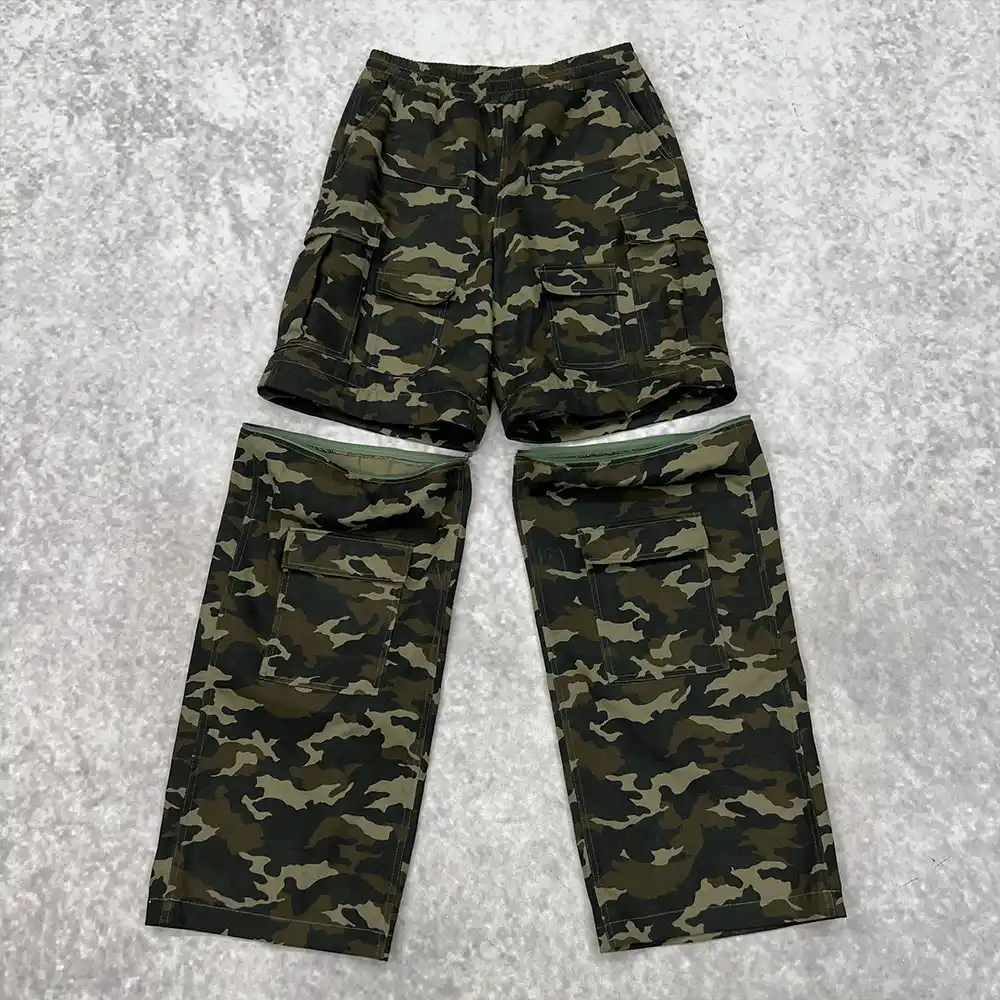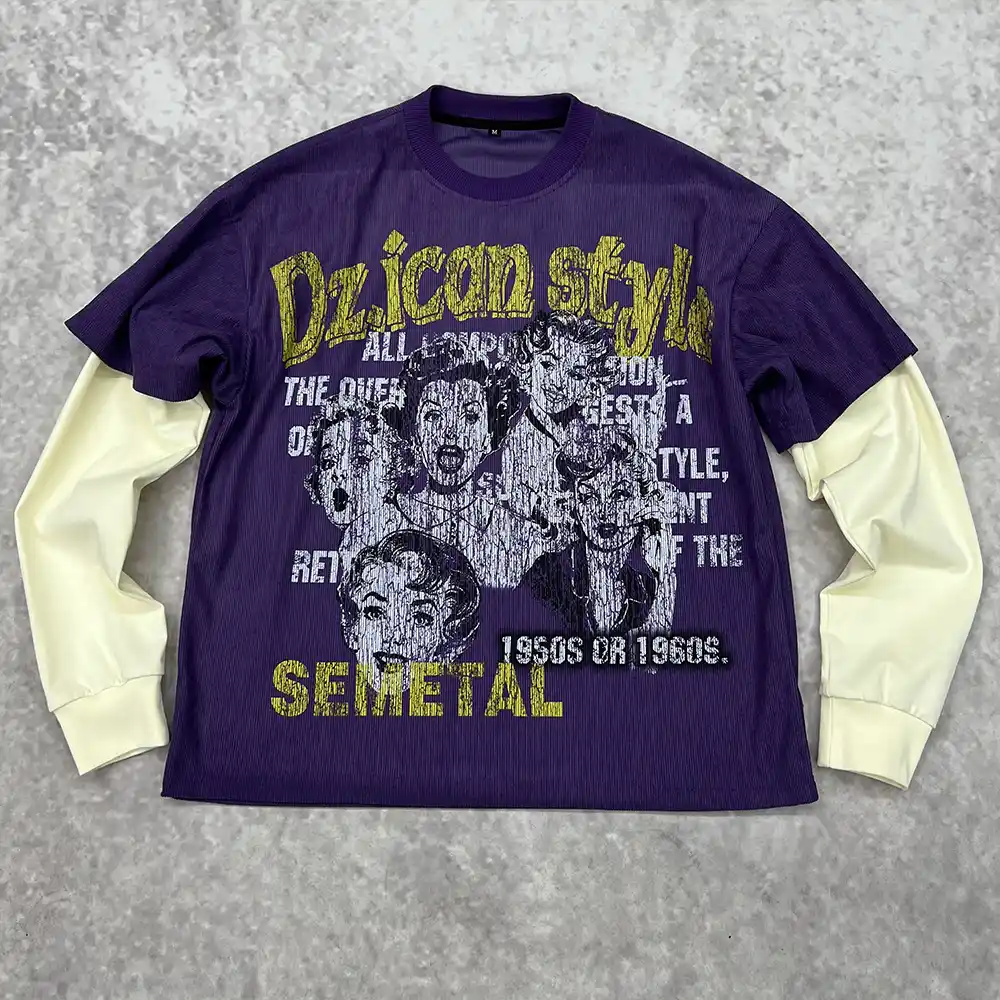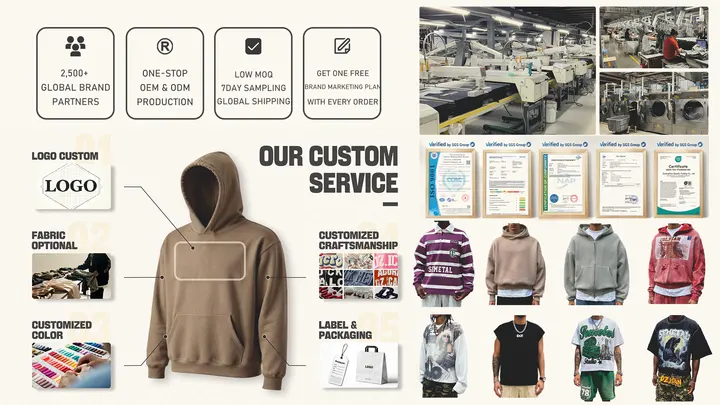

Serious streetwear sampling is not about making endless samples. It is about approving the right samples before bulk production risk becomes expensive.
Most growing streetwear brands eventually ask the same practical question: how many samples do we really need before bulk production? The honest answer is not a fixed number. A simple T-shirt capsule, a heavyweight hoodie with custom fleece, and a washed multi-piece collection do not need the same sampling path.
For most premium streetwear programs, the realistic answer is usually two to four development samples before bulk production: a proto sample, one or more fit or revised samples, sometimes a size set sample, and a final pre-production sample. Some styles can combine stages when the design is simple and the brand already has a stable fit block. Other styles need more sampling because fabric, wash, decoration, grading or construction risk is higher.
This article explains how to plan streetwear sample development like a production decision, not a guessing game. It also connects to the full streetwear product development path, because sampling only works when concept, tech pack, fit, fabric, decoration and bulk QC are aligned.
Why the Number of Samples Depends on Production Risk
A sample is not only a photo for your launch plan. In custom streetwear manufacturing, each sample answers a specific production question. Does the silhouette work on body? Does the GSM support the shape? Does the rib recover after stretching? Does the print sit correctly on washed fleece? Does the size grading keep the same fit language from small to extra large? Does the approved sample represent what bulk production can repeat?
When a brand tries to reduce sampling without reducing risk, problems usually move into bulk production. That is when mistakes become more expensive: wrong sleeve volume, unstable shrinkage, embroidery distortion, print cracking, color variance, or a PP sample that does not match the earlier approved fit.
| Sample Type | Main Purpose | Usually Needed When |
| Proto Sample | Checks first construction, proportion and design translation. | The style is new, the pattern is not proven, or the brand is developing a new fit block. |
| Fit Sample | Confirms silhouette, measurements and comfort on body. | The garment needs a specific oversized, cropped, boxy, relaxed or structured streetwear shape. |
| Size Set Sample | Checks grading across sizes before bulk cutting. | The order includes multiple sizes, complex fit, heavyweight fabric or high-value production. |
| PP Sample | Approves final fabric, trims, decoration and construction before bulk production. | The brand wants sample-to-bulk consistency and a final production reference. |
The Short Answer: Most Brands Need Two to Four Samples
For a serious streetwear brand, one sample is rarely enough unless the style is extremely simple and based on a previously approved block. Two samples may work when the first sample is already close and the design has limited decoration risk. Three samples are common for premium hoodies, cut-and-sew T-shirts, fleece sets, washed garments and collection pieces with custom trims. Four or more samples may be necessary when the product involves custom fabric, garment dye, heavy embroidery, puff print, applique, rhinestone heat transfer, complex grading or multiple revised fits.
The key is not to order more samples for the sake of it. The key is to avoid skipping a stage that answers a real production question. If the fit is not stable, a PP sample cannot fix the silhouette. If the fabric is not approved, a decoration sample may mislead the brand. If the size set is skipped on a difficult style, grading issues may only appear after bulk cutting.
Sample Stage 1: Proto Sample
The proto sample is the first physical translation of the design. It is used to check whether the sketch, reference images and initial tech pack can become a real garment. At this stage, the fabric may be a close substitute if the final material is still being sourced, but the garment should be close enough to evaluate proportion, seam placement, pocket shape, hood size, collar opening and overall construction.
A proto sample is especially useful when the style is new to the brand. For example, an oversized hoodie with a dropped shoulder, double-layer hood, cropped body and curved panel seams should not move straight to bulk planning from a flat drawing. The first sample helps the brand and factory find the pattern issues early.
Sample Stage 2: Fit or Revised Sample
The fit sample is where many strong streetwear products are made. This is the stage where a hoodie stops being a generic shape and starts becoming the brand’s own silhouette. Fit sample feedback should be specific: shoulder drop, chest width, sleeve length, armhole depth, body length, hem width, hood opening, rib tension and comfort when worn.
If the first sample is close, one revised fit sample may be enough. If the brand is building a new core block, there may be two rounds of fit correction. This is not wasted time; it protects the brand from repeating a weak fit across a full collection. The logic is similar to the fit-first approach explained in why good streetwear starts with fit development.

Fit samples turn subjective feedback into measurable correction: shoulder, chest, sleeve, body length, rib and hood shape.
Sample Stage 3: Size Set Sample
A size set sample checks whether the approved fit works across the full size range. Many brands underestimate this stage because the medium sample looks good. But streetwear grading can be tricky. Oversized silhouettes, dropped shoulders, heavyweight fleece and wide sleeves do not always scale cleanly if the grade rules are too generic.
Size set sampling is especially important when the order includes several sizes, when the retail price is higher, or when the brand expects repeat production. It helps confirm that the hoodie, T-shirt, sweatshirt or pants keep the intended proportion across sizes. This stage also supports better QC because the factory has approved references for more than one size.
| Product Situation | Can Size Set Be Skipped? | Recommended Decision |
| Simple T-shirt using an approved fit block | Sometimes | Use the existing grade rules and confirm key measurements before cutting. |
| New oversized hoodie silhouette | Usually no | Check at least core sizes to confirm shoulder, sleeve and body proportions. |
| Heavyweight fleece set | High risk | Use size set samples because fabric thickness changes fit and drape. |
| Repeat style with stable past production | Possible | Use previous approved production data and inspect the PP sample carefully. |
Sample Stage 4: PP Sample Before Bulk Production
The PP sample, or pre-production sample, is the final approval reference before bulk production. It should be made with the approved bulk fabric, correct GSM, approved trims, final decoration method, label placement, packaging direction and confirmed workmanship standard. If the PP sample is approved, it becomes the reference for cutting, sewing, decoration, finishing, packing and inspection.
This is the sample that protects sample-to-bulk consistency. A beautiful fit sample made with substitute fabric is not enough if the bulk fabric has different shrinkage, stretch recovery, color depth or surface texture. A final PP sample gives the brand and factory one shared production target.

The PP sample is the final production reference for fabric, trims, decoration, measurements, finishing and packing.
When One Sample May Be Enough
One sample may be enough when the style is based on a previously approved pattern, the fabric is familiar, the decoration is simple, the brand has already produced similar garments with the same factory, and the order quantity or risk level is controlled. For example, a repeat T-shirt style with only a color update may not need a full development cycle.
Even then, the brand should still approve a final production reference. A single sample should not be treated as a shortcut unless it answers fit, fabric, trim, decoration and construction questions clearly.
When More Samples Are Worth the Time
More samples are worth it when the product carries higher brand value or production risk. A signature hoodie, washed fleece set, paneled cut-and-sew top, custom fabric garment or heavily decorated piece should not be rushed into bulk production. The extra sample cost is usually smaller than the cost of bulk goods that miss the approved fit or finish.
This is especially true for brands developing a recognizable product identity. If you are building a long-term core hoodie, the sampling strategy should connect to the logic in signature hoodie development: fit, fabric, trims, decoration and repeatability all need to work together.
| Risk Factor | Why It Adds Sampling Pressure | Suggested Sample Control |
| Custom Fabric | Hand feel, shrinkage, width and recovery may change the fit. | Confirm fabric before PP sample and record test results. |
| Garment Wash | Wash can change measurements, shade and surface texture. | Test shrinkage and shade variation before final approval. |
| Puff Print or Heavy Embroidery | Decoration can distort fabric or affect comfort. | Approve decoration test on the actual fabric before bulk. |
| New Fit Block | Pattern and grading are not proven yet. | Use fit sample plus size set for important styles. |
| Repeat Production Plan | The brand needs future orders to match the approved standard. | Keep PP sample, measurement records and QC notes. |
How a Tech Pack Reduces Sample Rounds
A strong tech pack does not remove the need for samples, but it can reduce unnecessary sample rounds. Clear measurement points, tolerance rules, construction notes, fabric specifications, decoration artwork, placement measurements, label positions and packing requirements make the first sample more accurate.
If a brand sends only reference photos, the factory must interpret too many details. That often creates revisions that could have been avoided. A production-ready document, like the one explained in how to turn a streetwear design into a production-ready tech pack, gives sampling a cleaner starting point.
Sample Approval Checklist Before Bulk Production
Before approving bulk production, the brand should check the sample against both design intent and production reality. Standards such as ISO 2859-1 sampling procedures are often used as a reference point for inspection planning, while AATCC textile testing standards can support clearer discussion around dimensional change and colorfastness. For a growing streetwear brand, the practical goal is to define what must be controlled before fabric is cut.
| Approval Area | What to Check | Why It Matters |
| Fit and Measurements | Key points, tolerance, body proportion and size grading. | Prevents bulk goods from fitting differently than the approved sample. |
| Fabric | GSM, hand feel, shrinkage, color, surface and stretch recovery. | Controls comfort, silhouette and repeat production consistency. |
| Decoration | Print hand, embroidery density, placement, curing and wash durability. | Reduces cracking, distortion, peeling or placement complaints. |
| Construction | Seams, rib, hood, pocket, collar, waistband and finishing. | Protects durability and premium product perception. |
| Packing | Fold method, label, hangtag, poly bag and carton direction. | Keeps the delivered product aligned with brand presentation. |
How Qianshiwear Plans Samples With Growing Brands
Qianshiwear helps streetwear brands choose a sampling path based on product risk instead of using the same process for every style. A simple repeat style may need fewer steps. A new premium hoodie, custom fleece set or decorated cut-and-sew piece may need proto, fit, size set and PP sample control before bulk production.
Our sample process can include design review, fabric and GSM discussion, sample quotation, mock-up confirmation, pattern making, sample production, photo or video updates, DHL sample shipment and bulk production planning after approval. This connects naturally with the broader streetwear product development workflow and the detailed guide to proto, fit, size set and PP samples.
If your brand is preparing a collection for bulk production, contact Qianshiwear with your design files, target fabric, estimated quantity, size range and decoration ideas. The goal is not to make more samples than necessary. The goal is to approve the right sample at the right stage.
FAQ
Can a streetwear brand go to bulk production after one sample?
Sometimes, but only when the style is simple, the pattern is already approved, the fabric is familiar and the decoration risk is low. New premium styles usually need more than one sample.
Is a PP sample the same as a fit sample?
No. A fit sample focuses on silhouette and measurements. A PP sample should represent the final approved bulk production standard, including fabric, trims, decoration, construction and finishing.
Do all brands need size set samples?
Not always. Size set samples are most important for new fits, heavyweight garments, complex silhouettes, multi-size orders and higher-value production where grading mistakes would be costly.
How can brands reduce sample rounds without increasing risk?
Start with a clear tech pack, approved references, target GSM, decoration artwork, measurement points and production expectations. Clear information helps the first sample answer more questions.
For brands turning a broader visual direction into a full product line, see the related guide: From Mood Board to Production: A Streetwear Collection Development Guide.