
In today’s competitive fashion landscape, launching a clothing brand no longer requires massive upfront capital or warehouse-filling minimum orders. For designers, startup entrepreneurs, and influencer brand owners, low MOQ clothing manufacturer partners have become the game-changer, enabling private label streetwear and custom apparel manufacturer solutions with orders as low as 50 pieces per design.

From the factory floor perspective—where production schedules, fabric utilization rates, and setup costs are calculated daily—this shift isn’t just marketing hype. It’s driven by smarter supply chain strategies like combined-batch production , digital pattern optimization, and stock fabric programs that reduce waste from 15-20% in traditional runs to under 8% in low-volume batches. Traditional manufacturers often demand 200–1,000 units per style to amortize cutting dies and machine setups. In contrast, specialized low MOQ clothing manufacturer operations now support 50–100 units, letting you test designs, validate market fit, and iterate without tying up $10,000–$50,000 in inventory.
This guide cuts through the noise with quantifiable, production-line data to help you start your private label streetwear brand efficiently. We’ll cover real MOQ ranges, cost intervals, fabric GSM considerations, and decision frameworks tailored to early-stage brands.
What Low MOQ Really Means in Custom Apparel Production
Minimum Order Quantity (MOQ) is the smallest batch a factory will produce for a specific style, color, or customization. In 2026, “low MOQ” typically means 50–100 pieces per design for tees and hoodies, 20–50 for simpler items in some flexible facilities, versus the industry standard of 200–500+ for bulk runs.
As a custom apparel manufacturer operating cut-and-sew lines, we see low MOQ viability stem from three operational levers:
- Existing fabric inventory utilization: Factories maintain 20–30% buffer stock of core streetwear fabrics (e.g., 280–400 GSM French terry or fleece). This eliminates minimum fabric yardage orders (often 500–1,000 yards) and drops per-unit fabric cost by 12–18%.
- Digital workflow integration: CAD pattern grading and laser cutting reduce setup time from 4–6 hours (traditional) to 45 minutes, making small runs profitable.
- Hybrid printing techniques: For private label streetwear, DTG or heat-transfer for 50-piece runs avoids screen-printing setup fees ($300–$800 per design), though unit printing cost rises 25–40% versus bulk screen methods.
Result? You can launch a 3-SKU capsule collection for under $3,000–$6,000 total—versus $15,000+ in high-MOQ scenarios.
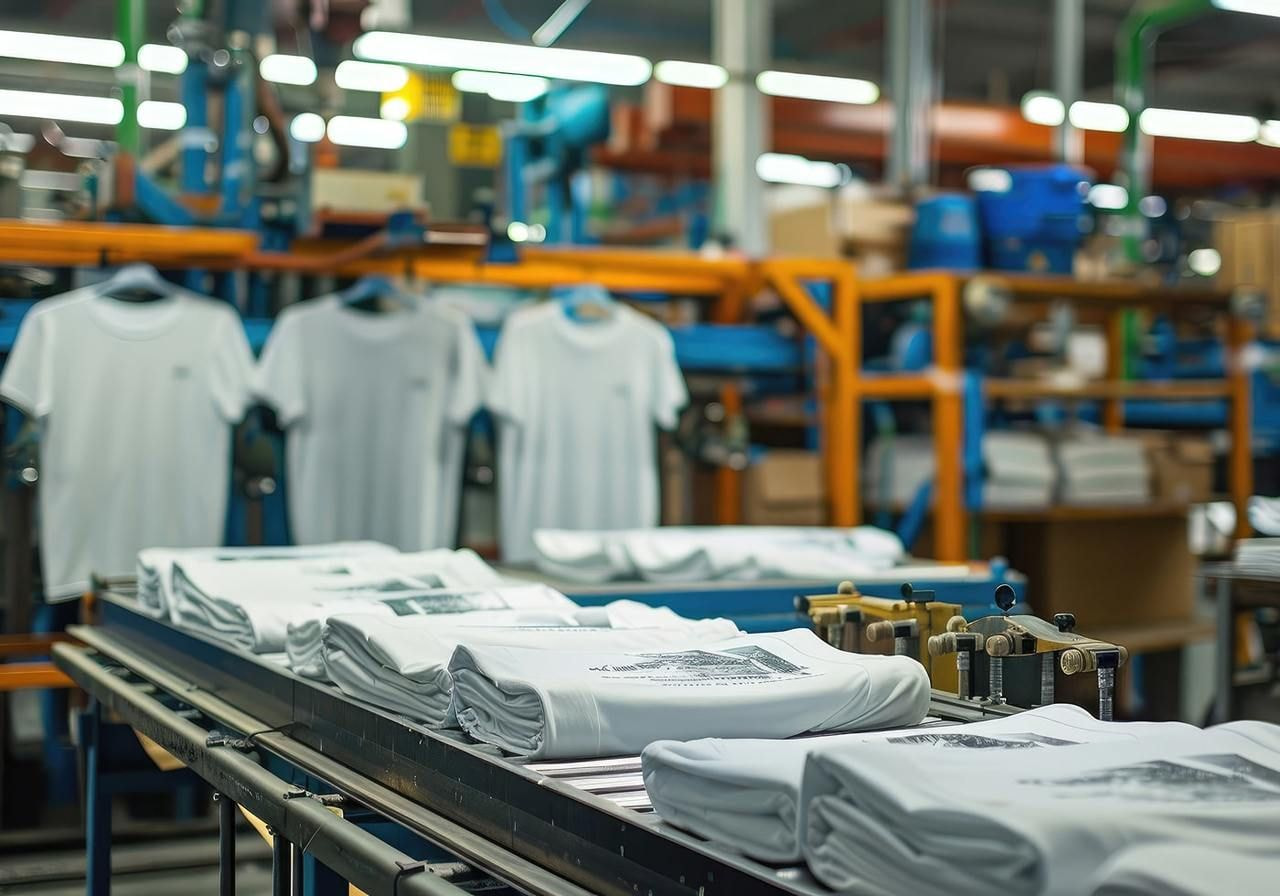
What is Print on Demand? Your questions answered | Printful
Step-by-Step: From Design to First Drop with a Low MOQ Clothing Manufacturer
- Develop Your Tech Pack (1–2 weeks, $0–$150) Provide detailed specs: measurements, grading rules, trims, and artwork. Factories review for production feasibility—e.g., ensuring hood drawcord channels accommodate 380 GSM fleece without puckering.
- Fabric & Sample Approval (7–14 days, $80–$250 per sample) Select GSM based on end-use. For premium private label streetwear hoodies, 350–420 GSM heavyweight fleece delivers structure and durability (shrinkage <3% after 20 washes). Lighter 250–300 GSM suits tees but risks sagging in oversized fits. Low MOQ partners often subsidize 1–2 samples if you commit to production.
- Production Run (2–4 weeks lead time) At 50–100 pcs, expect 85–92% first-pass yield with rigorous inline QC (vs. 95%+ in 500+ runs due to operator learning curves). Packaging customization—custom neck labels, hangtags, polybags—adds $0.80–$2.50 per unit but is fully supported at low volumes.
- Quality Assurance & Shipping Third-party inspections (e.g., 2.5 AQL standard) cost $250–$400 but catch 98% of issues pre-shipment. Sea freight for 100 pcs runs ~$0.50–$1.20/unit; air for urgency adds 30–50%.
Total timeline for first drop: 5–8 weeks—fast enough for trend-responsive private label streetwear drops.
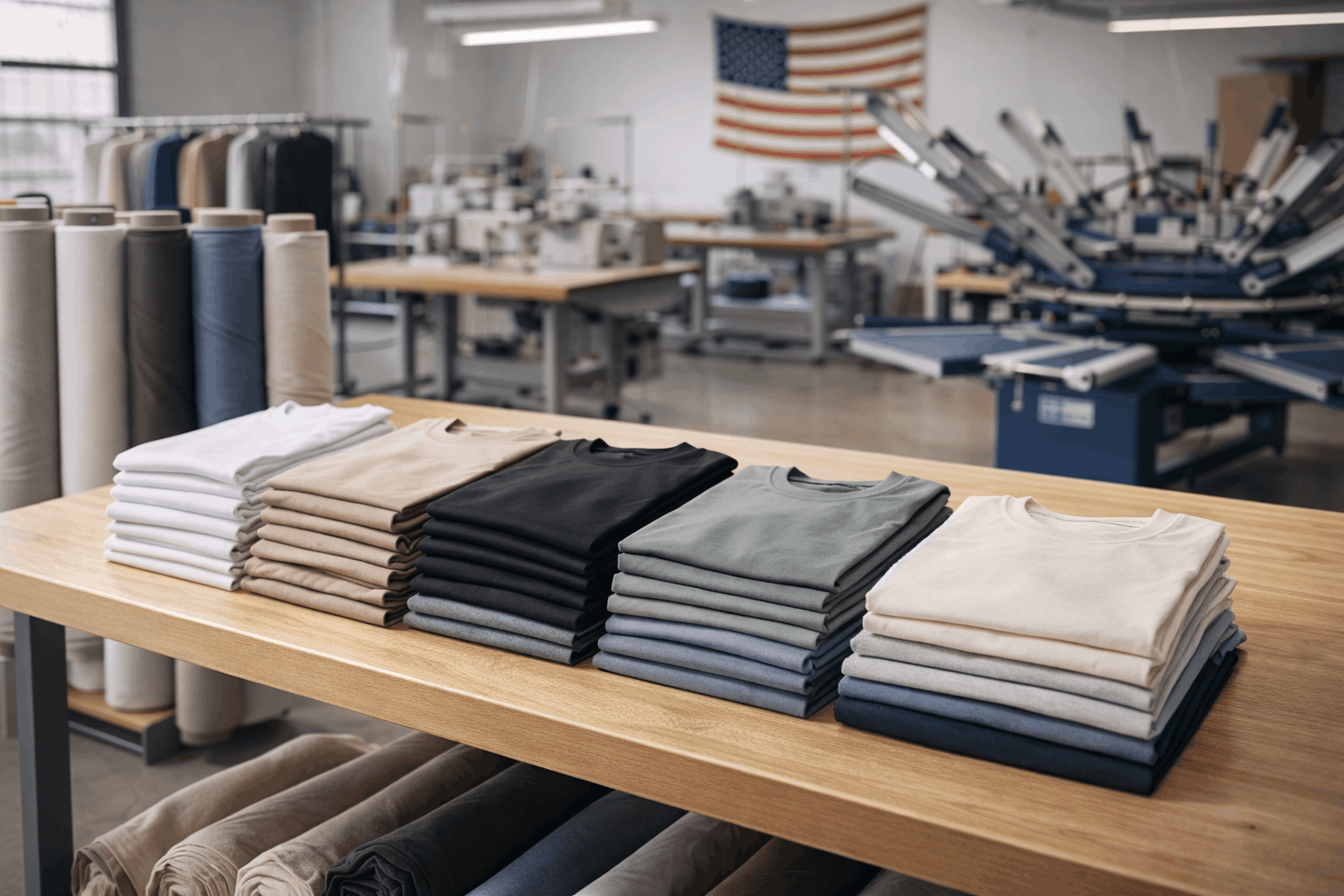
Top 10 Best Custom T-shirt Manufacturers in USA – 2026 Guide
Cost Breakdown: Quantifiable Insights from the Production Line
Unit pricing scales inversely with volume but stabilizes quickly at low MOQ thanks to shared overhead. Here’s a 2026 benchmark for a custom oversized hoodie (380 GSM fleece, screen/DTG print, private label):
| Quantity | Unit Cost (USD) | Key Cost Drivers | Best For |
|---|---|---|---|
| 50 pcs | $18–$25 | Setup amortization + digital print | Market testing, influencer drops |
| 100 pcs | $15–$20 | Fabric efficiency improves 15% | First full collection |
| 300 pcs | $11–$15 | Bulk fabric discounts + screen print | Scaling proven designs |
| 500+ pcs | $8–$12 | Optimized cutting (waste <5%) | Mature brands |
Data reflects blended China-based low MOQ clothing manufacturer operations including trims, labeling, and basic packaging. Add 10–20% for premium certifications (OEKO-TEX, GRS recycled fabrics).
Fabric choice impacts 35–45% of total cost: 400 GSM heavyweight adds $2–$4/unit versus 280 GSM but boosts perceived value (retail price potential +$15–$25).
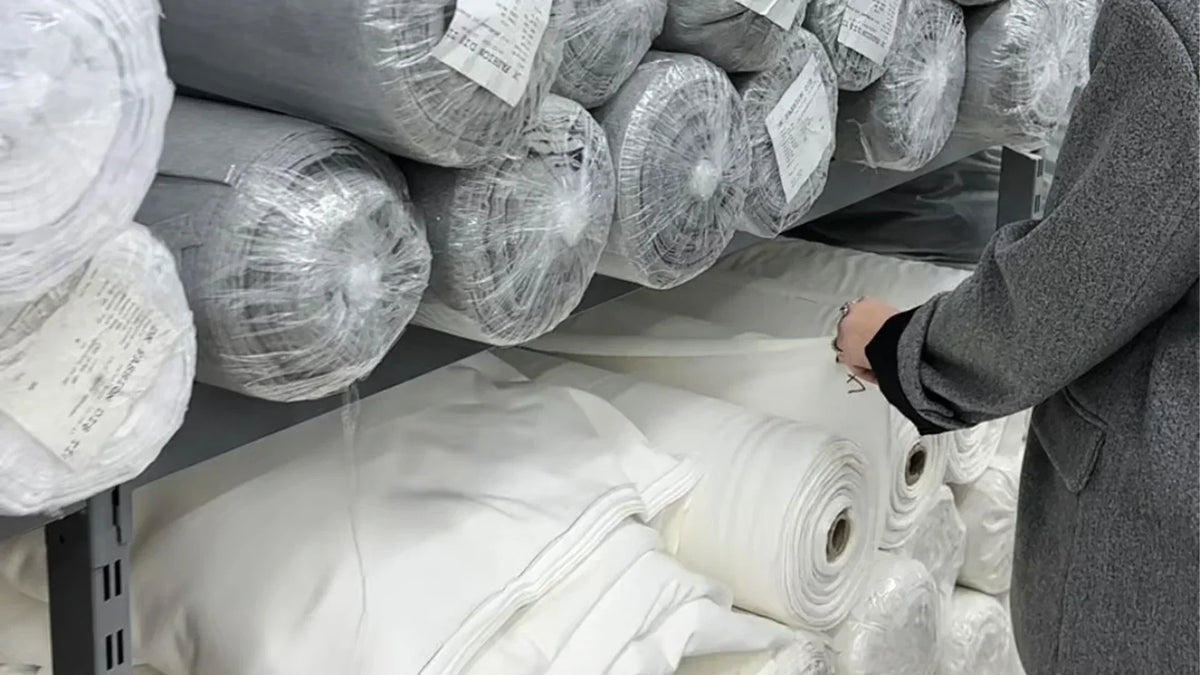
Why Fabric Selection Can Make or Break Your Clothing Brand
Traditional vs. Low MOQ: Production Realities Side-by-Side
| Aspect | Traditional (200–500+ pcs) | Low MOQ (50–100 pcs) | Impact on Startups |
|---|---|---|---|
| Per-unit cost | 30–50% lower | Higher setup share | Cash flow friendly |
| Lead time | 6–10 weeks | 2–4 weeks | Faster market entry |
| Design flexibility | Limited (screen only) | DTG/embroidery viable | More SKUs testable |
| Inventory risk | High (overstock 20–40%) | Minimal (test & reorder) | 70% lower capital tie-up |
| Fabric waste rate | 12–18% | 6–9% (stock programs) | Sustainable edge |
Low MOQ wins for brands under $100K annual revenue by enabling 4–6 seasonal drops versus 2 in bulk models.
Procurement Decision Guide by Brand Stage
- Startup/Designer Phase (<$50K budget): Prioritize low MOQ clothing manufacturer with in-house sampling and stock fabrics. Target 50 pcs/style to validate 3–5 designs.
- Growth/Influencer Phase ($50K–$250K): Mix low MOQ for new drops with 200+ pcs repeats. Negotiate tiered pricing and 30-day payment terms.
- Mature Phase: Leverage the same partner for scalability—many custom apparel manufacturer facilities offer seamless transition to 1,000+ runs without re-sampling.
Always request production references, recent AQL reports, and video factory tours. Red flags: MOQ quotes without fabric specs or lead times exceeding 5 weeks.

61,564 Manufacturing Fabric Stock Photos – Free & Royalty-Free Stock Photos from Dreamstime
FAQ: Real Answers from the Factory Floor
Q: How do costs compare to print-on-demand for private label streetwear?
A: Low MOQ cut-and-sew delivers 40–60% better margins at 50+ pcs (e.g., $15 cost vs. $22 POD) plus superior fabric hand-feel and durability. POD suits <20 pcs or ultra-complex art.
Q: What’s the realistic lead time and quality risk for small batches?
A: 2–4 weeks production + 7–10 days shipping. Quality matches bulk when factories use inline checkpoints—our 50-pc runs average 96% pass rate.
Q: Can I get full private labeling and sustainable options at low MOQ?
A: Absolutely. Custom woven labels, hangtags, and recycled polyester (GRS-certified) are standard from 50 pcs. Eco-packaging adds $0.50–$1.20/unit.
Q: How do I scale without switching manufacturers?
A: Choose a partner with both low MOQ and bulk capacity. We routinely grow clients from 50 to 2,000+ pcs seamlessly.
Conclusion: The 2026 Production Frontier for Agile Brands
From the cutting table and sewing lines, one truth stands out in 2026: low MOQ clothing manufacturing has flipped the script—brands testing 8–12 designs annually now outsell those locked into two bulk drops, with 65% lower unsold inventory risk and faster trend capture. The bold reality? Hyper-localized, data-driven drops built on flexible production will dominate private label streetwear, rewarding those who treat manufacturing as a strategic partner, not a commodity supplier.
Realizing this agility hinges on finding a manufacturing partner that masters both technical precision and brand storytelling. This is precisely the core value of professional OEM/ODM factories like Qianshiwear—a leading low moq clothing manufacturer and custom apparel manufacturer based in Guangzhou. We deliver low MOQ starting at 50pcs, 2-week turnarounds, full private label solutions, premium GSM fabrics, and end-to-end support from tech packs to global shipping. Whether launching your first private label streetwear capsule or scaling proven winners, our team ensures quality, speed, and margins that let your vision thrive.
Ready to start without breaking the bank? Visit qianshiwear.com today for a free tech pack review and sample quote. Your brand’s first drop is closer than you think.
Related Articles
The Constructive Ultimate Guide to Finding a Premium Hoodie Manufacturer
OEM vs ODM Clothing Manufacturing: What’s the Difference and Which to Choose?
Best Top 10 Sustainable Apparel Manufacturers for Streetwear
What Is a Private Label Brand: Essential Guide to Launching Your Streetwear Line
Startup’s Ultimate Guide to Selecting Reliable Clothing Manufacturers 2026











