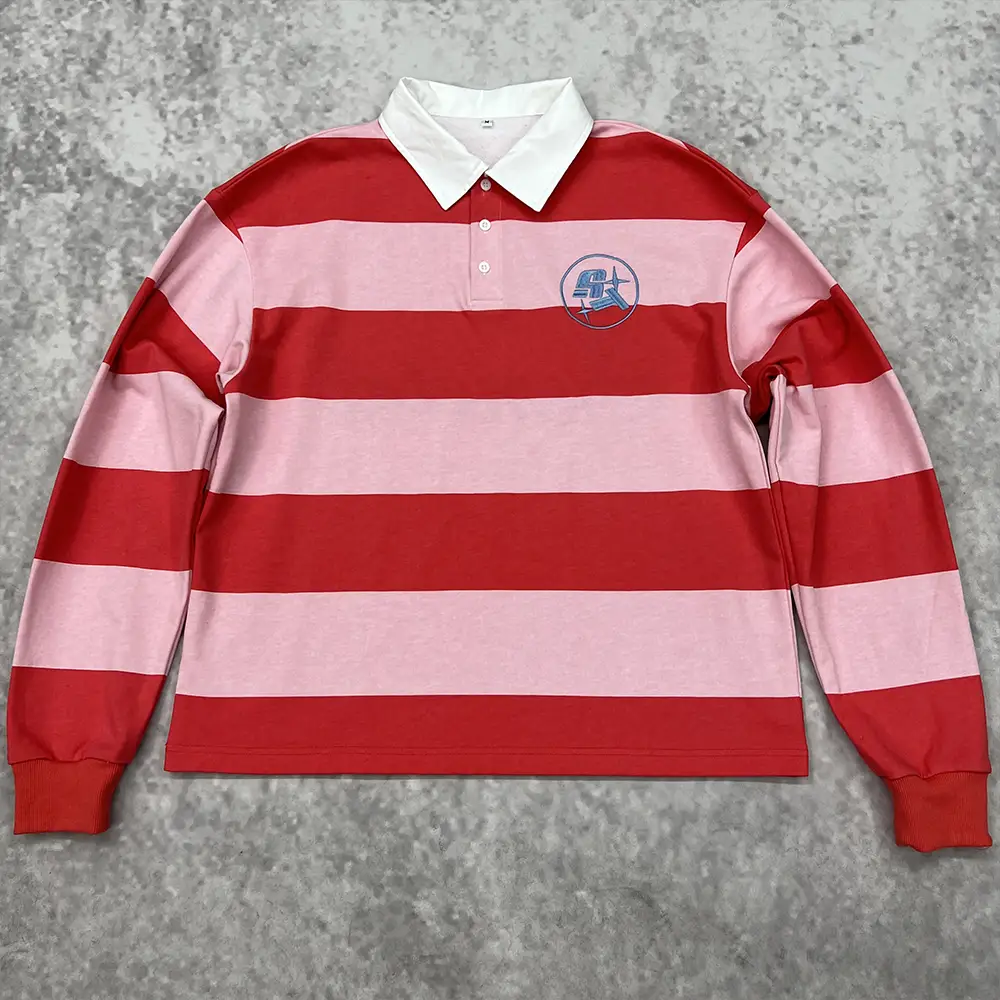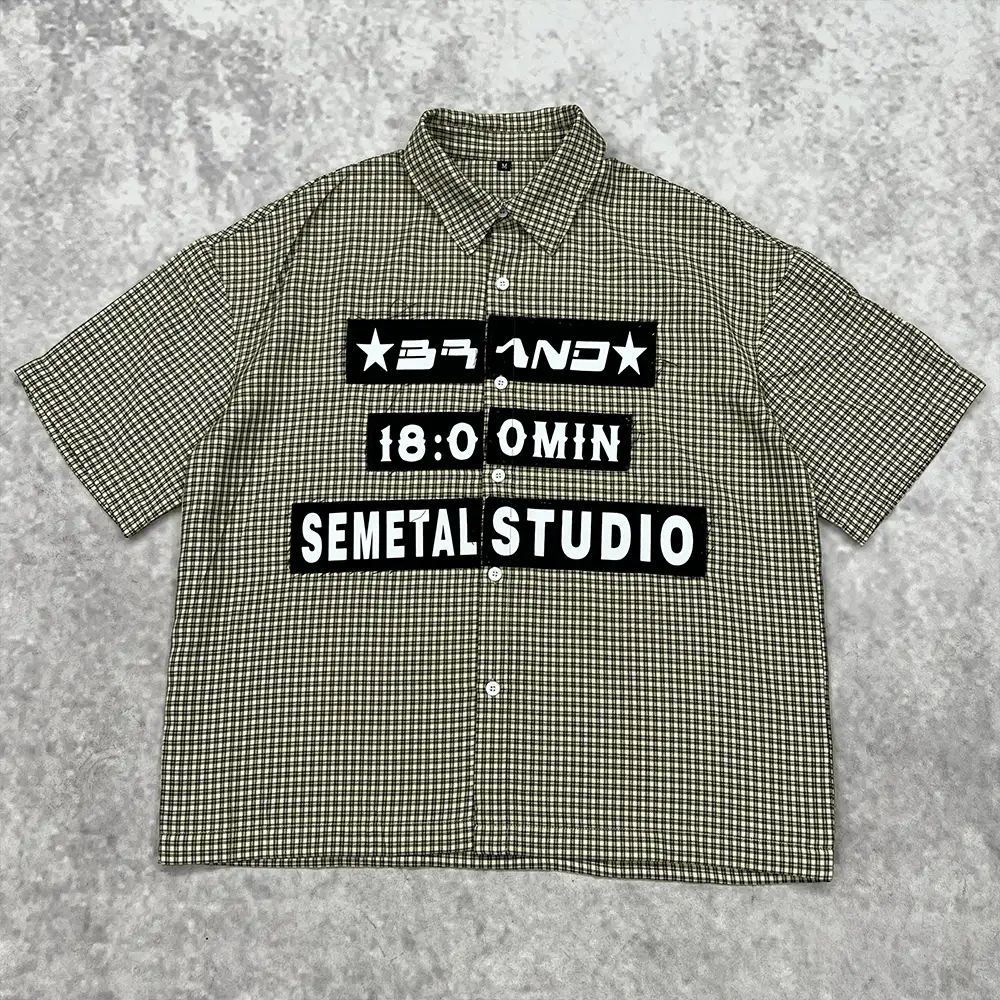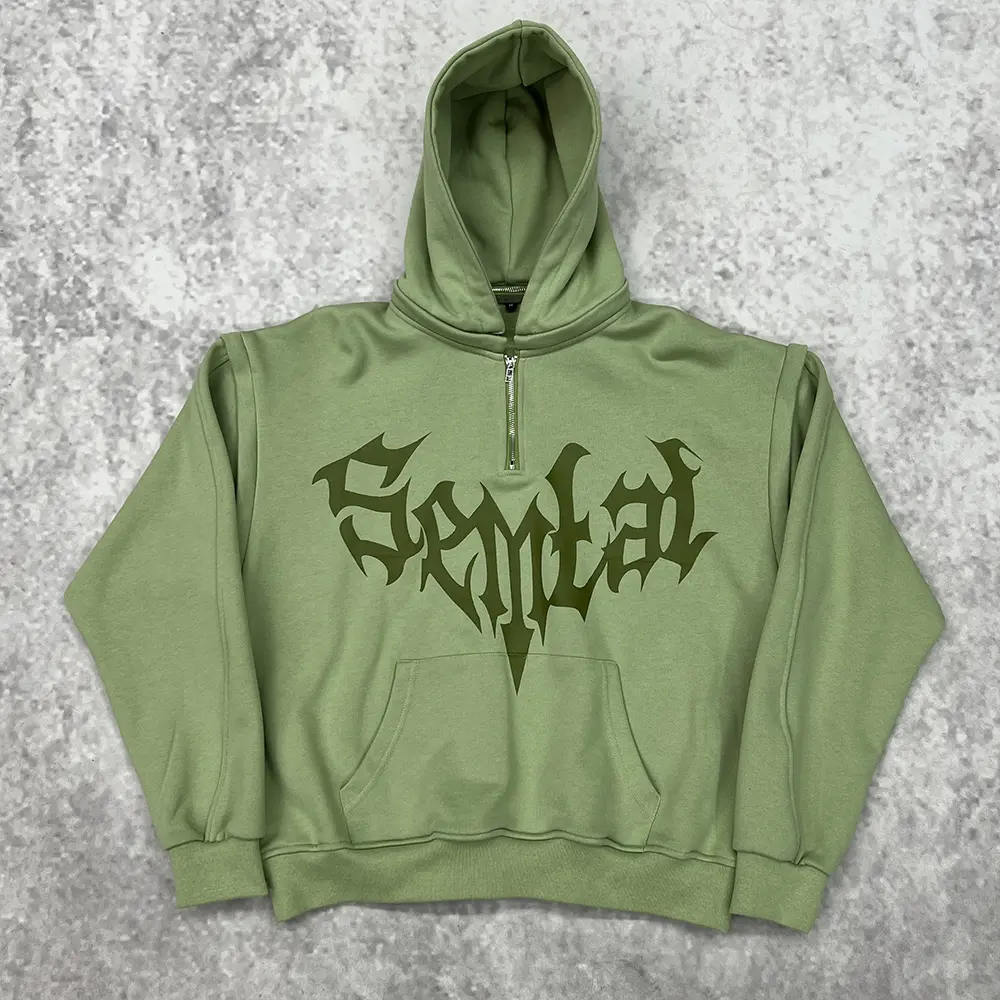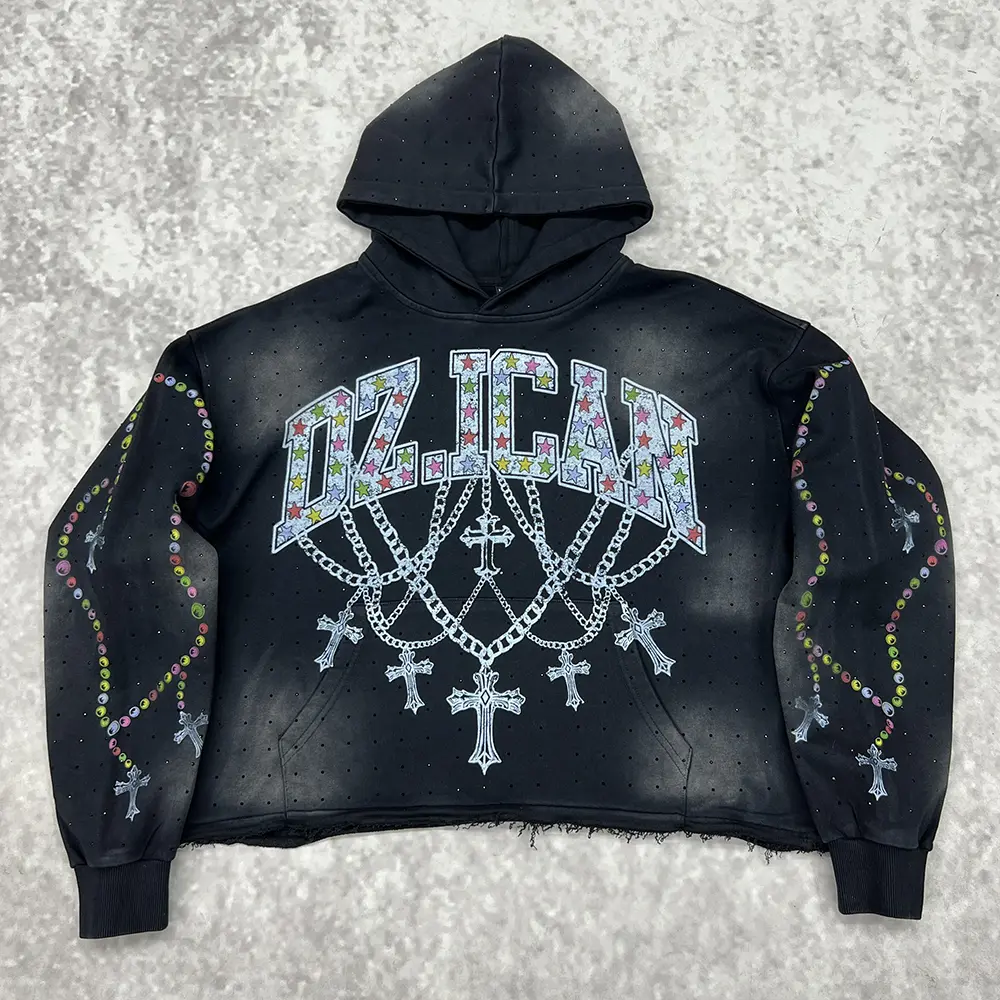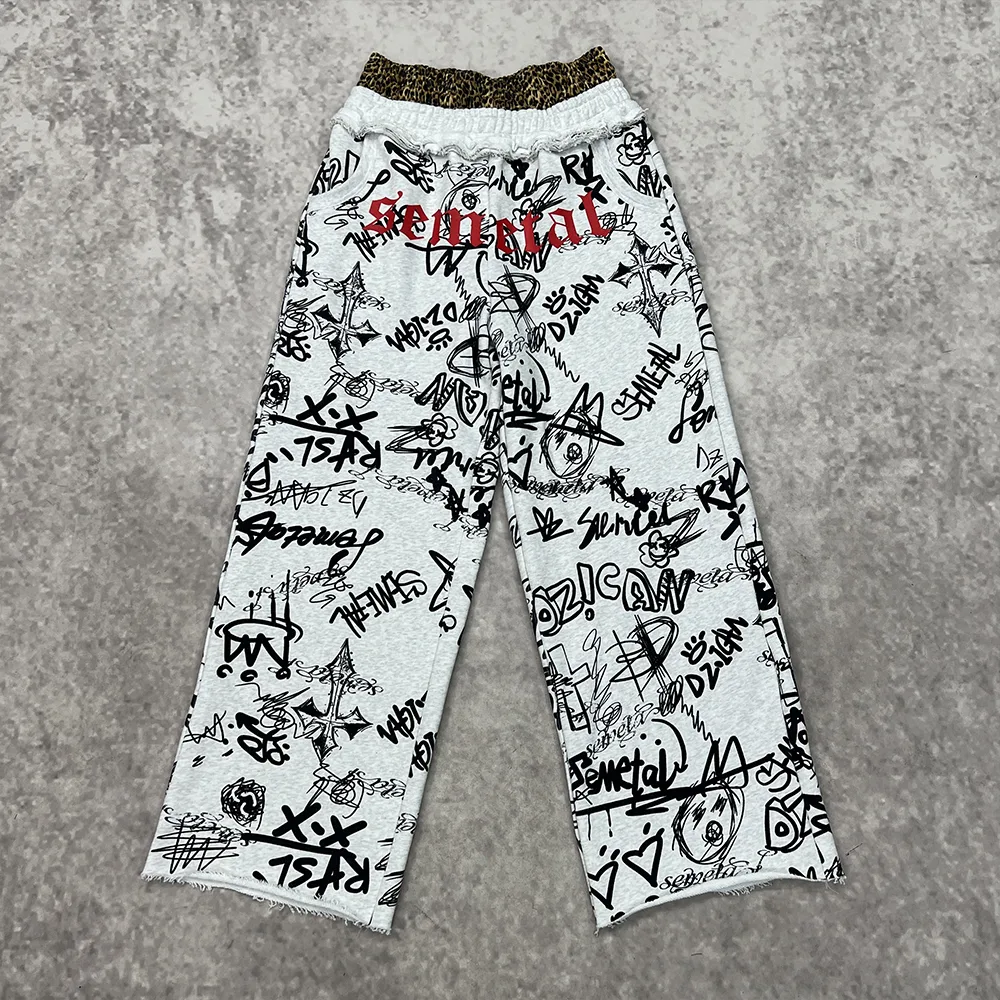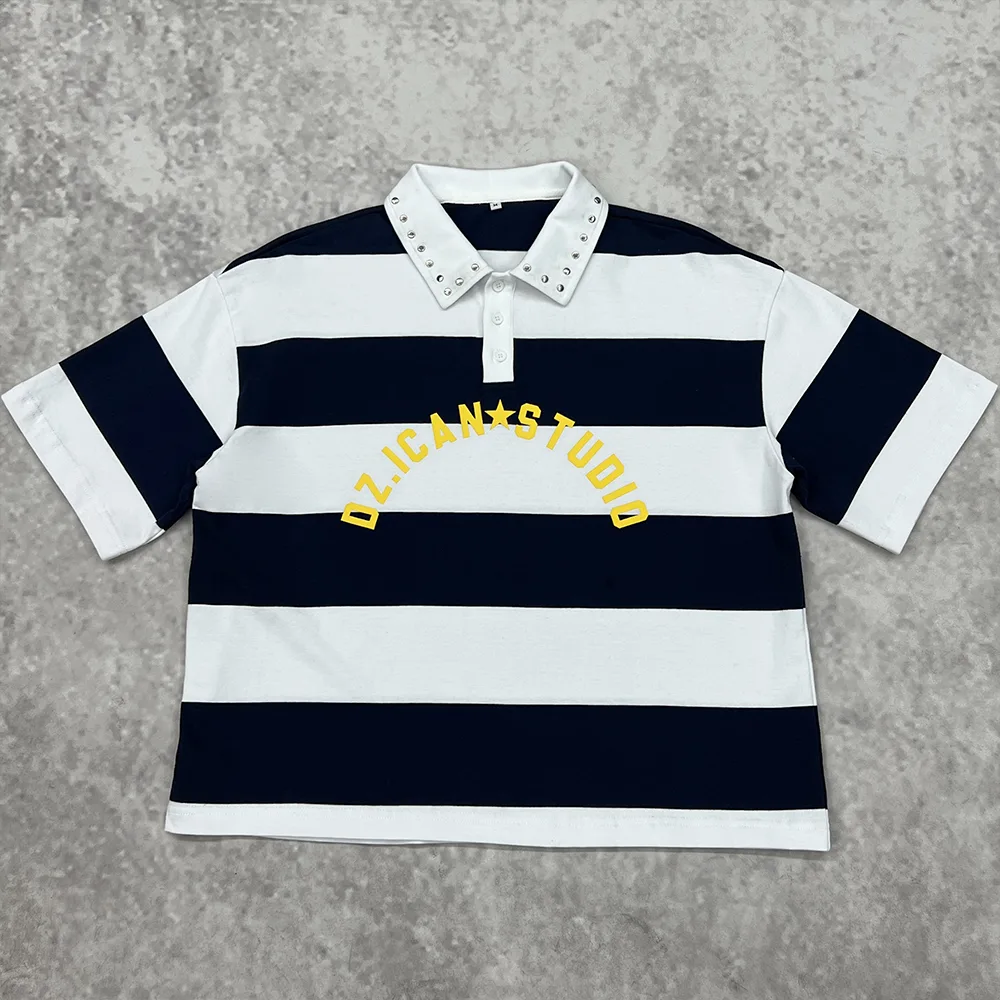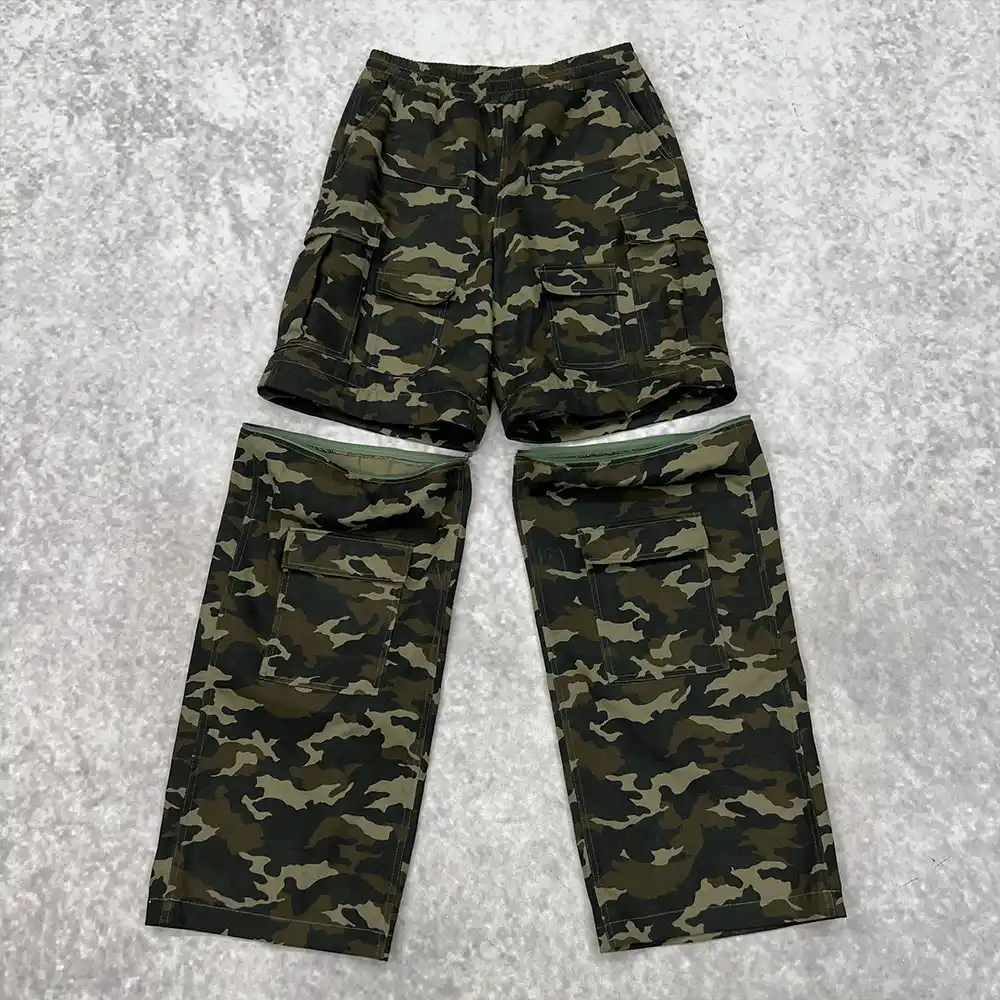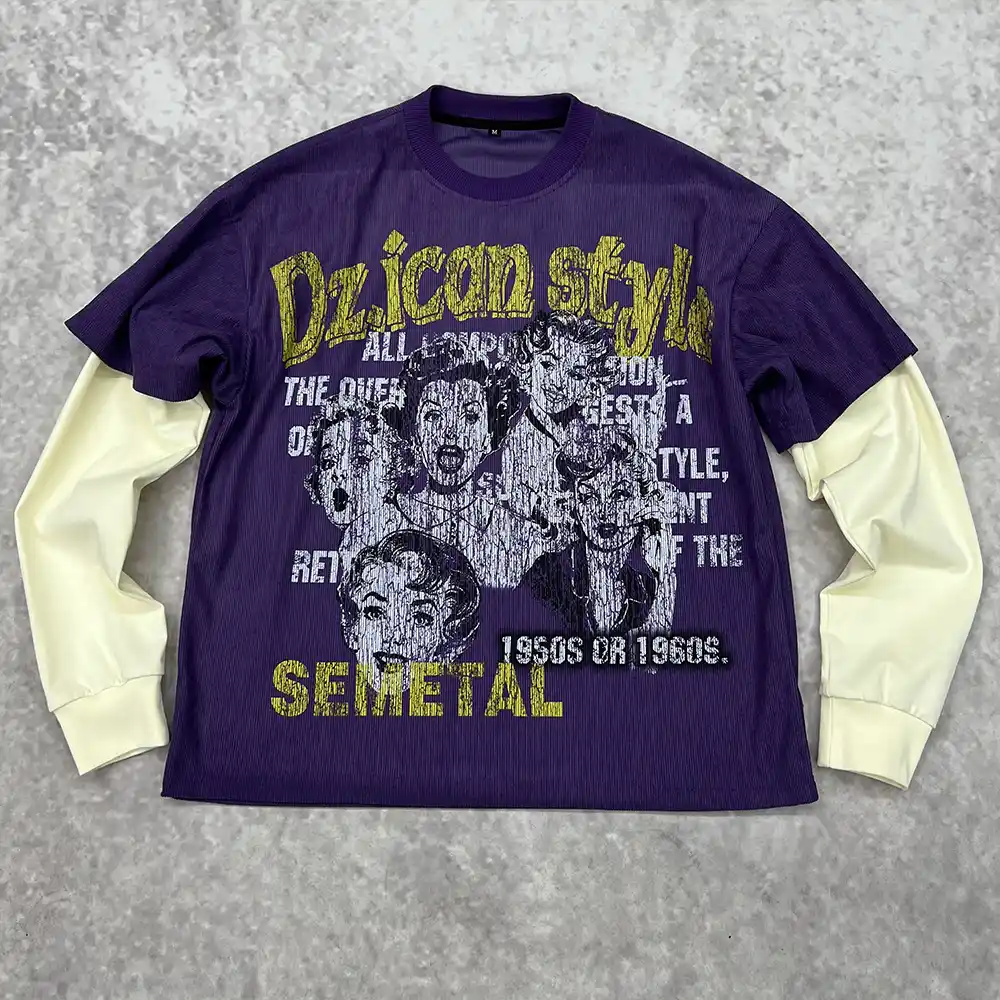

A strong streetwear collection moves from mood board to production through controlled decisions, not scattered inspiration.
A mood board can start a collection, but it cannot manufacture one. For growing streetwear brands, the real work begins when the visual direction is translated into product architecture: silhouettes, fabrics, GSM, trims, decoration methods, size range, sample stages, costing and bulk production planning.
This is where streetwear collection development becomes different from simply designing individual items. A collection needs visual consistency, commercial logic and production control. The hoodie, T-shirt, pants, jacket or overshirt should feel connected, but each style still needs its own fit, fabric, construction and quality plan.
This guide explains how to move from mood board to production without losing the original creative idea. It also connects back to Qianshiwear’s full streetwear product development pillar page, because collection development only works when concept, sampling, tech packs, fit and bulk production are planned together.
Why Mood Boards Are Only the Starting Point
A mood board is useful because it captures the feeling of a collection: color, attitude, references, styling, materials and lifestyle context. But a factory cannot produce from mood alone. The same mood board could become a heavyweight fleece collection, a washed jersey capsule, a denim and twill drop, or a mixed cut-and-sew program. Without translation, suppliers are forced to guess.
Premium brands use the mood board as a bridge, not a final instruction. They extract the design language and turn it into physical decisions: which fabric weights should carry the silhouette, which decoration methods fit the artwork, which trims support the brand identity, and which items deserve deeper sample development before bulk production.
| Mood Board Element | Production Translation | Buyer Decision |
| Color palette | Lab dips, fabric availability, dye method and shade tolerance. | Decide which colors are core, seasonal or limited. |
| Silhouette references | Fit block, pattern shape, grade rules and size range. | Choose whether the collection needs a new fit block or an approved base. |
| Texture and material feeling | GSM, yarn, brushing, washing, drape and shrinkage testing. | Decide stock fabric, custom fabric or mixed sourcing. |
| Graphic direction | Screen print, DTG, puff print, embroidery, applique or heat transfer tests. | Match artwork to fabric and bulk repeatability. |
| Styling story | Product lineup, colorway count, size curve and packaging direction. | Build a collection that can be sampled, costed and produced clearly. |
Step 1: Define the Collection Role
Before sketching every item, define what the collection needs to do. Is it a core repeat program, a seasonal drop, a premium capsule, or a product test for future scaling? A core program needs stronger repeat production control. A capsule may allow more visual experimentation, but still needs a clean sample and production plan.
For serious brands, collection development should also consider retail price, target customer, expected order quantity, launch timing and reorder potential. These business decisions shape the product. A high-value hoodie program may justify custom fleece and multiple sample rounds, while a small jersey capsule may work better with carefully selected stock fabric and fewer colorways.
Step 2: Build a Product Line Plan
A streetwear collection should not be a random group of styles. A practical line plan defines each style’s role: hero item, commercial item, layering item, bottom, outerwear or accessory. It also controls how many colors, fabrics and decoration methods the brand can realistically manage.
Many early collections become difficult because every style uses a different fabric, trim and artwork process. That can create production complexity, higher development cost and weaker quality consistency. A better approach is to use variety with structure: shared fabrics, controlled color families and repeatable trims across the line.
| Collection Item | Development Focus | Common Production Risk |
| Hero hoodie | Fit block, fleece GSM, hood shape, rib recovery and signature decoration. | Sample looks premium but bulk fabric or decoration feels different. |
| Graphic T-shirt | Jersey weight, wash effect, print hand and neckline stability. | Print placement, shrinkage or collar shape changes after washing. |
| Fleece pants | Rise, leg volume, waistband, drawcord and fabric recovery. | Fit grading fails across sizes or fabric bags out after wear. |
| Twill or denim piece | Fabric structure, seam construction, wash, hardware and measurement tolerance. | Shade variation, shrinkage and construction complexity add lead time. |
| Layering top | Drape, neckline, sleeve width, print/embroidery placement and styling balance. | Piece does not coordinate with the rest of the collection. |
Step 3: Convert Visual Direction Into Fabric Strategy
Fabric strategy is where collection development becomes physical. The same color palette will feel different on cotton jersey, French terry, brushed fleece, double-knit, denim or twill. GSM affects structure, drape, cost, shipping weight and customer perception. A 260 GSM jersey T-shirt and a 460 GSM fleece hoodie may belong in the same collection, but they need different sample and shrinkage controls.
At this stage, brands should decide which fabrics are shared across styles and which fabrics are special. A shared fleece can connect hoodies and pants. A custom rib can make a collection feel more deliberate. A washed jersey can support a vintage graphic story. For long-term programs, custom fabric may be worth developing; for smaller seasonal tests, approved stock fabric may be more efficient.

Collection development translates visual references into fabric, color, trim and decoration decisions that can be sampled and repeated.
Step 4: Decide Decoration Methods Early
Graphics are central to many streetwear collections, but decoration should not be treated as a final add-on. Screen printing, DTG, puff print, embroidery, applique, rhinestone heat transfer and washing effects all interact with fabric differently. A raised puff print may work well on heavyweight fleece but feel too heavy on a lightweight jersey. Dense embroidery may distort softer fabric if backing, stitch density and placement are not tested.
Decoration planning should happen before the final sample stage. If the artwork crosses seams, sits near pockets, or uses oversized placement, the pattern and decoration process must be planned together. This is why a clear production-ready tech pack matters: it turns artwork, measurements, placement and method into instructions the factory can follow.
Step 5: Create Tech Packs for Each Style
A mood board may describe the collection, but each style needs its own tech pack. The tech pack should include flat sketches, measurement points, size grading, fabric details, GSM target, trims, labels, print or embroidery artwork, placement measurements, construction notes, packing instructions and tolerance expectations.
For collection development, consistency across tech packs is just as important as detail inside each file. If the hoodie, T-shirt and pants all use different terminology, measurement logic or trim descriptions, sample development becomes slower. A shared naming system for colors, fabrics, trims and decoration placements helps the supplier keep the collection organized.
Step 6: Plan Samples by Risk, Not by Guesswork
Not every style in a collection needs the same number of samples. A new signature hoodie may need proto, fit, size set and PP sample approval. A repeat T-shirt block may need only a revised sample and final production reference. A washed garment may need fabric or wash testing before the full sample is approved.
The sampling plan should answer production questions in the right order. First confirm shape and construction, then fit and proportion, then size grading, then final fabric, decoration and trims. The more complex the fabric, wash, decoration or grading, the more important it is to avoid skipping stages. For a deeper breakdown, see the guides to proto, fit, size set and PP samples and how many samples a streetwear brand really needs before bulk production.
| Style Risk Level | Typical Sample Path | Why It Matters |
| Low risk repeat style | Revised sample and final approval reference. | Uses known fit, known fabric and limited new decoration. |
| New fit or silhouette | Proto sample, fit sample and PP sample. | Protects proportion and body fit before bulk cutting. |
| Custom fabric or wash | Fabric test, fit sample, wash test and PP sample. | Controls shrinkage, hand feel, color and drape. |
| Premium hero item | Proto, fit, size set and PP sample. | Reduces sample-to-bulk risk for the collection’s key product. |
Step 7: Build Production Planning Into the Collection
Production planning should begin before all samples are finished. Brands need to understand material lead time, sample lead time, decoration testing, bulk fabric booking, size ratio, trim availability, packaging requirements and inspection standards. A collection with too many unique fabrics or techniques may look exciting in the design phase but become difficult to scale.
Planning also protects launch timing. If the collection includes custom fleece, garment wash and embroidery, the critical path will be longer than a simple jersey capsule. Serious brands plan backwards from launch date and leave enough time for sample comments, revisions, bulk fabric confirmation, pre-production approval and final QC.
Step 8: Use QC Standards Before Bulk Production Starts
Quality consistency begins before the first bulk garment is sewn. Approved samples, measurement charts, fabric references, trim cards, decoration tests and packing standards should be ready before production starts. Inspection planning can reference frameworks such as ISO 2859-1 sampling procedures, while textile performance discussions may use AATCC testing standards for areas such as dimensional change and colorfastness.
For brands, the practical goal is not to turn development into paperwork. The goal is to make sure the collection that reaches customers matches the approved sample. That is especially important when the brand expects repeat production, future colorways or a scalable core program.

Before bulk production, the approved collection should have clear samples, materials, trims, measurements, decoration standards and QC checkpoints.
| Production Checkpoint | What to Confirm | Collection-Level Benefit |
| Approved samples | Fit, fabric, trims, decoration and finishing are signed off. | Keeps every style aligned with the intended product standard. |
| Material records | Fabric GSM, color, shrinkage, hand feel and supplier references are recorded. | Improves repeat production and future colorway consistency. |
| Decoration tests | Print hand, curing, embroidery density, placement and wash durability are checked. | Reduces bulk issues across graphic styles. |
| Size and tolerance rules | Measurement points, grade rules and acceptable tolerance are confirmed. | Protects fit consistency across the full collection. |
| Packing standard | Fold method, hangtags, labels, poly bags and carton direction are approved. | Creates a consistent customer-facing presentation. |
How Qianshiwear Supports Streetwear Collection Development
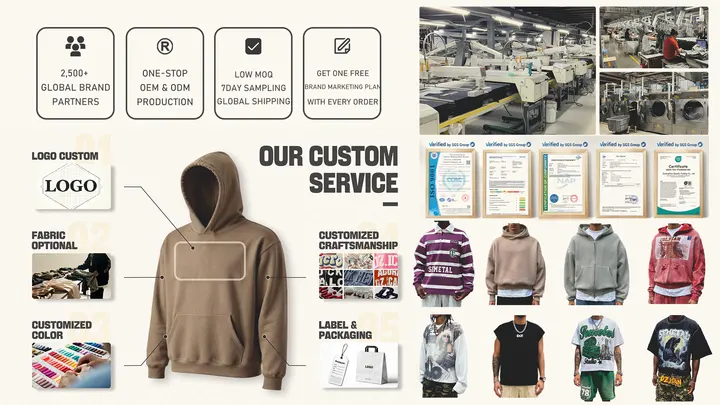
Qianshiwear helps growing and established streetwear brands turn mood boards, sketches, reference images and early concepts into production-ready collections. The process can include design review, fabric and GSM selection, tech pack support, pattern making, sample development, decoration testing, labels, packaging, bulk production planning and QC coordination.
For brands developing a premium collection, the best starting point is a clear mood board plus practical product information: target items, estimated quantity, size range, target fabric, decoration ideas, launch timing and reference fit. From there, Qianshiwear can help build a development route that supports both creativity and scalable production.
If your next collection needs stronger planning from concept to bulk production, contact Qianshiwear with your mood board, design files and target launch window.
FAQ
What should a streetwear collection mood board include?
It should include visual references, color direction, target silhouettes, fabric feeling, decoration mood, styling ideas and customer context. It does not need to be perfect, but it should give enough direction for product decisions.
How many styles should a first serious collection include?
There is no single number, but many growing brands benefit from a focused collection with a hero item, one or two commercial tops, a bottom and a supporting layer. Too many unrelated styles can make sampling and production harder to control.
When should tech packs be created?
Tech packs should be created before serious sampling begins. Early versions can evolve, but the sample maker needs clear measurements, fabric direction, construction notes and decoration placement to avoid unnecessary revisions.
Can one factory develop the whole collection?
Yes, if the factory has the right product range, fabric sourcing ability, decoration coordination and QC process. A single coordinated development partner can improve communication and collection consistency.