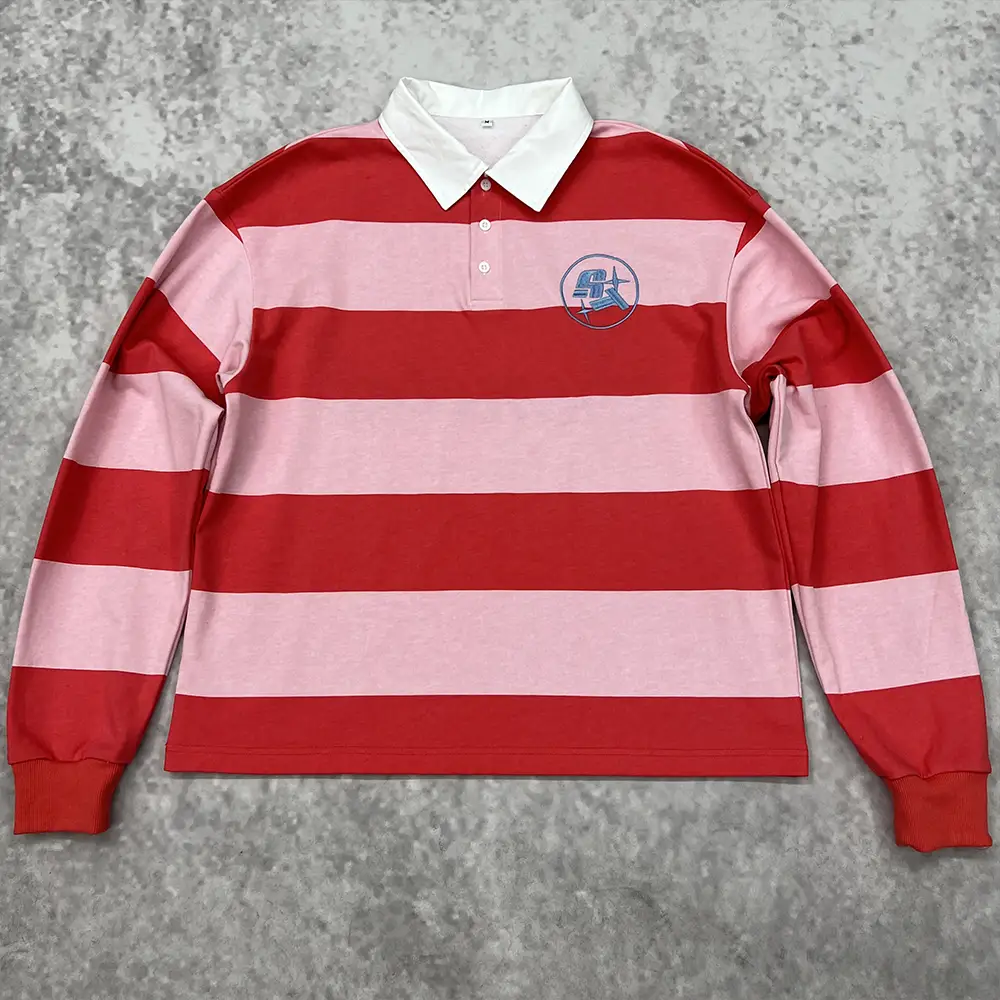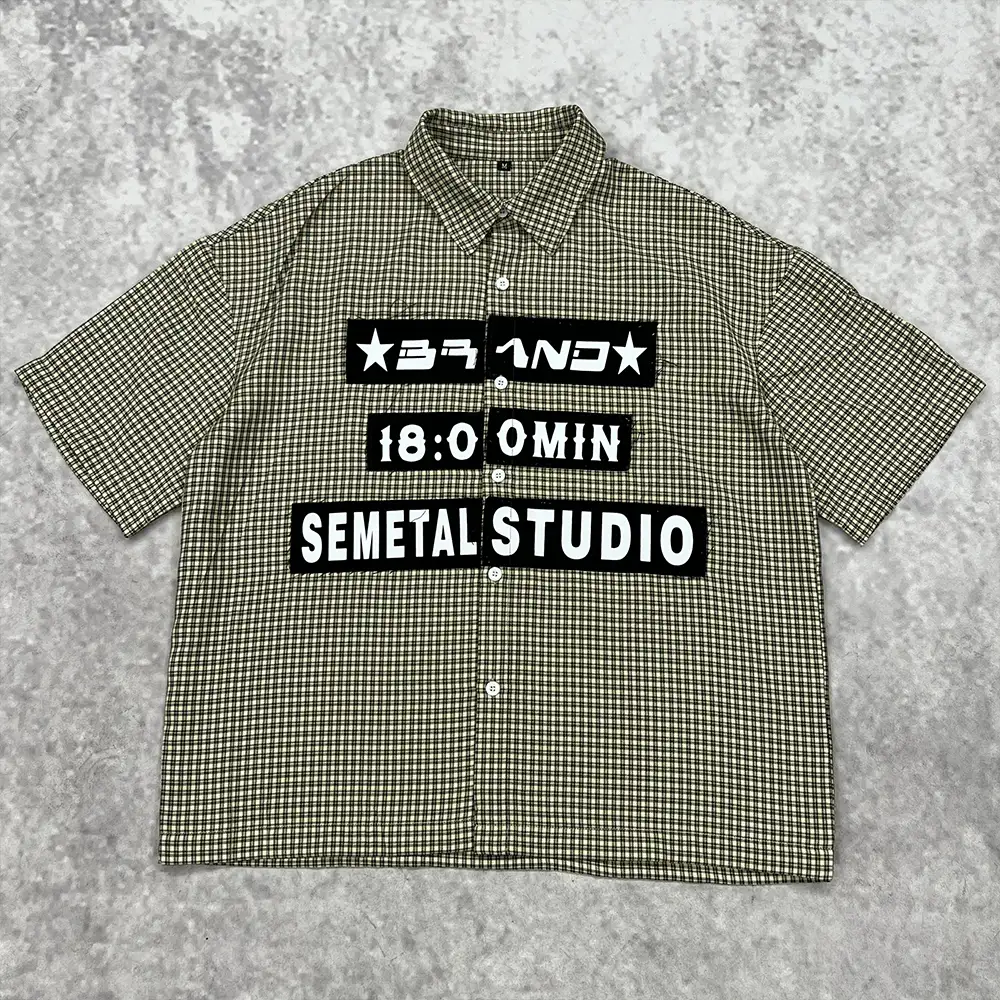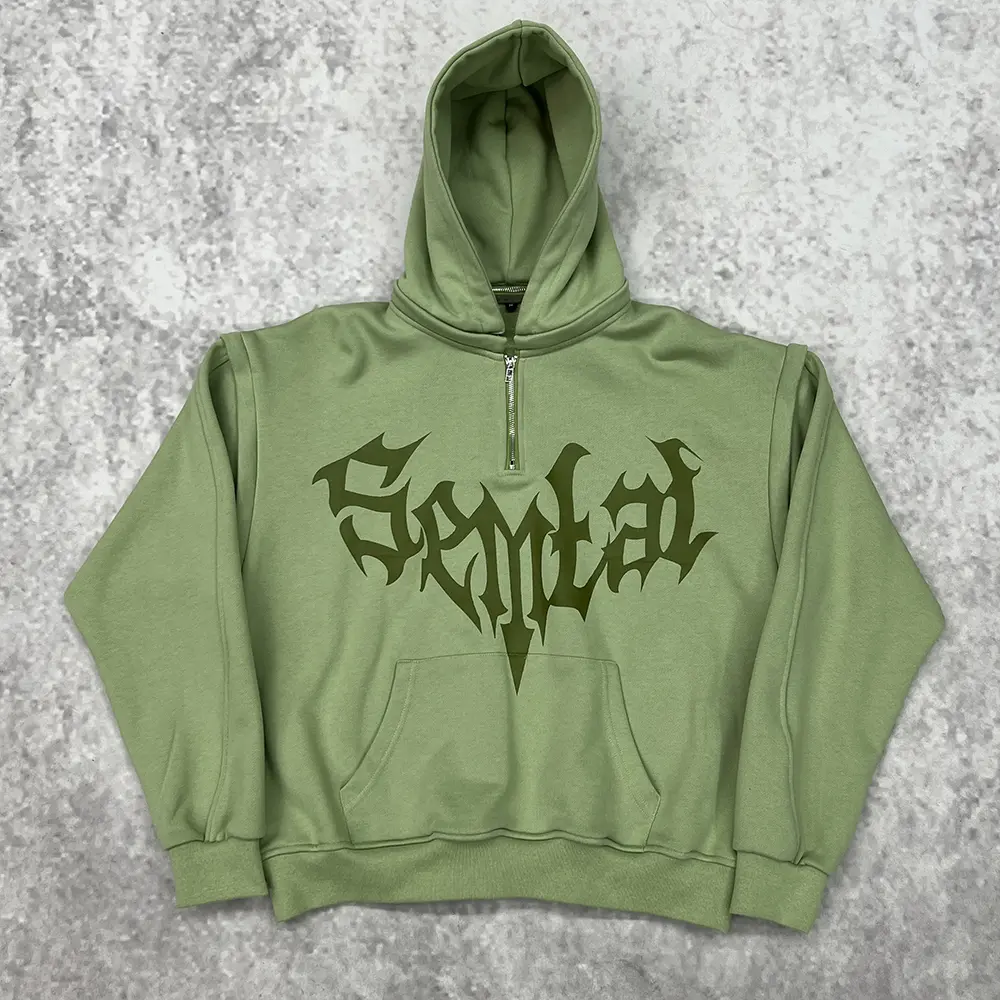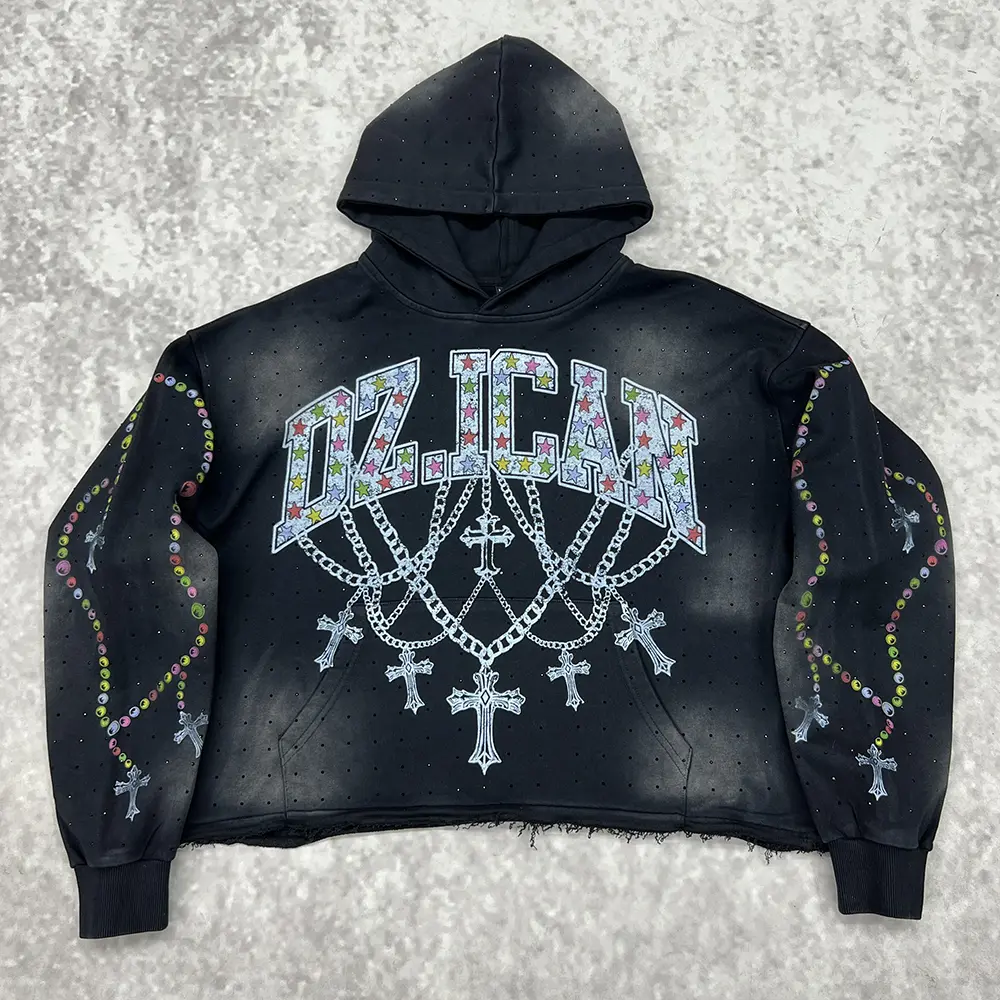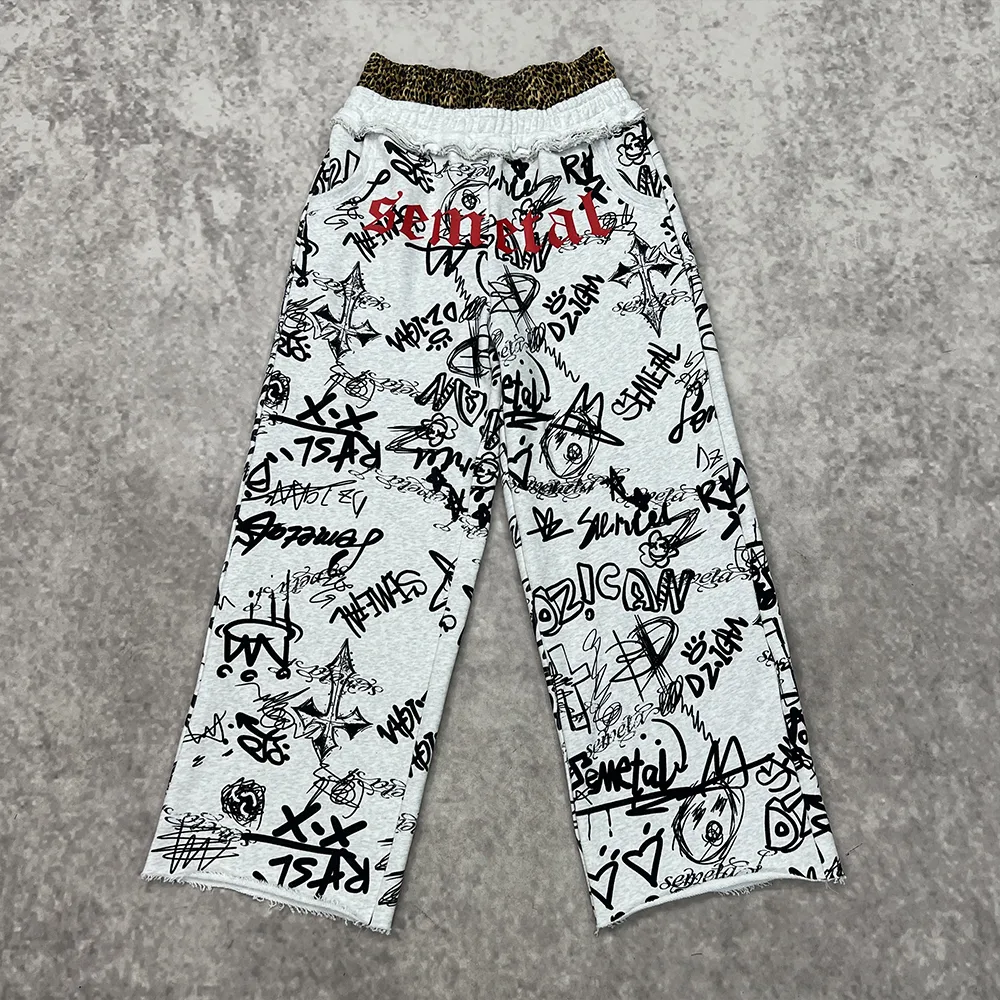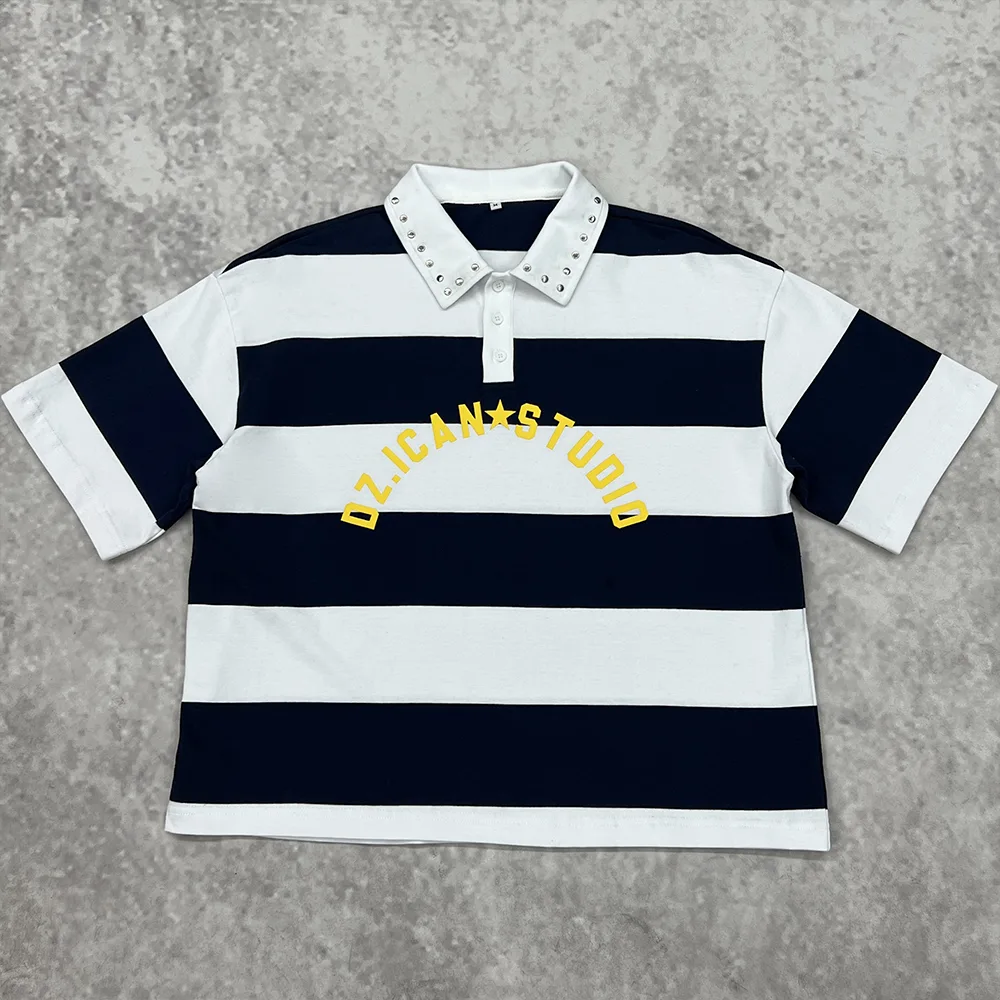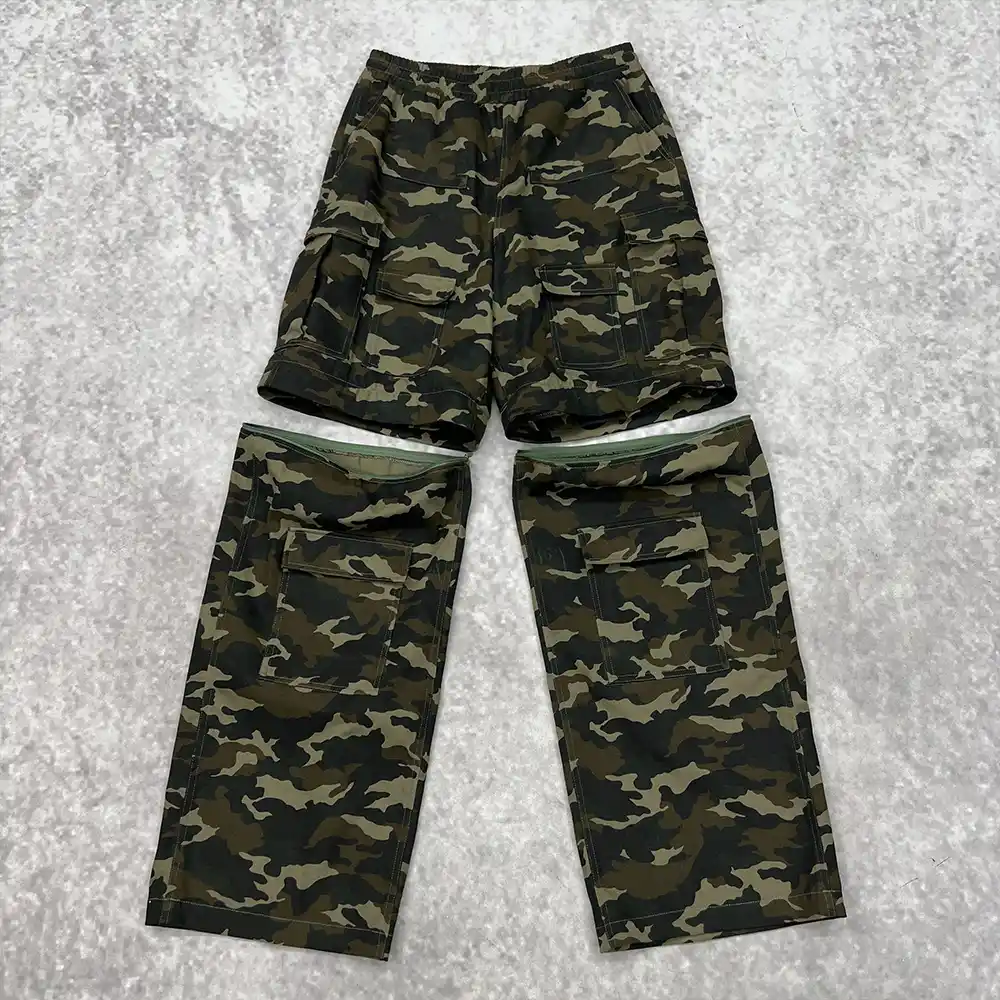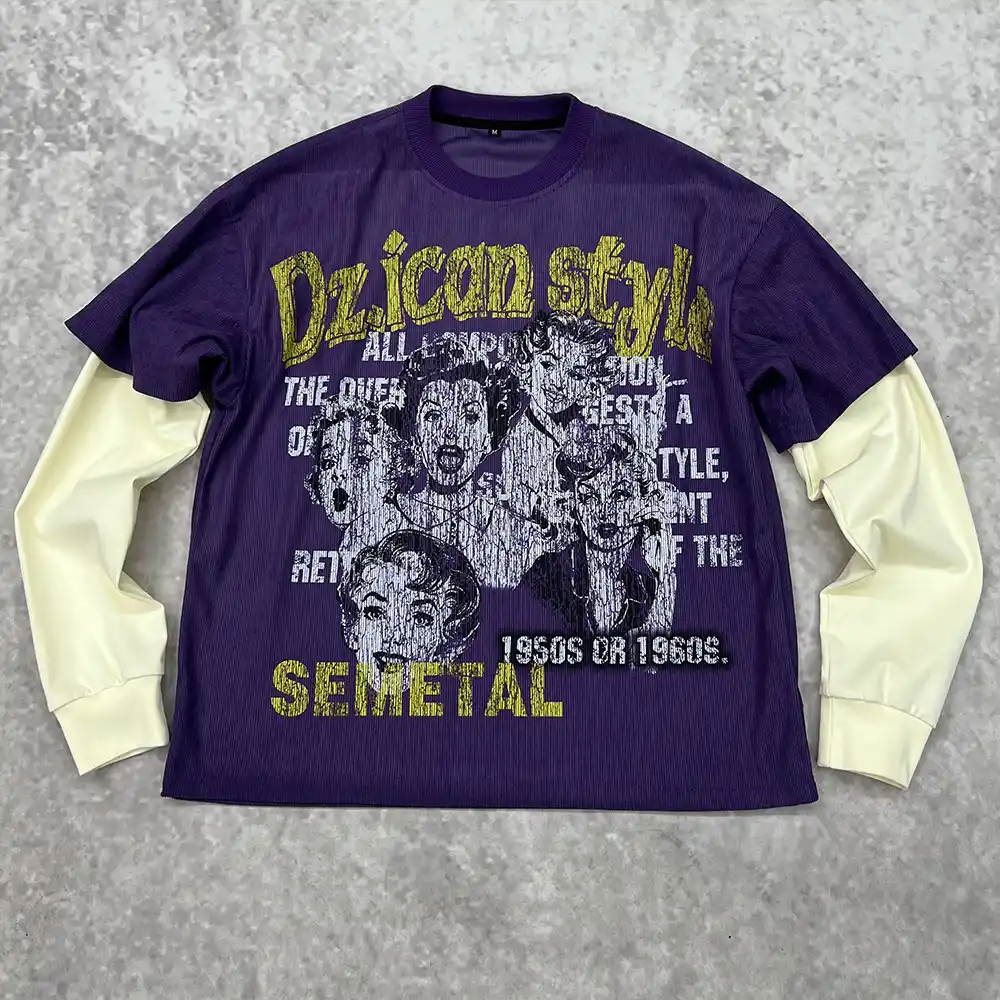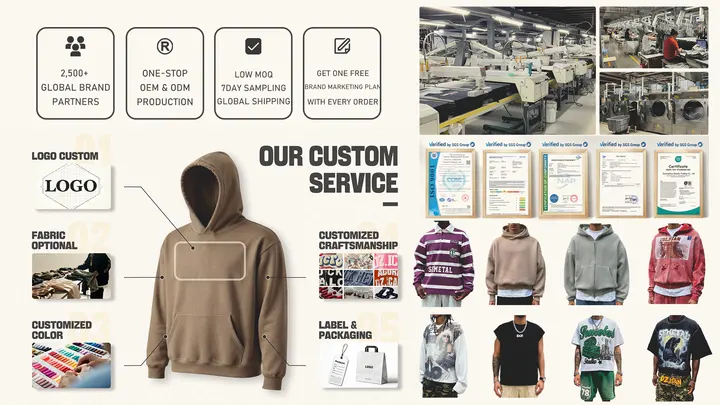
Choosing between OEM vs ODM clothing manufacturing is one of the first major decisions a fashion brand must make.
The wrong choice can lead to higher costs, slower product development, weak brand identity, or quality inconsistency. The right choice can help brands scale faster while maintaining control over design, fit, and production quality.
In 2026, more fashion startups and established streetwear labels are moving away from low-end “blank apparel + logo printing” suppliers. Instead, they are looking for manufacturers capable of true custom development, fabric sourcing, and long-term production support.
This article explains the real differences between OEM and ODM clothing manufacturing, when each model works best, and what modern apparel brands should consider before choosing a supplier.
What Is OEM Clothing Manufacturing?
OEM (Original Equipment Manufacturing) means the clothing factory produces garments based entirely on your brand’s specifications.
You provide:
- Tech packs
- Design sketches
- Fabric requirements
- Measurements
- Pantone colors
- Trim details
- Printing or embroidery instructions
The manufacturer then develops and produces the garments according to your requirements.
OEM Is Best For Brands That Want:
- Full creative control
- Unique product identity
- Custom fabrics and washes
- Long-term brand building
- Signature fits and silhouettes
This is the preferred model for many modern streetwear brands because it allows complete differentiation in a crowded market.
Typical OEM Products
- Heavyweight hoodies
- Vintage washed T-shirts
- Custom denim
- Cut-and-sew tracksuits
- Oversized silhouettes
- Garment-dyed sweatshirts
- Mixed-material jackets
What Is ODM Clothing Manufacturing?
ODM (Original Design Manufacturing) means the manufacturer already has existing garment styles or product frameworks that can be modified for your brand.
Instead of building products from zero, brands usually customize:
- Logos
- Colors
- Fabrics
- Labels
- Packaging
- Minor design details
ODM development is generally faster because the base pattern and production workflow already exist.

OEM vs ODM Clothing Manufacturing: Key Differences
| Factor | OEM Manufacturing | ODM Manufacturing |
|---|---|---|
| Product Design | Fully custom | Based on existing styles |
| Development Time | Longer | Faster |
| Brand Differentiation | High | Moderate |
| Product Ownership | Brand-owned | Shared structure |
| Fabric Flexibility | Very high | Limited |
| Sampling Cost | Higher | Lower |
| Production Complexity | Higher | Lower |
| Best For | Established brands & serious startups | Faster market testing |
Why Many Fashion Brands Prefer OEM in 2026
The apparel industry has become extremely saturated.
Many low-cost suppliers simply buy ready-made blank garments and add prints afterward. While this approach may reduce initial costs, it often creates problems:
- Generic product appearance
- Weak fit consistency
- Limited fabric choices
- Poor brand positioning
- Lack of exclusivity
Consumers today are more sensitive to quality, fit, and uniqueness — especially in streetwear and premium casualwear markets.
Brands increasingly want:
- Custom-developed silhouettes
- Unique fabric textures
- Better garment structure
- Specialized washing effects
- Higher perceived value
That is why OEM production continues to grow among independent fashion labels and scaling eCommerce brands.
The Biggest Misunderstanding About ODM Manufacturing
Many people assume ODM automatically means “cheap ready-made clothing.”
That is not always true.
Professional ODM manufacturers can still offer:
- Pattern adjustments
- Fabric upgrades
- New color development
- Custom trims
- Private label packaging
- Specialized finishing
However, there is a major difference between:
Real ODM Manufacturing
and
Blank Apparel Reselling
These are not the same thing.
Some low-end suppliers simply purchase stock garments from wholesale markets and add logos through heat transfer or screen printing. This is closer to merchandise decoration than actual manufacturing.
Serious apparel brands usually avoid this model because it limits product uniqueness and quality consistency.
OEM vs ODM Clothing Manufacturing for Streetwear Brands
Streetwear brands often require:
- Oversized fits
- Heavyweight fabrics
- Complex embroidery
- Vintage washing
- Puff printing
- Garment dyeing
- Unique trims and labels
These details usually require OEM-level development rather than basic stock garment printing.
| Streetwear Requirement | OEM | ODM |
|---|---|---|
| Custom silhouette | ✔ | Limited |
| Unique fabric GSM | ✔ | Limited |
| Complex washing | ✔ | Sometimes |
| Fully custom sizing | ✔ | Limited |
| Fast launch speed | Moderate | ✔ |
| Strong brand identity | ✔ | Moderate |

When ODM Makes More Sense
ODM can still be a smart option for some businesses.
ODM Works Well If You:
- Want faster development
- Need lower startup costs
- Are testing a new market
- Need simpler products
- Want proven garment structures
For example, a startup launching basic essentials may choose ODM first, then transition into OEM after validating demand.
How MOQ Affects OEM vs ODM Manufacturing
MOQ (Minimum Order Quantity) is one of the biggest sourcing concerns for emerging brands.
Traditional OEM factories often require very high MOQs because of:
- Fabric customization
- Pattern development
- Dyeing setup
- Production efficiency
However, modern flexible manufacturers now support lower MOQs while still maintaining true custom production quality.
This is especially important for:
- Startup brands
- Capsule collections
- Market testing
- Limited drops
- Seasonal launches
What Fashion Brands Should Ask Before Choosing a Manufacturer
Before selecting an OEM or ODM clothing manufacturer, ask these questions:
1. Do They Actually Manufacture Products?
Some suppliers are trading companies or print shops rather than real factories.
Ask about:
- In-house production
- Pattern development
- Fabric sourcing
- Washing capabilities
- Quality control process
2. Do They Offer Real Customization?
There is a huge difference between:
- Custom cut-and-sew production
and - Printing logos on stock garments
Ask whether they support:
- Custom patterns
- Custom fabrics
- Pantone dye matching
- Fabric weight selection
- Custom trims
3. Can They Maintain Bulk Quality Consistency?
One of the biggest problems in apparel sourcing is when bulk production does not match approved samples.
Check whether the supplier has:
- Production QC systems
- Fabric inspection
- Measurement tolerance control
- Pre-production approval workflows
4. Are Their Lead Times Stable?
Late production can destroy launch schedules.
Ask about:
- Sampling timelines
- Fabric sourcing time
- Bulk production lead times
- Peak season capacity
OEM vs ODM Clothing Manufacturing: Which Is Better?
There is no universal answer.
The better option depends on your business stage, budget, and brand goals.
| Brand Situation | Better Choice |
|---|---|
| Building long-term identity | OEM |
| Fast product launch | ODM |
| High customization needs | OEM |
| Lower development risk | ODM |
| Premium streetwear positioning | OEM |
| Testing product demand | ODM |
For many growing brands, the most practical path is:
- Start with ODM to validate the market
- Transition into OEM for long-term brand differentiation
FAQs
What is the difference between OEM and ODM clothing manufacturing?
OEM manufacturing involves fully custom product development based on your brand’s designs. ODM manufacturing uses existing product structures that can be modified for branding and minor customization.
Is OEM better than ODM for streetwear brands?
In most cases, yes. Streetwear brands usually require custom fits, heavyweight fabrics, washing techniques, and unique garment construction that are better suited for OEM production.
Is ODM cheaper than OEM?
For factories like Qianshiwear that maintain the same quality, there won’t be a significant price difference between ODM and OEM.
Can small brands use OEM manufacturing?
Yes. Many modern manufacturers now offer lower MOQs, making OEM production accessible for startups and emerging fashion labels.
Do all clothing manufacturers offer real OEM services?
No. Some suppliers only print logos on ready-made stock garments. Real OEM manufacturers support custom pattern development, fabric sourcing, and complete apparel production workflows.