
As a streetwear manufacturing expert with years of experience supporting European and American indie brands, I’ve guided numerous owners through the intricacies of private label collaboration with garment factories. In today’s fast-paced urban fashion scene, partnering with reliable custom clothing makers isn’t just about outsourcing—it’s about forging alliances that solve real production challenges like meeting MOQ requirements, controlling costs, and ensuring quality in wholesale hoodies or custom jumpsuits. Missteps in communication or specs can lead to delays, waste, and budget overruns, derailing your drops. This guide focuses on actionable strategies to streamline private label collaboration, emphasizing practical steps for material sourcing, cost management, and craft alignment to deliver market-ready pieces without headaches.
Establishing Clear Communication in Private Label Collaboration
Effective private label collaboration starts with transparent dialogue to align visions and prevent costly revisions. Define your brand ethos early by sharing mood boards, color schemes, fabric preferences (like GSM for hoodies), and audience insights. This helps garment factories grasp your urban aesthetic, reducing mismatches in custom jumpsuits or wholesale hoodies. Appoint a dedicated liaison to centralize updates, minimizing errors in order routing. Leverage visual tools—technical sketches, CAD files, and swatch samples—to bridge gaps, ensuring factories translate designs accurately.
From a production lens, poor communication spikes rework costs by 20-30%. Implement shared digital platforms for real-time feedback, cutting lead times. For indie brands, this means focusing on essential details upfront to avoid overpaying for samples.
To compare communication methods:
| Method | Pros | Cons | Cost Impact (USD per Project) | Scenarios |
|---|---|---|---|---|
| Email/Calls | Simple, low-tech | Prone to misinterpretation | $50-100 | Initial inquiries |
| Visual Aids (CAD) | Precise, visual clarity | Requires software access | $100-200 | Design-heavy custom jumpsuits |
| Shared Platforms | Real-time collaboration | Learning curve | $200-300 (setup) | Ongoing private label runs |

Decoding MOQ Explained: Managing Minimums in Garment Factories
Understanding MOQ (Minimum Order Quantity) is pivotal in private label collaboration, as it directly impacts cost control and scalability. MOQ is the lowest volume garment factories accept per run to optimize lines and minimize waste—often 100-500 units for wholesale hoodies. High MOQs challenge indies testing markets, but strategies like order consolidation (bundling hoodies with jumpsuits) or phased production help negotiate lower thresholds.
Solve MOQ hurdles by scouting factories specializing in low-volume custom clothing makers, ideal for urban prototypes. This reduces inventory risks while testing designs. Cost-wise, meeting MOQ unlocks bulk material discounts, dropping per-unit prices by 15-25%.
Comparison table for MOQ management:
| Strategy | Description | Pros | Cost Savings (%) | Applicable Scenarios |
|---|---|---|---|---|
| Consolidation | Bundle multiple items | Meets higher MOQ easily | 10-20 | Mixed wholesale hoodies/jumpsuits |
| Staggered Runs | Phased deliveries | Flexible cash flow | 5-15 | Seasonal private label drops |
| Low-MOQ Factories | Specialized small-batch | Quick testing | Higher initial (10%) | Indie prototypes |
Check Investopedia’s MOQ definition for details. Link to our apparel fabric weight blog for GSM-MOQ ties.
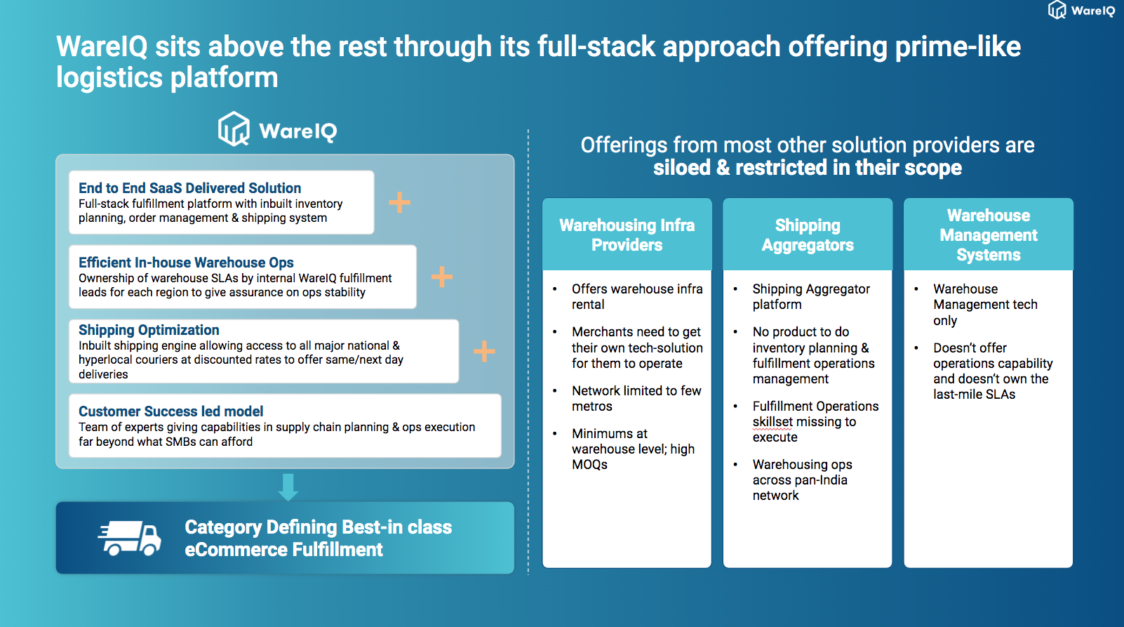
Crafting Detailed Tech Packs for Seamless Garment Factory Execution
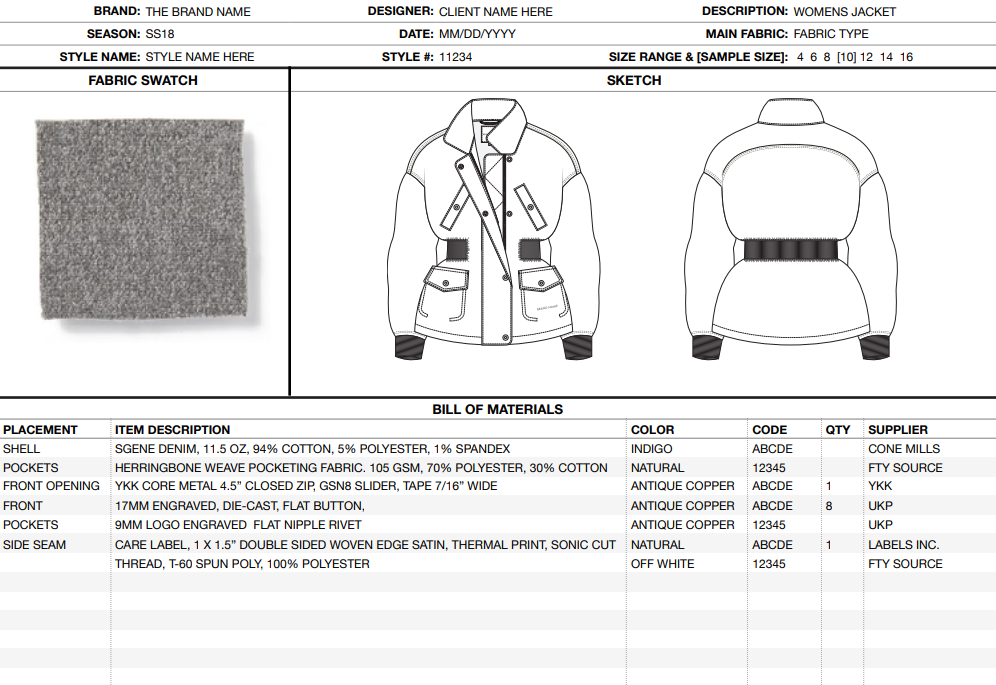
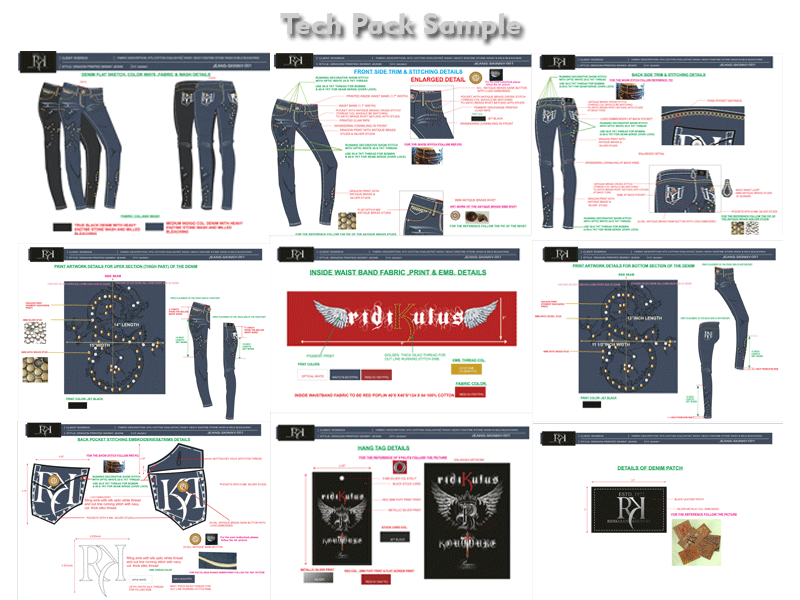
A robust tech pack is the blueprint for private label collaboration, solving specification ambiguities that cause defects. Include flat sketches, size charts, stitch types, trims, and labels to guide custom clothing makers precisely. For wholesale hoodies, specify GSM (e.g., 300 for heavyweight), fiber blends, and features like fleece lining to ensure durability.
Address cost control by detailing tolerances—±1cm for measurements—to minimize rejects. Indie brands often overlook this, leading to 10-20% extra expenses in revisions. Use digital tools for accuracy, streamlining craft choices like seam reinforcements.
Table of tech pack components:
| Component | Purpose | Key Details | Cost Impact (per Unit, USD) | Scenarios |
|---|---|---|---|---|
| Sketches | Visual design confirmation | Front/back views | $0.50-1 | All garments |
| Measurements | Fit assurance | Tolerance levels | $1-2 | Custom jumpsuits |
| Fabric Specs | Material quality | GSM, fiber content | $2-5 | Wholesale hoodies |
| Trims/Labels | Finishing touches | Placement instructions | $0.50-2 | Branding elements |
Explore Sewport’s tech pack template for examples.
Navigating Sampling and Prototyping in Private Label Partnerships
Sampling phases in private label collaboration verify designs before full runs, tackling fit and material issues early. Differentiate: First samples check construction; fit samples assess wearability; pre-production samples finalize approvals. Conduct iterative reviews via video or visits, providing actionable feedback to garment factories.
This process controls costs by catching flaws pre-bulk, saving 15-30% on waste. For custom jumpsuits, emphasize mobility tests; for hoodies, durability washes.
Comparison of sample types:
| Sample Type | Focus | Timeline (Weeks) | Cost per Sample (USD) | Benefits |
|---|---|---|---|---|
| First Sample | Design/material confirmation | 1-2 | $50-100 | Quick validation |
| Fit Sample | Wearability on model | 2-3 | $100-150 | Adjust sizing |
| Pre-Production | Final quality check | 3-4 | $150-200 | Risk reduction |
Document via shared files for traceability. See our Production page for sampling tips.
Implementing Robust Quality Control with Garment Factories
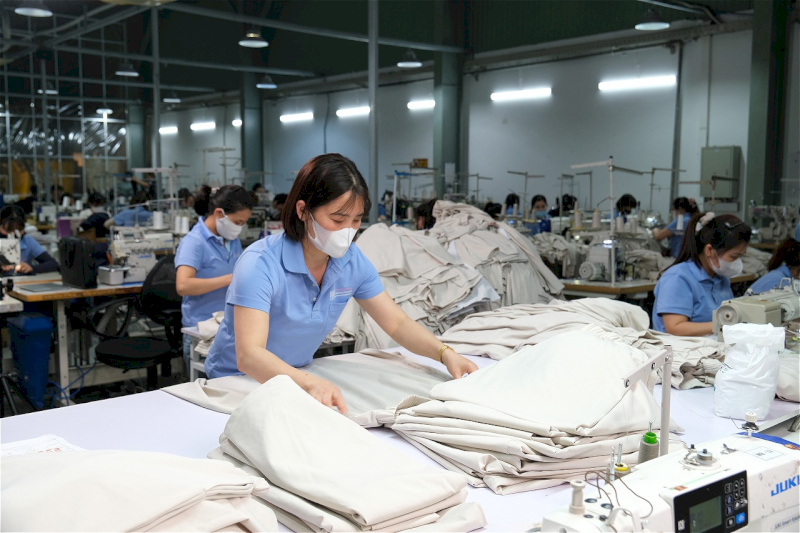
Quality control safeguards private label collaboration, preventing defects that erode brand trust. Conduct in-line inspections at cutting, stitching, and finishing stages to spot issues like uneven seams early. Final AQL checks sample batches for consistency in color, stitches, and labels.
For indie brands, third-party audits add objectivity, especially for complex custom jumpsuits. This minimizes returns, controlling costs at 5-10% of production value.
Table for QC procedures:
| Procedure | Stage | Tools/Methods | Cost Impact (%) | Scenarios |
|---|---|---|---|---|
| In-Line Inspection | Mid-production | Visual checks | 5-10 savings | All runs |
| Final AQL | Post-production | Random sampling | 10-15 reduction in defects | Wholesale hoodies |
| Third-Party Audit | Optional for large orders | External experts | +5-10 premium | High-value custom jumpsuits |
Refer to ISO’s quality standards for AQL.
Fostering Long-Term Relationships in Private Label Collaboration
Building loyalty with garment factories ensures reliable private label collaboration, solving supply chain disruptions. Maintain consistency with timely payments and forecasts, enabling better material planning for wholesale hoodies. Jointly address challenges like delays through contingency strategies.
This approach yields cost benefits like priority scheduling and discounts, up to 20% on repeats.
Strategies table:
| Approach | Benefits | Implementation | Long-Term Impact |
|---|---|---|---|
| Timely Payments | Builds trust | Structured terms | Steady pricing |
| Forecasting | Reduces lead times | Annual projections | Efficient scaling |
| Problem-Solving | Strengthens partnership | Collaborative meetings | Innovation in designs |
Link to heavyweight fleece for material planning insights.

Leveraging Technology for Efficient Garment Factory Partnerships
Technology streamlines private label collaboration, addressing tracking and efficiency gaps. Use cloud tools like Asana for task transparency and 3D software for virtual sampling, cutting physical prototype costs by 25%. ERP systems sync data for real-time order monitoring.
For indies, this means faster iterations on custom jumpsuits without travel.
Tech tools comparison:
| Tool | Function | Pros | Cost (Monthly, USD) | Scenarios |
|---|---|---|---|---|
| Asana/Trello | Project management | User-friendly | $10-50 | Daily updates |
| 3D Prototyping | Virtual designs | Reduces samples | $50-200 | Design testing |
| ERP Systems | Data integration | Real-time insights | $100-500 | Large-scale private label |

Negotiating Pricing and Terms in Private Label Deals
Fair negotiations in private label collaboration control costs while ensuring quality. Request breakdowns of labor, fabrics, and overheads for transparency. Balance volume discounts with trial MOQs for low-risk testing of wholesale hoodies.
Structure payments in milestones to share risks, fostering trust.
Pricing strategies table:
| Term | Description | Benefits | Risk Mitigation |
|---|---|---|---|
| Cost Breakdown | Detailed expense list | Informed decisions | Avoid overcharges |
| Volume Discounts | Lower rates for bulk | 10-20% savings | For established lines |
| Milestone Payments | Phased disbursements | Cash flow management | Shared accountability |
FAQ: Common Private Label Collaboration Queries
Q: What is MOQ explained in simple terms?
A: MOQ is the minimum units factories require per order to make production viable, often negotiable for indies.
Q: How to create a tech pack for garment factories?
A: Include sketches, specs, and tolerances; use templates from industry sites.
Q: Best way to handle quality issues?
A: Implement in-line checks and AQL for early detection.
Conclusion: Production Insights on Private Label Collaboration from Experts
From Qianshiwear’s OEM/ODM vantage, the future of private label collaboration with garment factories trends toward digital integration and sustainable practices, as indie brands demand agile, eco-friendly partnerships amid supply chain shifts. Ultimate advice: Prioritize modular tech packs and forecasting to hybridize orders, reducing MOQs while scaling efficiently. A professional manufacturer like Qianshiwear can facilitate this, managing everything from MOQ negotiations to quality audits, turning your wholesale hoodies and custom jumpsuits visions into cost-effective realities. Visit our Solutions page or explore coat vs jacket differences for more production strategies.











