
You think vintage streetwear is just a nostalgic nod to the ’90s skate parks and hip-hop crews? Think again. In the factories here in Guangzhou, we’re seeing it morph into a powerhouse that’s blending retro vibes with cutting-edge sustainability—driving sales that outpace sleek minimalism by 30% in some markets. It’s not revival; it’s reinvention. And if you’re a brand owner eyeing wholesale, this shift could make or break your next drop.
Picture this: back in the early 2000s, when I first started stitching hoodies in a cramped workshop off Yuexiu District, vintage meant rummaging through deadstock bins for that faded cotton feel. Fast forward to today, and it’s evolved. The why? Consumers crave stories. Gen Z isn’t buying clothes; they’re buying eras. Retro vintage streetwear taps into that—’80s bold prints, ’90s oversized fits, early 2000s distressed edges—all remixed with modern tech like enzyme washes that mimic years of wear without the waste. It’s fired up again because sustainability rules now. Brands like yours are ditching fast fashion for pieces that feel timeless, cutting down on returns by evoking emotion. According to a report from McKinsey on fashion trends, nostalgia-driven apparel has seen a 25% uptick in demand since 2023, and it’s not slowing.
But here’s where it gets tricky. You dive into sourcing retro vintage streetwear wholesale, excited about those sun-faded hoodies or cracked-print tees, only to hit walls that eat your margins. Let’s dissect the pain points. One big trap: chasing cheap enzyme treatments without checking the factory’s process. We’ve seen brands order 500 units of vintage-washed denim jackets, only for the fabric to pill after one wash because the enzymes weren’t pH-balanced right. Result? Sky-high customer complaints, returns spiking to 15%, and your rep takes a hit. Costs you thousands in refunds and lost loyalty.
Another pitfall: ignoring MOQ mismatches. You want small runs to test the market—say, 100 pieces of oversized graphic tees—but wholesalers push 500-minimum orders. If you cave, you’re stuck with inventory that ties up cash for months. We’ve had clients burn through budgets this way, delaying launches by quarters. And don’t get me started on colorfastness issues. Opt for budget dyes on those retro tones, and your “vintage” fades unevenly, leading to inconsistent batches. That means reorders become a nightmare, with delays pushing your drop from spring to summer—missing peak sales windows.
From our 15 years in the trenches, serving over 300 indie brands from LA to London, one truth stands out: the “vintage” look isn’t just aesthetic; it’s a science. Take a client we worked with last year—an upstart from New York. They came to us after a bad run with a supplier who promised acid-washed finishes but delivered uneven bleaching. We switched them to our controlled stone-wash method, using pumice calibrated to 2-3mm for that authentic distress without tearing fibers. Their sell-through rate jumped 40%. That’s the kind of insider tweak you won’t find in generic guides.

Streetwear Aesthetic: The Evolution of Urban Fashion Culture
Now, on the craft side, the real magic happens in the details only factories like ours reveal. For instance, when doing cracked prints on hoodies, most use plastisol inks that crack too soon or not at all. But we’ve dialed in a water-based formula mixed at 60% viscosity, baked at 150°C for 90 seconds—it gives that perfect vintage crackle after 10 washes, mimicking genuine age. A anonymous European brand we supplied saw their resale value double because collectors loved the “lived-in” authenticity.
So, how do you choose the right path without gambling? It boils down to options in face fabrics, treatments, and strategies. Here’s a clear breakdown to help you decide.
| Option | Parameters | Cost per Unit (USD) | Pros | Cons | Best for Brands |
|---|---|---|---|---|---|
| Basic Cotton Blend with Enzyme Wash | 280gsm cotton-poly, mild enzyme dip | 8-12 | Affordable, soft hand-feel, quick production | Less durable distress, fades faster | Startup testing markets, low-budget drops |
| Premium Organic Cotton with Stone Wash | 320gsm organic cotton, pumice stone abrasion | 15-20 | Eco-friendly, authentic vintage texture, holds color | Higher MOQ (200+), longer lead time (4-6 weeks) | Sustainable-focused brands, mid-tier retail |
| Deadstock Fabric with Acid Wash | Recycled denim/cotton, controlled acid bleach | 18-25 | Unique one-of-a-kind fades, zero new waste | Variable availability, potential inconsistencies | High-end niche labels, limited-edition runs |
We once had a West Coast client ignore this, opting for the cheapest enzyme on heavy tees. Batch came back patchy; they lost a collab opportunity. Lesson? Test samples rigorously. Send us your specs, and we’ll prototype three variants—basic, premium, deadstock—for side-by-side comparison.
Diving deeper into retro vintage streetwear wholesale, the allure ties back to its roots in subcultures. Skateboarding in the ’80s birthed those baggy pants; hip-hop amplified graphic boldness. Today, it’s why pieces like vintage-style hoodies fly off shelves—they’re not just clothes; they’re cultural badges. But sourcing wrong amplifies risks. Third pitfall: overlooking supply chain transparency. You partner with a factory that subcontracts dyeing, and suddenly lead times balloon from 30 to 60 days because of hidden delays. We’ve audited over 50 suppliers in Guangdong; only 20% maintain in-house control, which slashes errors by half.
Our edge? Full vertical integration. From yarn spinning to final QC, everything under one roof in Baiyun District. A Midwest U.S. brand switched to us after their previous wholesaler ghosted on a 1,000-unit order of distressed joggers. We turned it around in 25 days, with custom sun-faded tones that matched their ’90s inspo perfectly.
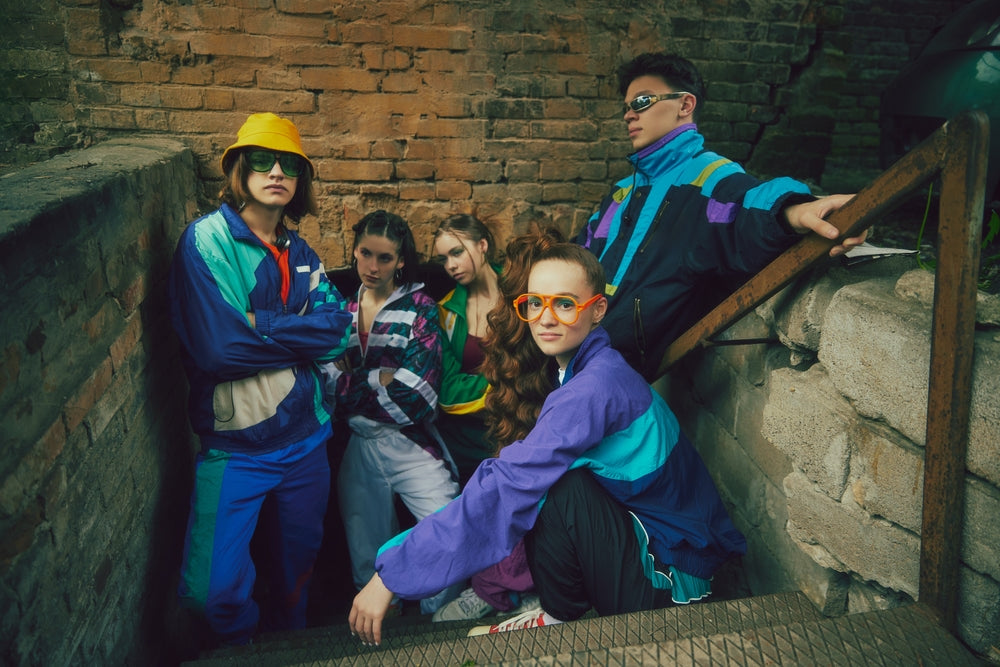
What is Vintage Streetwear – Double Up London
To make your sourcing smoother, let’s tackle some FAQs straight from brand owners we’ve chatted with over coffee
FAQ 1: What’s the minimum order for custom vintage streetwear?
Aim for 100-200 pieces per style. We flex down to 50 for samples, but scaling up cuts costs by 20%.
FAQ 2: How do I ensure the vintage wash doesn’t damage the fabric?
Insist on pre-wash tests. Our process includes a 5-cycle machine wash check—prevents shrinkage over 3%.
FAQ 3: Can I mix eco-materials in retro designs?
Absolutely. We blend recycled polyester with cotton for hoodies; it holds distress better than pure synthetics.
FAQ 4: What’s the lead time for wholesale orders?
4-8 weeks, depending on complexity. Rush options shave off 10 days for a small fee.
FAQ 5: How to price vintage pieces for profit?
Mark up 2.5-3x cost. Factor in storytelling—vintage sells at premiums up to 50% over standard streetwear.
Looking ahead, here’s my bold take: by 2028, retro vintage streetwear wholesale will pivot hard to bio-engineered fabrics that age “naturally” via embedded enzymes. No more chemical washes; think self-distressing tees. It’s coming—we’re prototyping it now. This trend will separate innovators from followers, boosting margins for brands that adapt early.
That said, pulling off this reinvention needs a partner who’s been through the cycles. At Qianshiwear, we’re not just manufacturers; we’re your Guangzhou ally in navigating these shifts. We’ve got the setups for custom runs, low MOQs, and those insider tweaks that turn good ideas into sellouts. Drop us a line—let’s chat about your next collection. Check our streetwear customization solutions for more, or see global trends on Fashionista’s vintage revival article.

70 Different Fashion Styles to Find Yours (500+ Outfits Total – Update – Panaprium











