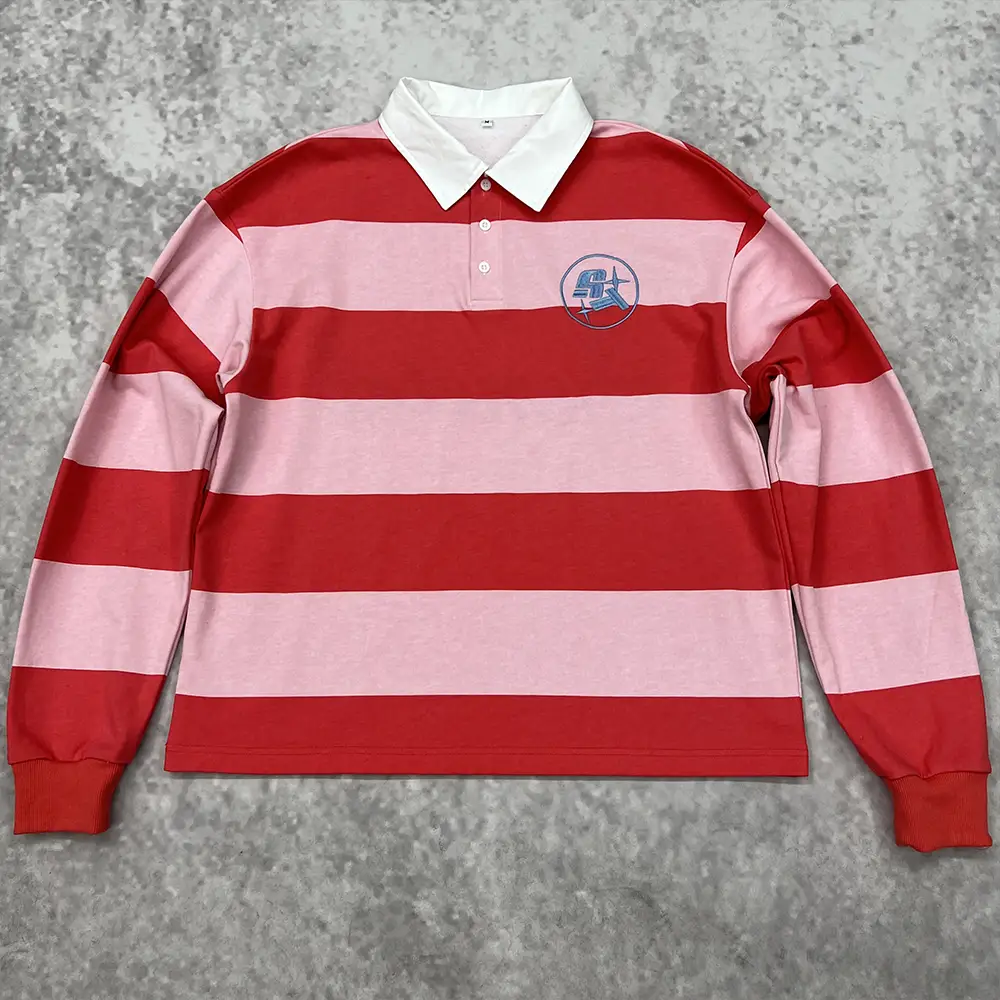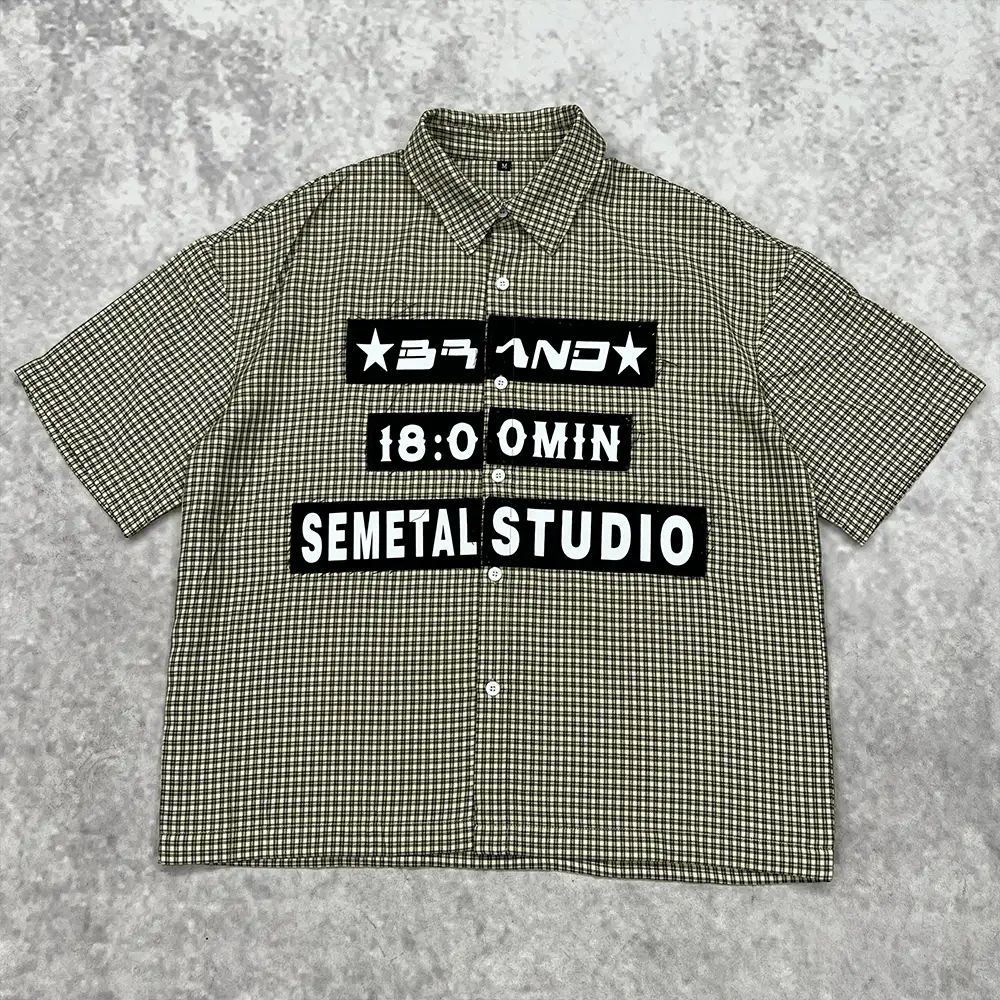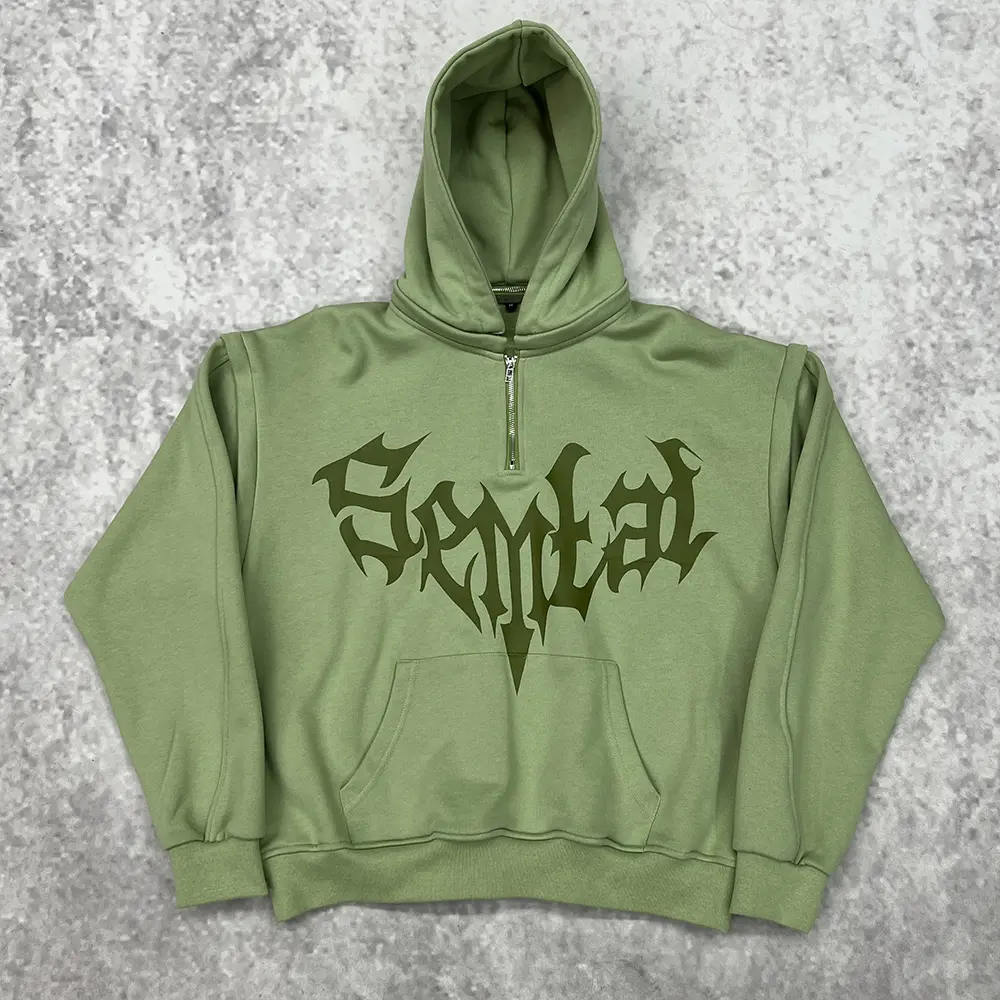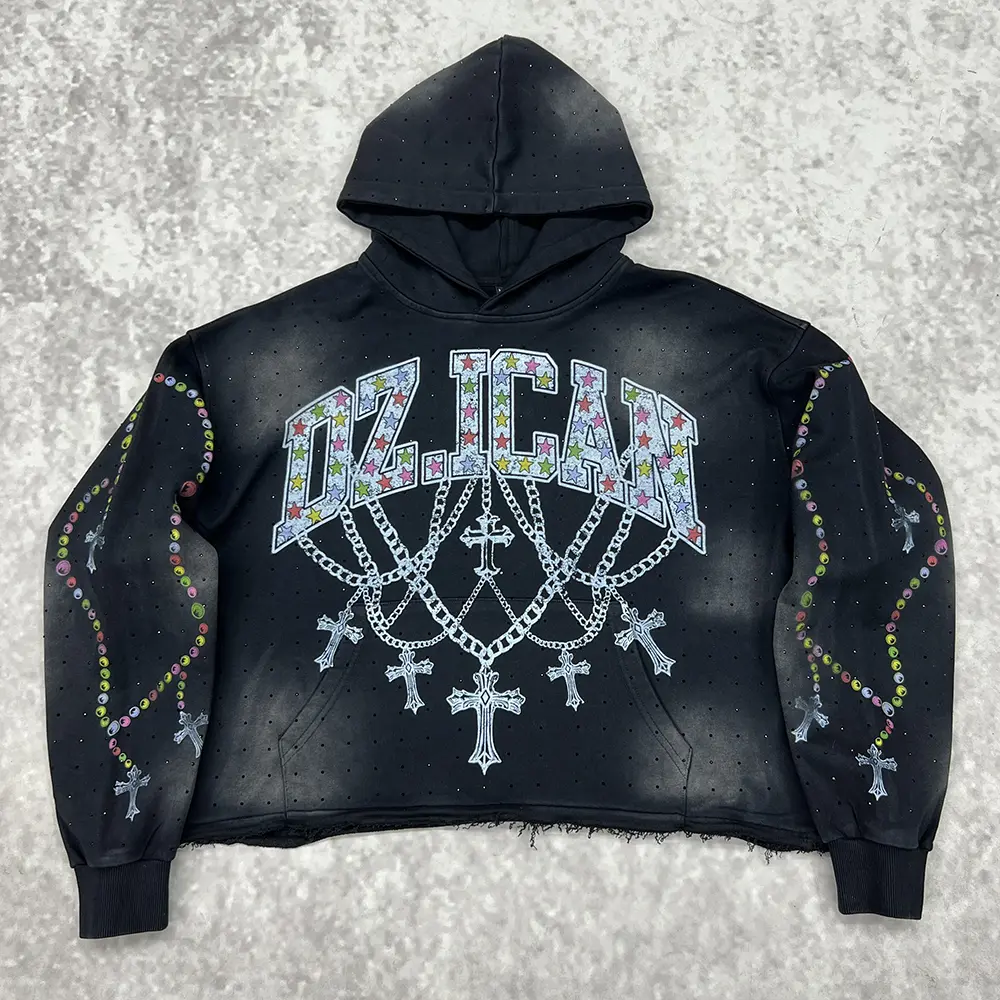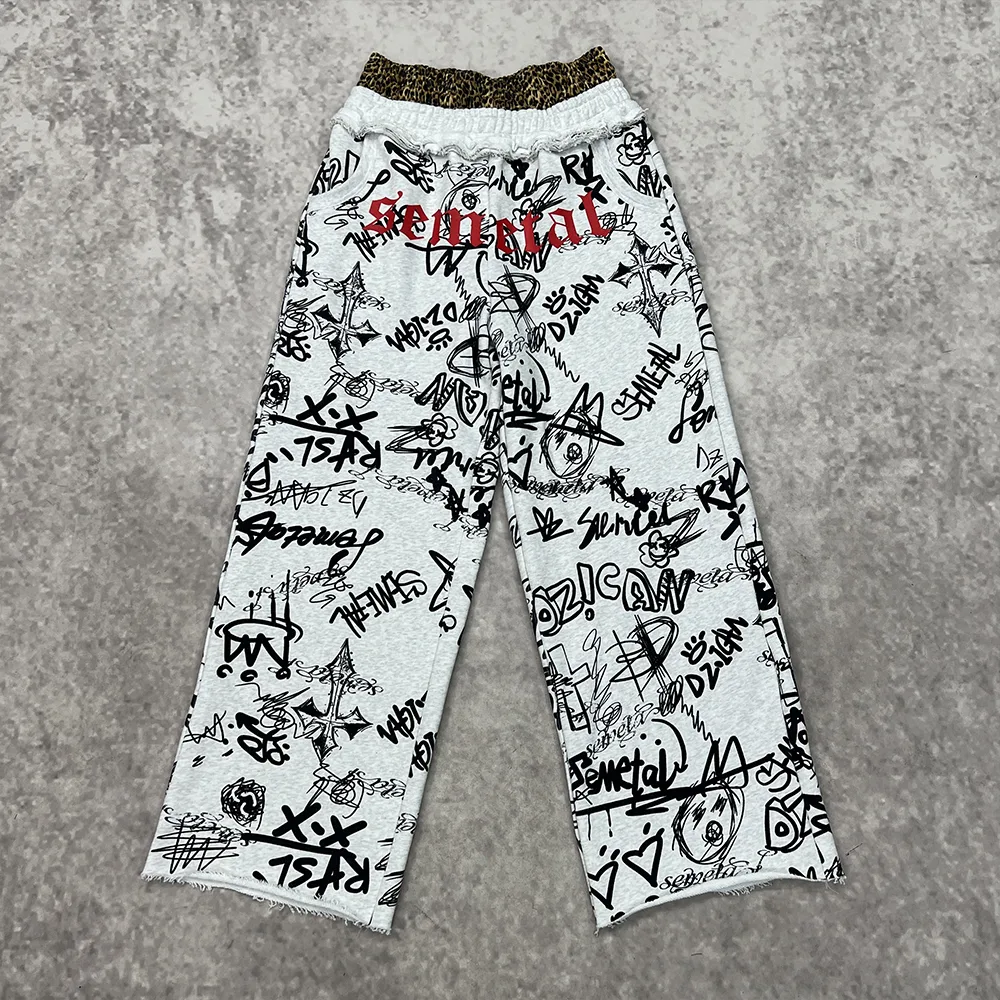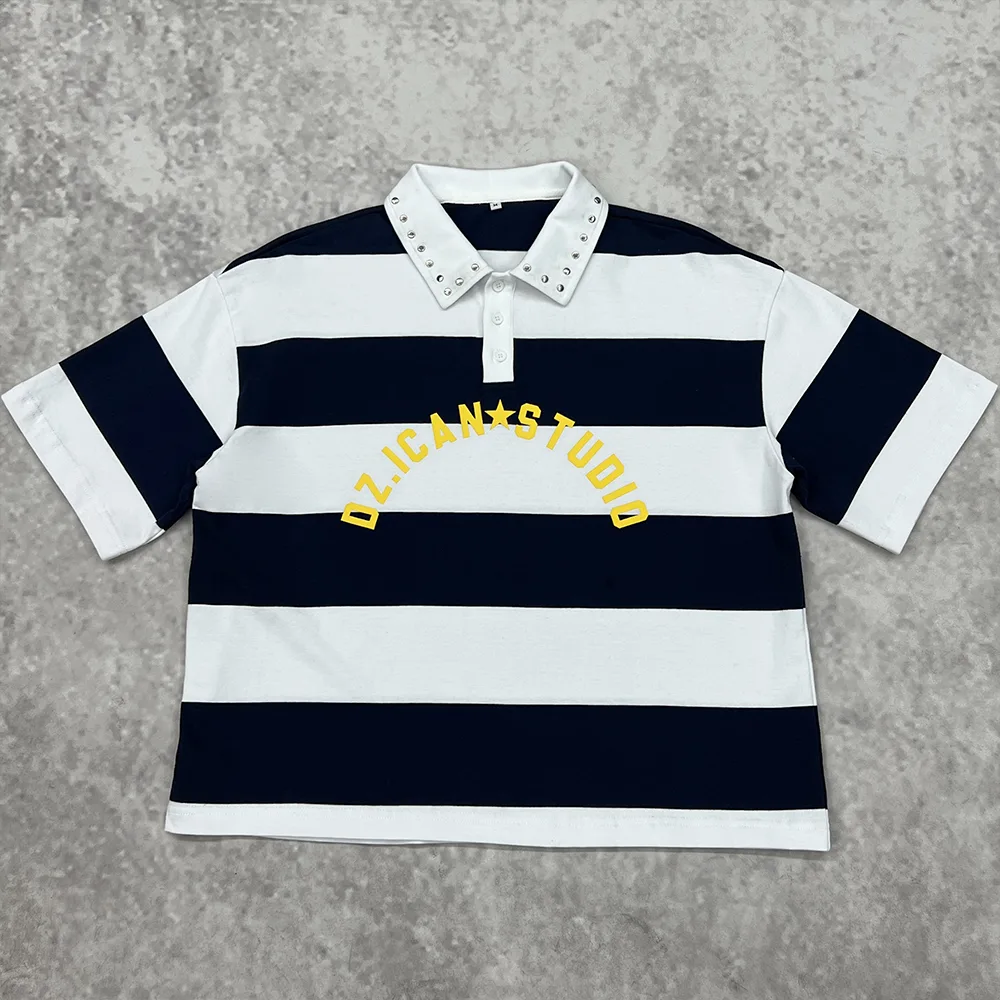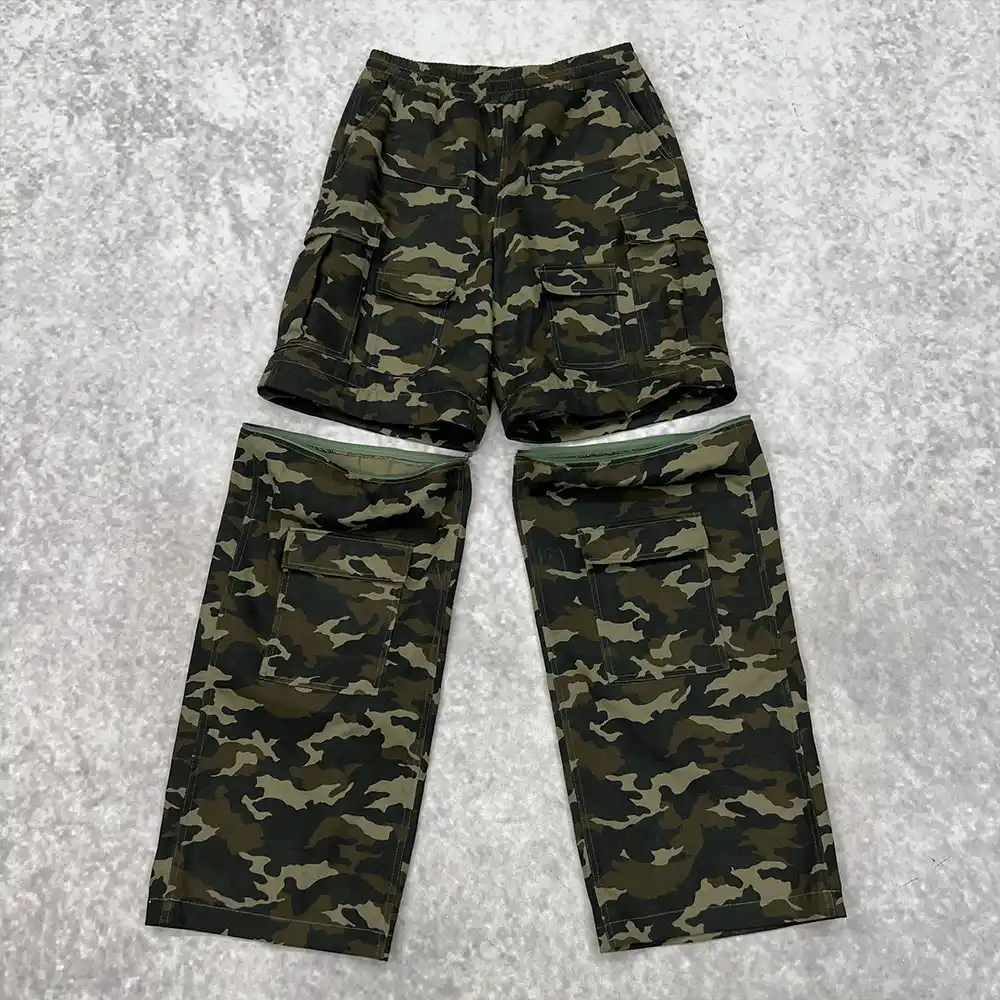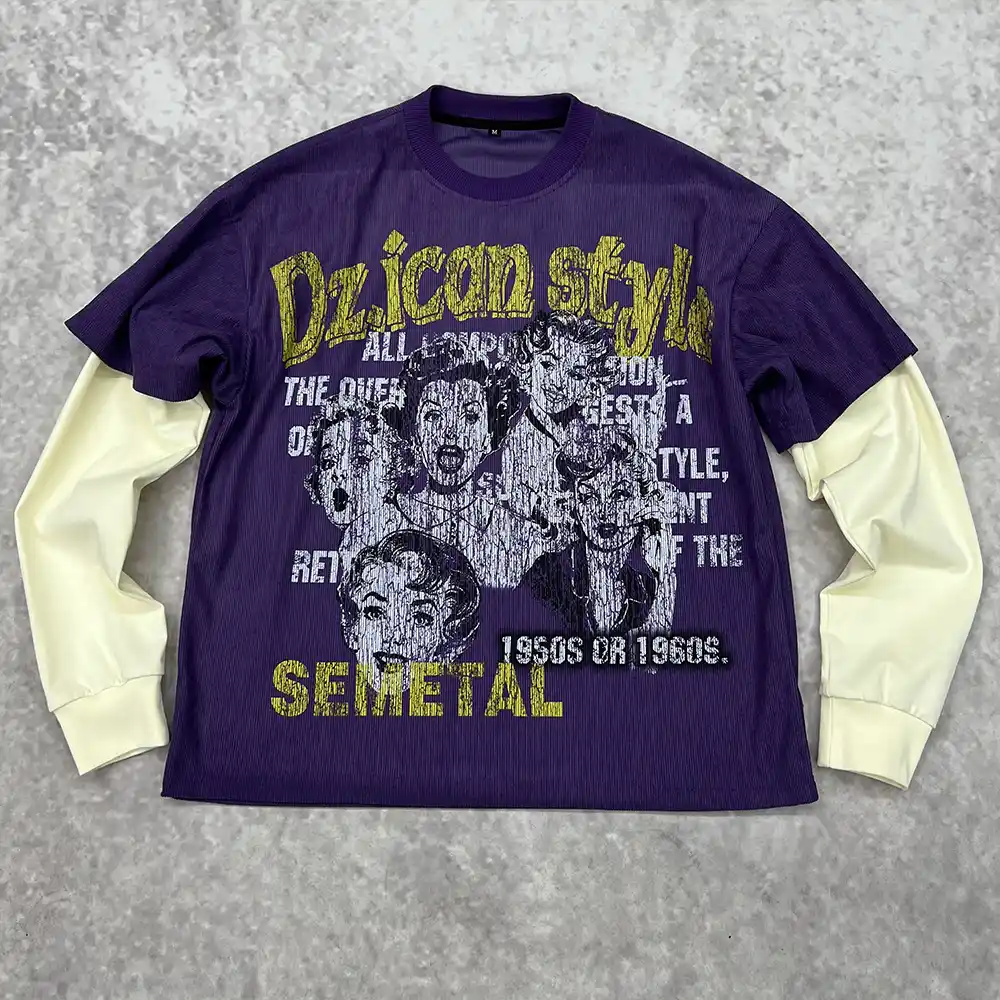

Sample development turns creative direction into controlled product decisions before bulk production begins.
Sample development is one of the most important stages in premium streetwear manufacturing. It is where a sketch, tech pack or reference image becomes a real garment that can be reviewed, fitted, corrected and prepared for scalable bulk production. For growing brands, the sample process is not only about getting one good-looking hoodie or T-shirt. It is about building a repeatable standard for fit, fabric, decoration, construction and quality consistency.
Buyers often use the word sample as if it means one thing. In real production, sample development can include several stages: proto sample, fit sample, size set sample and PP sample. Each stage answers a different question. Does the design direction work? Does the fit match the brand? Does grading work across sizes? Is the final product ready to be used as the bulk production standard?
This guide explains the practical role of each sample type, how they connect, what brands should check, and how a clear sampling process helps reduce sample-to-bulk risk.
Why Sample Development Is More Than Making One Prototype
A sample is not only a preview. It is a decision tool. In streetwear product development, the sample helps confirm silhouette, GSM, fabric hand feel, print placement, embroidery size, rib recovery, shrinkage, label position, packaging and construction. If those details are not controlled before bulk production, the final order can drift away from the approved idea.
Technical construction also matters. Seam performance depends on fabric, stitch type, seam type and thread control, which are addressed in ASTM D6193. Wash performance, shrinkage and colorfastness are often managed with testing language from AATCC textile testing standards. A streetwear brand does not need to run every test for every sample, but the sampling stage should make these risks visible.
The Four Main Sample Types
The four sample types below are not always required for every project. A simple reorder may not need the same process as a new custom fabric hoodie. But for premium collection development, understanding these stages helps brands plan time, budget and approval decisions more professionally.
| Sample Type | Main Purpose | Best Time to Use | Buyer Decision |
| Proto sample | Proves the design idea and construction direction. | Early development, especially for new silhouettes or complex styles. | Is the concept feasible enough to continue? |
| Fit sample | Checks silhouette, comfort, proportion and measurement corrections. | After the first pattern or proto direction is reviewed. | Does the sample fit the intended customer and brand look? |
| Size set sample | Checks grading across selected sizes. | After base size fit is approved and before bulk cutting. | Do all key sizes maintain the right proportion? |
| PP sample | Confirms the final approved standard before bulk production. | After fabric, trims, decoration, labels and construction are finalized. | Can this exact standard move into production? |
Proto Sample: Testing the Product Direction
A proto sample is the first physical version of the design. It is used to test whether the concept can become a real garment. For a hoodie, this may mean checking the overall silhouette, hood shape, pocket proportion, panel construction, decoration position and fabric direction. For a T-shirt, it may mean testing body width, shoulder shape, neckline, sleeve opening and graphic scale.
Proto samples may use substitute fabric or available trims when the goal is to check shape and construction quickly. However, if the design depends heavily on fabric structure, such as heavyweight fleece, French terry, double-knit or washed fabric, the proto should be close enough to the final material to give useful feedback.
| Proto Sample Check | What to Review | Why It Matters |
| Silhouette | Oversized, relaxed, cropped, boxy or regular proportion. | Confirms whether the design direction matches the brand identity. |
| Construction | Panel lines, pocket shape, hood structure, seam placement and rib use. | Finds construction issues before fit and grading work begins. |
| Fabric direction | Approximate GSM, drape, stretch and surface feel. | Shows whether the material supports the design idea. |
| Decoration concept | Artwork scale, print area, embroidery position or mixed technique plan. | Prevents decoration from looking wrong on the real garment body. |
Fit Sample: Making the Garment Wear Correctly
The fit sample focuses on measurement, comfort and proportion. This is the stage where the brand should review the sample on a fit model or target body type, then compare the physical garment against the measurement spec. A fit sample is not only about whether the garment can be worn. It is about whether it communicates the intended streetwear shape.
For oversized garments, fit review needs careful language. A garment can be intentionally wide but still balanced. A shoulder can be dropped but not sloppy. A sleeve can be long but still controlled at the cuff. Fit comments should be specific: reduce body length by 2 cm, widen sleeve opening, increase hood depth, adjust pocket height, or soften rib tension.

Fit and size set samples help confirm whether measurements, grading and product proportions stay controlled.
Size Set Sample: Checking Grading Before Bulk
A size set sample checks whether the fit works across multiple sizes. After the base size is approved, the pattern is graded into other sizes. The size set helps confirm that the garment still looks balanced in small, medium, large and extended sizes. This stage is especially important for oversized hoodies, wide-leg sweatpants, cropped T-shirts and garments with large artwork placements.
Size set review should focus on grading logic, not only measurements. A print may look centered in the sample size but too low or too small on a larger size. A hood may look balanced on medium but too shallow on XL. A pocket may need proportional adjustment. Good size set review protects bulk production from inconsistent fit across the full size range.
| Size Set Issue | What Can Go Wrong | How to Control It |
| Grading | Widths and lengths increase in a way that changes the silhouette. | Review size-to-size increments and compare fit photos. |
| Artwork placement | Print or embroidery looks too high, low, small or large on some sizes. | Set placement rules by size or confirm one scalable artwork approach. |
| Rib and openings | Cuffs, hem or neck opening feel too tight or too loose in larger sizes. | Check rib length and recovery across the size set. |
| Hood and pocket proportion | Functional parts no longer match the body scale. | Review actual garments, not only the graded pattern table. |
PP Sample: The Final Standard Before Bulk Production
The PP sample, or pre-production sample, is the final sample approved before bulk production starts. Unlike an early proto, the PP sample should use confirmed fabric, trims, color, decoration method, labels, care label, construction and packing standard. It should be treated as the physical reference for the bulk order.
This is the moment to check sample-to-bulk risk. If the PP sample is approved with unclear fabric notes, missing trim details or untested decoration, the bulk order may reproduce the uncertainty. A strong PP approval includes final sample photos, measurement record, fabric approval, artwork approval, label confirmation and QC checklist.

The PP sample should become the physical quality standard for bulk production and repeat orders.
How Sample Stages Connect to Production Planning
Sample development should not be disconnected from production planning. If a brand wants custom fabric, special wash, complex embroidery, puff print, rhinestone transfer or multiple colorways, those choices should be considered early. A sample that looks good but cannot be repeated at scale creates problems later.
Qianshiwear’s tech pack templates can help brands organize the information needed for sampling: sketches, measurements, fabric, trims, decoration and labels. For hoodie-heavy collections, working with a custom hoodie manufacturer helps connect fabric weight, pattern, decoration and QC requirements before bulk production.
| Production Factor | Sampling Question | Bulk Production Impact |
| Custom fabric | Is the sample fabric the same as bulk fabric? | Controls hand feel, shrinkage, shade and repeat production consistency. |
| Decoration method | Has the actual print, embroidery or transfer been tested? | Reduces cracking, puckering, peeling, color shift and placement drift. |
| Measurement tolerance | Are key points of measure and tolerance confirmed? | Gives QC a clear pass/fail standard. |
| Labels and packing | Are care labels, size labels, hangtags and packing approved? | Improves retail readiness and order consistency. |
Common Mistakes Brands Make During Sample Approval
The biggest mistake is approving a sample based only on photos. Photos are useful, but they cannot fully show hand feel, fit, shrinkage or construction. Brands should measure the sample, test wear it, review artwork placement, check trims and document comments clearly before approval.
Another common issue is mixing design feedback with production approval. If the garment still needs major fit or fabric changes, it is not ready for PP approval. The PP sample should confirm the final standard, not continue open-ended design development.
| Mistake | Result | Better Approach |
| Approving only from photos | Fit, hand feel or measurements may be missed. | Review the physical sample and record all changes. |
| Skipping size set review | Bulk sizes may fit inconsistently. | Check key sizes before bulk cutting when fit risk is high. |
| Changing fabric after sample approval | Bulk hand feel and shrinkage may differ. | Approve final bulk fabric before PP sample confirmation. |
| Leaving decoration untested | Print, embroidery or transfer may fail in bulk. | Test decoration on actual fabric before final approval. |
How Qianshiwear Supports Sample Development
Qianshiwear helps streetwear brands move from design files and reference images to sample development, fit review, size set planning and PP sample approval. The process can include fabric and GSM discussion, digital mock-up review, pattern adjustment, decoration testing, measurement checks and pre-production confirmation.
This is especially useful for growing brands that need repeat production, not only a single attractive sample. If you are developing a hoodie, T-shirt, fleece set or full capsule collection, you can contact Qianshiwear with your design files, target fabric, size range, decoration method and launch timeline.
FAQ
Do all projects need proto, fit, size set and PP samples?
Not always. A simple repeat order may need fewer stages, while a new custom streetwear style may need all four. The higher the risk in fit, fabric, decoration or size range, the more valuable the sample stages become.
Can one sample act as both proto and fit sample?
Sometimes, if the design is simple and the first sample is close to the intended fabric and measurements. For complex styles, separating the stages gives cleaner feedback and reduces rework.
What should I check before approving a PP sample?
Check fabric, measurements, fit, decoration, trims, labels, construction, care label, packing and QC notes. The PP sample should represent the final bulk standard.
How does sample development improve repeat production?
Each approved sample creates a clearer production record. When fabric, measurements, decoration and QC points are documented, repeat orders are less dependent on memory or informal messages.
Conclusion: Sampling Is the Bridge Between Design and Bulk Production
Proto, fit, size set and PP samples each have a different role in premium streetwear product development. The proto tests the idea, the fit sample corrects the base silhouette, the size set confirms grading, and the PP sample locks the bulk production standard.
For growing brands, sample development is not a delay. It is the control system that protects quality consistency, improves production planning and makes scalable streetwear manufacturing more reliable.