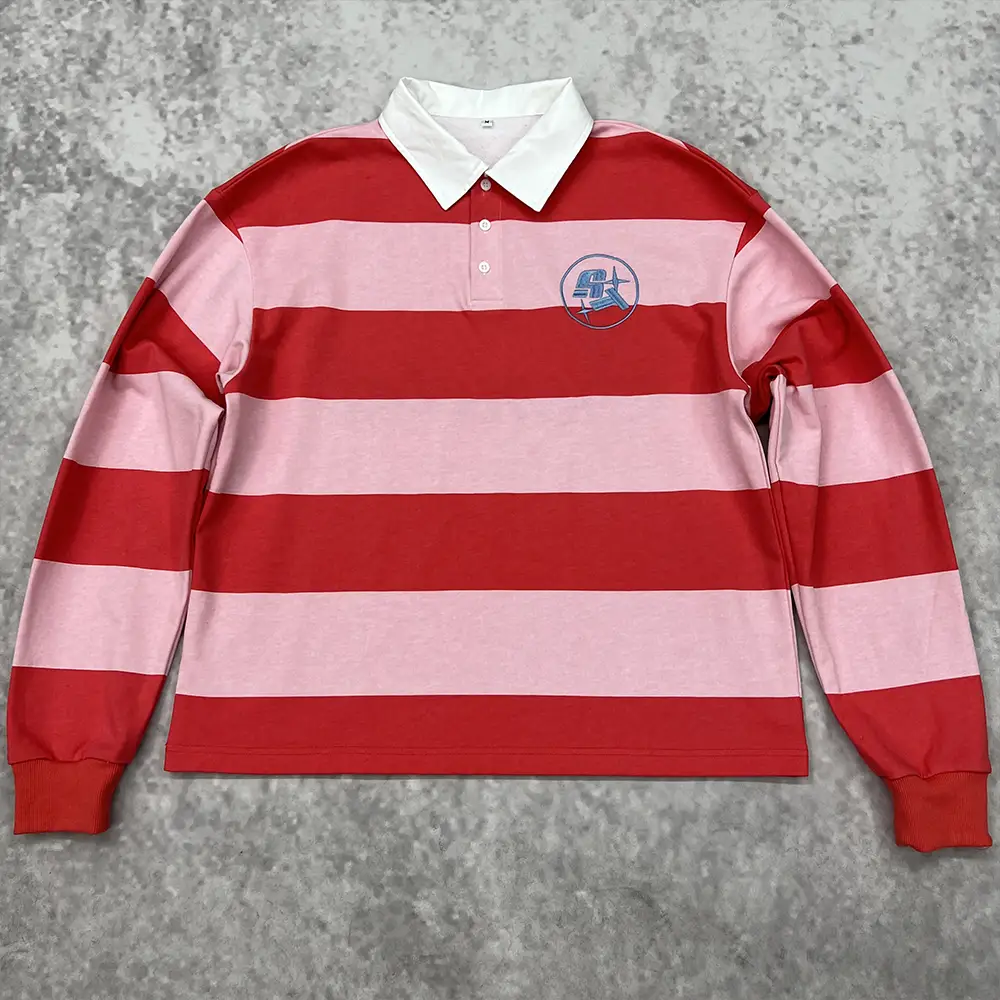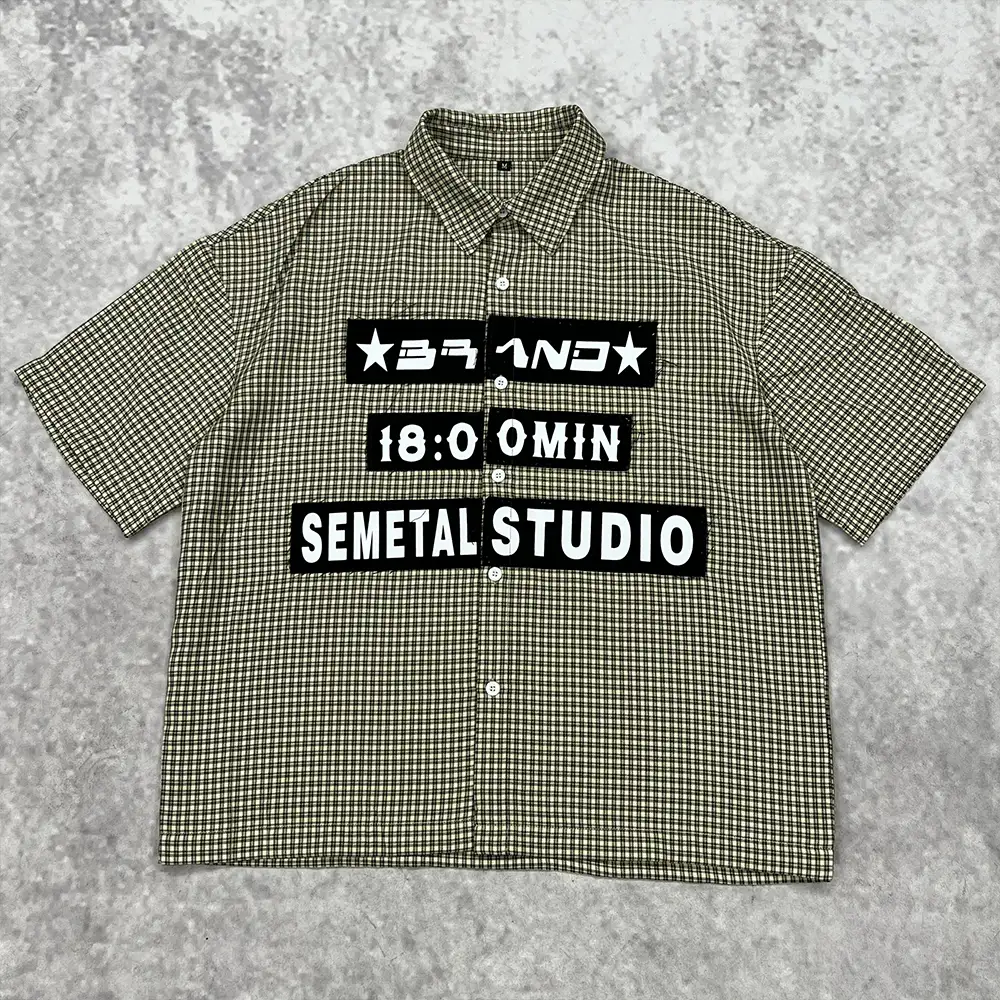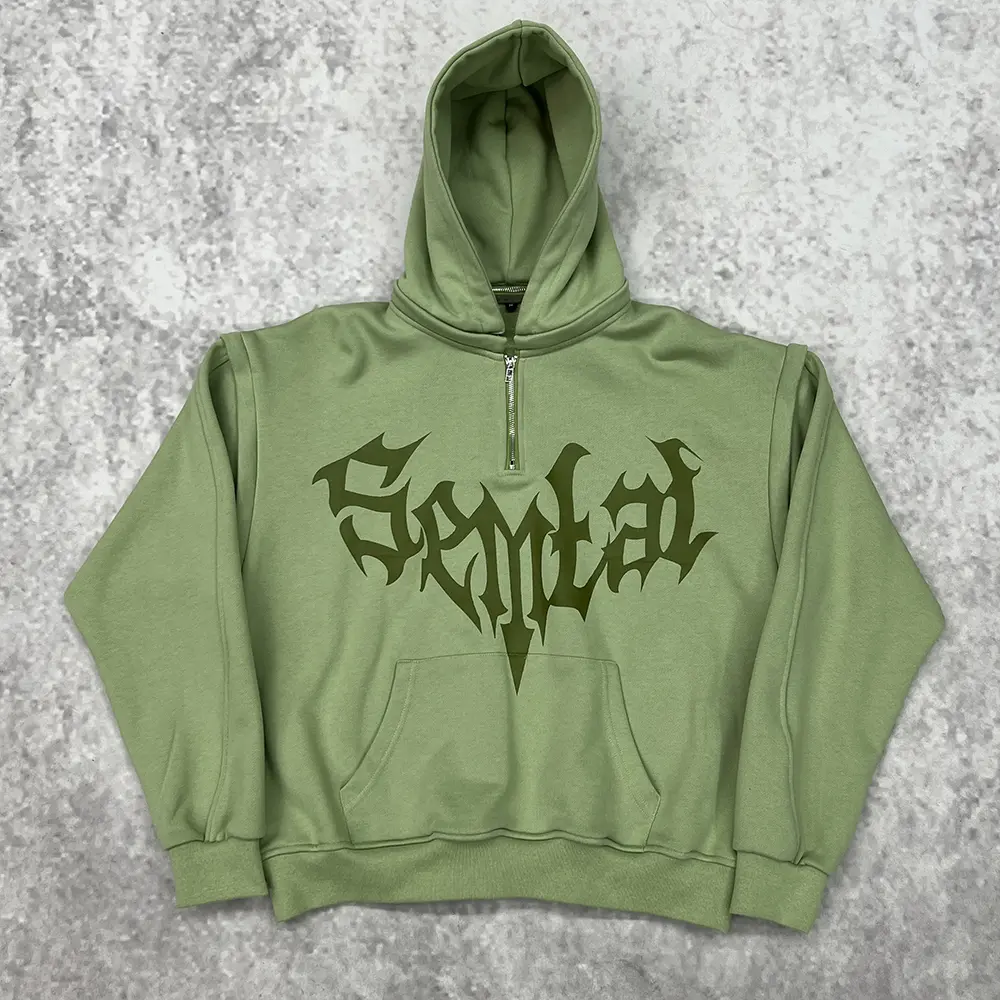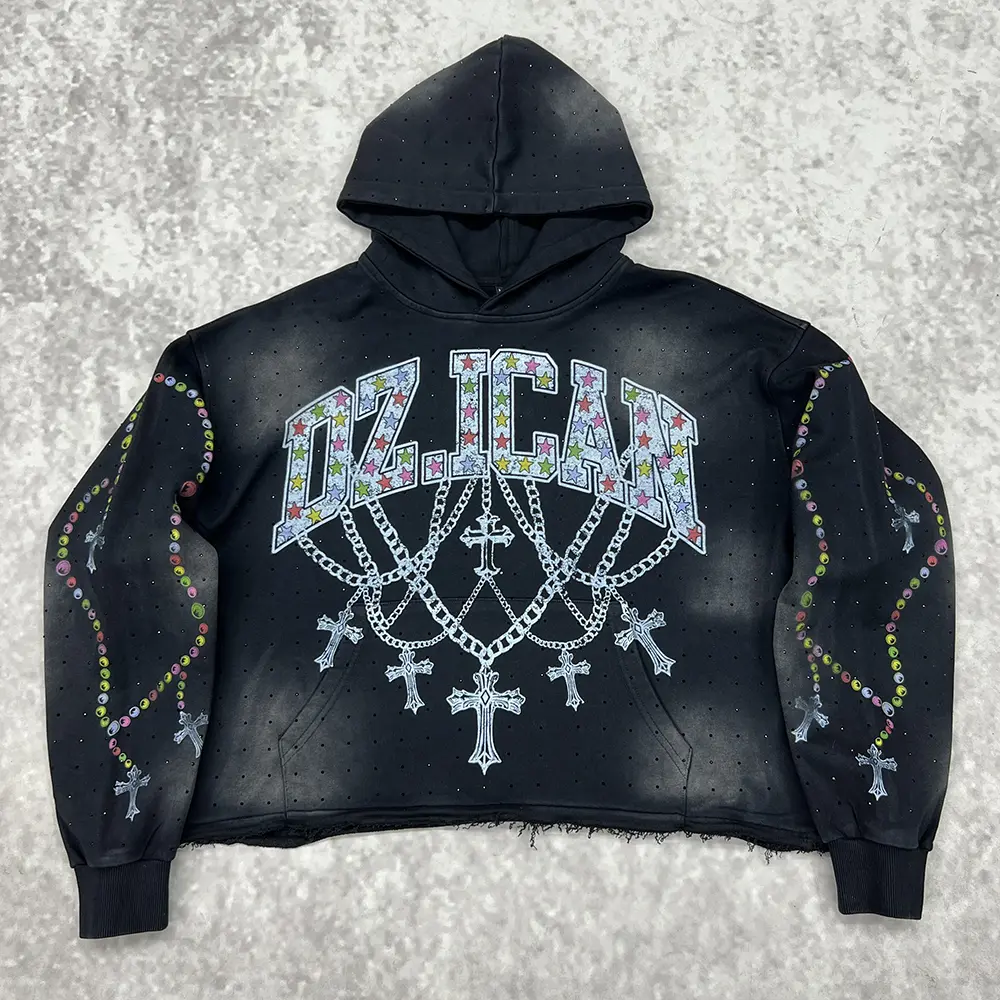
Moving from sample to bulk production is where many small apparel brands lose money. The sample looks good, the launch date is close, the invoice is waiting, and everyone wants to approve fast. That is exactly when the worst mistakes get locked into 100, 300, or 1,000 finished garments.
A sample is not a promise. It is evidence. Before bulk starts, the brand has to prove that the approved garment can be repeated with the same fabric, trims, measurements, decoration, wash result, packaging, and quality standard.
This sample to bulk checklist is built for first-time brands, small-batch buyers, and private label streetwear teams that want fewer surprises after production begins.
Quick checklist before bulk approval
Use this as the final gate before approving production.
| Check | What to Confirm | Why It Matters |
|---|---|---|
| Sample type | Is this a true pre-production sample? | Proto samples are not always bulk-ready |
| Fit and measurements | Are all key points within tolerance? | Small fit errors multiply across sizes |
| Bulk fabric | Is the fabric the same as approved? | Substitute fabric changes handfeel and shrinkage |
| Color and wash | Does color match under real light? | Color issues are hard to fix after cutting |
| Decoration | Is print, embroidery, or trim tested on bulk fabric? | Decoration can fail when fabric changes |
| Construction | Are seams, rib, waistband, pockets, and finishing final? | Sewing shortcuts become repeat defects |
| Labels and packaging | Are labels, tags, bags, and care content correct? | Wrong labeling creates compliance and brand issues |
| Size set | Have multiple sizes been reviewed? | One base-size sample cannot prove grading |
| QC standard | Is the defect tolerance clear? | Vague QC creates arguments after delivery |
| Production record | Are comments, photos, and approvals documented? | Memory is not a production control system |
The checklist is simple. The discipline is not. The brand has to slow down long enough to ask whether the sample is truly ready to become inventory.
1. Confirm the sample is a true pre-production sample
The first check is basic: what kind of sample are you approving?
A development sample proves the idea. A fit sample proves the measurements and silhouette. A salesman sample may prove how the product looks in photos. A pre-production sample should prove how the bulk garment will actually be made.
The pre-production sample should use the intended bulk fabric, trims, label placement, decoration method, construction, wash, and finishing. If the factory says the bulk garment will be “similar” but not the same, the sample is not a final approval standard yet.
Before approving, ask:
- Was this sample made with the bulk fabric?
- Were the actual trims, labels, drawcords, zippers, and packaging used?
- Was the actual print, embroidery, wash, or decoration method used?
- Was it made by the production team or only by the sample room?
- Will this exact sample become the sealed reference for bulk QC?
If the answer is unclear, do not approve bulk. Approve the next step: a real pre-production sample.

2. Measure the garment against the final size spec
Fit approval should never rely on “looks good” alone. Every bulk-ready sample needs to be measured against the final size spec.
For streetwear, small measurement errors are easy to hide in photos but hard to hide in customer wear. A hoodie that is 2 cm short in body length may still look fine flat. After washing, it may become a return problem. An oversized T-shirt with shoulder drop errors can look like the wrong size. Sweatpants with an uneven inseam can twist or stack badly.
Check the points that control the product:
- Body length
- Chest or waist width
- Shoulder width
- Sleeve length
- Armhole depth
- Hem width
- Inseam and outseam
- Rise
- Leg opening
- Hood height and width
- Rib or waistband width
Set tolerances before bulk starts. If the factory and brand do not agree on tolerance, they will argue later about whether a defect is acceptable.
3. Compare the bulk fabric to the approved sample fabric
Fabric is one of the biggest reasons bulk production does not match the sample. The handfeel, drape, color, shrinkage, stretch, brushing, and surface texture can all change if the factory uses a different lot, different supplier, or different finishing process.
This is especially important for custom hoodies, T-shirts, sweatshirts, tracksuits, and wide-leg bottoms. The same pattern can look completely different in a different fabric.
Before approving bulk, confirm:
- Fabric composition
- GSM or fabric weight
- Knit or weave structure
- Color lot
- Handfeel
- Stretch and recovery
- Brushing or surface finish
- Shrinkage test result
- Whether the fabric is already in stock or needs dyeing
Do not approve a fabric only from a small swatch if the garment depends on drape. A swatch can show color and surface. It cannot show how a hoodie hangs, how sweatpants stack, or how an oversized tee falls from the shoulder.
4. Wash-test the sample before approval
A clean sample out of the box is not enough. Customers will wash the garment, and many apparel manufacturing mistakes only appear after laundering.
Wash testing is where brands catch shrinkage, twisting, color bleeding, rib deformation, print cracking, seam puckering, and fabric handfeel changes. A hoodie may lose length. A T-shirt neck may stretch. Sweatpants may twist at the leg. A puff print may flatten. A dark garment may bleed into a light label.
Before bulk approval, wash the sample in a realistic way:
- Use the care method your customer is likely to use.
- Measure before and after washing.
- Photograph the garment before and after washing.
- Check color, seams, trims, rib, waistband, and decoration.
- Compare handfeel before and after drying.
If the product needs delicate care, say so on the care label. Do not let the customer discover that after purchase.

5. Approve decoration on the actual garment
Decoration must be approved on the final fabric, not only on a strike-off card or digital mockup.
Screen print, DTG, puff print, embroidery, rhinestones, applique, heat transfer, and wash effects all behave differently depending on fabric surface, thickness, stretch, and finishing. A print that works on a flat cotton swatch may crack on heavy fleece. Embroidery can pucker thin fabric. Rhinestones can fail on an unstable or brushed surface.
Before bulk starts, check:
- Artwork size
- Placement from garment edges and seams
- Color match
- Handfeel
- Stretch behavior
- Wash durability
- Embroidery density or print thickness
- Alignment on different sizes
For private label streetwear, decoration is part of the brand identity. If the decoration fails, the customer does not blame the production method. They blame the brand.
6. Check trims, labels, and packaging as part of the product
Labels, tags, drawcords, zipper pulls, patches, poly bags, and packaging can create expensive problems if they are approved too late.
The neck label may scratch. The care label may list the wrong fiber content. The hang tag may use the wrong size. A drawcord may be too short. A zipper pull may feel cheap. The poly bag may not fit a heavyweight hoodie. These details look small until the bulk order arrives.
Before pre-production approval, confirm:
- Main label artwork and placement
- Size label
- Care label content
- Country of origin if required
- Hang tag design and attachment
- Drawcord, zipper, button, patch, or other trims
- Folding method
- Poly bag or retail packaging size
- SKU, barcode, or size sticker if needed
Packaging should protect the garment and support the brand. It should not become more complicated than the product itself.

7. Review size-set samples, not only one base size
Approving one medium sample does not prove the size range.
Size grading can create new problems: sleeves become too long, shoulder drop becomes excessive, pants rise changes badly, hoodie body length jumps too much, or larger sizes lose the intended silhouette. For streetwear, grading matters because the look often depends on proportion, not only body measurement.
Before bulk, review at least key sizes:
- Smallest size
- Base size
- Largest size
If the order has many sizes or plus sizes, check more. For products like oversized hoodies, cropped tees, wide-leg sweatpants, and fitted tops, size-set review is worth the extra time.
Look for:
- Proportion across sizes
- Sleeve and body length balance
- Neck opening
- Waistband or rib recovery
- Leg opening
- Print placement changes
- Label and pocket position
One sample can approve a style direction. A size set approves a size system.
8. Agree on QC standards before production starts
Quality control needs rules before there are defects.
If the brand only says “make it high quality,” the factory has no clear acceptance standard. Both sides need to agree on what counts as a major defect, what counts as a minor defect, and what tolerance is acceptable for measurements, color, stitching, stains, trims, packaging, and decoration.
Before bulk production, clarify:
- Measurement tolerances
- Acceptable shade variation
- Stitching defects
- Stains, holes, loose threads, and fabric flaws
- Print or embroidery defects
- Label and packaging errors
- AQL or inspection level if using third-party QC
- Rework or replacement process
For first-time or small-batch cooperation, clear rules beat complicated paperwork. A one-page QC agreement is better than a long argument after delivery.
9. Hold a pre-production meeting or written approval review
Before bulk production starts, the brand and factory should review the final details together. This can be a formal pre-production meeting or a written approval review, depending on order size and relationship.
The goal is to make sure every department works from the same version of the product.
Review:
- Approved sample photos
- Final tech pack
- Measurement spec
- Fabric and color
- Trims and labels
- Decoration files
- Size ratio
- Packing method
- Production timeline
- QC checkpoints
- Approval comments from the brand
This step prevents a common problem: the sample room knows one version, the cutting team receives another version, and the sewing line follows old comments. Bulk production needs one source of truth.
10. Keep an approval record before paying for bulk
The final check is documentation. A sample approval without a record is fragile.
Keep a simple production approval folder:
- Final sample photos
- Measurement sheet
- Fabric confirmation
- Color approval
- Trim and label approval
- Decoration approval
- Wash-test result
- Size-set notes
- Packaging approval
- Final comments
- Date and approver name
This protects both the brand and the factory. If something goes wrong, the team can identify whether the issue came from approval, fabric, cutting, sewing, finishing, or packing.
For small brands, this may feel formal. But once money moves into bulk production, memory is too weak to manage risk.
FAQ
What is the difference between a sample and a pre-production sample?
A sample may test fit, fabric, or design direction. A pre-production sample should match the final bulk garment in fabric, trims, decoration, construction, labels, and finishing.
Should I approve bulk production from photos only?
No. Photos can hide fit, handfeel, shrinkage, twisting, stitching, and decoration problems. If possible, review the physical sample, wash it, measure it, and compare it against the tech pack before approval.
How many samples should a brand approve before bulk?
There is no fixed number. Most custom apparel products need at least a development or fit sample and a final pre-production sample. Complex hoodies, washed garments, tracksuits, and cut-and-sew pieces may need more rounds.
What is the biggest apparel manufacturing mistake before bulk?
The biggest mistake is approving a sample that is “almost right.” Small unresolved issues in fit, fabric, trims, decoration, or wash performance usually become bigger once repeated across the full order.
Who should sign off on pre-production approval?
The person responsible for product quality should sign off, not only the person paying the invoice. For small brands, that may be the founder. For larger teams, it may be product development, sourcing, or quality control.
Bulk production should begin only after the sample proves repeatability
A good sample is not the finish line. It is the last test before the real risk begins.
Before moving from sample to bulk, the brand should know exactly what is being produced, which fabric and trims are being used, how the garment should measure, how it behaves after washing, what defects are unacceptable, and which sample is the sealed production standard.
Qianshiwear’s OEM/ODM and private label apparel workflow is built around that kind of discipline: sample development, fabric guidance, decoration review, fit checking, and bulk production control. For first-time and small-batch brands, the value is not only getting garments made. It is reducing the number of expensive surprises after bulk starts.
Approve the sample only when it proves the garment can be repeated. Anything less is still development.
References
Brand / Website Context
- Qianshiwear home page: https://qianshiwear.com/
- Qianshiwear production page: https://qianshiwear.com/production/
- Qianshiwear T-shirt manufacturer page: https://qianshiwear.com/production/t-shirt-manufacturer/
- Qianshiwear Alibaba company overview: https://qianshi2.en.alibaba.com/
Same-Industry / Upstream / Production References
- Apex Fashion Lab pre-production sample guide: https://www.apexfashionlab.com/glossary/pre-production-sample
- Arcus Apparel custom clothing sample approval checklist: https://www.arcusag.com/custom-clothing-factory-sample-approval-checklist/
- Fabrikn sample approval audit guide: https://www.fabrikn.com/blog/how-to-audit-apparel-sample-approvals-before-bulk-production/
- Fabrikn pre-production sample checklist: https://www.fabrikn.com/blog/custom-clothing-pre-production-sample-checklist/
- Hem Apparel sample review before bulk guide: https://hem-apparel.com/blogs/resources/how-to-review-a-sample-like-a-pro-before-you-approve-for-bulk
- Hunter Harms apparel sampling process guide: https://www.hunterharms.com/learn/apparel-sampling-process
- Ninghow bulk clothing manufacturing checklist: https://www.ninghowapparel.com/blog/bulk-clothing-checklist/
- PPAI sample quality assurance checklist PDF: https://legacy.ppai.org/media/3616/pq_qa_procedure_checklist.pdf
- TFS sportswear pre-production meeting SOP PDF: https://www.tfs.cloud/tfs/wp-content/uploads/2018/07/PP-meeting-SOP-for-Sportswear.pdf
- Textile2Apparel garment sampling process PDF: https://textile2apparel.wordpress.com/wp-content/uploads/2017/09/sample-process.pdf