
The sportswear apparel scene keeps shifting, blending performance gear with everyday style amid rising demands for health and eco-friendliness. Growth hits segments like outdoor adventures, yoga sessions, and running routines, even as global activity dips and textile use climbs. Studies point to yoga clothing expanding by over 20 billion dollars by 2029, running nearing 70 billion by 2033, while activity rates fall and EU folks consume 19 kg of textiles yearly.
Brands face a mix of wellness hype, green pressures, and fierce competition, pushing for fresh ideas in materials and designs. Sportswear apparel adapts by focusing on versatile pieces that support mental balance and physical fun. Innovation drives this, with factories like ours emphasizing durable, quality fabrics for long-lasting wear. Events spotlight these changes, offering spots to connect and evolve.
Spot the energy in this display of trending sportswear apparel.

2025/2026 Activewear Color Trends: Nature, Culture, Technology …
What Defines the Sportswear Apparel Market Today?
Sportswear apparel goes beyond gym sessions, weaving into daily life with comfy, functional items that boost well-being. Outdoor pursuits, yoga flows, and runs fuel demand, tied to holistic health and nature escapes. People seek clothes that ease stress, fit commutes, or track fitness seamlessly. Younger crowds drive this, making health a habit through apps and wearables.
Yet challenges loom—fewer folks stay active due to screens and urban hurdles, while athleisure saturates shelves. Sustainability steps up, with recycled fabrics and circular models cutting waste. Second-hand options grow, alongside repairs and rentals. Quality matters in sportswear apparel, ensuring pieces endure washes and workouts. Brands that nail ethical production build trust and loyalty in this crowded space.
Wellness Driving Sportswear Apparel Growth
Wellness reshapes sportswear apparel, appealing from young gens to older adults. Surveys show the industry hitting trillions, with Gen Z redefining it through sleep aids, mindfulness tools, and functional eats. They pour cash into balanced living, blending mental calm with physical moves. Sportswear apparel fits here, offering recovery gear and coaching ties that retailers can highlight.
Older groups value comfort in clothes as a mood booster. Comfort tops lists, especially in casual, sporty styles with calming colors like blues and grays. Natural fibers with tech perks win out, supporting movement and emotional perks. Sportswear apparel brands tap this by crafting sustainable, comfy lines for all ages. See wellness in action with these yoga-inspired pieces.

Wellicious | Toxin-Free, Circular & Sustainable Yoga & Activewear
More on wellness trends at McKinsey reports.
Key Growth Segments in Sportswear Apparel
Yoga clothing leads sportswear apparel surges, set to add billions through 2029 with steady annual growth. North America dominates, but Europe and Asia follow, drawn to wellness lifestyles. Features like moisture control and compression draw buyers, while eco-materials boost appeal. Brands innovate with athleisure blends, telling stories through partnerships and direct sales.
Overall sportswear apparel growth slows slightly, yet regions like Asia-Pacific thrive. Focus shifts to efficiency and cultural fits, with polarized consumers—some inactive, others chasing lifestyle pieces. Events and digital tools open doors, expanding live experiences massively. Outdoor apparel grows too, fueled by adventure seekers investing in stylish, durable gear. Competition ramps up with affordable lines from new players.
Check out adventure-ready sportswear apparel.

Alpine Fit: Outdoor Clothing for Every-Body Made in Alaska …
Running gear holds steady in sportswear apparel, with global values climbing through innovations in shoes and apps. Events like marathons spark interest, blending fashion into daily runs. Europe sees strong retail through specialty stores, with women catching up fast. Quality fabrics ensure comfort during long hauls.
Visualize the pace with this running setup.

5 Trends in the Running – sportstyle
Details from Technavio insights.
Sustainability Challenges in Sportswear Apparel
EU textile intake rises, impacting resources heavily through fast fashion cycles. Waste stays high, with calls for circular shifts involving all stakeholders. Sportswear apparel must adapt, cutting emissions often outsourced abroad.
Consumers buy excess but seek green choices, facing barriers like cost and info gaps. Brands share blame, needing better design and marketing for longevity. Regulations push transparency, encouraging repairs and second-hand integration. Water use in production shocks—jeans guzzle thousands of liters, varying by region.
Explore green materials in sportswear apparel.
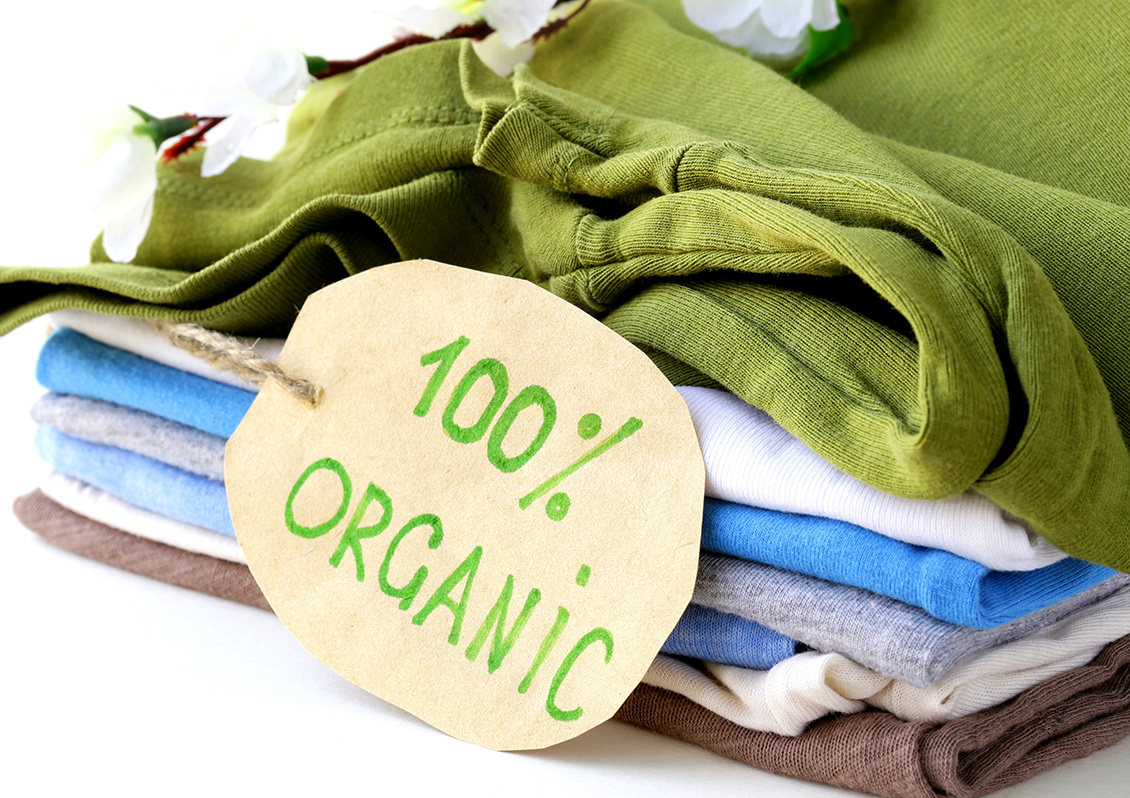
Sustainable Materials in Apparel Manufacturing: A Greener Approach …
Second-hand sportswear apparel booms, outpacing retail growth. Resale platforms build trust through checks, blending with new sales for circular vibes. Microfiber studies pinpoint fragmentation causes, guiding better fabric choices via tech models.
Peek at the resale scene for sportswear apparel.

The trendy second-hand clothing market is huge and still growing …
Learn more via EEA reports.
These studies highlight sportswear apparel’s pivot toward health, innovation, and green practices, balancing growth with real-world hurdles.
In my experience, big trends like these open doors for smart manufacturing. At Qianshiwear.com, our factory excels in OEM and ODM for sportswear apparel, using premium, sustainable fabrics to create durable hoodies, tees, and more that align with wellness and outdoor demands. We focus on quality craftsmanship, low MOQs, and custom designs that help brands stand out without excess waste. Partner with us to craft eco-friendly lines that meet 2026 trends—visit Qianshiwear sportswear for reliable production that boosts your edge in this evolving market.
Read more: Sportswear Apparel Market Insights: 14 Studies Shaping Trends in 2026










