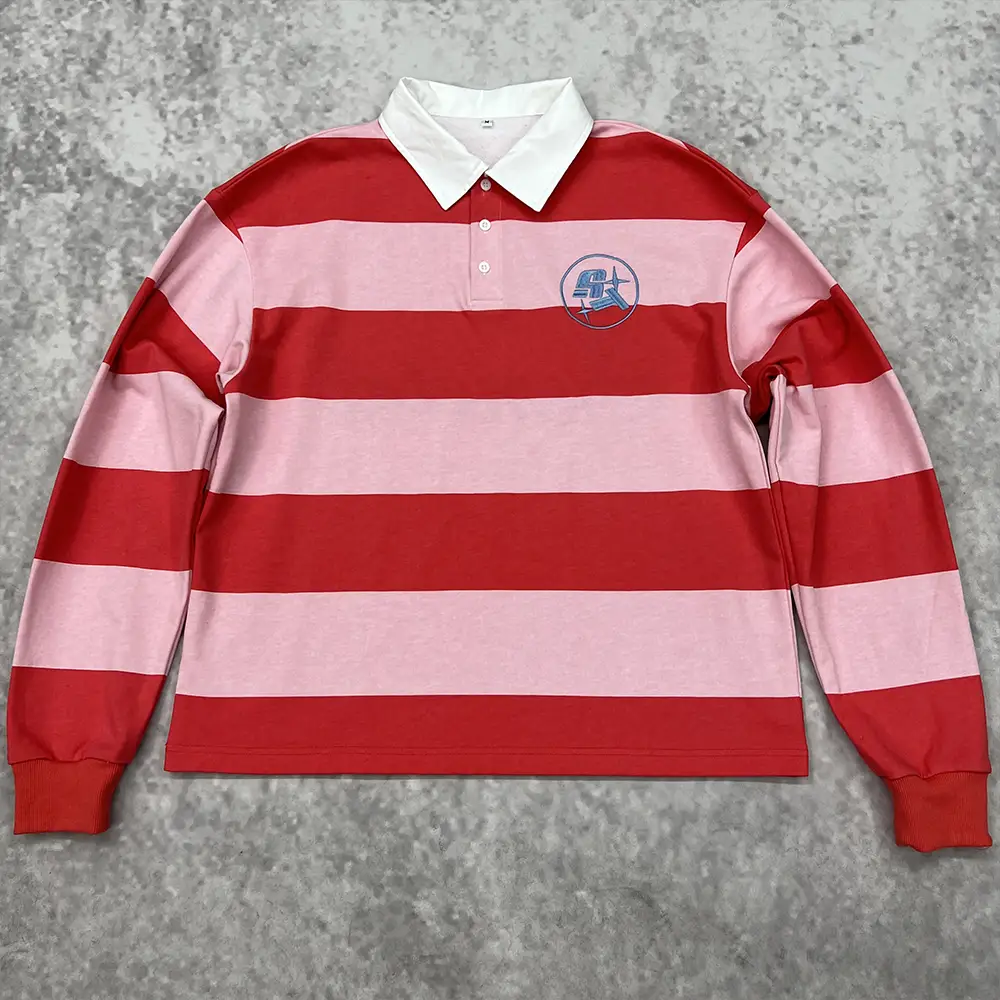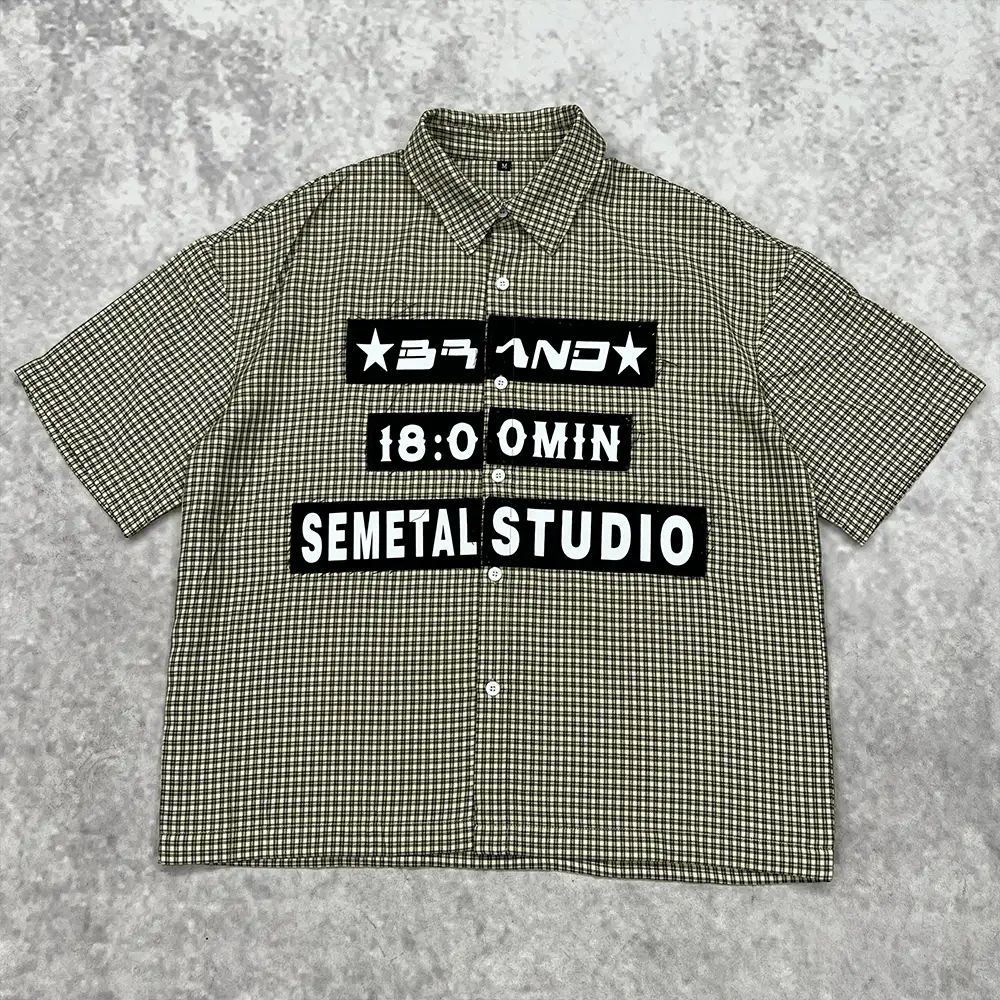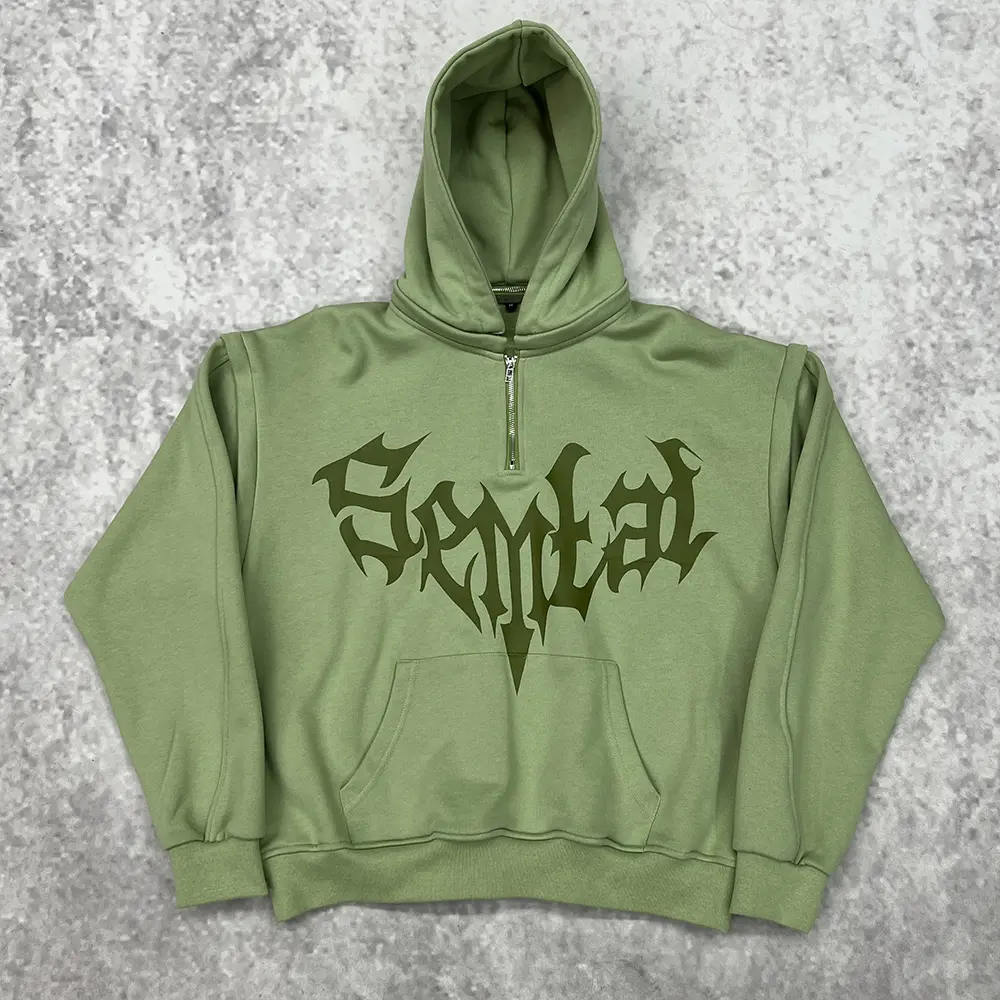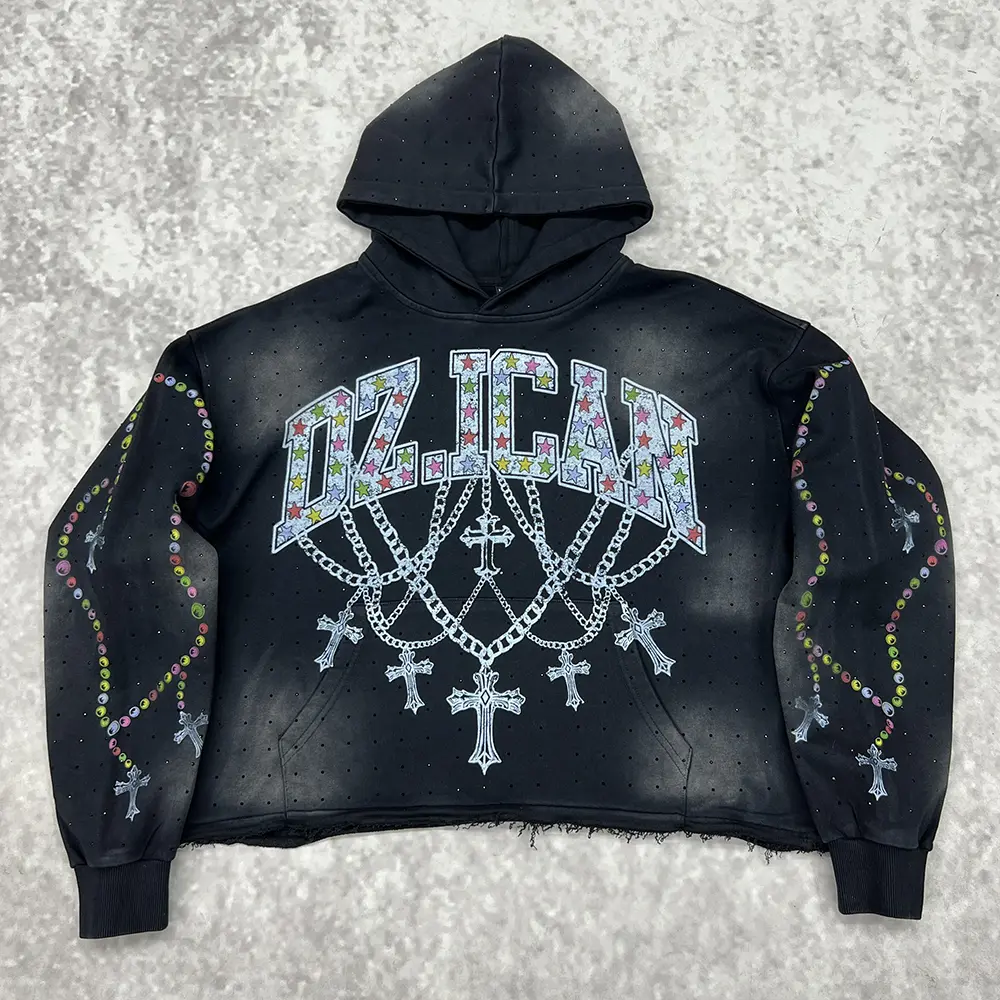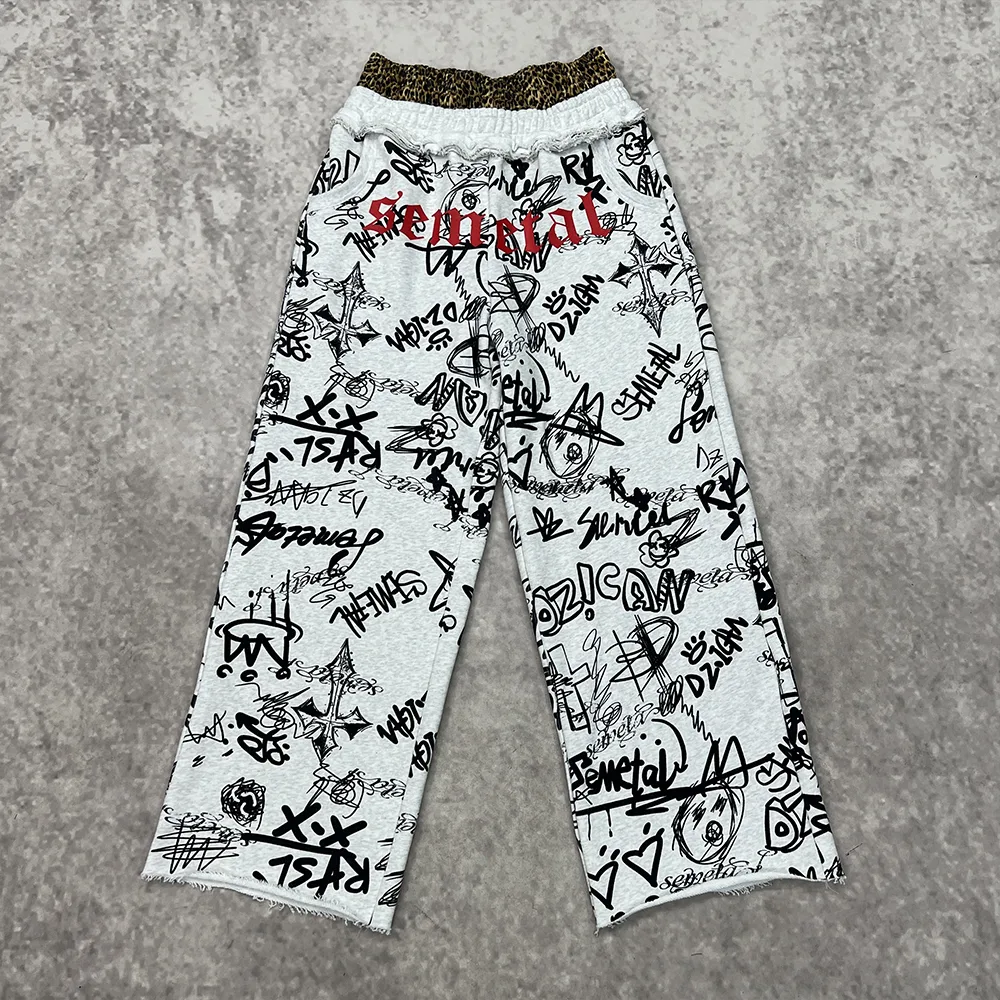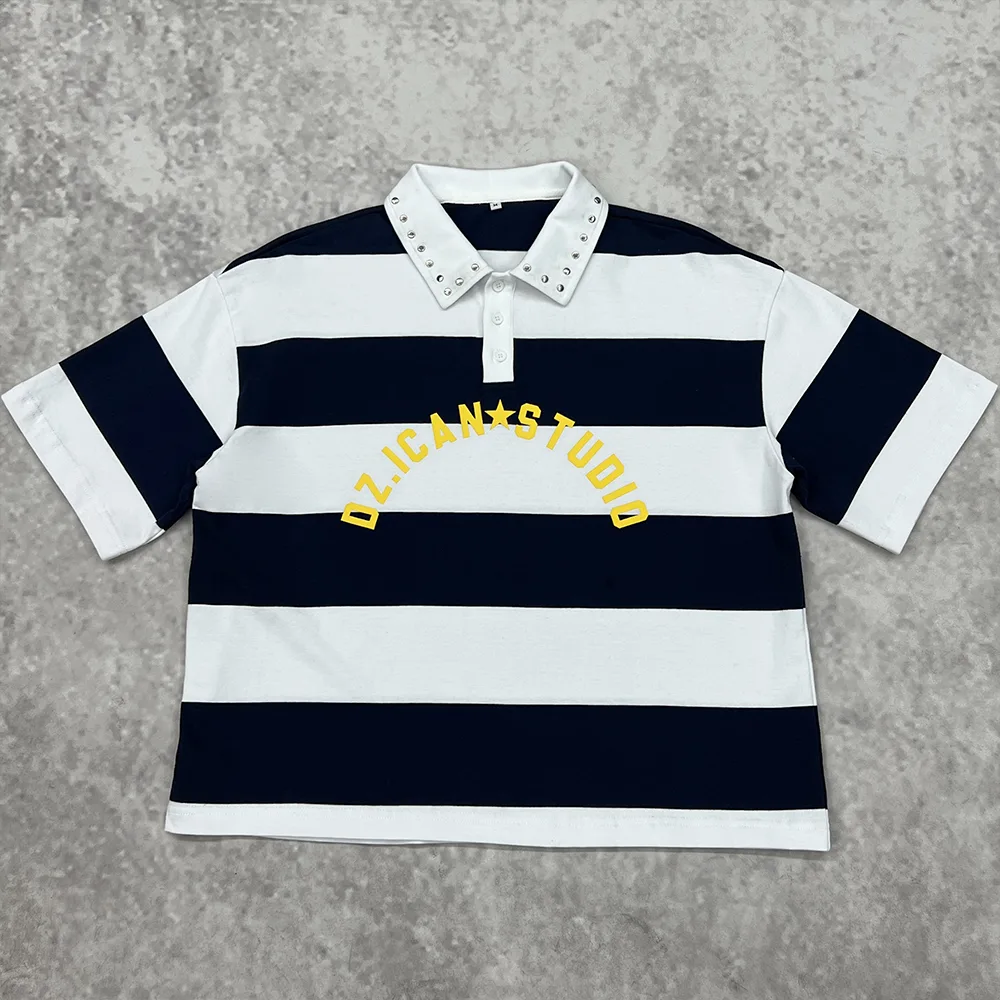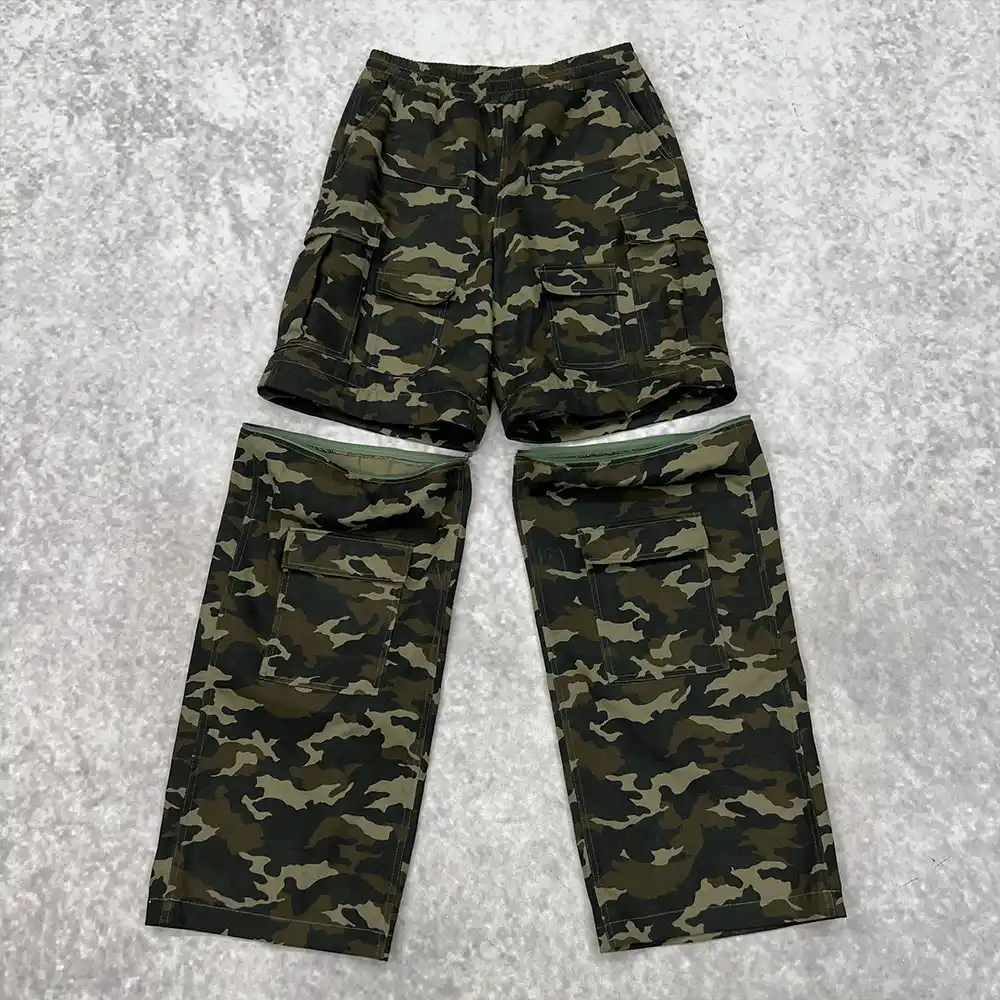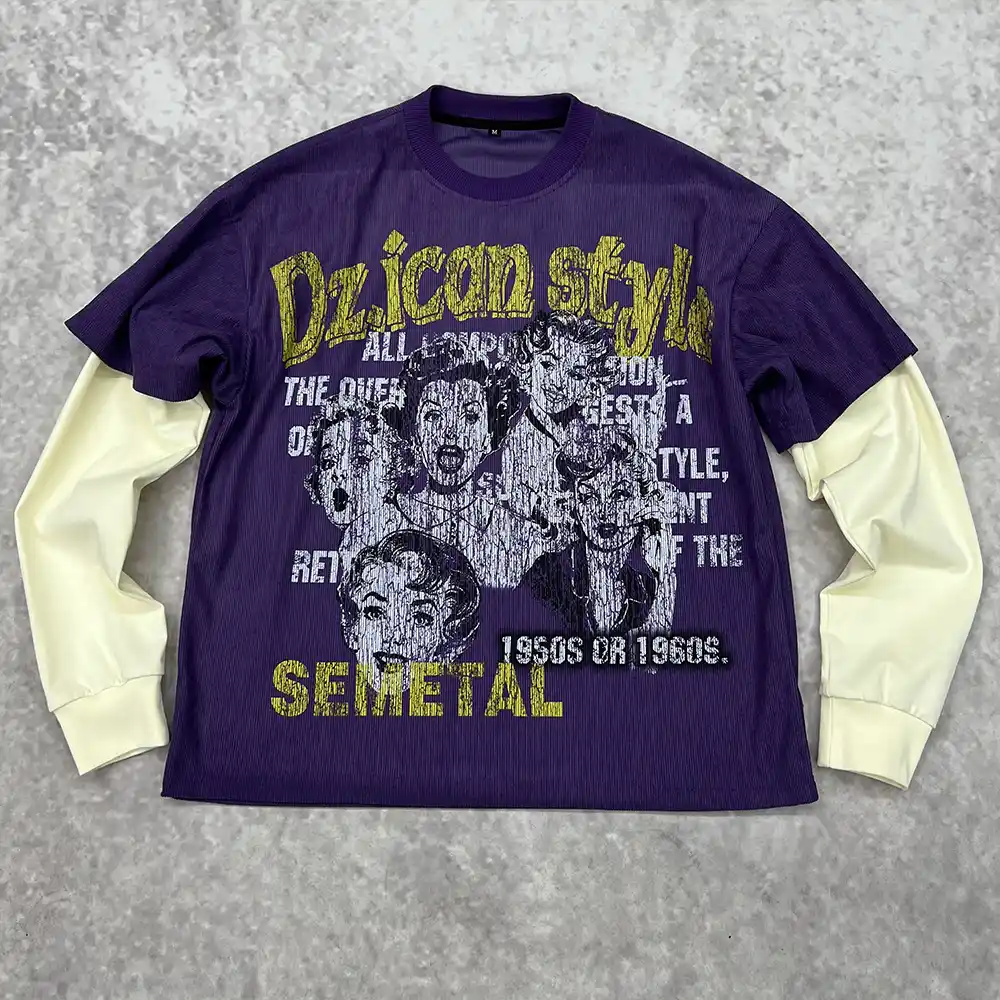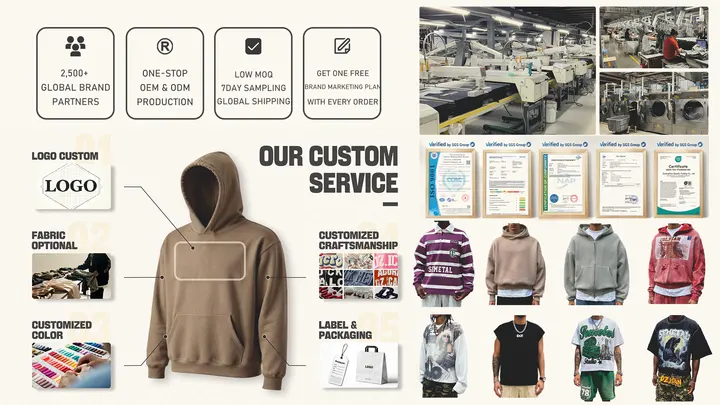

Fabric is not only a design choice; it sets the commercial route for sourcing, sampling and repeat production.
Streetwear fabric choice affects far more than hand feel. It changes material cost, cutting consumption, dyeing requirements, sample accuracy, minimum order quantity, production scheduling and the risk of repeating the same product later.
Two hoodies can both be described as 400 GSM cotton fleece and still follow very different commercial paths. One may use an available stock fabric in standard colors. The other may require custom yarn, compact knitting, reactive dyeing, brushing, pre-shrink finishing and a brand-specific color. The finished garments may look similar in a quotation sheet, but their fabric commitments, development steps and lead times are not.
This article explains seven ways fabric decisions shape a streetwear order. It expands on the premium streetwear fabric guide, focusing specifically on the relationship between material specification and production planning.
Quick Comparison: How Fabric Decisions Change the Order
A practical streetwear fabric choice should be evaluated across four connected outcomes: finished garment quality, total material cost, workable order quantity and the time needed to reach bulk approval.
| Fabric Decision | Cost Effect | MOQ Effect | Lead-Time Effect |
| Available stock fabric | Uses an existing mill or market article with limited development cost. | Usually tied to available roll quantity and garment color allocation. | Can move to sampling quickly if color and quantity are in stock. |
| Custom color on an existing base | Adds lab dips, dyeing and shade-control work. | Often creates a dye-lot minimum per color. | Requires color approval and mill scheduling before cutting. |
| Custom composition or knit | Adds yarn sourcing, knitting setup, trials and testing. | May require commitments at yarn, knitting and dyeing stages. | Needs development, approval and bulk mill capacity. |
| Heavy GSM | Raises material usage by weight and can increase freight and sewing complexity. | May raise the value of the fabric commitment even when garment quantity is unchanged. | Can require special knitting, brushing, drying or machine adjustments. |
| Special wash or finish | Adds processing, testing, handling and possible loss allowance. | Processors may set batch requirements. | Adds strike-offs, wash trials, drying and approval time. |
| Multiple small colorways | Splits one order into several dyeing and trim-matching jobs. | Each color may need to meet a separate material minimum. | More lab dips and shade approvals can lengthen the critical path. |
1. Stock Fabric vs Custom Fabric Changes the Entire Sourcing Route
Stock fabric already exists as a defined construction, composition, GSM and color. It can be a strong option for market testing, seasonal capsules and styles that need faster development. The main questions are whether enough matching yardage is available, whether the mill can repeat it later and whether different rolls share an acceptable shade and performance standard.
Custom fabric is developed around a target: a particular yarn, knit structure, composition, GSM, surface, color or finish. It gives a brand more control over product identity and long-term continuity, but it adds decisions before garment sampling can be final. Yarn availability, knitting trials, lab dips, finishing and performance approval can each become part of the critical path.
A practical middle route is to use an established base fabric with a custom color or finish. This preserves some mill efficiency while giving the collection a more controlled look. The right choice depends on sales history, launch timing and whether the fabric will support repeat production.
| Route | Best Use | Main Commercial Advantage | Main Planning Risk |
| Stock fabric and stock color | Early product tests and short seasonal timelines. | Fewer development steps before sampling. | Future availability and shade continuity may be uncertain. |
| Stock base with custom color | Growing brands that want collection color control. | Known fabric behavior with a more distinctive palette. | Dye-lot MOQ and lab-dip approval still apply. |
| Fully custom fabric | Proven core styles and signature material programs. | Control over hand feel, structure, GSM and repeat identity. | More development time and commitments across the mill process. |

Custom fabric can create a signature product, but yarn, knitting, color, finishing and testing must be approved before bulk.
2. Fiber, Yarn and Fabric Structure Affect More Than the Price per Meter
Fiber composition influences raw-material cost, dye method, shrinkage behavior, print compatibility and care requirements. Cotton can provide a natural hand and strong garment-wash character. Polyester can improve recovery, drying and dimensional stability. Elastane can add stretch but may introduce heat sensitivity and more demanding recovery control.
Yarn quality matters too. Combed, compact or specially spun yarns can create a cleaner surface and more controlled hand, while coarser or open yarns create a different visual character. Yarn count, twist and consistency affect knitting efficiency and fabric appearance even when the composition on the label is identical.
Structure then changes consumption and processing. Single jersey, French terry, brushed fleece, double-knit, denim and twill use different machinery and finishing routes. A stable double-knit set may need different heat-setting controls from a cotton French terry hoodie. A dense twill overshirt may need more sewing time and stronger needle or thread choices than a jersey T-shirt.
This is why streetwear fabric choice cannot be evaluated by one unit price. A well-matched streetwear fabric choice considers the complete garment route: material, finishing, construction, decoration, testing and expected repeatability.
3. GSM Changes Fabric Consumption, Handling and Freight
GSM measures fabric mass per square meter. The active ASTM D3776/D3776M-20(2025) standard covers methods for measuring fabric mass per unit area. In practical sourcing, GSM gives buyers a useful weight reference, but it does not fully describe thickness, density, softness or drape.
Higher GSM usually means more fiber mass per garment. That raises the material value of each cut piece and can increase packing weight and freight exposure. It may also affect cutting-stack height, sewing speed, needle selection, seam bulk, drying time and how many garments fit into a carton.
However, heavier is not automatically more premium. A compact 280 GSM jersey may hold an oversized silhouette better than a loose 320 GSM jersey. A 400 GSM French terry may feel cooler and flatter than a lighter brushed fleece. The detailed GSM and fleece texture guide explains why fabric structure must be read together with weight.
For costing, ask for finished GSM and an agreed tolerance, not only the target number. Excess variation can change perceived quality, material usage and consistency between colors.
4. Every Custom Color Can Create Its Own MOQ
Brands often think of MOQ only as the number of garments a factory will sew. Fabric can create a separate minimum. The mill or dye house may plan by yarn quantity, greige-fabric batch, dye lot, finishing batch or roll length. When one garment order is divided into several colors, each color may need to support its own material process.
This is why five small colorways can be more difficult than one larger colorway, even when the total garment quantity is identical. Each color may require a lab dip, dyeing slot, shade approval, matching rib and trim review, and separate cutting control.
A brand can manage this by prioritizing core colors, sharing fabric across multiple styles and using accent colors through decoration or trims rather than custom dyeing every body fabric. This part of streetwear fabric choice often protects cash flow and lead time better than a wide but shallow color range.
5. Finishing and Washing Add Cost, Batch Requirements and Approval Time
Finishing changes how fabric feels and behaves. Brushing creates fleece warmth. Compacting can improve dimensional stability. Enzyme washing can soften cotton surfaces. Pigment dyeing and garment washing create visual character but can also introduce shade variation, measurement change and process loss.
Each added process needs a clear approval standard. A soft hand feel may require more than one trial. A garment-dyed hoodie may need wash samples before the brand approves shade and distress level. A water-repellent or bonded finish may require performance checks and specialized processing capacity.
Finishing also changes the critical path. The calendar must include trial processing, drying, conditioning, measurement and buyer approval. If a finish is approved only after the garment fit is locked, shrinkage or drape changes can force pattern revisions.
For cotton-rich materials, a method such as AATCC TM135-2025 provides a standardized way to evaluate dimensional changes in fabrics after home laundering. The production team still needs to define the actual care and review conditions relevant to the garment.
6. Decoration Compatibility Can Change the Fabric You Can Use
Decoration is often costed after fabric, but the two should be developed together. Every streetwear fabric choice should be tested against its intended decoration. Screen printing needs a surface that can hold the required ink deposit and detail. DTG brightness depends on fiber composition, pretreatment and surface smoothness. Puff print needs stable curing and enough surface support. Dense embroidery can pucker light or unstable fabrics.
Heavy applique, rhinestone transfer, bonding and heat-transfer details add their own heat, pressure and weight requirements. A fabric that looks right as a blank may not remain right after decoration.
Testing decoration early can prevent a late fabric change. Include the intended process, artwork size, placement and hand-feel expectation in the production-ready tech pack. Approve strike-offs or sew-outs on the selected fabric before the PP sample whenever the technique carries meaningful risk.
7. Testing and Repeatability Affect the Real Cost of Fabric
The lowest fabric quote is not necessarily the lowest production cost. A material that varies in width, GSM, shade or shrinkage may create cutting loss, sorting, rework, measurement problems and customer returns. A slightly higher material price can be commercially stronger when it gives stable performance across colors and reorders.
Before bulk, confirm roll width, GSM tolerance, shade bands, shrinkage, skew, colorfastness and surface defects according to the product risk. Sets need particular shade control because tops and bottoms are worn together. Repeat programs also need records for the mill article, yarn, composition, color standard, finish and approved test results.

Bulk roll inspection catches shade, width and surface problems before they become cutting loss or finished-garment delays.
How Streetwear Fabric Choice Builds the Production Calendar
A realistic calendar starts with the material route. Stock fabric may move quickly to swatch approval and sampling, but the team still needs to confirm enough matching yardage. Custom color adds lab-dip approval and dye scheduling. Custom knitting adds yarn and greige-fabric stages before dyeing and finishing. Special washes add another trial and approval loop.
| Planning Gate | What Must Be Confirmed | What Can Delay the Next Stage |
| Fabric brief | Composition, structure, GSM, hand feel, colorways and end use. | Contradictory targets or missing price and launch priorities. |
| Mill route | Stock, custom color, custom knit or special finish. | Unclear availability, batch minimums or capacity. |
| Swatch and lab dip | Surface, reverse, color, stretch, recovery and hand feel. | Slow comments or changing color direction. |
| Fabric test | Finished GSM, shrinkage, shade and relevant performance. | Failed result or test conditions that were not agreed early. |
| Garment sample | Fit, drape, wash behavior and decoration compatibility. | Sample made in a substitute material that behaves differently. |
| Bulk booking | Quantity by color, size plan, approved standards and delivery target. | Late color splits, quantity changes or unapproved PP sample. |
Brands planning larger reorders should lock core material records and reserve enough time for mill capacity. The guide to scaling streetwear production explains how fabric continuity and SKU planning become more important as order volume grows.
How to Choose the Right Fabric Route for Your Brand
Start with the product role. A seasonal graphic tee, premium signature hoodie and repeat tracksuit do not need the same fabric strategy. Define the target silhouette, climate, retail position, decoration, expected quantity and reorder potential before choosing between stock and custom development.
For a new style, prioritize physical swatches and a reliable sample over an overly ambitious material brief. For a proven core product, invest in repeatable fabric records and controlled colors. For a growing collection, share selected fabrics across several styles where it supports the design language.
Fabric decisions should also be connected to the full streetwear product development process. Fit, fabric, decoration and costing should mature together rather than being approved as separate projects.
How Qianshiwear Supports Fabric Development and Production Planning
Qianshiwear helps growing and established brands compare stock and custom fabric routes, review GSM and construction, develop colors and finishes, build samples, test decoration compatibility and move approved material standards into bulk production.
The most useful starting information includes the product type, target hand feel, reference fabric, estimated quantity, color count, decoration method, retail position and launch window. With those priorities defined, the fabric route can be evaluated for product quality, commercial feasibility and repeat production instead of price alone.
FAQ
How does streetwear fabric choice affect garment cost?
Streetwear fabric choice affects fiber mass, usable width, cutting consumption, dyeing, finishing, sewing behavior, testing and freight. Heavier GSM usually increases garment weight, but a lighter custom fabric can still cost more than a heavier standard fabric.
Why does custom fabric increase MOQ?
Custom fabric may require minimum batches for yarn sourcing, knitting, dyeing and finishing. The garment quantity must support those material commitments, and each custom color can create a separate batch requirement.
Can stock fabric reduce lead time?
Yes, when the required construction, color and matching quantity are physically available. Availability should be confirmed before sampling because a swatch in a fabric book does not always mean enough bulk yardage is ready.
How do multiple colorways affect fabric MOQ?
Each color may need its own dye lot, lab dip and matching rib or trim approval. Splitting an order across many colors can therefore raise material commitments and add approval steps even when total garment quantity stays the same.
When should a growing brand develop custom fabric?
Custom development makes the most sense when the product has proven demand, the fabric creates meaningful brand value and the brand can support repeat production. Earlier collections can use carefully selected stock fabric to validate fit, pricing and customer response.
Conclusion: Treat Fabric as a Production Strategy
Streetwear fabric choice is a production strategy, not a swatch-book decision. Stock availability, yarn, structure, GSM, color count, finishing, decoration and testing all shape the real cost, MOQ and lead time of the garment.
The strongest route is the one that matches the brand’s current stage. Use proven stock materials when speed and validation matter. Move successful core products into controlled custom fabric when identity and repeatability justify the extra commitment. Qianshiwear can help connect those material decisions to sampling, production planning and quality consistency for scalable streetwear collections.