
Choosing the Right Streetwear Fabric in 2025
A strong streetwear collection starts with fabric. Beyond design and graphics, fabric choice directly impacts comfort, durability, fit retention, and perceived value. This streetwear fabric recommendation guide is written from a manufacturing perspective to help brands select materials that perform well in real-world wear.
At Qianshiwear, we support OEM and ODM streetwear production with a focus on durable streetwear materials, breathable fabrics, and sustainable fabric options aligned with 2025 market demand.
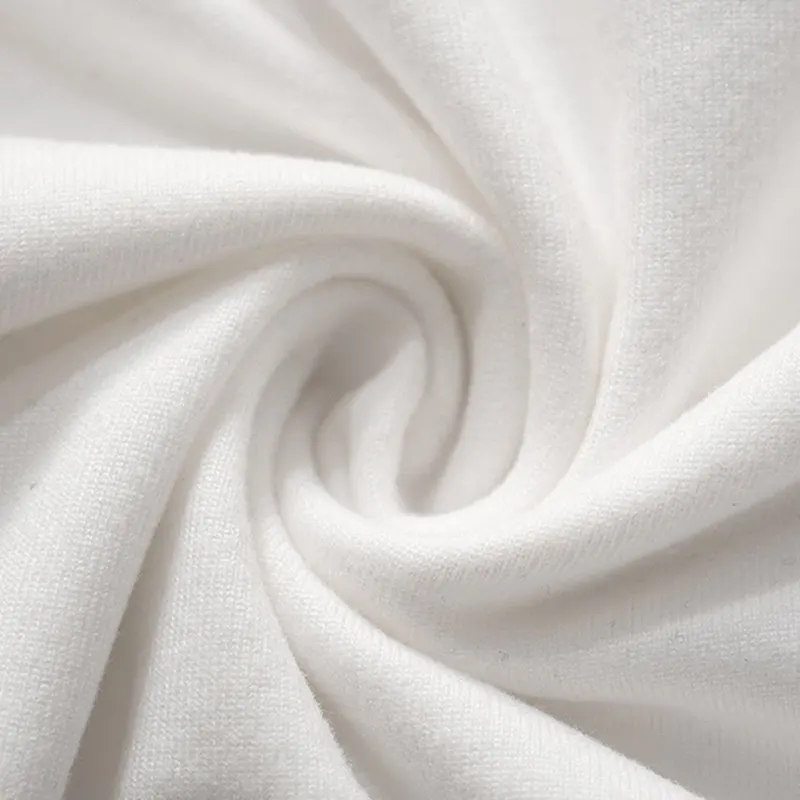
Heavyweight Jersey (300–400 GSM)
Heavyweight jersey for streetwear gives tees that solid, premium feel around 300-400 GSM. Cotton-based, it holds prints sharp and fights fading, but pre-wash it to dodge shrinkage—something we handle in-house. Fabrics for streetwear like this work great for oversized fits, with brands like Nike using them for bold graphics. Streetwear material recommendations often put this at the top for its balance. Check jersey fabric for more.
Best for: T-shirts, boxy tops
Strengths: print clarity, durability
Manufacturing note: pre-washing is essential to control shrinkage
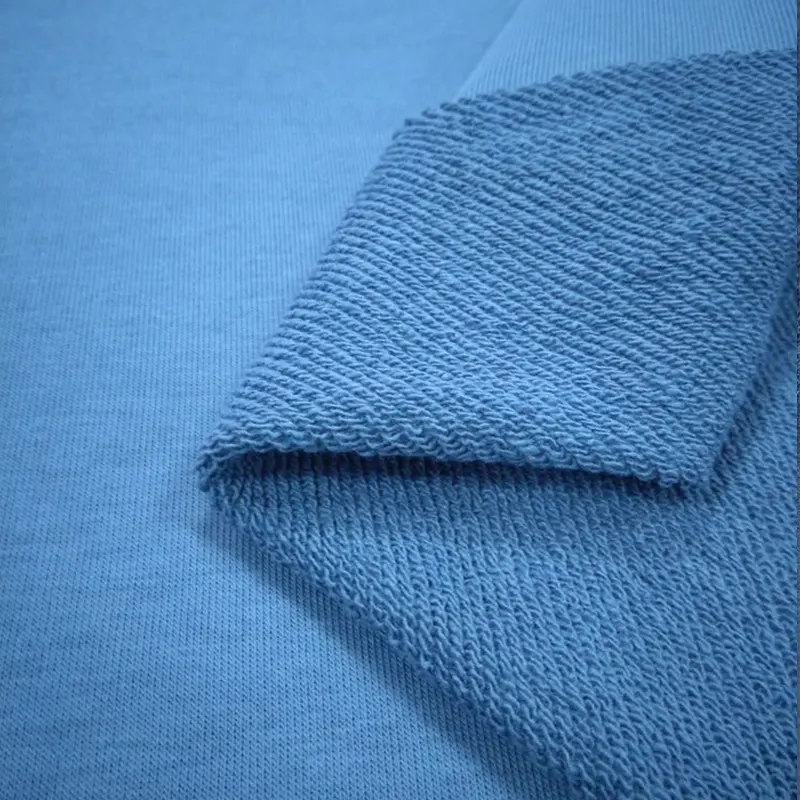
French Terry (250–450 GSM)
French terry balances comfort and structure, making it ideal for hoodies and sweatpants. The loop-back interior improves moisture absorption while maintaining breathability.
French terry hoodies pull off cozy without bulk, at 250-450 GSM with loops inside for sweat-wicking. Soft on skin and hides small snags, though lower-grade stuff pills fast—our yarns stay top-notch. Streetwear fabrics shine here for relaxed layers. Breathable fabrics for streetwear make this a go-to for active days. Explore French terry.
Best for: hoodies, joggers, zip-ups
Strengths: soft touch, versatile layering
Risk: low-grade yarns may pill over time
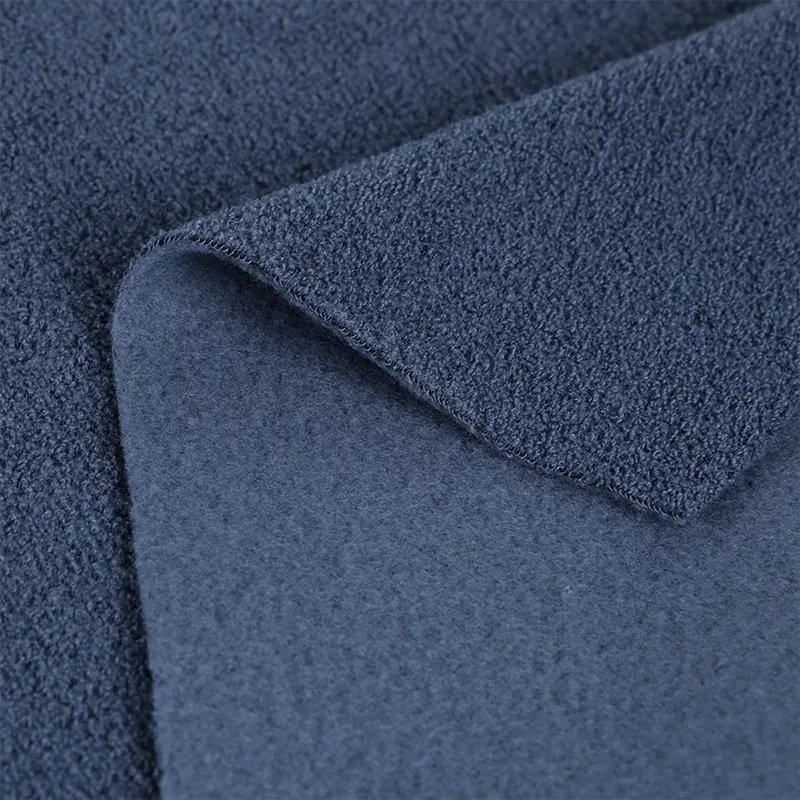
Fleece (200–400 GSM)
Fleece delivers warmth with minimal weight, making it a staple for colder streetwear drops. It also adapts well to recycled fiber blends for sustainable collections.
Fleece sweatshirts streetwear bring heat-trapping fuzz at 200-400 GSM, easy to clean and soft. Mixes well with recycled bits for sustainable twists, but watch for static in dry spots. Durable streetwear materials like this hold up in cold drops, perfect for pullovers.
Best for: sweatshirts, winter hoodies
Strengths: insulation, easy care
Limitation: static buildup in dry climates
Twill Fabric (200–400 GSM)
Twill’s diagonal weave creates strength and structure, ideal for pants and cargos. It dyes evenly and becomes softer with wear, especially after enzyme washing.
Best for: cargo pants, utility trousers
Strengths: abrasion resistance, shape retention
Trade-off: initial stiffness without washing

Corduroy (250–350 GSM)
Corduroy introduces texture and warmth, often used for seasonal jackets and statement pants. Proper finishing is critical to protect the pile and maintain visual depth.
Best for: jackets, overshirts
Strengths: retro texture, warmth
Risk: pile flattening under pressure

Nylon Blends (100–200 GSM)
Nylon blends are lightweight and water-resistant, widely used in technical outerwear. Hybrid constructions with cotton improve comfort and sustainability.
Best for: windbreakers, tech jackets
Strengths: weather resistance, fast drying
Limitation: reduced breathability

Interlock Knit (200–300 GSM)
Interlock knit offers smooth surfaces on both sides with excellent dimensional stability. It supports clean printing and refined streetwear silhouettes.
Best for: polos, premium basics
Strengths: recovery, print stability
Cost: higher than single jersey

Piqué Fabric (180–250 GSM)
Piqué fabric improves airflow through its textured knit, making it ideal for modern street polos that blend casual and elevated aesthetics.
Best for: polos, hybrid tops
Strengths: breathability, shape retention

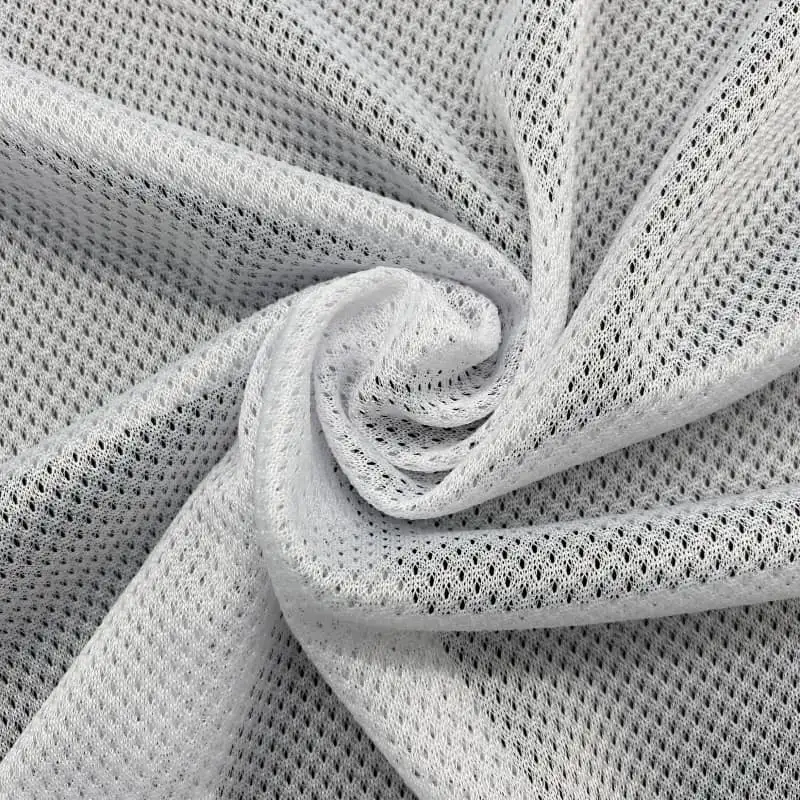
Mesh Fabric (100–150 GSM)
Mesh is used strategically for ventilation rather than as a primary fabric. Panels improve airflow in active streetwear designs.
Best for: mesh jersey, shorts (panel use)
Strengths: ventilation
Limitation: low standalone durability
Poplin (100–200 GSM)
Poplin provides a crisp, lightweight option for streetwear shirts, especially in warm-weather collections.
Best for: shirts, layering pieces
Strengths: wrinkle resistance, clean look

Oxford Cloth (150–250 GSM)
Oxford cloth combines breathability with texture, making it suitable for casual button-ups with improved durability.
Chambray (120–180 GSM)
Chambray mimics denim visually while remaining lightweight and breathable. Enzyme fading enhances vintage appeal.
Suede & Faux Suede (200–300 GSM)
Suede adds luxury texture to streetwear. Faux and coated versions improve durability and ease of care.
Drill Fabric (250–350 GSM)
Drill fabric offers superior strength for workwear-inspired street pants and chinos, improving comfort over time.
Quick Fabric Comparison Table
| Fabric | GSM Range | Ideal Garments | Pros | Cons |
| Heavyweight Jersey | 300–400 | T-shirts | Print-friendly | Shrink risk |
| French Terry | 250–350 | Hoodies | Soft, absorbent | Pilling |
| Fleece | 200–300 | Sweatshirts | Warm | Static |
| Twill | 200–400 | Pants | Durable | Stiff initially |
| Corduroy | 250–350 | Jackets | Textured | Crushable pile |
| Nylon Blends | 100–200 | Outerwear | Water-resistant | Breathability |
OEM / ODM Fabric Customization for 2025
At Qianshiwear, we tailor fabric development to brand positioning and market needs. This includes adapting streetwear fabric trends 2025 such as recycled fibers, 3D knits, and vegan alternatives while ensuring production consistency and durability.
FAQ
Q1: What is the best fabric for premium streetwear T-shirts?
Heavyweight jersey (300–400 GSM) offers the best balance of durability and print quality.
Q2: Which fabric works best for hoodies?
French terry for all-season wear; fleece for colder climates.
Q3: Are sustainable streetwear fabrics durable enough?
Yes. Modern recycled and bio-based fabrics meet commercial durability standards when properly engineered.
Q4: How do I choose GSM for my collection?
GSM should align with garment function, climate, and target price—not just thickness.











