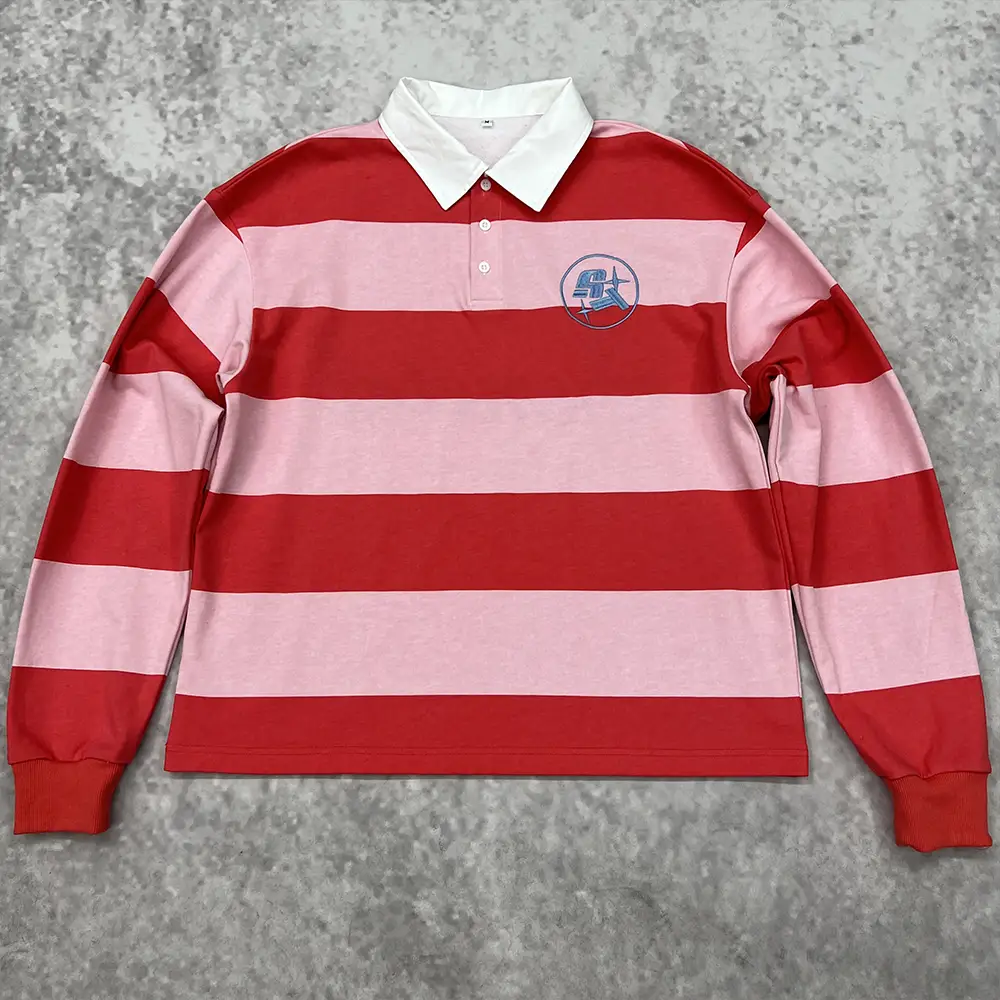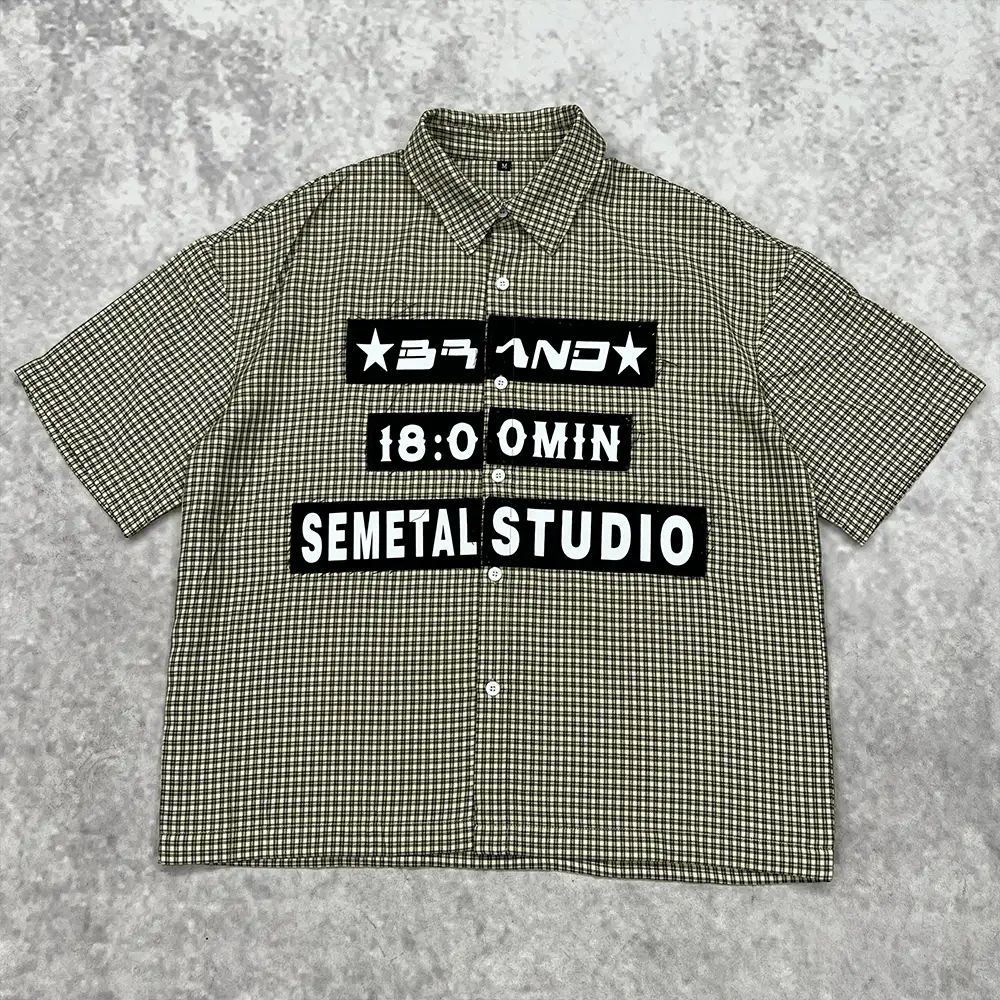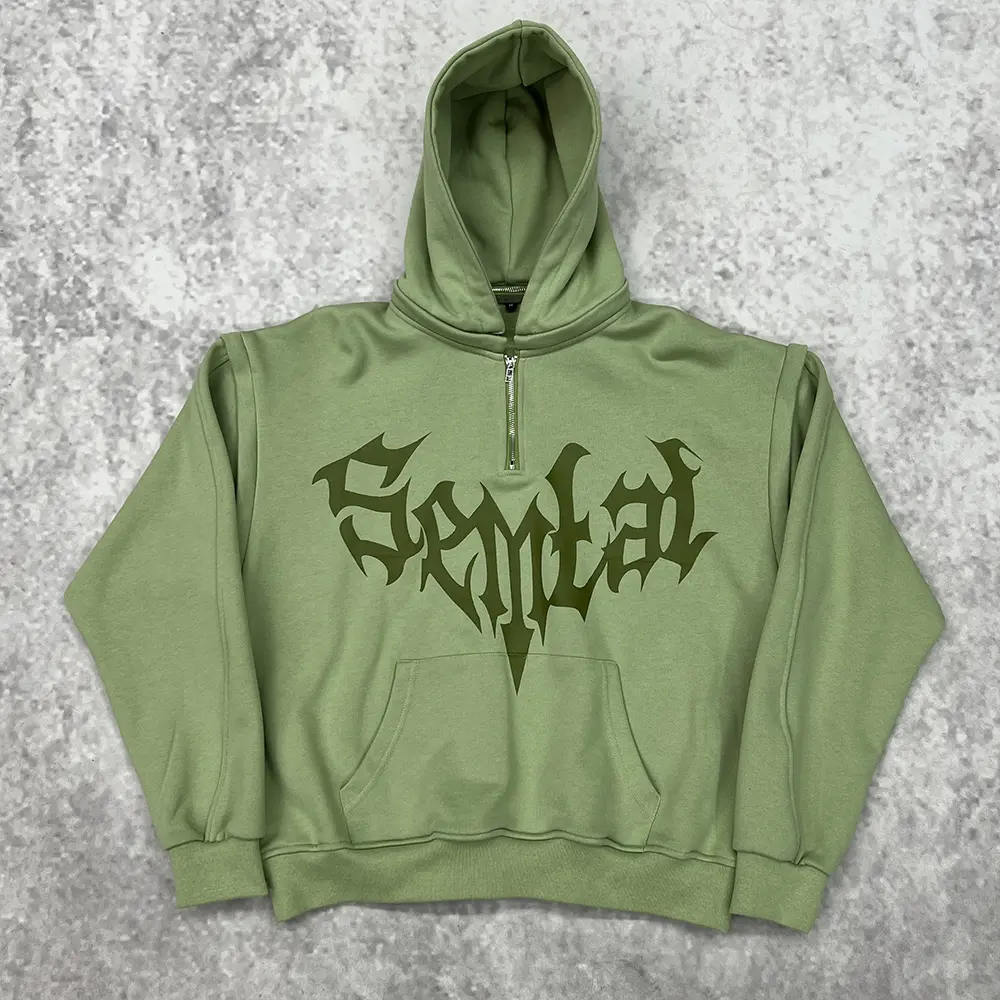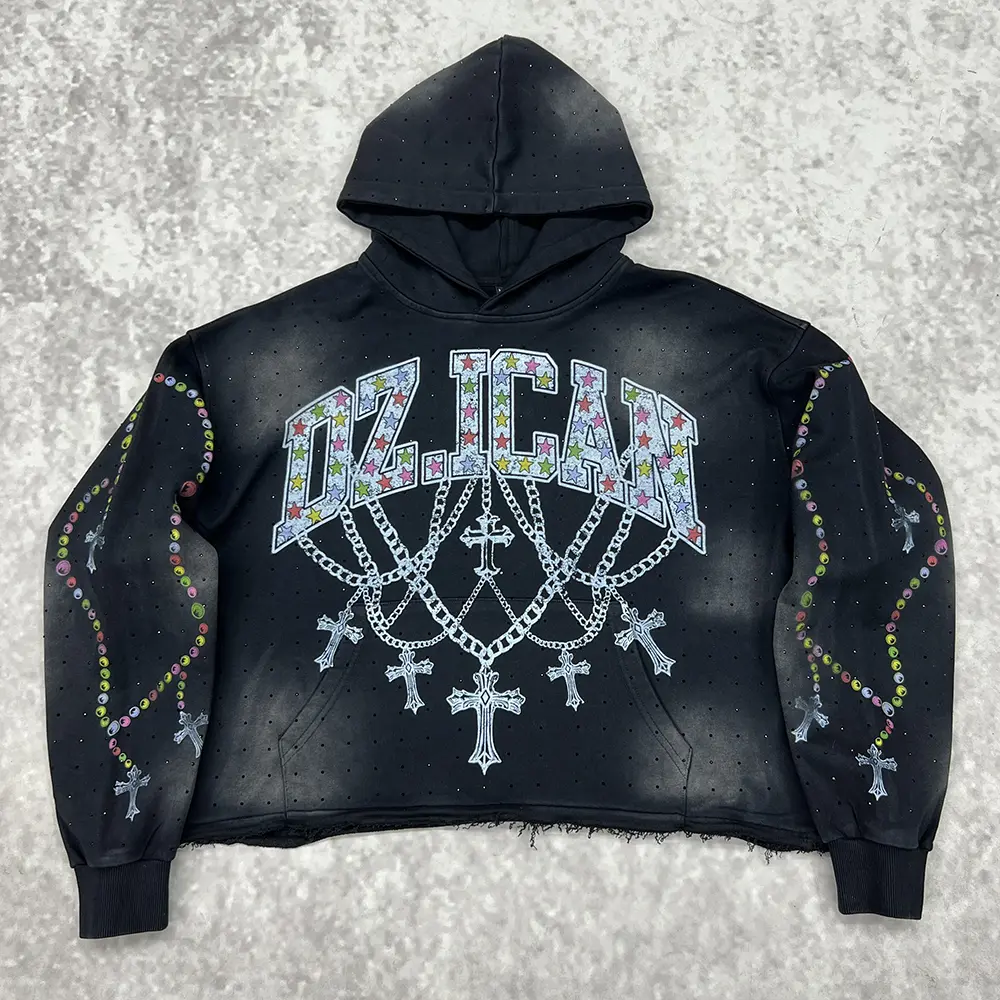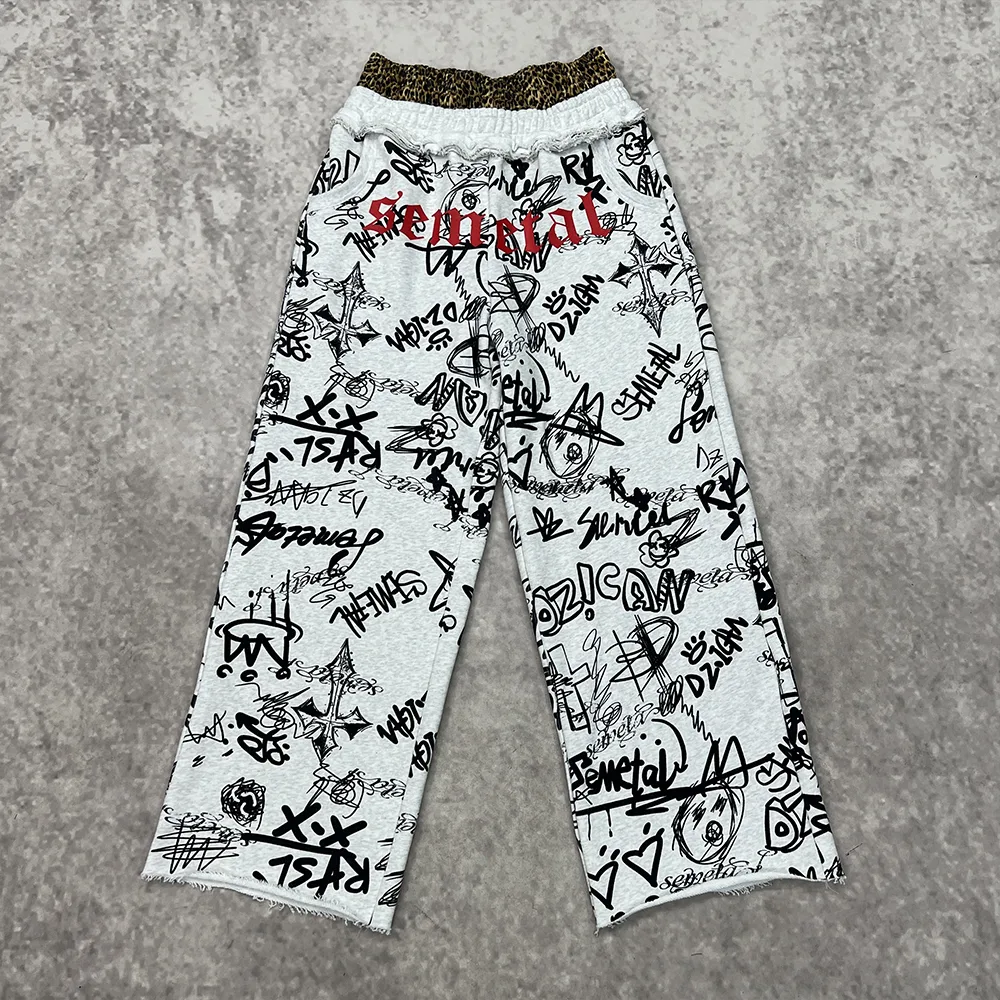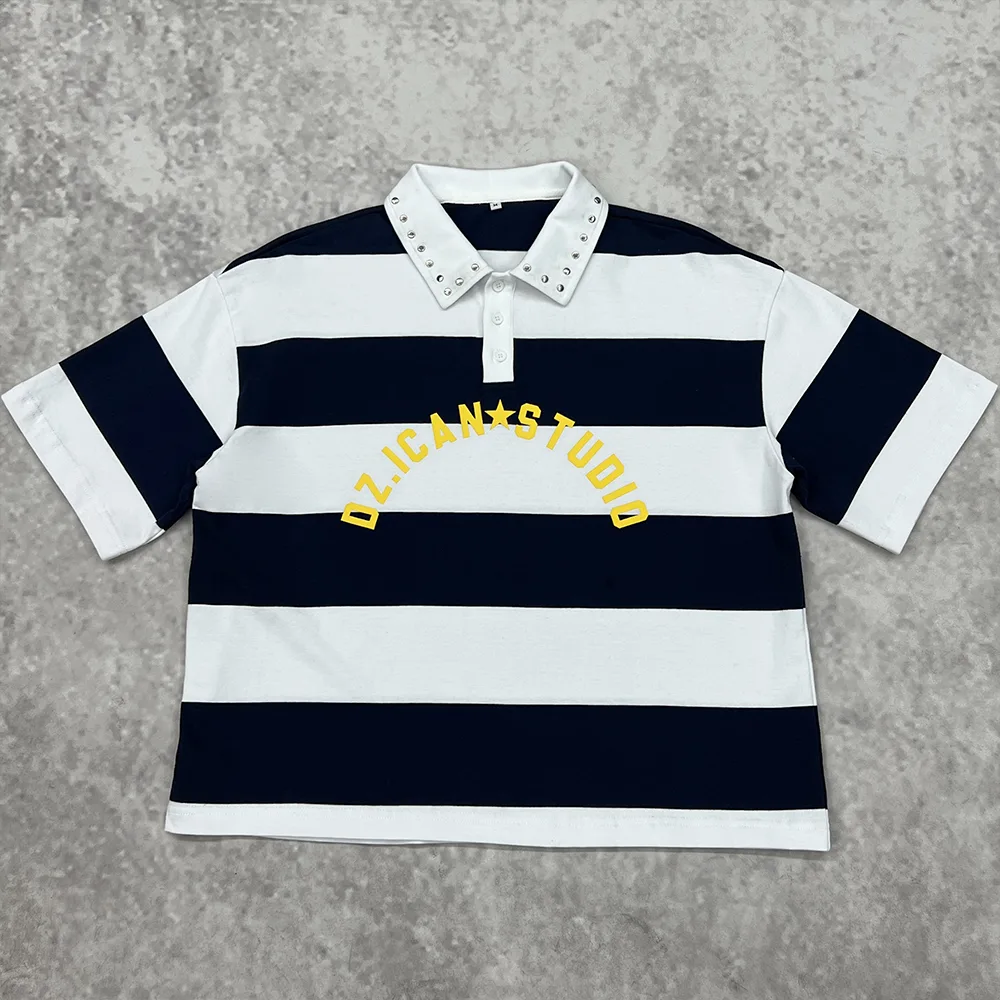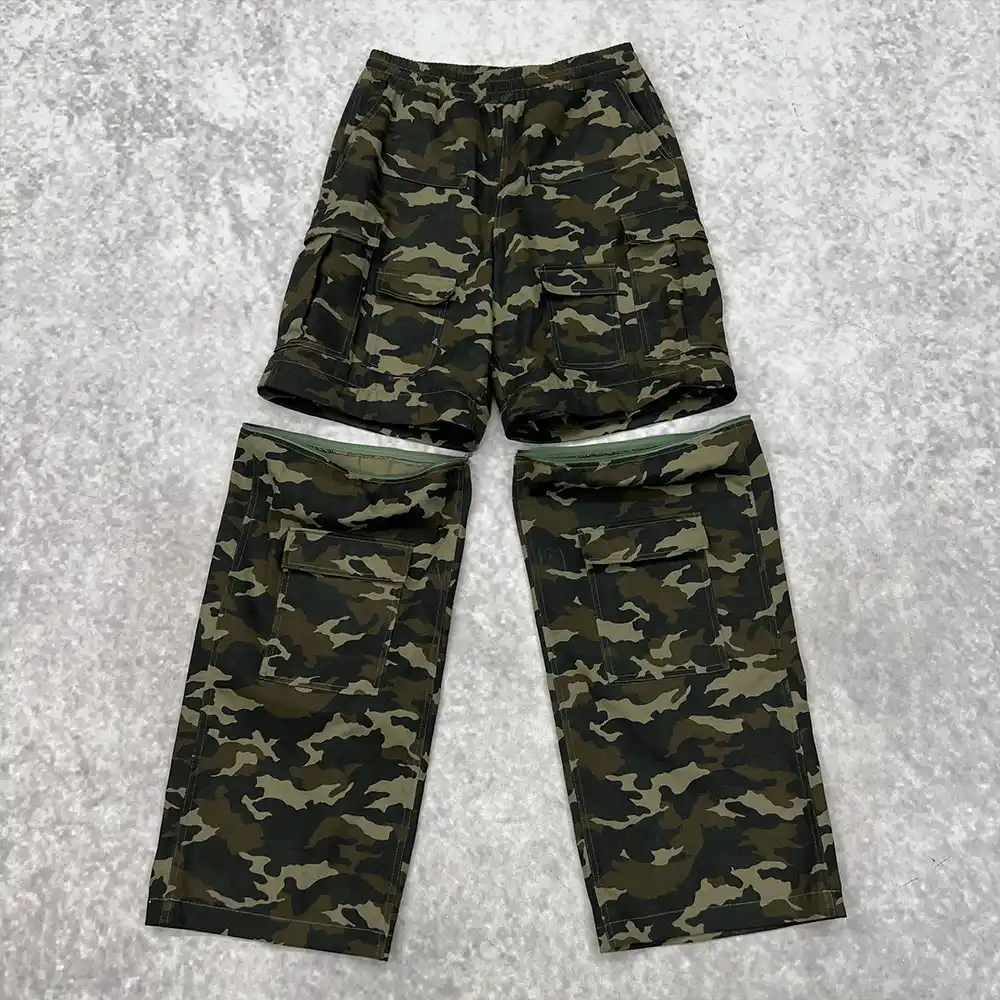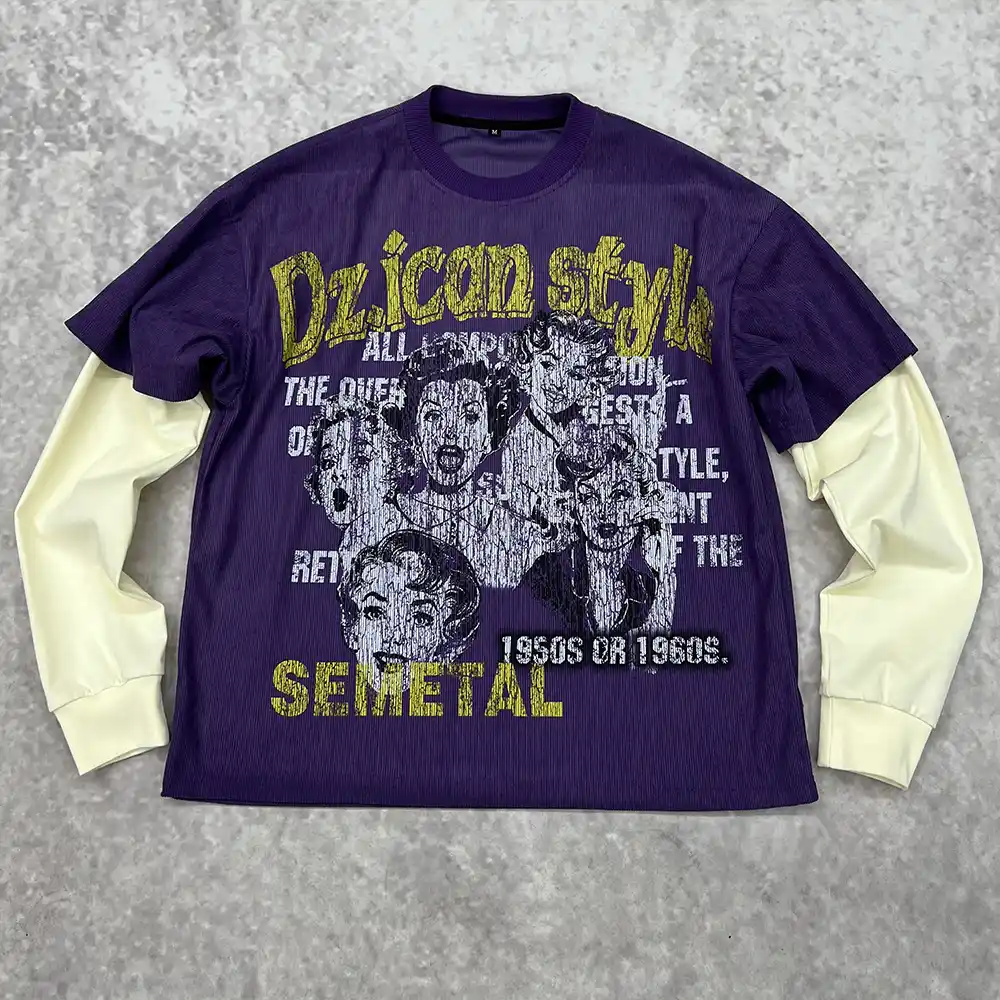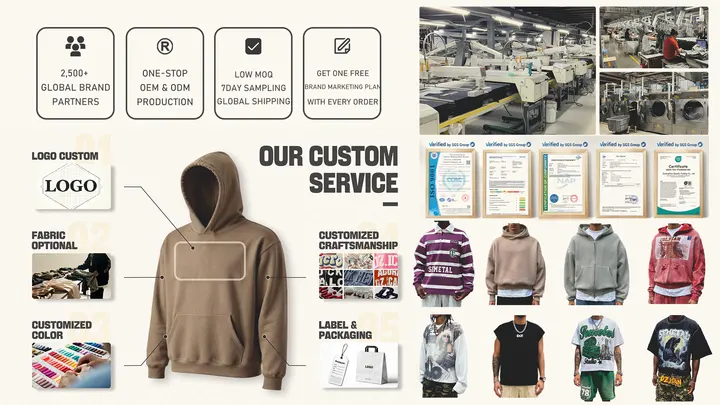

Strong streetwear starts with proportion, fabric and fit. Graphics work best after the base garment is controlled.
Many new streetwear brands start with graphics. They focus on the front print, back print, embroidery idea or logo placement before the garment shape is fully developed. The artwork may look strong on a mock-up, but once the garment is produced, the product can still feel weak if the fit is wrong. A premium hoodie with poor shoulder balance will not become premium because the print is good. A boxy T-shirt with the wrong body length will not feel like a strong brand piece just because the graphic is large.
Good streetwear starts with fit development. Fit development means building the garment shape, proportion, fabric behavior and measurement logic before finalizing graphic placement. It helps a brand control silhouette, comfort, drape, size consistency and sample-to-bulk quality. Graphics are still important, but they should sit on a garment that already works.
This article explains why fit development should come before graphics, what buyers should review, and how Qianshiwear helps growing brands build streetwear products that can scale beyond a single sample.
Why Graphics Cannot Fix a Weak Base Garment
Graphics create attention, but fit creates wearability. A customer may buy a T-shirt because the artwork catches the eye, but they come back because the garment feels right. If the shoulder is too narrow, the sleeve opening is awkward, the body twists after washing or the hoodie hood collapses, the brand experience becomes weaker than the visual design promised.
Fit problems also affect production consistency. A print may look centered on a digital mock-up, but if the garment’s shoulder line, body width or length changes during sampling, the placement can feel wrong. Embroidery may pucker if the fabric and pattern are not stable. Puff print may feel heavy if it lands across a point of tension. This is why fit development should guide graphic placement, not the other way around.
Construction standards such as ASTM D6193 show that seam and stitch performance depend on fabric, seam type, stitch density and thread. For wash and dimensional stability, buyers often reference AATCC textile testing standards. In plain production language, the garment body must be technically sound before decoration can perform well.
Fit Development vs Graphic-First Development
A graphic-first process usually begins with artwork and tries to force the garment to support it. A fit-first process starts with the customer, silhouette and fabric, then places the artwork where it supports the garment. The second method is more useful for premium streetwear product development because it creates a better physical product and a more repeatable production standard.
| Development Focus | Graphic-First Approach | Fit-First Approach |
| Starting point | Artwork, logo, print size or mock-up. | Silhouette, target customer, fabric, fit and garment function. |
| Sampling risk | The graphic looks strong but the product may wear poorly. | The garment works first, then graphics are placed with better accuracy. |
| Production control | Placement may shift when the fit is revised. | Artwork is approved after measurement and proportion are stable. |
| Brand value | Visual impact may be high but repeat wear can be weak. | Customer experience and repeat production consistency are stronger. |
What Fit Development Actually Means
Fit development is not only choosing oversized, regular or cropped. It is the process of turning a desired streetwear shape into measurements, pattern decisions and sample corrections. For a hoodie, this may include shoulder drop, chest width, body length, sleeve volume, hood depth, pocket height, rib tension and hem opening. For a T-shirt, it may include neckline width, shoulder slope, sleeve length, body width, hem shape and fabric drape.
The process often starts from a reference garment, sketch or tech pack. A pattern maker then builds a base pattern, the sample room makes the first sample, and the buyer reviews the physical garment. The review should include fit photos, flat measurements, wear comments and fabric behavior. After corrections, the sample moves closer to an approved fit standard.

Fit development turns design direction into measurable garment proportions before artwork placement is locked.
Key Fit Areas That Shape Streetwear Identity
Streetwear fit is emotional as well as technical. A hoodie can feel premium because the shoulder sits with intention, the body has enough volume, the hood frames correctly and the rib does not fight the fabric. A T-shirt can feel modern because the body length, sleeve opening and neckline work together.
| Fit Area | What to Control | Why It Matters |
| Shoulder width | Regular shoulder, relaxed shoulder or drop shoulder balance. | Sets the overall streetwear silhouette and sleeve position. |
| Body width | Chest, hem opening and side seam shape. | Controls boxy, oversized or clean regular fit. |
| Body length | High shoulder point to hem, front/back length and crop level. | Changes proportion, layering and customer perception. |
| Sleeve volume | Sleeve width, cuff opening and sleeve length. | Affects comfort, shape and how the garment photographs. |
| Hood and neckline | Hood depth, neck opening, collar rib and seam balance. | Strongly affects hoodie quality and wearing comfort. |
| Fabric drape | GSM, hand feel, recovery, shrinkage and wash effect. | Determines whether the intended silhouette holds in real life. |
Fabric and GSM Can Change the Same Pattern
A pattern does not behave the same in every fabric. A 240 GSM jersey T-shirt will drape differently from a 300 GSM compact jersey. A 420 GSM brushed fleece hoodie will hang differently from a 360 GSM French terry hoodie. Rib recovery, washing and shrinkage can also change the final fit.
This is why fit development should happen with the intended fabric as early as possible. If a brand approves fit in a substitute fabric and then changes to a heavier custom fabric, the final garment may feel shorter, wider, stiffer or less balanced. For premium development, fabric, GSM and fit should be reviewed together.
Why Graphics Should Wait Until Fit Is Stable
Graphic placement depends on the garment body. Chest print height, back print scale, sleeve embroidery and pocket graphics all relate to seams, body width, shoulder position and length. If the garment is still changing, the artwork position may need to change too.
For example, a large back print may look balanced on a regular hoodie but too high on an oversized hoodie with a deeper shoulder drop. A chest embroidery may look centered on a sample laid flat but sit too close to the armhole when worn. A puff print may cross an area of fabric tension and create distortion. Fit-first development reduces these problems by locking the garment shape before final decoration approval.

Once the fit is stable, artwork placement can be measured from real garment points instead of guessed from a mock-up.
How Fit Development Protects Bulk Production
Fit development is also a production planning tool. When the approved sample has stable measurements, fabric notes and fit comments, the factory can grade sizes, check tolerances and prepare bulk production more accurately. Without that control, each production run may interpret the fit slightly differently.
| Bulk Risk | What Causes It | Fit-First Control |
| Sample-to-bulk fit drift | Approved sample measurements are not documented clearly. | Lock points of measure, tolerance and approved fit photos. |
| Graphic placement inconsistency | Artwork is placed before final fit and grading are approved. | Confirm placement after fit sample and size set review. |
| Fabric changes shape | GSM, shrinkage or washing changes after approval. | Approve bulk fabric before final PP sample confirmation. |
| Repeat order inconsistency | Factory relies on old comments rather than a production file. | Maintain a repeat production record with measurements and sample photos. |
How to Review a Fit Sample Professionally
A fit sample should be reviewed both flat and worn. Flat measurements show whether the garment matches the spec. Worn review shows proportion, comfort and silhouette. For growing brands, the goal is to create specific, measurable comments rather than vague feedback such as make it better or more oversized.
| Review Step | What to Check | Useful Feedback Style |
| Flat measurement | Chest, shoulder, length, sleeve, hem and cuff. | Increase chest by 2 cm, reduce body length by 1.5 cm. |
| Worn photos | Front, side and back on target body type. | Shoulder drop is good; sleeve needs more volume. |
| Fabric behavior | Drape, recovery, shrinkage risk and surface stability. | Fabric feels too stiff for the intended relaxed fit. |
| Decoration planning | Graphic size, seam distance and tension areas. | Move chest artwork lower after body length revision. |
Where Tech Packs and Sampling Fit In
A tech pack helps turn fit direction into production language. It should include points of measure, target measurements, tolerance, fabric, GSM, construction notes and artwork placement. Qianshiwear’s tech pack templates can help brands organize this information before sampling.
Sampling then tests whether the document works in real fabric. For hoodie-heavy collections, working with a custom hoodie manufacturer helps connect pattern, fleece weight, rib recovery, hood structure and decoration before bulk production. For T-shirt programs, a custom T-shirt manufacturer should review jersey weight, body shape, neckline, sleeve opening and graphic scale together.
How Qianshiwear Supports Fit-First Development
Qianshiwear helps streetwear brands develop garments from sketch, reference image or tech pack into production-ready samples. The process can include fabric and GSM discussion, pattern review, digital mock-up confirmation, fit sample adjustment, size set review, decoration testing and PP sample approval.
This support is valuable for growing brands that want premium product development and repeat production, not only a single attractive sample. If your next collection needs oversized hoodies, boxy T-shirts, fleece sets, custom fabric, embroidery, screen print, DTG, puff print or rhinestone details, the strongest route is to develop the fit first and then lock the graphics.
To review a new project, you can contact Qianshiwear with your design files, reference fit, target fabric, size range, decoration method and launch timeline.
FAQ
Should I finalize graphics before making the first sample?
You can prepare the artwork direction early, but final placement should usually wait until the fit and measurements are stable. This prevents rework when the body length, shoulder width or size grading changes.
What is the most important part of streetwear fit development?
The most important part is controlling proportion: shoulder, body width, body length, sleeve volume and fabric drape. These details create the streetwear silhouette customers actually feel when wearing the product.
Can a factory help improve fit if I only have a reference image?
Yes, but the reference image should be translated into measurements, fabric direction and sample comments. A reference image is a starting point, not a production standard.
How does fit development improve graphic placement?
Once the garment shape is stable, artwork can be placed from real garment points such as neckline, shoulder seam, center front, pocket edge or hem. This makes placement more repeatable in sampling and bulk production.
Conclusion: Fit Is the Product, Graphics Are the Layer
Good streetwear does not start with graphics alone. It starts with a garment that feels right: the shoulder, body, sleeve, hood, fabric and drape all working together. Graphics then add identity to a product that already has structure.
For growing brands and established brands, fit development is one of the clearest ways to improve product quality, reduce sample revisions and protect sample-to-bulk consistency. When the fit is right first, the graphics have a stronger foundation to stand on.