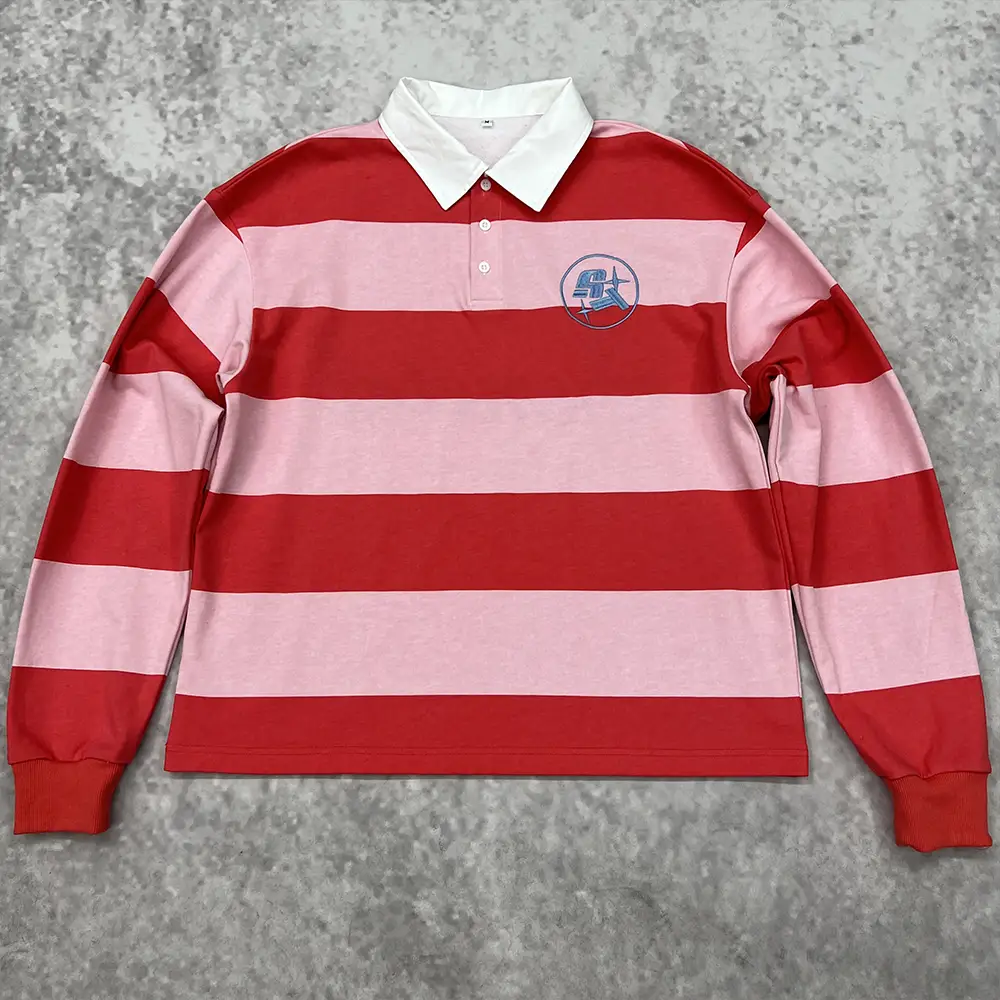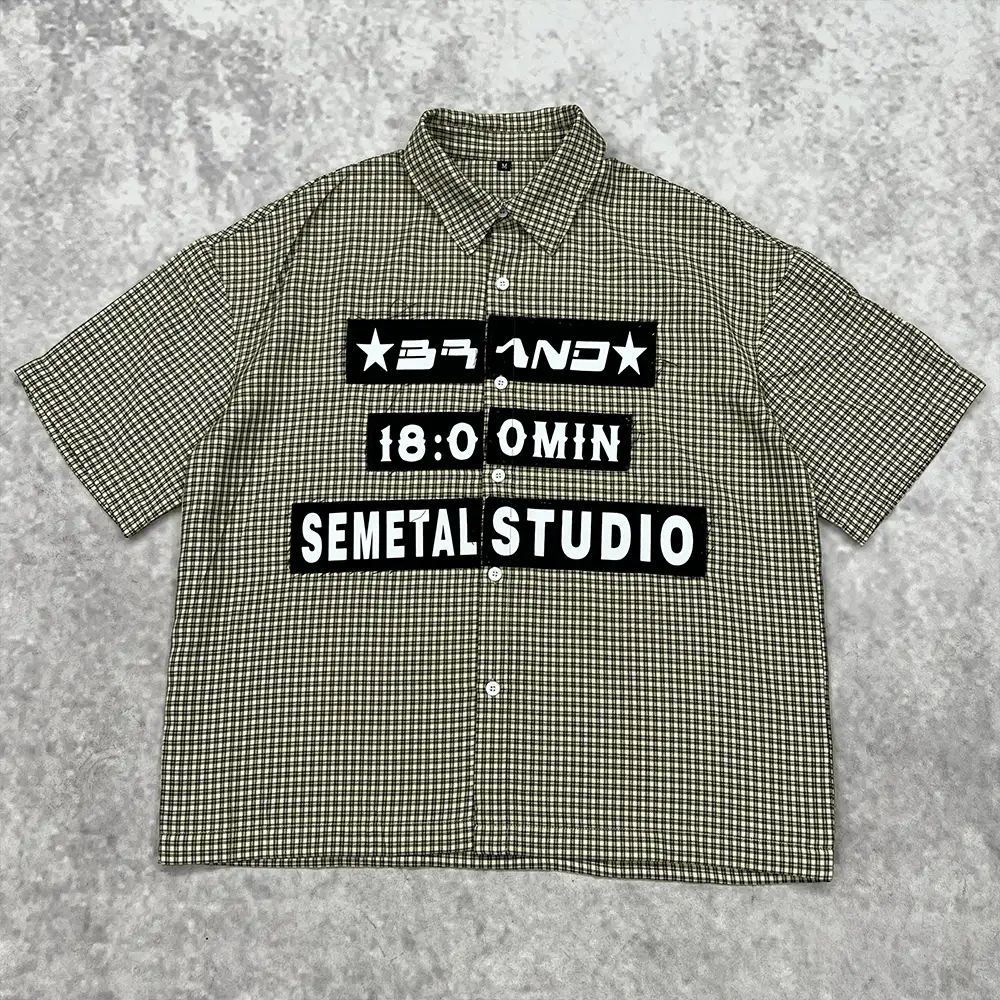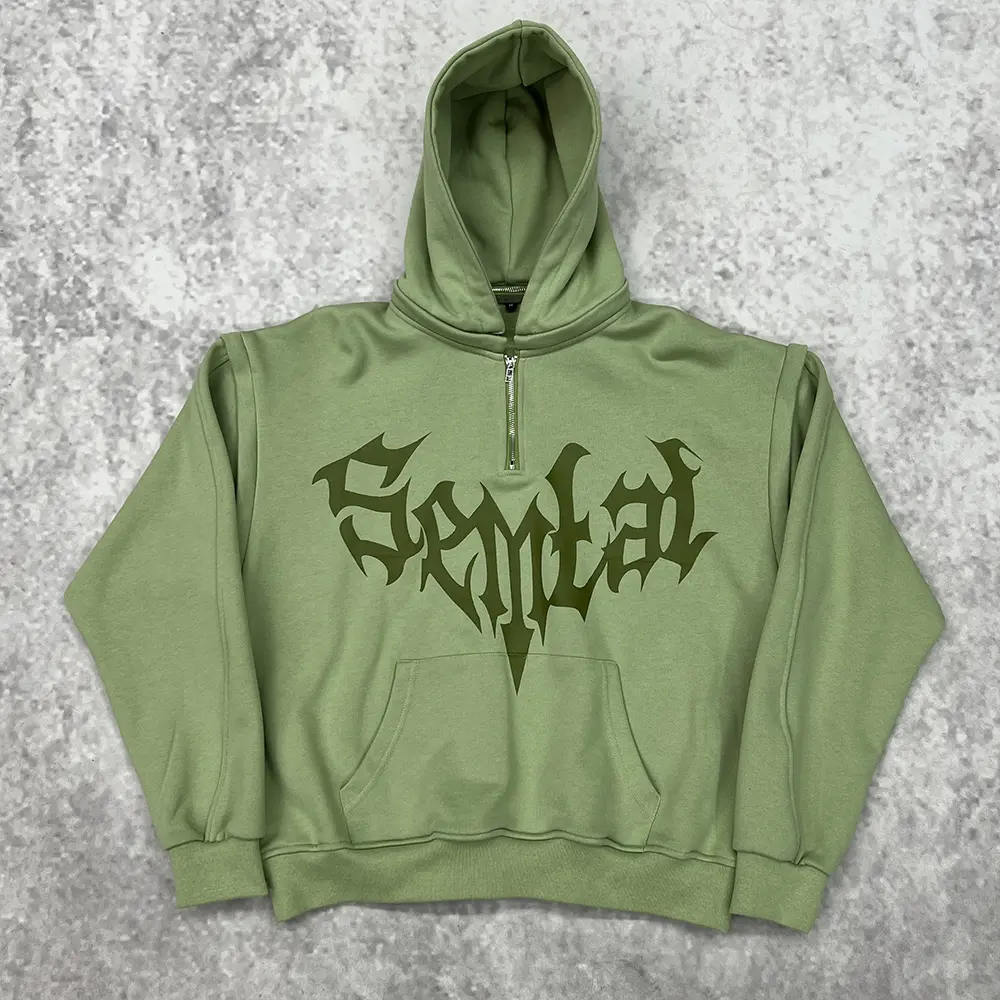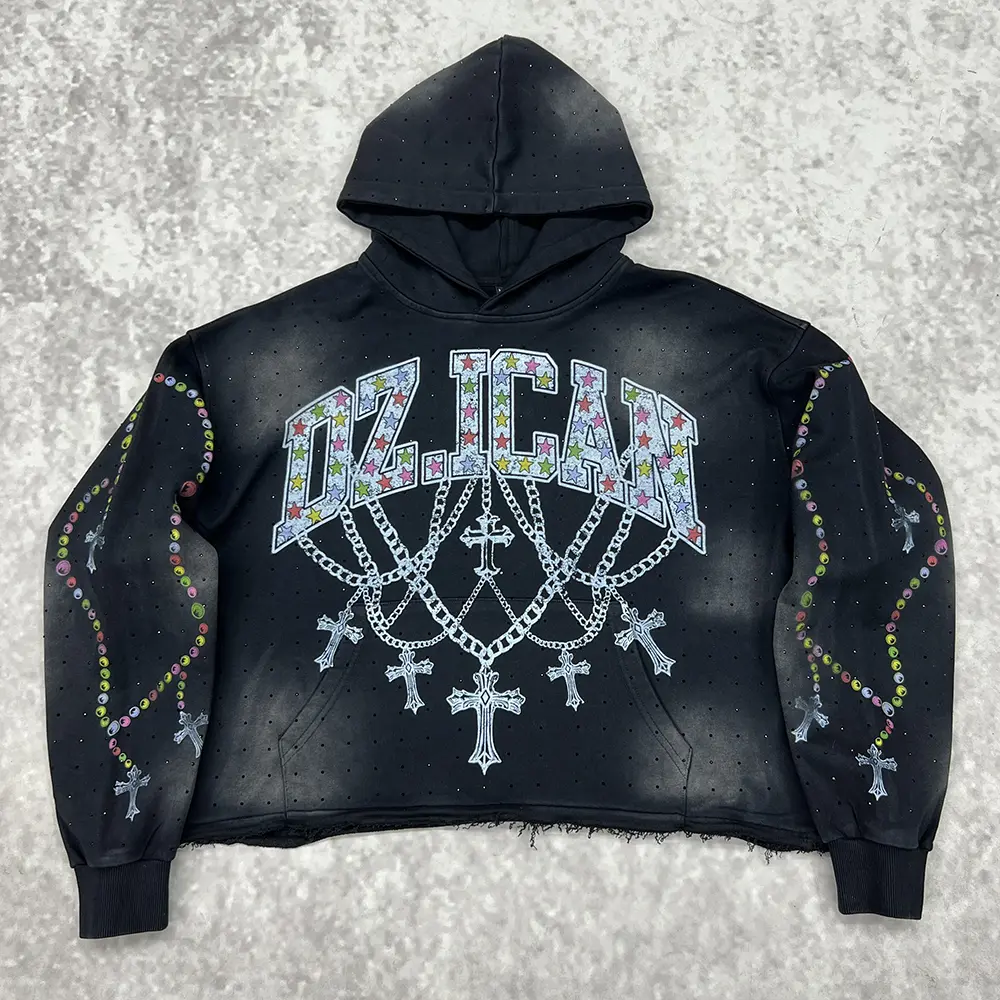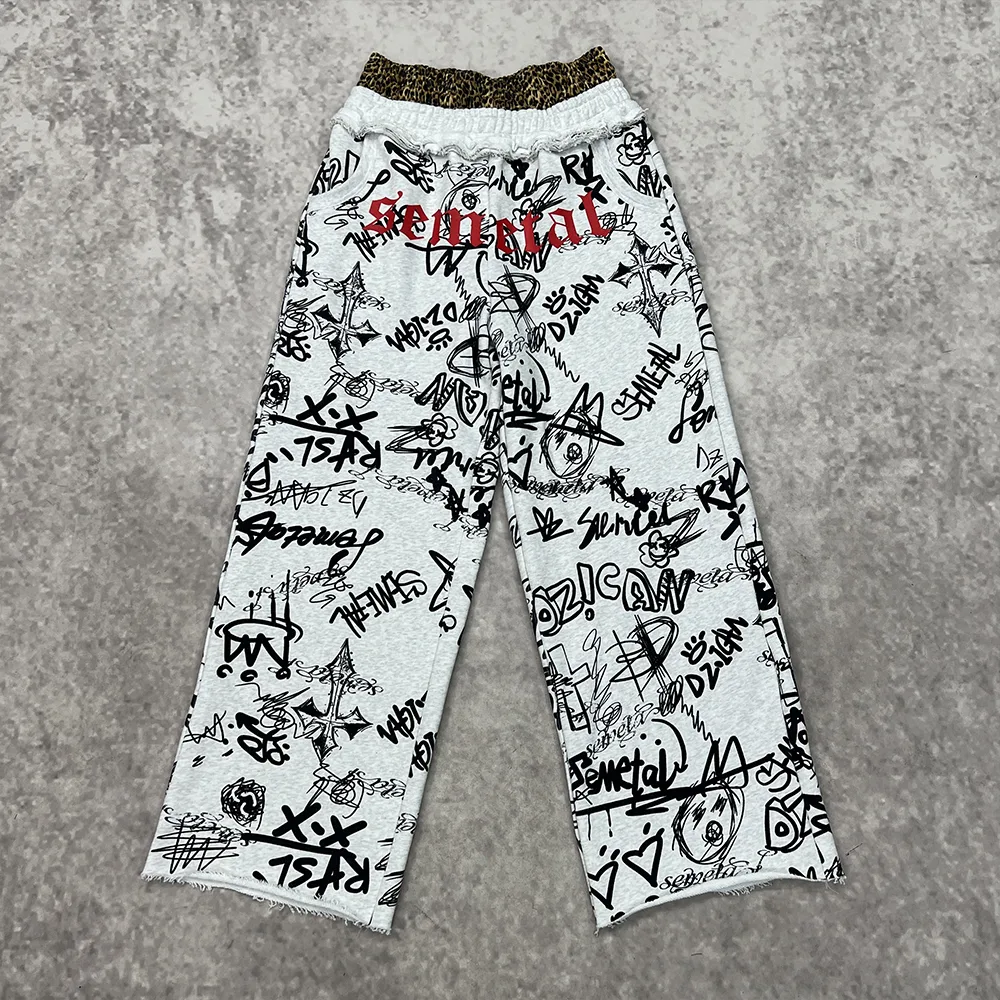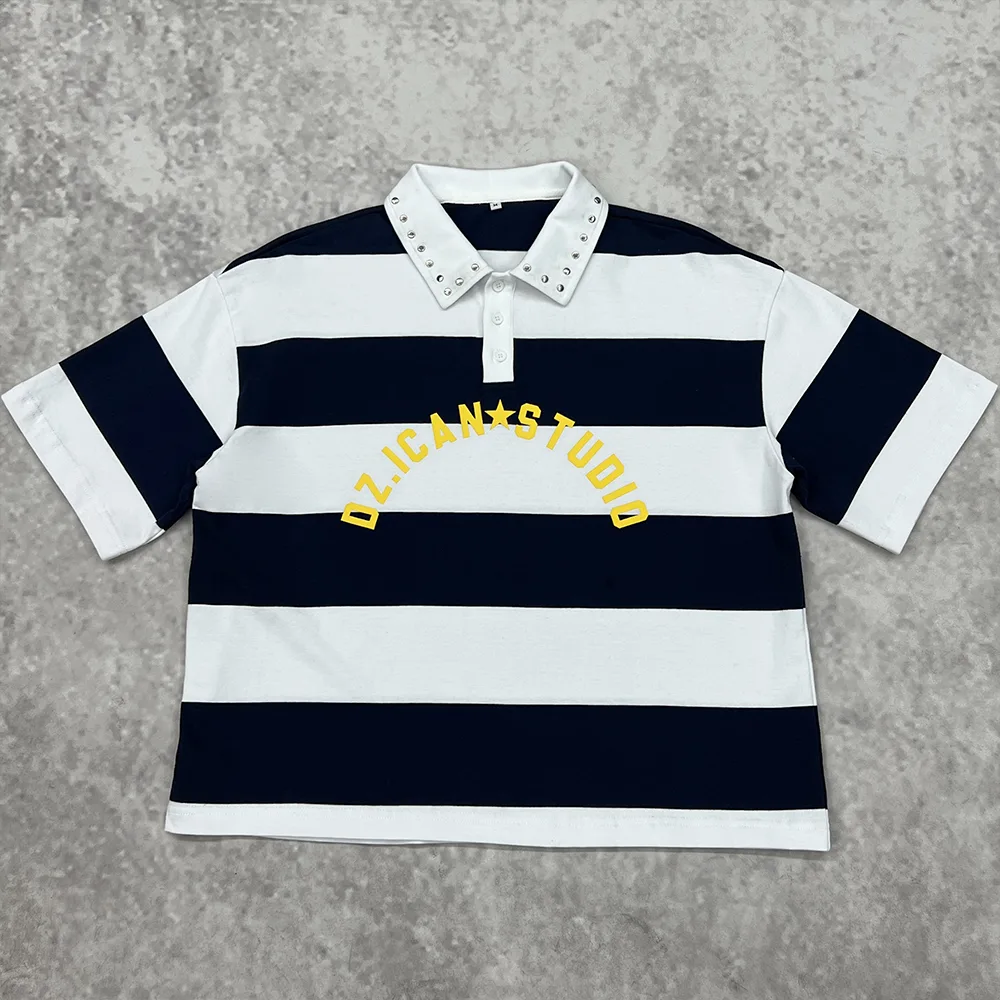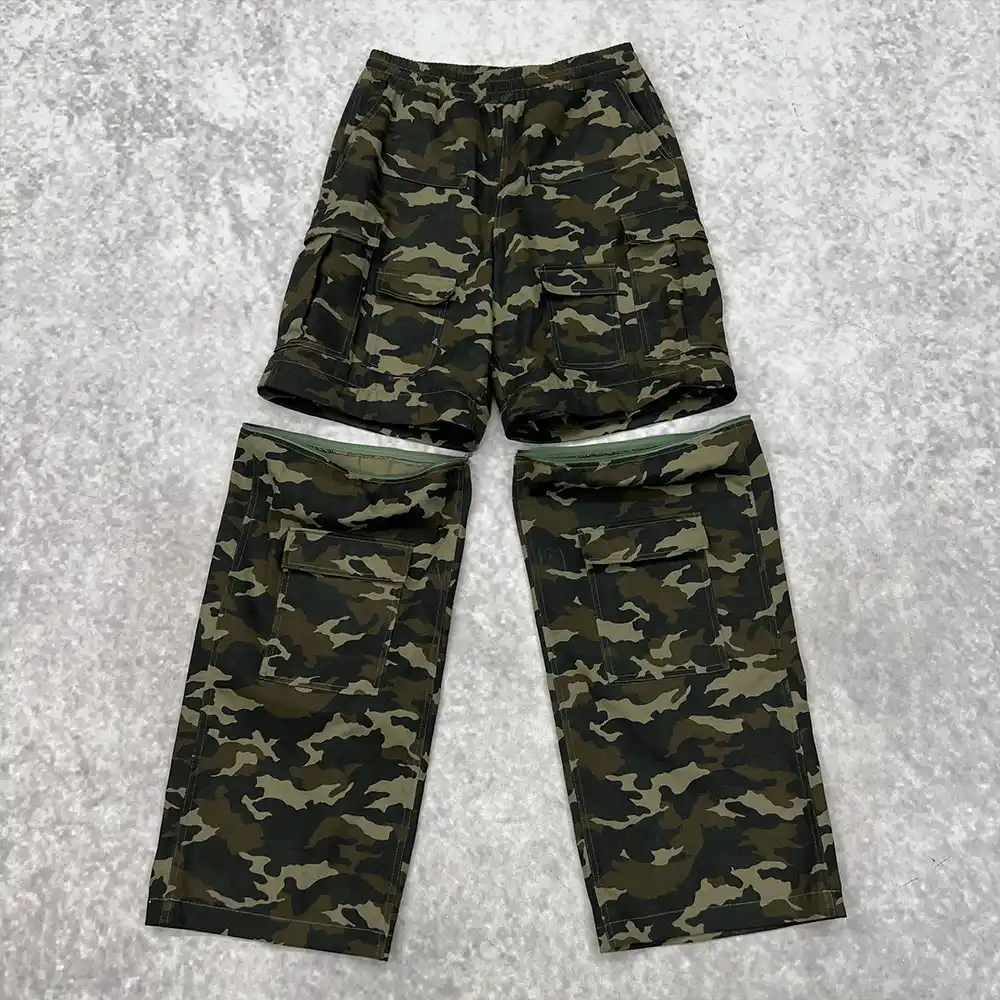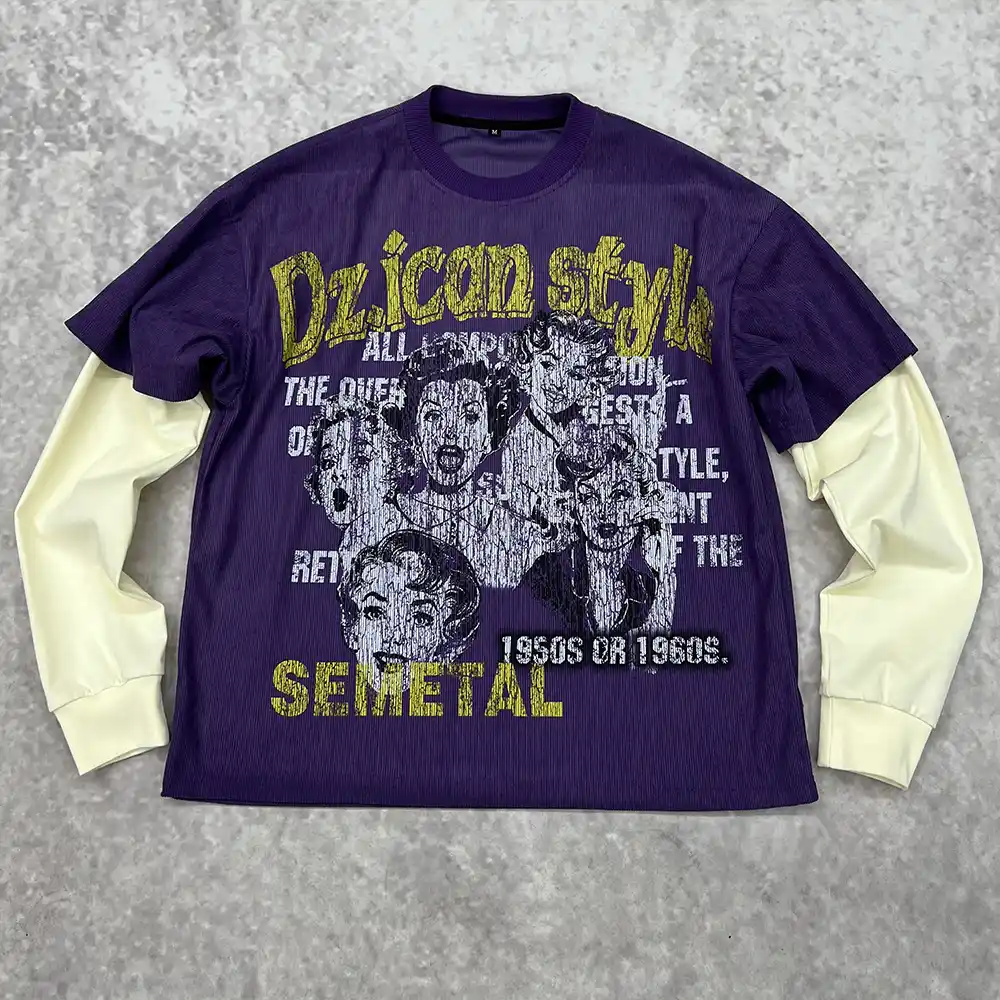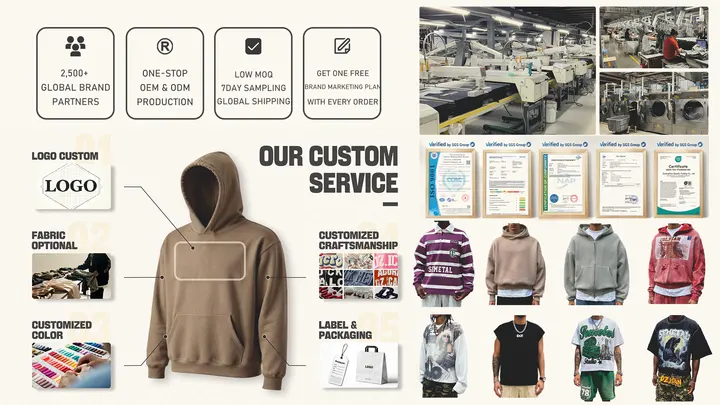

Strong streetwear product development turns creative direction into repeatable garments, not just attractive samples.
Streetwear product development is the work that turns a strong idea into a garment a customer can wear, wash, reorder and recognize as part of a real brand. For growing brands and established brands, the goal is not simply to find a factory. The goal is to build a product development process that protects creative direction while making the style scalable for repeat production.
In 2026, premium streetwear buyers are asking for more than a blank hoodie with a graphic. They want custom fabric, controlled GSM, developed silhouettes, refined hand feel, decoration that survives washing, quality consistency across colors and a production plan that can move from sample to bulk without losing the original intent.
This guide explains how streetwear product development works from concept to bulk production, with a factory-side view of tech packs, fabric selection, sampling, decoration testing, pre-production approval, QC and repeat production planning.
Why Product Development Matters More Than Finding a Supplier
A supplier can make a garment. Product development makes the garment repeatable. That difference matters when a brand is building a collection, planning seasonal drops or preparing a core style for long-term sales.
Many production problems start before production. The design may look clear in a reference photo but lack measurements, fabric direction, construction details or decoration standards. The first sample may look close enough, but if the fabric, pattern and print settings are not documented, bulk production can drift.
| Development gap | What happens later | Better product development control |
| Only a reference photo is provided | Fit, fabric and construction are guessed | Create a tech pack with measurements, fabric direction and construction notes |
| Fabric is chosen by appearance only | Hand feel, shrinkage or drape changes in bulk | Approve swatches, GSM, shrinkage and sample garment behavior |
| Decoration is approved by mockup only | Print hand, placement or durability fails | Use strike-offs and wash checks on the real fabric |
| Sample comments are vague | Corrections are interpreted differently | Give measurable comments and confirm a revised sample when needed |
| No pre-production approval | Bulk begins with unresolved risks | Approve PPS with bulk fabric, trims and decoration |
Start With a Product Brief, Not a Finished Answer
A good product brief explains the role of the garment in the collection. Is it a premium core hoodie, a seasonal graphic tee, a heavyweight washed sweatshirt, a double-knit set or a denim/twill cargo pant? Each product type needs a different development path.
The brief should define the intended customer, retail position, fit direction, fabric mood, decoration concept, color story, size range and target quality level. It does not need to answer every factory question on day one, but it should make the product direction clear enough to guide sampling.
For serious collection development, the brief also needs a commercial lens. A beautiful style that cannot be repeated, washed, costed or delivered reliably is not ready for scale.
Translate Creative Direction Into a Production-Ready Tech Pack
The tech pack is the bridge between design language and factory execution. A production-ready tech pack should include more than a flat sketch. It should tell the sample room, fabric team, decoration team, sewing line and QC team what must be protected.
For premium streetwear product development, include garment measurements, tolerance, fabric composition, GSM target, rib and trim details, construction method, artwork placement, decoration method, label placement, wash process, packing standard and sample comment history.
The tech pack should evolve as development moves forward. After each sample round, update the measurements, fabric notes, artwork files and construction comments. The final version should match the approved pre-production sample, not the first idea.
Choose Fabric Around Silhouette and Repeat Production
Fabric is one of the biggest product development decisions. It affects drape, warmth, print quality, shrinkage, sewing difficulty, cost and reorder stability. A boxy heavyweight tee needs a different fabric strategy from a soft vintage tee. A premium hoodie may need custom fleece, matched rib, controlled shrinkage and a stable surface for puff print or embroidery.
Stock fabric can be useful during early development when the brand is testing a direction. Custom fabric becomes more important when a style is intended as a core product, a signature hand feel or a repeatable collection base.
| Fabric route | Best use | Development control needed |
| Approved stock fabric | Fast sampling, market testing, early collection development | Confirm GSM, composition, shrinkage, color availability and reorder continuity |
| Custom color on existing fabric | Brand color story and core seasonal colors | Lab dips, shade band, bulk dye lot control and reorder records |
| Custom fabric development | Premium core products and signature hand feel | Yarn, structure, GSM, finishing, shrinkage and mill lead time |
| Garment wash or pigment effect | Vintage, faded or washed streetwear | Sample wash recipe, shade tolerance and after-wash measurements |

Fabric, trims and decoration tests decide whether a concept can become scalable repeat production.
Develop the Fit Before Chasing Bulk Production
Streetwear fit is product identity. Shoulder drop, sleeve volume, body length, hood shape, collar height, hem width and pant leg opening all change how the brand feels. A small measurement change can turn a premium oversized garment into something generic.
Fit development usually needs more than one round. The first sample tests concept and proportion. The second sample corrects measurements and construction. A size set checks grading across the range. A pre-production sample confirms that the final standard can be made with bulk materials.
For custom hoodie development, fit work should include hood balance, rib recovery, pocket placement, sleeve shape and body length after wash if washing is part of the process.
Decoration Testing: Make the Graphic Production-Ready
Graphics are central to streetwear, but artwork on screen is not the same as artwork on fabric. Screen print, DTG, puff print, high-density print, embroidery, applique, rhinestone transfer and washed effects all need testing on the selected fabric.
For custom T-shirt development, print hand, opacity, placement and wash performance should be checked before the design is approved for bulk. For fleece and French terry, the fabric surface can change print sharpness and puff height. For embroidery, stitch density and backing can affect puckering.
| Decoration method | What to test | Bulk production risk |
| Screen print | Opacity, hand feel, curing and wash result | Cracking, rough hand or color shift |
| DTG | Pretreatment, color depth and wash behavior | Dull print or fuzzy edges |
| Puff/high-density print | Raised height, curing and edge stability | Uneven height, collapse or cracking |
| Embroidery/applique | Stitch density, backing and placement | Puckering, distortion or heavy hand |
| Rhinestone/heat transfer | Heat, pressure, peel and wash resistance | Loose stones, shine marks or poor adhesion |
Sampling Rounds: What Each Sample Should Decide
Sampling should not be random trial and error. Each sample round should answer specific questions. If a sample does not move the product closer to production, the process becomes slow and expensive.
| Sample stage | Purpose | Buyer decision |
| Development sample | Test concept, fabric direction and rough fit | Is the product direction worth continuing? |
| Fit sample | Correct measurements, proportion and construction | What must change before size grading? |
| Decoration sample or strike-off | Test artwork on actual fabric | Is the print, embroidery or transfer production-ready? |
| Size set | Check grading across selected sizes | Does the fit scale correctly? |
| Pre-production sample | Confirm bulk fabric, trims, decoration and construction | Is the style approved for bulk production? |
Pre-Production Approval Protects Quality Consistency
The pre-production sample, often called PPS, is the final approval before bulk production. It should use bulk fabric, bulk trims, approved decoration, final pattern and intended construction. If the PPS is not approved carefully, bulk production may start with unresolved risks.
PPS approval should check measurements, fit, fabric hand, shade, trim quality, construction, decoration placement, print or embroidery result, wash behavior and packing details. For repeat production, it also becomes the reference standard for future orders.
For garments that require washing, pigment dye or garment dye, approve after-wash measurements and shade range. For set products, compare tops and bottoms together under consistent light.

Pre-production approval connects fit, fabric, decoration and quality consistency before bulk production starts.
QC Should Be Built Into Development
Quality consistency starts before final inspection. During development, decide which measurements are critical, which defects are unacceptable and which tests are needed for the product type.
For wash behavior, methods such as AATCC TM135 dimensional change after home laundering can support formal shrinkage evaluation. For color performance, AATCC TM61 colorfastness to laundering is a useful reference when laundering performance must be documented. For construction language, ASTM D6193 stitch and seam terminology can help teams discuss seams more precisely.
When bulk inspection is required, sampling concepts related to ISO 2859-1 sampling procedures for inspection by attributes may help frame acceptance criteria. The practical point is simple: agree on defects, tolerance and inspection timing before production starts.
Plan Bulk Production Before the Style Is Fully Finished
Production planning should begin during development, not after the final sample. Fabric lead time, custom color approval, trim sourcing, decoration capacity, washing, QC and packing all affect delivery.
Growing brands should ask whether the fabric is available for repeat production, whether the decoration method can scale, whether the size curve is realistic and whether the factory has the right production slot. A product that is easy to sample may still be difficult to produce at volume if the material or process is unstable.
The strongest development process connects design, costing, production planning and QC early. That is how a brand avoids approving a beautiful product that cannot meet its launch calendar.
| Bulk readiness question | Why it matters | What to confirm before production |
| Is the fabric locked? | Fabric changes can alter hand feel, shrinkage and print result | Approved swatch, GSM, composition, color standard and reorder note |
| Is the fit approved across sizes? | A good medium sample does not guarantee good grading | Size set, tolerance and critical measurement points |
| Is decoration tested on the real fabric? | Artwork can behave differently by surface and wash | Strike-off, placement map, curing or heat setting and wash check |
| Is the production route clear? | Unclear process ownership creates delays and inconsistency | Sampling, fabric, decoration, sewing, washing, QC and packing owner |
| Is repeat production documented? | Core products need future consistency | Gold sample, final tech pack, pattern version and inspection report |
Build Reorder Records From the First Bulk Order
Repeat production is a major sign of a mature streetwear brand. To make reorders stable, keep a gold sample, final tech pack, pattern version, graded size spec, fabric standard, lab dip, trim card, decoration strike-off, wash recipe and final inspection report.
When the next order begins, compare new fabric, trims and decoration against the retained standard before cutting. If anything changes, approve the change through a new sample or strike-off. This protects customer trust and keeps the product line consistent.
Product Development Roadmap for Growing Brands
- Define the garment’s role in the collection before requesting samples.
- Create a production-ready tech pack and update it after each sample round.
- Choose fabric based on silhouette, hand feel, shrinkage and repeat production needs.
- Test decoration on the actual fabric before approving bulk artwork.
- Use fit samples, size sets and PPS to reduce sample-to-bulk risk.
- Build QC standards and reorder records before the first bulk shipment leaves the factory.
FAQ
What is streetwear product development?
Streetwear product development is the process of turning a creative idea into a production-ready garment through design briefing, tech packs, fabric selection, sampling, decoration testing, fit correction, PPS approval, QC and repeat production planning.
How many sample rounds does a premium streetwear product need?
It depends on complexity. A simple graphic tee may need fewer rounds than a custom fabric hoodie, washed fleece set or cargo pant. Serious development usually includes at least a development sample, fit correction and pre-production sample.
When should a brand use custom fabric?
Use custom fabric when the garment is a proven core product, needs a signature hand feel, requires stronger quality consistency or will be repeated across collections. Early concepts can often begin with approved stock fabric before moving into custom development.
How do you reduce sample-to-bulk risk?
Lock fabric, trims, pattern, decoration, measurements and QC standards before bulk. Approve a PPS using bulk materials and keep records for the production team and future reorders.
What makes a product scalable for repeat production?
A scalable product has clear specifications, stable materials, tested decoration, approved fit, defined tolerance, production records and a supplier that can repeat the same standard across future orders.
Conclusion
Streetwear product development in 2026 is about building premium products that can scale. The brands that win are not only the brands with strong graphics. They are the brands that can turn concept, fabric, fit, decoration and QC into repeatable production standards.
Qianshiwear supports growing and established brands with collection development, custom fabric direction, sampling, decoration testing, production planning and quality consistency. If you are developing a product that needs to move from concept to reliable bulk production, you can discuss a product development plan with Qianshiwear before starting the next sample round.