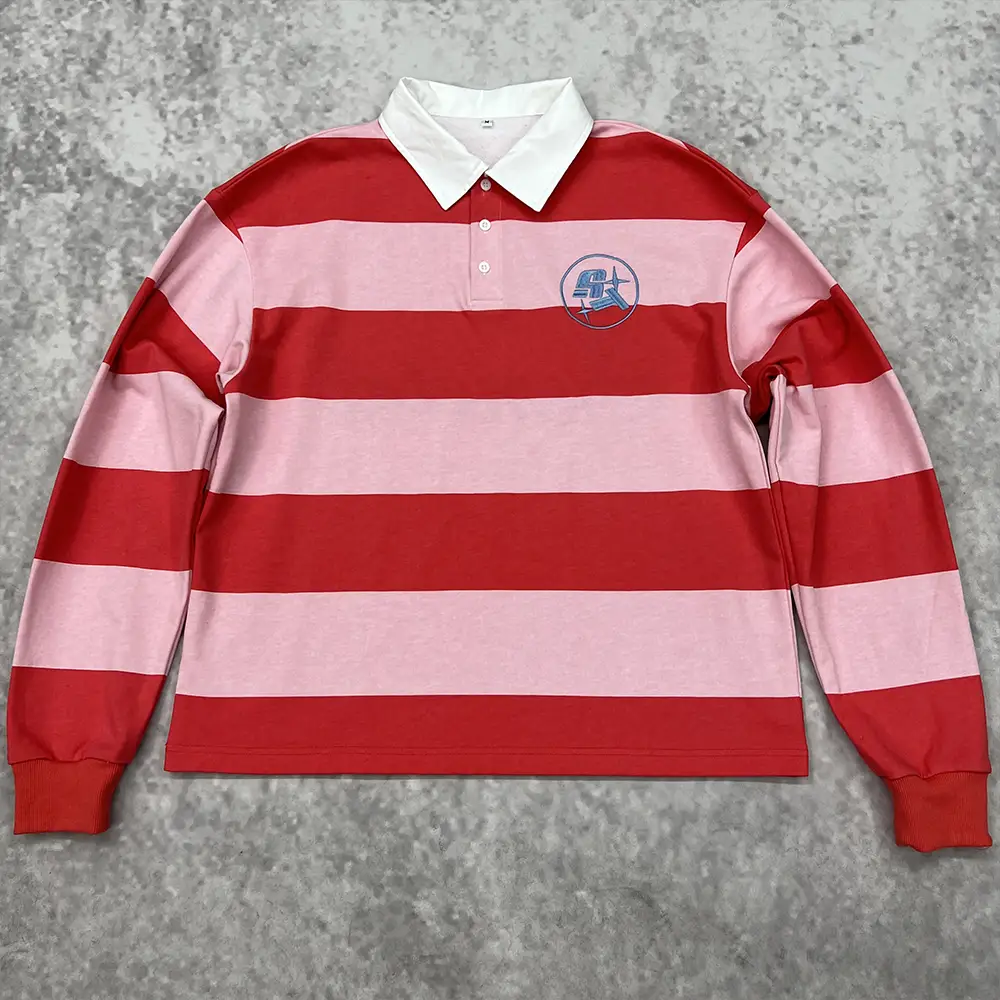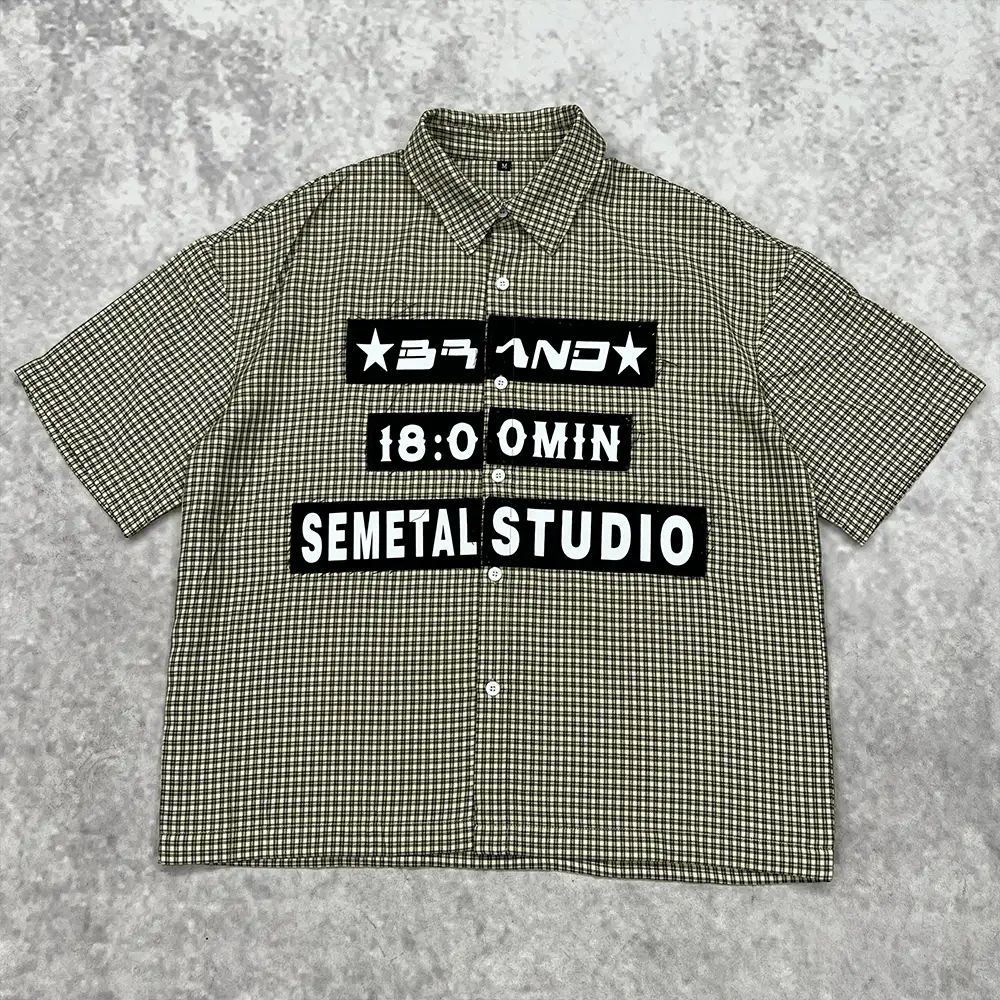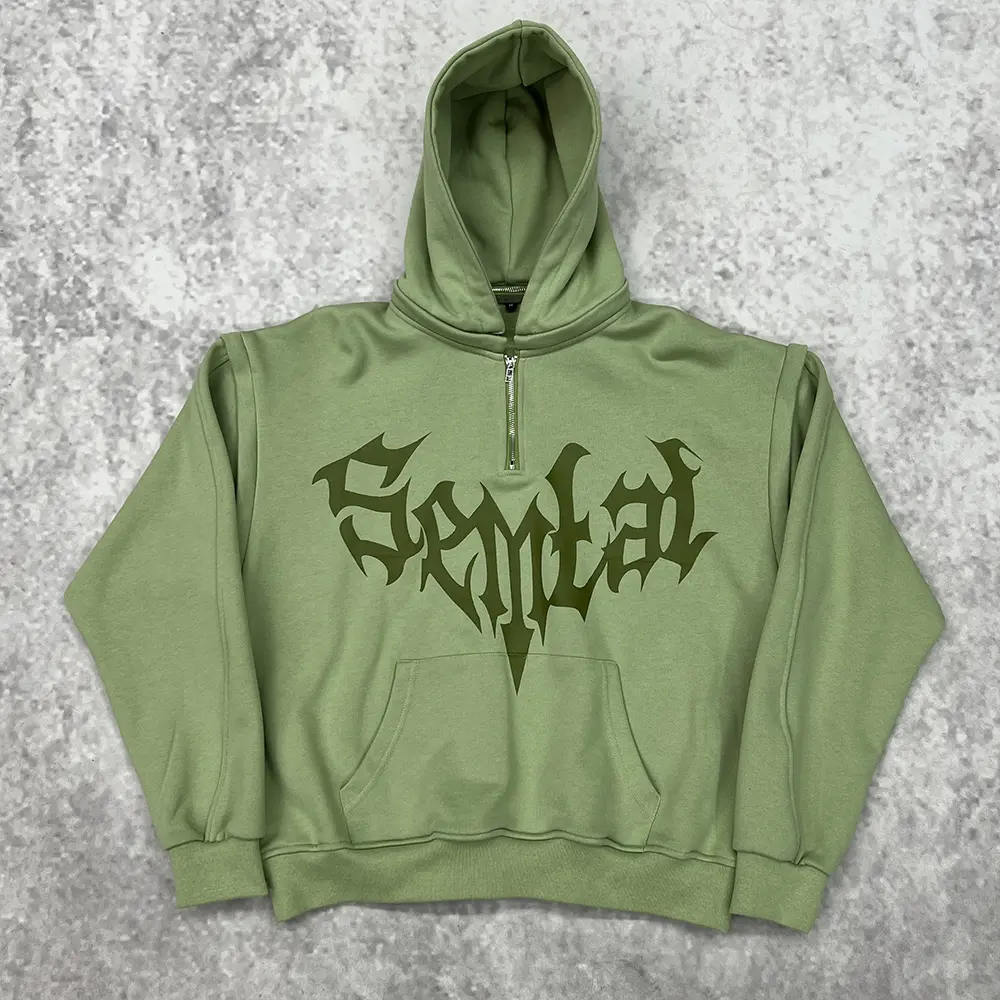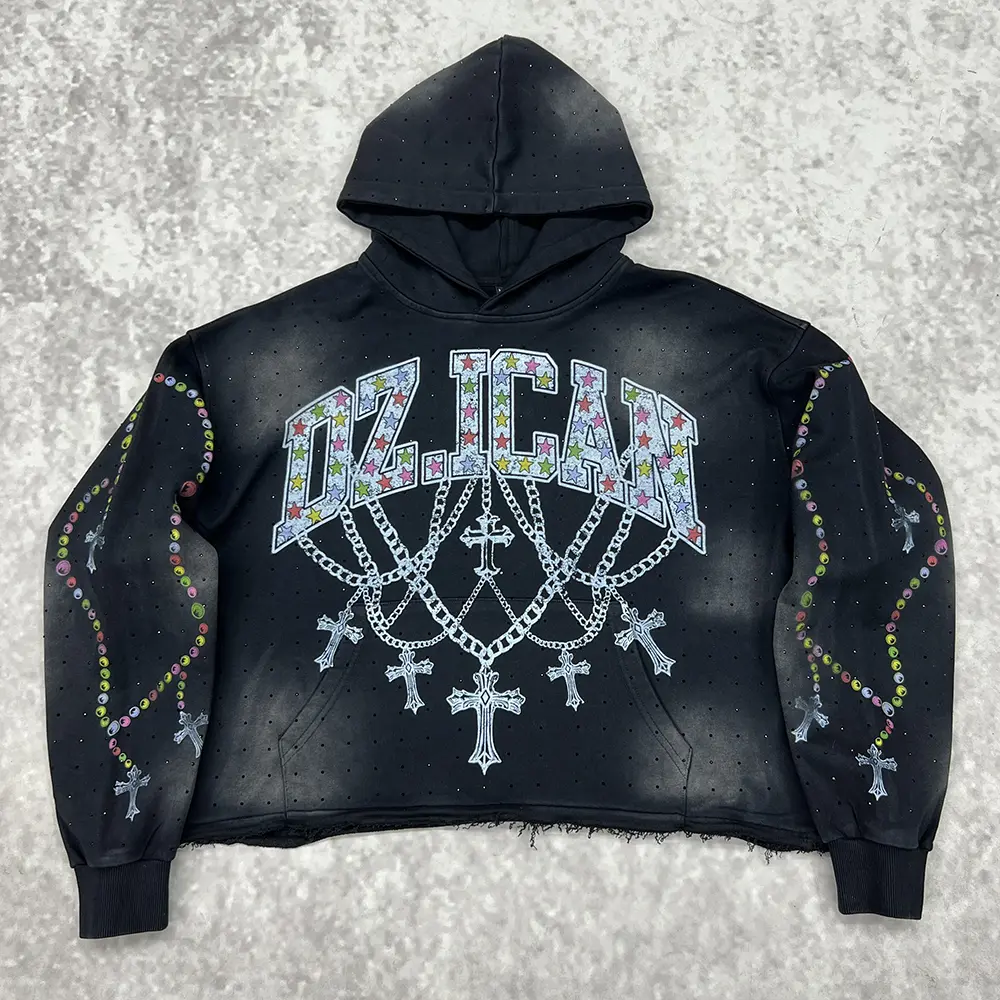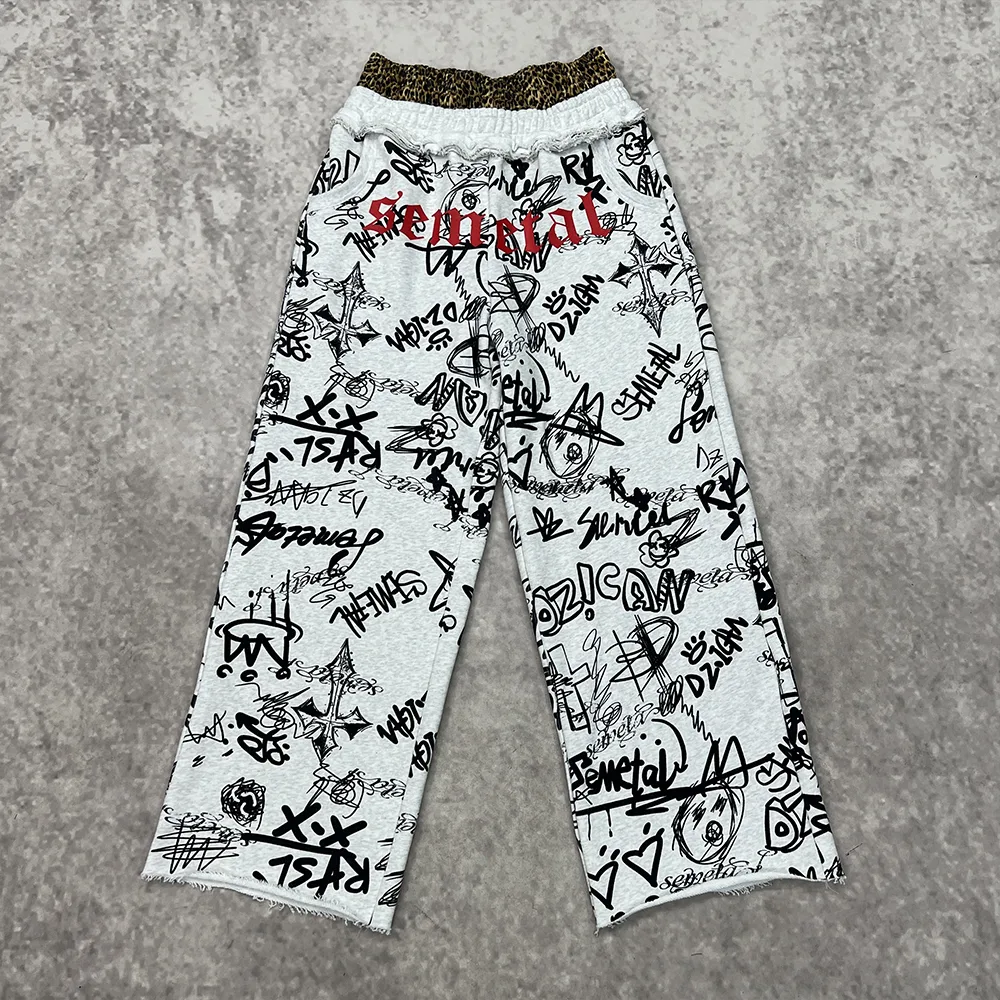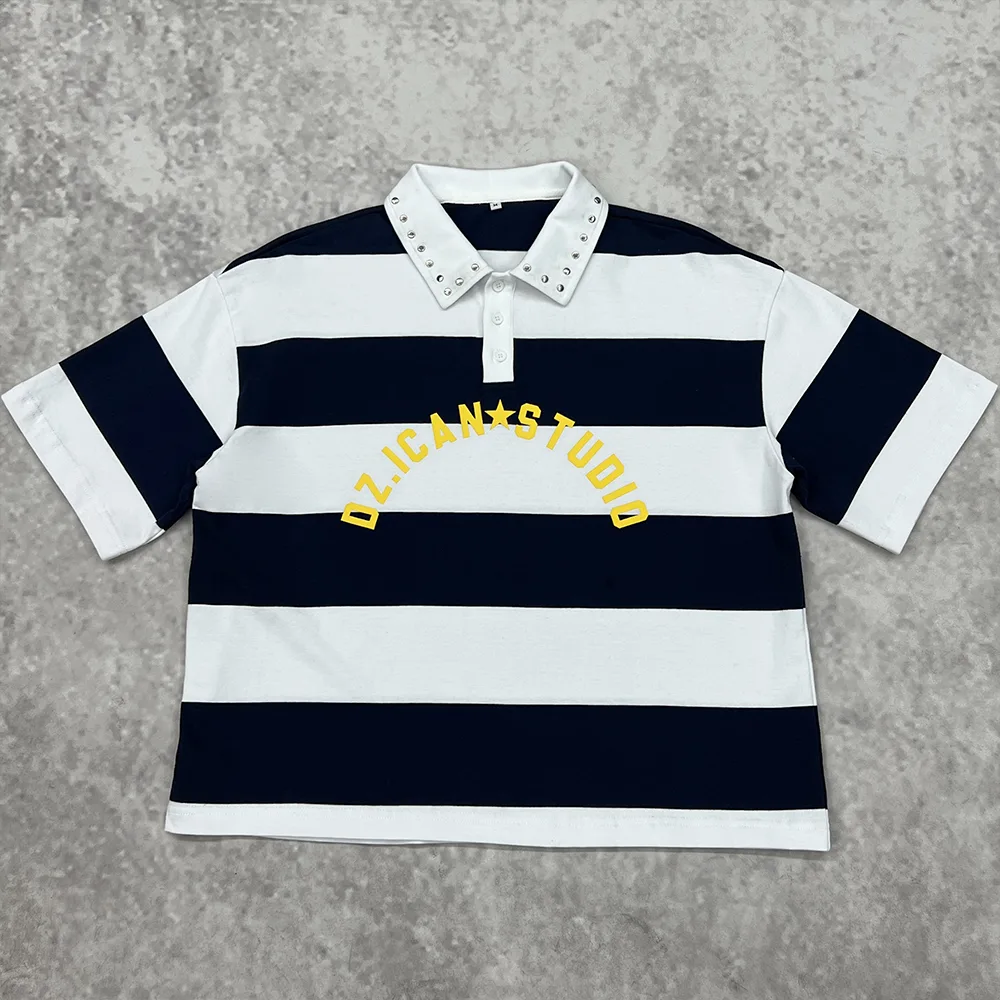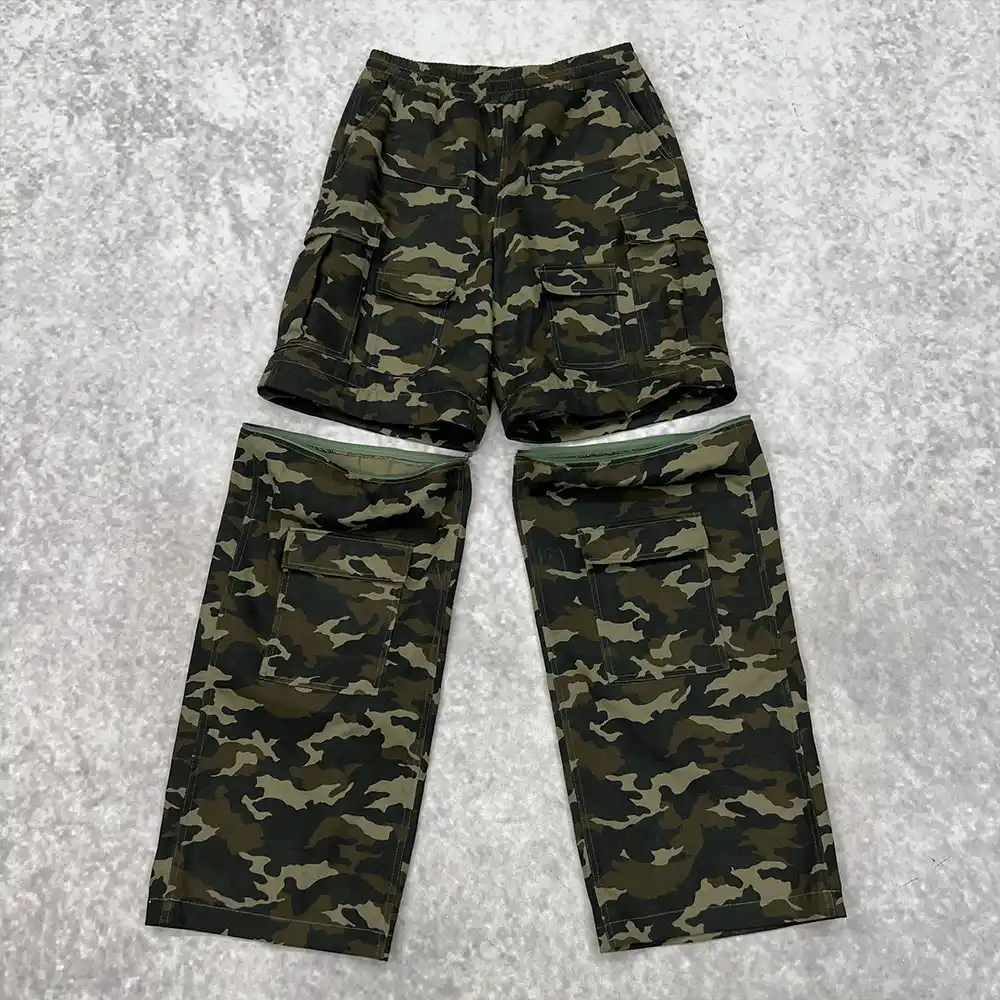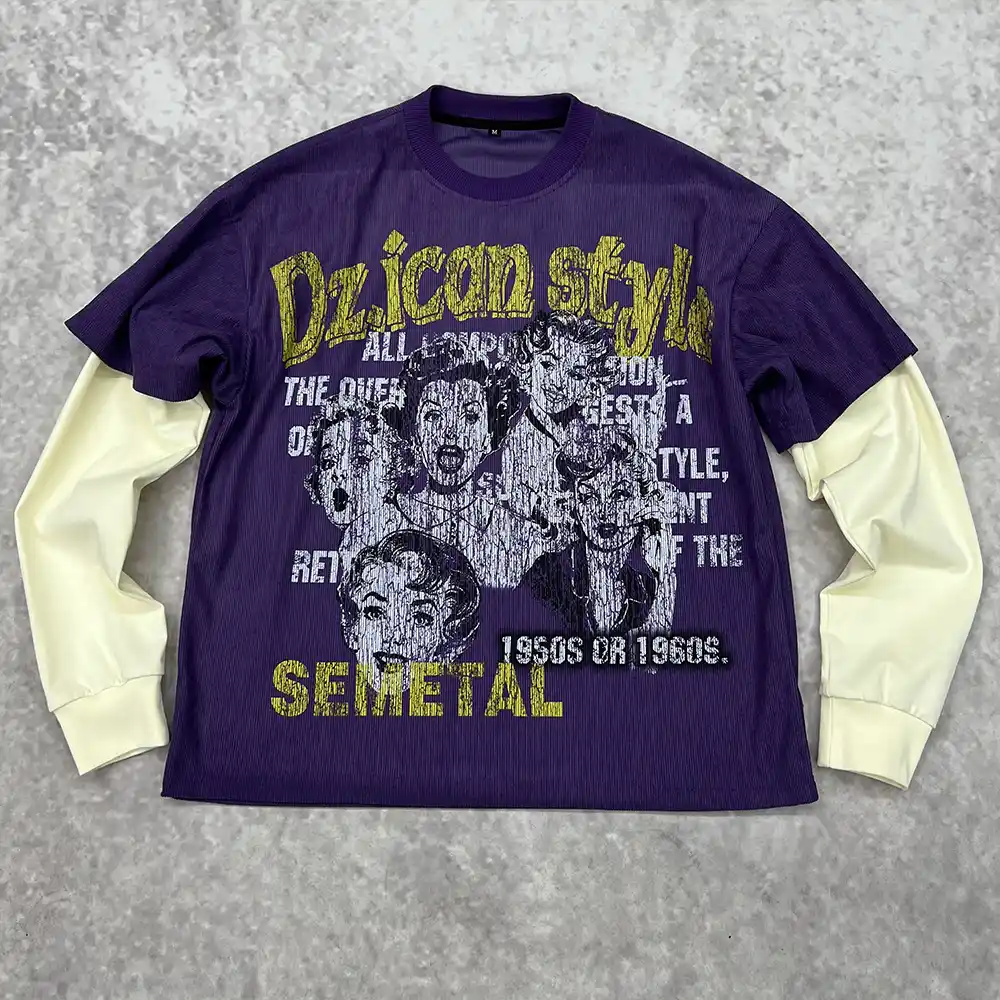

A production-ready tech pack connects design intent with fabric, measurements, trims, decoration placement and quality control.
A strong streetwear design can start as a sketch, reference image, mood board or sample from your own closet. But a factory cannot produce from inspiration alone. To move from creative direction to accurate sampling and scalable bulk production, the design must become a production-ready tech pack.
A production-ready tech pack is the shared instruction file between the brand, designer, pattern maker, sample room, fabric team, print or embroidery team, QC team and bulk production line. It tells everyone what the garment is, how it should fit, what fabric and trims to use, where artwork should be placed, what tolerances are acceptable and how the approved sample should be repeated.
For serious streetwear brands, this document is not paperwork for its own sake. It protects product development, reduces sample revisions, shortens decision loops and makes repeat production more stable. This guide explains how to turn a streetwear design into a factory-ready tech pack that supports sampling, bulk production and quality consistency.
Why a Tech Pack Matters Before Sampling
Sampling without a clear tech pack often creates avoidable confusion. The designer may imagine an oversized hoodie with a dropped shoulder, but the factory may interpret the reference as a standard relaxed fit. The buyer may request heavyweight fleece, but the factory may not know whether that means 360 GSM French terry, 420 GSM brushed fleece or a custom double-knit structure. The artwork may look balanced in a mock-up, but its real print size, center point and distance from seams are not defined.
A production-ready tech pack reduces these gaps. It gives the pattern maker enough information to create the first pattern, gives the sample room enough detail to build the garment, and gives QC a measurable standard. It also helps a manufacturer quote more accurately because the cost depends on fabric, GSM, construction, decoration method, trims, size range and production quantity.
Technical standards show why this detail matters. Seam quality, for example, depends on stitch type, seam type, fabric, stitch density and thread performance, which are covered in ASTM D6193. For shrinkage, colorfastness and wash performance, buyers often reference AATCC textile testing standards. A good tech pack does not need to read like a lab manual, but it should give the factory enough technical direction to prevent guessing.
From Design Idea to Production Document
The best way to build a production-ready tech pack is to translate creative ideas into decisions a factory can act on. A mood board may describe attitude. A tech pack describes construction. A reference image may show the vibe. A tech pack shows measurements, materials, color, trims, artwork files and finishing requirements.
| Design Input | What It Communicates | What the Tech Pack Must Add |
| Sketch or fashion drawing | Silhouette, styling direction and major details. | Technical flats, construction notes, measurements and size spec. |
| Reference image | Fit mood, garment type, wash or decoration inspiration. | Exact fabric, dimensions, artwork position, trims and finishing standard. |
| Mood board | Collection feeling, color direction and customer lifestyle. | Color codes, material standards, style names and production priorities. |
| Existing sample | Real fit, hand feel and construction reference. | Measured spec, changes required, approved fabric target and QC notes. |
| Artwork file | Graphic concept, logo, embroidery art or print direction. | Final file format, size, placement, process method and color standard. |
Core Sections Every Streetwear Tech Pack Should Include
A streetwear tech pack does not need to be overly complicated, but it must answer the questions that block production. For hoodies, T-shirts, sweatpants, jackets or cut-and-sew pieces, the core sections usually include style overview, technical flat, measurement spec, fabric, trims, decoration, colorways, construction notes, labels, packaging and QC requirements.
| Tech Pack Section | What to Include | Why It Matters in Production |
| Style overview | Style name, product category, season, sample size, target fit and revision date. | Keeps the factory and brand aligned on the exact product being developed. |
| Technical flats | Front, back and side views with callouts for seams, pockets, panels and trims. | Shows construction clearly without relying on lifestyle images. |
| Measurement spec | Point of measure, sample size, grading rules and tolerance. | Gives the pattern maker and QC team a measurable fit standard. |
| Fabric and GSM | Composition, weight, knit or woven structure, hand feel, shrinkage target and color. | Controls garment structure, drape, cost, lead time and sample-to-bulk consistency. |
| BOM and trims | Drawcords, eyelets, labels, zippers, buttons, rib, hangtags and packaging. | Prevents missing components and supports accurate costing. |
| Artwork and decoration | Print file, embroidery file, placement, size, technique, color and testing notes. | Reduces risk of print shift, embroidery puckering, cracking or wrong scale. |
| QC and finishing | Critical checks, acceptable tolerance, pressing, folding, care label and packing. | Turns the approved sample into a repeatable quality standard. |
Start With a Clean Style Overview
The style overview is the first page of the tech pack. It should make the product easy to identify. Include the style name or code, product type, intended fit, sample size, colorways, development stage, date and contact person. For a streetwear collection, this is especially useful because several styles may share similar fabrics or graphics.
A clear overview also helps prevent version confusion. If you revise a hoodie from Version 1 to Version 2, update the date, revision note and change summary. Serious brands should treat the tech pack as a living production record, not a static design file.
Create Technical Flats That a Pattern Maker Can Use
Technical flats translate style into construction. They should show the garment clearly from the front and back, and sometimes from the side or inside. For a hoodie, callouts may include hood shape, neckline seam, shoulder drop, sleeve seam, pocket shape, rib cuff, hem rib, drawcord, eyelets, label position and print or embroidery placement.
For a T-shirt, flats should show neckline construction, shoulder seam, sleeve opening, hem, side seam, label placement and artwork location. For pants, show waistband construction, pocket type, panel seams, drawcord, leg opening and inseam details. You can explore Qianshiwear’s tech pack templates when you need a clearer starting structure for sketches, measurements and material notes.

Measurement specs, fabric swatches, trims and decoration tests turn a streetwear idea into factory instructions.
Build a Measurement Spec That Controls Fit
Fit is one of the biggest reasons samples need revision. A production-ready tech pack should include a measurement spec with point-of-measure instructions. Do not only write chest width or sleeve length; define how the measurement should be taken. For example, chest width may be measured one inch below the armhole, while body length may be measured from high shoulder point to hem.
For oversized streetwear, measurements are even more important because the fit is intentional. A dropped shoulder, wider body, shorter body length or longer sleeve can look premium when controlled, but careless when guessed. The measurement spec should include the sample size first, then grading rules for other sizes after the sample fit is approved.
| Point of Measure | Example Definition | Why It Matters |
| Chest width | Measured flat across the body below the armhole. | Controls oversized, relaxed or regular body volume. |
| Shoulder width | Measured from shoulder point to shoulder point. | Defines drop-shoulder balance and sleeve position. |
| Body length | Measured from high shoulder point to bottom hem. | Prevents the garment from becoming too cropped or too long. |
| Sleeve length | Measured from shoulder seam or center back, depending on garment type. | Affects fit perception and size consistency. |
| Hem opening | Measured flat across the bottom edge or rib. | Controls drape, waistband tension and layering comfort. |
Specify Fabric, GSM and Hand Feel
Fabric is not just a material line in the tech pack. It determines garment weight, shrinkage, print performance, drape and customer perception. A streetwear hoodie can feel structured, soft, boxy, compact or washed depending on the fabric. A T-shirt can feel crisp or relaxed based on jersey weight, yarn, finishing and washing.
For production clarity, include fabric type, composition, GSM, color, hand feel, shrinkage expectation and whether the fabric is stock or custom. If the garment uses custom fabric, document development lead time and approval needs. If the garment uses stock fabric, still record the supplier reference, color and batch approval notes so the bulk order can match the sample.
For hoodie programs, a custom hoodie manufacturer should review fleece weight, rib compatibility, hood structure, drawcord and decoration method together. For graphic-heavy T-shirt programs, a custom T-shirt manufacturer should check jersey stability, print hand feel, colorfastness and shrinkage before bulk production.
Write a BOM That Prevents Missing Details
The bill of materials, or BOM, lists every component used in the garment. For streetwear, trims and branding details are often part of the product value. Drawcords, eyelets, zipper pulls, woven labels, size labels, care labels, hangtags, poly bags, stickers and carton marks should not be left to guesswork.
| BOM Item | Information to Confirm | Common Risk If Missing |
| Main fabric | Composition, GSM, color, finish, supplier reference and approved swatch. | Bulk fabric differs from sample in weight, hand feel or shade. |
| Rib | Composition, color, width, recovery and matching standard. | Cuffs or hem stretch out, feel too tight or mismatch the body fabric. |
| Drawcord and eyelets | Material, color, size, tip finish and placement. | Hoodie looks less premium or hardware does not match the design. |
| Labels | Main label, size label, care label, placement and attachment method. | Incorrect brand presentation or compliance-related care information is missed. |
| Packaging | Fold method, bag, sticker, hangtag, carton quantity and special packing notes. | Retail presentation is inconsistent or warehouse handling becomes difficult. |
Define Artwork Placement and Decoration Method
Streetwear often depends on decoration: screen printing, embroidery, DTG, puff print, rhinestone transfer, applique, distress effects or mixed techniques. The tech pack should include final artwork files, placement diagrams, dimensions, color references, process method and test requirements.
Do not rely on a mock-up alone. A graphic that looks right on a rendered image may be too large after sewing, too close to a seam, too heavy for the fabric or difficult to repeat across sizes. For embroidery, include stitch direction, thread color, backing needs and maximum size limits. For puff print, include expected height, ink coverage and fabric compatibility. For rhinestone or heat-transfer details, confirm placement, adhesion and wash expectations.
Add Construction and Stitching Notes
Construction notes tell the sample room how to build the garment. This section can include seam type, stitch type, topstitching, bartacks, pocket reinforcement, hood attachment, sleeve seam, rib attachment and special finishing. It does not need to over-describe every standard seam, but it should call out anything that affects the look, durability or fit.
For example, a heavyweight hoodie may need reinforced pocket stitching and stable hood attachment. A cut-and-sew panel design may require exact seam matching. A washed garment may need construction that can tolerate washing without twisting or seam distortion.
Include Care, Labeling and Compliance Notes
Care information should match the actual fabric and decoration. The U.S. FTC Care Labeling Rule guidance explains care labeling responsibilities for apparel sold in the United States. International buyers may also refer to care-symbol systems such as ISO 3758 for textile care labeling symbols.
For production, the care label should not be added at the last minute. Washing instructions affect customer experience and can also relate to shrinkage, colorfastness and decoration performance. If a garment uses puff print, rhinestone transfer, garment dye or special wash, care language should be reviewed carefully before bulk production.

A production-ready tech pack gives the sample room and QC team the same reference before sampling and bulk production.
Review the Tech Pack Before Sending It to a Factory
Before sending your tech pack to a manufacturer, review it as if you were the sample maker seeing the product for the first time. Can the pattern maker understand the fit? Can the fabric team source the right material? Can the decoration team place the artwork correctly? Can QC measure the garment and decide whether it passes?
| Pre-Sampling Check | Question to Ask | Ready When… |
| Fit | Are the sample size, measurements and tolerance clear? | The pattern maker can draft the first pattern without guessing the silhouette. |
| Fabric | Is the fabric type, GSM, hand feel and color standard defined? | The fabric team can match or source the material route. |
| Artwork | Are file format, placement, size and process method confirmed? | The decoration team can make the first print or embroidery test. |
| Trims | Are labels, drawcords, hardware and packaging listed? | The purchasing team can quote and source the complete product. |
| QC | Are measurements, critical details and finishing expectations stated? | The sample and bulk teams can evaluate pass or fail consistently. |
How Qianshiwear Helps Turn Designs Into Production-Ready Files
Many growing brands have strong design direction but need help translating that direction into production language. Qianshiwear can review sketches, reference images, tech packs and sample goals, then help clarify fabric, GSM, trims, decoration method, sample size, fit comments and production planning.
This support is especially useful when a product includes custom fabric, oversized fit, mixed decoration methods, garment wash, embroidery, puff print, rhinestone details or repeat production requirements. The goal is not to make the document complicated. The goal is to make it clear enough that the sample room, production team and QC team can all work from the same standard.
If you already have a sketch, reference image or partial tech pack, you can contact Qianshiwear with your files, target fabric, planned quantity and launch timeline. The more complete your input is, the more accurately the team can evaluate sample feasibility, lead time and production route.
FAQ
Can I start sampling without a full tech pack?
Yes, but the sample may need more clarification before production begins. A sketch or reference image can start the conversation, but fabric, measurements, decoration, trims and sample size should be confirmed before cutting fabric.
What is the most important part of a streetwear tech pack?
The measurement spec, fabric standard and artwork placement are usually the most important because they directly affect fit, hand feel and visual identity. The BOM and QC notes are also important for bulk consistency.
Do I need separate tech packs for each colorway?
You can use one master tech pack if the construction is the same, but each colorway should have clear fabric color, artwork color, trim color and label or packaging differences. If a colorway uses different fabric or decoration, document it separately.
How detailed should artwork placement be?
Artwork placement should include file name, process method, width and height, center point or distance from seams, color reference and any testing notes. This is especially important for screen print, embroidery, puff print, rhinestone transfer and applique.
How does a tech pack help bulk production?
It gives the production and QC teams a clear reference after the sample is approved. The tech pack records fabric, measurements, trims, decoration and finishing requirements so repeat production is less dependent on memory or informal messages.
Conclusion: A Tech Pack Turns Creative Direction Into Production Control
A streetwear design becomes production-ready when the factory can understand and repeat it. That means the tech pack must define style overview, technical flats, measurements, fabric, GSM, trims, decoration, construction, labels, packaging and QC expectations.
For growing streetwear brands, a production-ready tech pack is one of the best tools for reducing sample revisions, improving communication and protecting quality consistency. It gives your manufacturer a clearer path from first sample to bulk production, and it gives your brand a stronger foundation for scalable collection development.