
Why Small Batch Production is Essential for Apparel Beginners? I still remember the first time a client called me, panicked, at 2 AM. They’d just received a shipping container full of hoodies—500 pieces, their entire savings—and the fit was completely wrong. The factory had used a different fabric blend than the sample, and no one had caught it until it was too late. That call changed how I think about production. For startups, small batch isn’t just about ordering fewer pieces—it’s about buying yourself a chance to learn before you bet everything.
Think of it as buying “market insurance” for your brand. By producing 50 to 200 units of a new design, you convert a large, blind financial gamble into a series of small, controlled experiments. This method allows you to validate your product with real customers, gather invaluable data, and iterate quickly before you commit a significant portion of your capital to inventory. In today’s market, agility and proof of concept are more valuable than sheer volume.
It cuts down massive upfront costs tied to high minimums, often 1,000 units or more in traditional setups. Beginners gain room to test waters, tweak designs based on real feedback, and avoid stacks of unsold stock. In a market craving unique, sustainable options, small batch production aligns with agile strategies that favor quality over quantity. Factories specializing in OEM and ODM make this feasible, delivering durable fabrics and precise fits without overwhelming investments.
Visualize the setup in this efficient line.
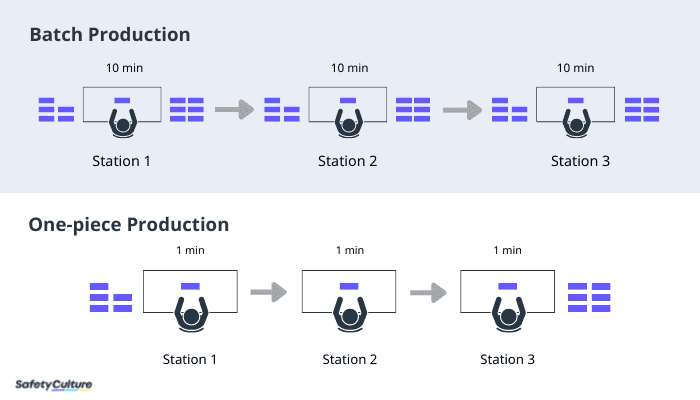
What is Small Batch Production in Apparel?
Small batch production involves creating garments in modest volumes, typically 10 to 500 units per style, contrasting sharply with bulk apparel’s large-scale runs. For apparel beginners, it serves as a low-stakes entry, allowing custom tweaks in tailored clothing without locking into thousands of pieces.
This method emphasizes flexibility—designers select fabrics, adjust colorways, and refine details mid-process. It suits emerging brands testing market fit, where garment orders stay manageable. Challenges like higher per-unit costs exist, but they pale against risks of overproduction. Ethical factories ensure quality through close oversight, reducing defects and waste. In essence, small batch production empowers startups to iterate fast, building collections that resonate without financial strain.
6 Key Insights on Why Small Batch Production Matters for Beginners
These insights reveal how small batch production transforms apparel ventures, drawing from industry practices.
1. Reduces Financial Risk in Garment Orders
Jumping into bulk apparel can drain budgets with high MOQs demanding hefty payments upfront. Small batch production flips this, starting with affordable runs that preserve cash flow. Beginners invest in 50 units, say, testing tailored clothing lines without betting the farm. This shields against market flops, where unsold inventory ties up capital.
Per-unit prices climb, yet total outlay drops dramatically—crucial for self-funded designers.I’ve seen brands put $30,000 into their first order, only to realize after launch that their customer actually wanted a slightly different cut. That’s money they never got back. With small batch, that same $30,000 could have funded five rounds of testing—and by the fifth round, you’re not guessing anymore.
2. Enables Effective Market Testing for Apparel Startups
Small batch production lets brands release minimal viable products to gauge demand. Launch a short run of tees or hoodies, gather customer input, and refine before scaling. This beats guessing trends, as feedback highlights hits and misses in tailored clothing designs.
For instance, startups use platforms to sell initial batches, analyzing sales data for adjustments. It mirrors lean startup principles, minimizing waste while validating ideas in real time.
See an example of market testing in action.

3. Boosts Agility and Creative Control in Tailored Clothing
With shorter cycles, small batch production allows quick pivots to trends or feedback. Designers experiment with fabrics and cuts in garment orders, maintaining hands-on oversight. This agility suits volatile fashion scenes, where a viral style demands fast follow-ups.
Beginners retain control, avoiding dilution from mass producers. It fosters innovation, like limited-edition drops that build buzz without excess stock.
4. Promotes Sustainability in Small Batch Production
Overproduction plagues bulk apparel, leading to waste and environmental harm. Small batch production counters this by matching output to demand, using eco-friendly materials in controlled runs. Beginners adopt ethical practices early, like recycled fabrics or low-waste cutting, appealing to conscious buyers.
This approach cuts emissions and supports transparent supply chains, vital for brand stories in tailored clothing.
5. Speeds Up Timelines for Garment Orders
Traditional bulk setups drag with long lead times, but small batch production streamlines everything from sampling to delivery. Beginners launch faster, capitalizing on seasons or events. Efficient factories handle quick turnarounds, often 4-6 weeks, letting brands adapt without delays.
This pace aids iterative design, where tweaks happen between runs for polished products.
6. Builds Strong Manufacturer Relationships
Partnering for small batch production encourages close ties with suppliers. Beginners learn from experts on specs, materials, and quality checks, setting foundations for growth. Clear communication prevents mishaps, ensuring garment orders meet visions.
The brands that succeed long-term aren’t the ones who found the cheapest quote on Alibaba. They’re the ones who built a relationship with a factory that actually explains why something won’t work before they spend money learning the hard way. I’ve worked with clients who started with 50 pieces and now order thousands—because we figured out together what works.
A Startup’s Small Batch Production Journey in Apparel
Let me tell you about a brand we worked with last year. Let’s call them Vivet—they’re a real client, but they prefer to stay under the radar while they scale. Vivet, an emerging streetwear label founded by a designer with a strong Instagram following, wanted to launch its signature oversized hoodie. The design featured custom-dyed fabric and a unique silicone logo print. The founder faced a classic dilemma: traditional manufacturers required a 500-piece order, committing over $15,000 before knowing if the market would respond to the fit, color, or price point.
The Small-Batch Solution: They partnered with a manufacturer specializing in low-MOQ production (like Qianshiwear). Here was the phased approach:
Phase 1 – The Test: They produced a micro-batch of 75 hoodies (25 units in each of 3 colorways). Using the manufacturer’s existing fabric library kept material costs and minimums low.
Phase 2 – The Launch & Learn: The hoodies were released via a pre-order campaign on their website and promoted to their social media audience. The “Moss Green” colorway sold out in 48 hours, while the other two colors saw steady sales. Crucially, customer feedback highlighted that the sleeves were slightly too long for some.
Phase 3 – The Iteration & Scale: Using the profit and data from Phase 1, they immediately placed a second order. They adjusted the sleeve length on the pattern and ordered 200 units of the proven “Moss Green” and 50 units of the next most popular color. This second batch sold out 60% faster than the first.
So that’s why Within one season,Vivet validated its core product, built a community of early adopters, and generated revenue to fund growth—all without ever holding risky, stagnant inventory. The small batch strategy turned potential guesswork into a data-driven launchpad.
These insights and the case study show small batch production’s power in navigating apparel’s early hurdles.This isn’t a fairy tale. We’ve seen this pattern play out again and again: start small, learn fast, scale smart.
FAQ: Navigating Your First Small Batch Production
Q: Won’t the cost per hoodie be too high with small batches?
A: The unit cost will be higher than a 10,000-piece order, but you must compare the total risk, not just the unit price. The “premium” you pay for a 100-piece order is essentially a market research fee. It’s far cheaper than the loss from 500 unsold pieces. A good partner will help you optimize designs for cost-efficiency at low volumes.
Q: Can I still get good quality and use special techniques with low quantities?
A: Absolutely. In many ways, small batches enable better attention to detail. Factories focused on this model are set up for precision. Techniques like embroidery, custom dyeing, or specialty prints are completely viable. The key is clear communication with your manufacturer about your expectations and their capabilities at your order size.
Q: How long does the entire process take from idea to delivered goods?
A: For a standard small batch (e.g., 100 hoodies), a typical timeline is 5-7 weeks: 1-2 weeks for sampling and revisions, 3-4 weeks for production, and 1 week for shipping. This is significantly faster than large-scale production and allows you to move quickly with trends.
Q: What should I look for when choosing a factory for small batches?
A: Ask these specific questions:
“What is your true minimum order quantity, and does it apply to styles or total order?”
“Do you have a fabric library or can you source small quantities of material to keep my costs down?”
“Can you show me examples of similar low-volume, high-detail work you’ve done for other brands?”
“What does your communication process look like during sampling and production?”
The answers will tell you if they are a true small-batch specialist or just a large factory making an exception.
I’ll be honest: I didn’t ask these questions when I first started sourcing. I learned them the hard way—after dealing with factories that promised low MOQs but delivered inconsistent quality. Now I make sure every client asks them before we even start sampling.
Look, I’ve been doing this for 15 years. I’ve seen brands come and go. The ones that make it aren’t the ones with the biggest first order—they’re the ones who give themselves room to learn. Small batch production is that room. It’s not a compromise; it’s a strategy. If you’re just starting out, don’t bet your whole budget on one design. Bet on your ability to learn fast and pivot faster. That’s what we’re here to help you do.
At Qianshiwear.com, our factory specializes in OEM and ODM for small batch garment orders, delivering premium quality in tailored clothing like hoodies and tees. With low MOQs starting at 50 units, durable fabrics, and expert guidance, we help startups test markets without excess risk. Skip the guesswork—partner with us for sustainable, custom runs that build your brand strong from day one. Explore options at Qianshiwear small batch.If you are a private label brand, you may read the relevant articles:What Is a Private Label Brand: Essential Guide to Launching Your Streetwear Line











