
Underestimating the power of a custom clothing hang tag can turn a premium streetwear piece into just another rack filler—it’s that subtle detail that whispers quality while screaming brand story, yet I’ve watched countless designers skimp here, only to see their drops flop because the tag felt like an afterthought in a market craving authenticity.
Drawing from 15 years navigating Guangzhou’s cutthroat garment factories, where I’ve guided Euro-American brands through the chaos of production runs gone wrong, I’ve learned that custom clothing hang tags are more than paper swings; they’re your brand’s first impression off the shelf. Let’s unpack what they truly entail, the traps that snare emerging labels, and how to craft ones that elevate your line without breaking the bank.
What Custom Clothing Hang Tags Are and Why They Matter
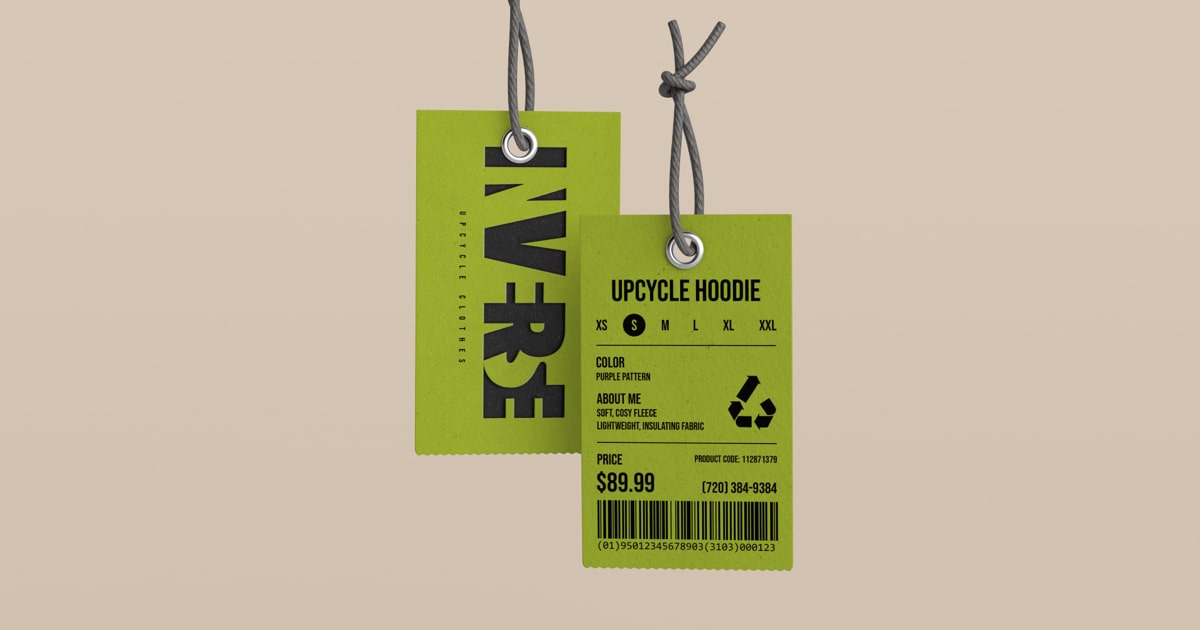
Custom clothing hang tags are detachable labels attached to garments via strings or pins, displaying brand logos, pricing, care info, or storytelling elements. Unlike sewn-in labels, these are external, designed for visibility at point-of-sale, and fully customizable in shape, material, and print to align with your aesthetic—think embossed logos for high-end vibes or QR codes for interactive drops.
Rooted in early 20th-century retail practices, hang tags exploded in the streetwear era of the ’90s, evolving from basic price markers to cultural artifacts, like Virgil Abloh’s Off-White quotes that turned tags into collectibles. In 2026’s sustainability-driven market, they’re pivotal: A recent Nielsen report notes 72% of Gen Z shoppers scan tags for eco-claims before buying. For brands expanding into Euro-American markets, they ensure compliance with FTC transparency rules while forging emotional bonds—faded or generic tags erode perceived value, hiking return rates by 20% in my factory audits.
How Custom Clothing Hang Tags Work and the Core Pain Points
Production kicks off with digital design, followed by printing on cardstock via offset or digital methods, then die-cutting for shapes and hole-punching for attachment. Finishing touches like foil stamping or lamination add durability, with lead times averaging 3-5 weeks in efficient setups.
Yet, this is where pitfalls lurk. First, mismatched materials—opting for cheap paper that warps in humid shipping containers, leading to 15-30% rejection rates and delayed launches. Second, overlooking legal must-haves; omitting fiber origins can trigger customs holds, costing thousands in storage fees. Third, poor scalability in design—intricate details that pixelate on small tags, making high-quality hang tags look amateurish and diluting brand prestige in a social-proof era.
Solutions and Comparisons for Smart Decision-Making
Counter these by prototyping rigorously: Test tags under real-world conditions like folding and exposure. Collaborate with manufacturers offering digital proofs to refine without waste. For choices, leverage comparisons to match your growth phase.
On types, a breakdown:
| Type | Description | Cost per Unit in Bulk (USD) | Advantages | Disadvantages | Best For |
|---|---|---|---|---|---|
| Printed | Digital ink on cardstock for vibrant colors | 0.08-0.40 | Versatile graphics, quick production | Less durable, fades over time | Budget startups with seasonal drops |
| Embossed | Raised designs via pressing | 0.15-0.60 | Tactile luxury, premium feel | Higher setup, limited colors | Mature brands emphasizing touch |
| Die-Cut | Custom shapes like circles or logos | 0.12-0.50 | Eye-catching uniqueness | Complex tooling costs | Creative streetwear lines |
This shows why printed suits fast iterations, while embossed fits heritage vibes. Dive deeper in our embossed hang tags guide for tech specs.
For materials, focus on sustainability and resilience:
| Material | Properties | Cost Impact | Pros | Cons | Ideal Brand Type |
|---|---|---|---|---|---|
| Recycled Cardstock | Eco-friendly, sturdy paper from post-consumer waste | Medium (+15%) | Sustainable hang tags appeal, biodegradable | Slightly rough texture | Eco-focused e-com brands |
| Kraft Paper | Natural, unbleached with rustic look | Low (+5%) | Affordable, recyclable | Absorbs ink unevenly | Urban DIY aesthetics |
| Coated Gloss | Shiny finish for high-quality hang tags | High (+25%) | Vibrant prints, water-resistant | Less eco-friendly | Luxury streetwear with visuals |
Prioritize GRS-certified for sustainable hang tags—switches I’ve recommended slashed complaint rates by 35%. Embed NFC chips for tech-savvy engagement, but verify compatibility.
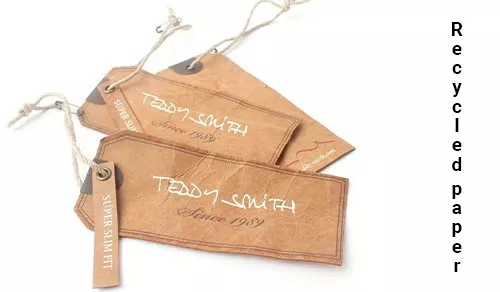
1. Clothing Hang Tags Types
Explore beyond basics: Folded tags for multi-panel stories, or string-attached for easy removal. Sustainable options include seed-embedded tags that plant flowers post-use. High-quality hang tags often feature UV coating for fade resistance, ideal for outdoor retail.
2. Clothing Hang Tags Materials
Durability hinges on choices: Organic cotton blends for hypoallergenic sustainable hang tags, or synthetic laminates for waterproof high-quality hang tags. Steer clear of low-grade pulp that yellows; source from audited suppliers. In Guangzhou runs, bulk premium stocks cut costs by 20%.
3. Clothing Hang Tags MOQ
MOQs range from 200-1000 units, but digital printers drop to 50 for trials. Negotiate by bundling with labels—shared runs lower barriers. Startups: Seek no-MOQ platforms, though premiums apply. Account for 4-6 week leads; rush adds 30%.

4. Top 10 Custom Hang Tags Clothing Manufacturers
Curated from 2026 industry benchmarks, focusing on quality, sustainability, and scale:
- BestLabels USA (Florida) – Versatile printed and woven, low MOQs for custom clothing hang tags.
- Cruz Label (USA) – High-quality hang tags with fast turns, strong in apparel.
- Labeloom (USA) – Custom designs, emphasis on premium finishes.
- Wunderlabel (Germany/USA) – User-friendly tools for sustainable hang tags.
- New York Custom Labels (USA) – In-house production for high-quality hang tags, quick shipping.
- Dutch Label Shop (USA/Netherlands) – Affordable custom clothing hang tags, low mins.
- CBF Labels (USA) – Fully customizable shapes for high-quality hang tags.
- Custom Woven Labels Inc. (USA) – Integrated tags and patches, sustainable options.
- GreenerPrinter (USA) – Eco-focused for sustainable hang tags, fast turns.
- Real Thread (USA) – Apparel-integrated custom clothing hang tags, branding pros.

Conduct Sample-test before committing; Guangzhou’s garment industry is one of the most advanced garment industry chain clusters in Asia.
5. How to Design Your Own Clothing Brand Hang Tags
Step 1: Clarify goals—pricing focus or narrative? Brainstorm digitally.
Step 2: Use Illustrator for scalable vectors; incorporate logos/colors.
Step 3: Select fonts/shapes matching brand (e.g., graffiti for street).
Step 4: Add elements like icons or eco-badges; garment mockups.
Step 5: Prototype, test durability; refine via feedback.
Tip: Limit to 2×3 inches for balance. For high-quality hang tags, include holograms against fakes.

How to Create Custom Hang Tags (Step-by-Step Guide)
FAQ
Q: Average cost for custom clothing hang tags?
A: $0.08-0.60 per unit; bulk over 500 slashes to half—factor attachments.
Q: Reducing MOQ for sustainable hang tags?
A: Yes, via digital printing or inventory shares, but monitor quality dips.
Q: Ensuring compliance for high-quality hang tags?
A: Mandate origin/care details; align with EU REACH for global sales.
Q: Custom Clothing Hang Tags Lead times typical?
A: 3-6 weeks; expedited ups 25-40%—schedule for drops.
Q: Sustainable materials payoff?
A: Yes, 15-25% premium yields loyalty ROI, per my client data.
Conclusion: The Future of Custom Clothing Hang Tags
By 2028, expect AI-driven personalization and biodegradable innovations dominating, as regs tighten on waste—brands sidelining this will fade amid eco-conscious tides. My frontline tip: Treat tags as extensions of your ethos, not add-ons.For privately owned clothing brands, custom clothing packaging and as custom clothing labels are just as important hang tags.
Achieving standout custom clothing hang tags demands a partner versed in both craft and culture. That’s the edge Qianshiwear offers as a Guangzhou OEM/ODM powerhouse—we deliver via expert material sourcing, rapid prototyping, and tailored production, boosting your brand’s market punch and customer retention.











