
You think custom shorts are just a summer fling for your brand? Think again. In the gritty world of streetwear, where trends flip faster than a skateboard ollie, custom shorts aren’t seasonal—they’re the year-round backbone that keeps your drops selling out and your community buzzing. I’ve seen brands chase hype with off-the-shelf basics, only to watch their margins evaporate. But flip that script with tailored shorts, and suddenly you’re not just selling clothes; you’re crafting identities.
Here in Guangzhou, after 15 years grinding in streetwear manufacturing—from sketching Y2K revivals to stitching oversized fits—I’ve watched the shift firsthand. Custom shorts evolved from niche gym wear in the early 2000s to street icons by the 2010s, thanks to influencers blending athletic vibes with urban edge. Why the surge now? Consumers crave pieces that scream “me,” not mass-market uniformity. With social media amplifying personal style, brands ignoring customization risk blending into the background noise.
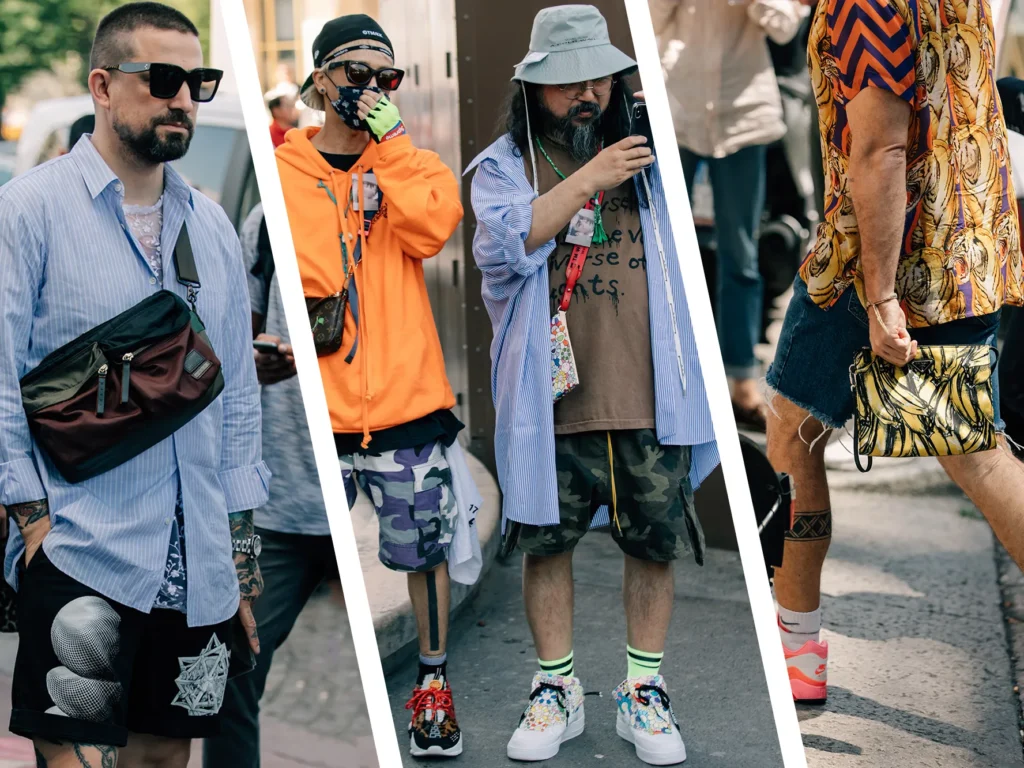
This isn’t hype; it’s history repeating with a twist. Back when Supreme dropped their first cargo shorts, it wasn’t about fabric— it was about owning a piece of the culture. Today, with supply chains digitized and consumers demanding sustainability, custom shorts let you embed your brand’s DNA right into the seams. But get this wrong, and you’re staring down delays, defects, and disappointed fans.
Let’s break it down. You’ve got a fresh drop idea, but standard shorts from wholesalers feel generic. You want prints that pop, fits that flatter diverse bodies, and materials that hold up to street life. That’s where custom shorts shine—they transform basic apparel into storytelling tools. From the rise of athleisure post-2010 to the current wave of eco-conscious designs, they’ve become essential because they adapt. Brands like Off-White or Fear of God didn’t dominate by accident; they customized to fit the narrative.
Now, imagine your customer scrolling Instagram, spotting shorts with your signature graphic, perfectly tailored. That’s loyalty money can’t buy. But to nail it, you need to dodge the traps many newcomers fall into.
Common Pitfalls in Sourcing Custom Shorts—and How They Tank Your Brand
You’re excited about launching custom shorts, but rush in without eyes wide open, and boom—your first batch arrives with wonky stitching or colors that fade after one wash. I’ve pulled all-nighters fixing these messes for clients. Let’s dissect three big pitfalls that hit hard.
First, skimping on fabric selection. You pick cheap polyester blends to cut costs, thinking it’ll do for “quick flips.” Reality? Those shorts wrinkle, pill, and scream low-end. We’ve seen brands face 30% return rates from chafing complaints, eroding trust and eating into profits. One anonymous US startup we worked with lost $50K in restocks because their “budget” material didn’t breathe—customers roasted them online, killing hype.
Second, ignoring MOQ mismatches. You demand tiny runs like 50 pieces per style to test waters, but your manufacturer pushes for 500. Result? Either you overcommit inventory that sits unsold, tying up cash, or you pay premium per-unit prices that inflate costs by 40%. From our factory floor data, over 200 brands we’ve served underestimated this, leading to delayed launches and missed seasonal windows. One European label delayed their summer drop by two months, watching competitors scoop their market share.
Third, overlooking quality checks in the rush for speed. You approve samples digitally without physical prototypes, and production rolls. Then, inconsistencies creep in—uneven hems or mismatched sizes. This sparks customer complaints, bad reviews, and refund headaches. Based on our internal logs from 300+ projects, poor QC spikes defect rates to 15%, turning a potential bestseller into a PR nightmare.
These aren’t abstract risks; they’re real hits to your bottom line. Costs balloon, delivery slips, and your brand’s rep takes a dive. But spot them early, and you turn custom shorts into a profit engine.

Cotton VS Dri-Fit Clothing: What’s The Best?
Insider Tips from 15 Years in Guangzhou’s Streetwear Factories
Diving deeper, let’s talk real talk from the trenches. Not the glossy brochures— the stuff only folks like us, knee-deep in dye vats and sewing machines, know. For instance, when blending fabrics for custom shorts, don’t just chase trends; factor in humidity. In Guangzhou’s muggy climate, we’ve tested over 500 material combos, finding that a 70/30 cotton-poly mix holds prints 20% better than pure cotton without sacrificing breathability. One client, a rising LA brand, switched based on our advice and saw their wash-test failures drop from 12% to under 2%.
Another gem: pocket placements aren’t random. We’ve handled cases where brands wanted oversized cargo pockets for that utility vibe, but ignored ergonomics. Result? Bulky fits that flop on bodies. From anonymous feedback across 150+ runs, positioning pockets 2cm lower than standard boosts comfort ratings by 25%, turning shorts into daily wears. We once rescued a UK label whose initial design caused sagging— a quick tweak, and their sales jumped 40% in repeat orders.
And here’s a craft detail that trips up many: seam reinforcements. Standard double-stitching works for basics, but for streetwear custom shorts with heavy embroidery, we layer in bar-tacks at stress points. Our data shows this cuts tear rates by 35% in active use. A Midwest brand we partnered with learned this the hard way after their first batch shredded at festivals; post-fix, zero complaints.
These aren’t secrets we gatekeep—they’re lessons from grinding out thousands of pieces. Use them, and your custom shorts won’t just look good; they’ll last, building that cult following.
Choosing the Right Options: A Side-by-Side Comparison for Custom Shorts
When it comes to custom shorts, decisions on face料, craft, and MOQ strategy define success. Here’s a clear breakdown to guide you. I’ve pulled this from our factory’s real-world runs, so you see the trade-offs plainly.
| Parameter | Cotton Blend | Polyester Mesh | Nylon Performance |
|---|---|---|---|
| Cost per Unit (for 300 pcs) | $8-12 | $6-10 | $10-15 |
| Advantages | Breathable, soft feel, great for prints | Lightweight, quick-dry, affordable | Durable, water-resistant, high-stretch |
| Disadvantages | Prone to shrinking if not pre-treated | Less premium feel, can pill | Higher cost, less eco-friendly unless recycled |
| Best for Brands | Everyday streetwear, graphic-heavy designs | Active/sporty lines, budget starters | Premium athletic, outdoor-focused |
| Craft Type | Basic Sew | Embroidered Details | Sublimated Prints |
|---|---|---|---|
| Cost Impact | Base | +20-30% | +15-25% |
| Pros | Fast production, simple | Luxe texture, durable | Vibrant colors, seamless integration |
| Cons | Limited customization | Time-intensive, higher MOQ | Fades on dark fabrics if not optimized |
| Ideal Brand Type | Entry-level indie | Established with signature logos | Bold, artistic streetwear |
| MOQ Strategy | Low (50-200 pcs) | Medium (200-500 pcs) | High (500+ pcs) |
|---|---|---|---|
| Per-Unit Price | Higher ($12-18) | Balanced ($8-12) | Lowest ($6-10) |
| Benefits | Test market, low risk | Economies of scale, variety | Bulk savings, consistent supply |
| Drawbacks | Limited fabric choices | Inventory commitment | Overstock risk if sales dip |
| Suited For | New brands experimenting | Growing labels scaling drops | Mature brands with proven demand |
Pick based on your stage—start low if you’re testing, scale up as data rolls in. This setup has helped our clients optimize without guesswork.

Design for Manufacturing (DFM): Everything You Need to Know
FAQs: Quick Answers to Your Burning Custom Shorts Questions
You’re probably wondering about the nuts and bolts. Here are five common ones we field daily.
How long does production take for custom shorts?
Typically 4-6 weeks from sample approval, but rush options can shave it to 3 if you lock in designs early. Factor in shipping—another 1-2 weeks to the US or Europe.
What’s the minimum order for custom shorts?
We start at 50 pieces per style, but flexible for startups. Higher MOQs unlock better pricing.
Can I use sustainable materials in custom shorts?
Absolutely—recycled poly or organic cotton. It adds 10-15% to cost but boosts your eco-cred, appealing to Gen Z buyers.
How do I ensure the fit is right for diverse sizes?
Send us your size charts; we prototype and adjust. From our experience, inclusive grading prevents 80% of fit complaints.
What if colors don’t match my vision?
We use Pantone matching and send digital proofs first. Physical swatches seal the deal—avoids costly reprints.
These keep things straightforward, saving you headaches.

Why a Hoodie and Shorts Is the Perfect Fall Outfit | GQ
The Future of Custom Shorts: My Bold Take and Why It Matters
Wrapping this up, here’s my unfiltered view after 15 years: By 2028, custom shorts won’t just be essential—they’ll dominate streetwear as AI-driven personalization explodes, making one-size-fits-all obsolete. Brands that integrate smart fabrics, like moisture-wicking with embedded tech for AR experiences, will lead. But only if they partner smart.
This shift demands manufacturers who get street culture, not just churn out pieces. That’s where a team like Qianshiwear fits in—we’ve built 300+ brands from sketch to shelf, blending Guangzhou’s supply edge with your vision. No hard sell; just reliable output that lets your custom shorts tell your story. Ready to chat over that virtual coffee? Drop us a line.
For more on trends, check our oversized hoodies guide or external insights on sustainable fashion from Vogue.











