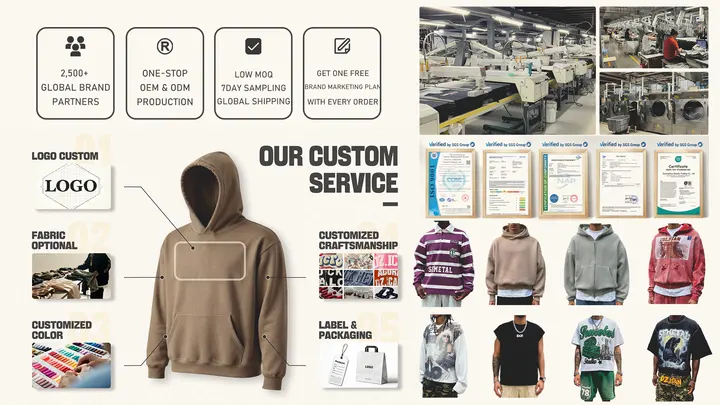
Finding a clothing manufacturer is easy. Finding the right one is much harder.
Many fashion brands don’t realize they chose the wrong clothing manufacturer until production problems start affecting customers, cash flow, or launch schedules. By that point, changing suppliers becomes expensive and stressful.
In 2026, supply chains move faster, customer expectations are higher, and delays spread instantly across social media and eCommerce reviews. A manufacturer that looked “good enough” during sampling can quickly become a serious operational risk.
Below are seven warning signs that often indicate you’re working with the wrong clothing manufacturer — and what experienced brands usually do instead.
1. The Clothing Manufacturer Gives Different Answers Every Time
One of the biggest red flags is inconsistent communication.
You ask about fabric shrinkage and get three different answers from three different people. You confirm measurements, but the production team says they never received them. Your revisions disappear between departments.
This usually means the factory lacks organized internal systems.
Common Communication Problems
| Problem | What Happens |
|---|---|
| No dedicated merchandiser | Information gets lost |
| Slow response times | Production decisions get delayed |
| Weak English communication | Technical details become unclear |
| No written confirmations | Mistakes increase during bulk production |
Reliable manufacturers document everything clearly:
- Fabric specifications
- Measurement charts
- Printing requirements
- Packaging instructions
- Production timelines
If communication already feels chaotic before production starts, it usually becomes worse during bulk manufacturing.
2. Samples Look Great — But Bulk Production Looks Different
This is one of the most common clothing production problems in the industry.
Some factories put extra attention into samples to win the order, but fail to maintain the same standards during mass production.
Signs of Sample-to-Bulk Inconsistency
- Different fabric feel
- Inconsistent sizing
- Weak stitching
- Uneven washing effects
- Puff print cracking after washing
- Color differences between batches
This issue becomes even more serious for streetwear brands using:
- Heavyweight hoodies
- Garment dye
- Washed finishes
- Embroidery
- Rhinestones
- Oversized fits
These techniques require stable production control, not just a good-looking sample.
Why This Happens
| Cause | Production Result |
|---|---|
| Factory changes fabric suppliers | Fabric texture changes |
| No QC system | Quality varies between pieces |
| Rushed deadlines | Sewing and finishing quality drops |
| Outsourced production | Inconsistent workmanship |
Brands should always ask:
- How does the factory control bulk consistency?
- Are fabrics locked before production?
- Is there inline QC during sewing?
- Can they provide production photos/videos?
3. Lead Times Constantly Change
A reliable clothing manufacturer gives realistic timelines — not optimistic promises.
If delivery dates keep changing, it usually points to deeper factory management issues.
Warning Signs
- “Maybe next week”
- Fabric not booked on time
- Printing delays
- No production schedule visibility
- Factory overload during peak season
Late production creates a chain reaction:
- Missed product launches
- Delayed influencer campaigns
- Lost seasonal sales
- Expensive air freight
For growing apparel brands, unstable lead times can hurt more than slightly higher production costs.

4. The MOQ Feels Unrealistic
Extremely high MOQs are not always a sign of professionalism.
Some manufacturers simply aren’t structured to support modern fashion brands — especially independent labels or growing streetwear companies.
A factory demanding huge quantities for every style may:
- Prioritize only very large clients
- Lack flexible production systems
- Refuse development-stage brands
- Create unnecessary inventory pressure
A Better Approach in 2026
Many successful brands now prefer manufacturers that can balance:
| Capability | Why It Matters |
|---|---|
| Lower MOQ flexibility | Easier product testing |
| Stable quality at small quantities | Reduced inventory risk |
| Repeat-order scalability | Supports long-term growth |
| Development support | Faster product launches |
This is especially important for brands testing new collections, oversized silhouettes, or trend-driven drops.
5. They Avoid Talking About Quality Control
A professional clothing manufacturer should explain their QC process clearly.
If answers are vague, that’s usually a bad sign.
Basic QC Flow of a Reliable Manufacturer
| Production Stage | QC Focus |
|---|---|
| Fabric inspection | Shrinkage, defects, color |
| Cutting | Panel accuracy |
| Sewing | Stitch consistency |
| Printing/embroidery | Placement & durability |
| Finishing | Measurements & appearance |
| Packing | Labels & quantity accuracy |
Factories unwilling to discuss QC often rely on reactive problem-solving instead of prevention.
6. They Don’t Understand Your Market
A manufacturer may produce clothing — but still fail to understand your customers.
This becomes obvious when factories:
- Misunderstand oversized fits
- Use outdated silhouettes
- Recommend unsuitable fabrics
- Ignore branding details
- Treat streetwear like basic promotional apparel
For Western brands, especially in the US and Europe, market understanding matters more than many buyers realize.
A reliable streetwear manufacturer should understand:
- Fit trends
- Fabric weight expectations
- Print durability standards
- Retail presentation
- Private label requirements
Without this understanding, brands spend excessive time correcting avoidable mistakes.
7. Problems Always Become “Your Responsibility”
Every production project has challenges.
The difference is how the manufacturer handles them.
The wrong clothing manufacturer often:
- Avoids accountability
- Blames misunderstandings
- Ignores agreed specifications
- Delays compensation discussions
- Stops replying after shipment
Good manufacturers focus on solutions instead of excuses.
That includes:
- Transparent updates
- Fast problem escalation
- Rework support
- Preventive improvements for future orders
Long-term partnerships in apparel manufacturing depend heavily on trust and operational responsibility.

How to Evaluate a Clothing Manufacturer Before Ordering
Instead of choosing based only on pricing, experienced buyers usually evaluate manufacturers across several areas.
| Evaluation Area | What to Check |
|---|---|
| Communication | Clear & consistent replies |
| Technical ability | Experience with your product category |
| QC system | Structured inspection process |
| MOQ flexibility | Ability to support growth |
| Timeline management | Realistic scheduling |
| Market understanding | Familiarity with Western fashion trends |
| Transparency | Honest about limitations |
A slightly more expensive supplier often becomes cheaper long term if they reduce delays, defects, and communication costs.
FAQ
What is the biggest red flag in a clothing manufacturer?
Inconsistent quality between samples and bulk production is one of the biggest warning signs. It usually indicates weak production management or poor QC systems.
How do I know if a clothing manufacturer is reliable?
Reliable manufacturers communicate clearly, provide realistic lead times, maintain stable quality, and openly explain their production and QC processes.
Should I avoid manufacturers with high MOQ requirements?
Not always. High MOQ can make sense for certain factories, but unrealistic minimums may create inventory pressure for growing brands.
Why do clothing manufacturers delay orders?
Common reasons include fabric sourcing delays, overloaded production schedules, poor planning, and weak internal coordination.
Is China still good for clothing manufacturing in 2026?
Yes. Many brands still choose Chinese manufacturers because of mature supply chains, advanced production capabilities, and strong experience in streetwear and private label manufacturing.
For brands producing streetwear, oversized garments, hoodies, washed apparel, or private label collections, working with a manufacturer that understands both production and Western market expectations is increasingly important.
Qianshiwear focuses on mid-to-high-end streetwear manufacturing with flexible MOQ support and experience in techniques such as:
- Embroidery
- Chenille embroidery
- Puff printing
- DTG printing
- Garment washing
- Rhinestone application