
For apparel buyers, the Y2K streetwear isn’t just a nostalgia wave—it’s a low-risk, high-reward sourcing opportunity. Its resurgence is driven by a concrete market gap: consumers crave the bold, playful identity of the early 2000s, but demand it in updated fabrics and fits. Ignoring it means ceding market share; understanding its core reproducible elements is how smart buyers build a best-selling catalog.
Why Y2K Streetwear is a Sourcing Manager’s Dream Trend
Unlike fleeting micro-trends, Y2K streetwear offers versatile core items that integrate across collections. The key for buyers is to look beyond the aesthetic to its supply chain advantages:
- Established Demand: The style is pre-validated by pop culture, reducing market education costs.
- Manufacturing Familiarity: Techniques like screen printing, embroidery, and gradient dyeing are standard for most sportswear factories, allowing for rapid sampling and scaling.
- Premium Pricing Leverage: Details like rhinestones or metallic finishes justify a higher unit price compared to basic tees, improving margin potential even at moderate MOQs.
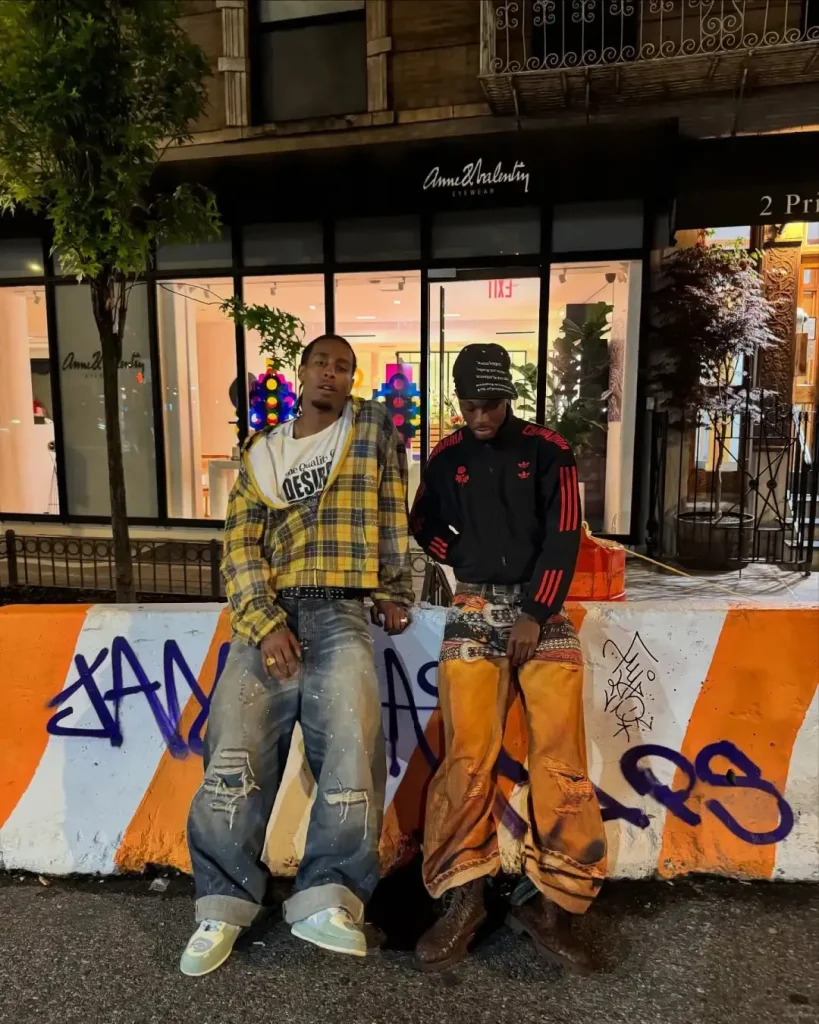
Actionable Breakdown: The Y2K Streetwear Styles Worth Your RFQ
Not all Y2K items are equal. Sourcing success depends on matching the right style with the right production partner. Focus on these high-impact categories:
| Style | Key Sourcing & Production Considerations | Target Buyer Profile |
|---|---|---|
| Metallic Tracksuits | Fabric is critical. Inquire about PVC-coated fabrics or lamination techniques for the shine. Ensure the factory can handle heat-sealing or ultrasonic welding for clean seams on technical materials. | Mid to Premium Brands, DTC brands looking for a signature statement piece. |
| Logo Crop Tops & Tanks | Prioritize factories with strong cut-and-sew capabilities for precise fit. Fabric weight (GSM) is key—too light feels cheap, too heavy loses the authentic drape. Discuss twill tape reinforcement for necklines and armholes. | Fast-Fashion Retailers, Startups, brands targeting Gen Z with frequent new drops. |
| Baggy Denim & Cargo Pants | This is about washing and hardware. Source from partners with a dedicated washing lab. Ask about enzyme washes, spray techniques, and their rivet/button sourcing options to customize details. | Heritage & Workwear-Inspired Brands, streetwear labels expanding into bottoms. |
| Embellished Basics (Hoodies/Teas) | Communication is everything. Provide clear tech packs detailing embellishment placement. Audit the factory’s embroidery thread quality and stone adhesion testing process to ensure durability. | All Buyers. The cornerstone item for testing a factory’s quality and consistency. |
Beyond the Style: The Manufacturing Questions You Must Ask
A perfect sample means nothing if it can’t be replicated at scale. When evaluating a manufacturer for Y2K pieces, move past generic questions. Drill down into their specific capability with these trends:
- “Can you show me examples of gradient dye or color-blocking you’ve done in the last 6 months?” (Assesses relevant, recent experience)
- “What is your process for ensuring rhinestone or print alignment across a large batch?” (Tests quality control protocols)
- “For a metallic jacket, what are your standard and sustainable alternative fabric options, with cost differentials?” (Evaluates sourcing flexibility and value-engineering skill)
The Strategic Outlook: Where Y2K is Headed Next
The trend’s longevity will be secured by material innovation. Forward-thinking buyers are already requesting Y2K silhouettes in recycled polyester satins or organic cotton velours. The next wave isn’t just about looking retro—it’s about fusing that aesthetic with modern performance and eco-credentials. Partnering with a manufacturer that has activewear or sustainable material expertise will be the key to capturing this evolving demand.

Why This Perspective Matters from a Manufacturing Partner
At Qianshi, we translate trends into viable products daily. The Y2K streetwear revival confirms a rule: successful sourcing hinges on a factory’s ability to deconstruct a trend into its technical components. It’s not about chasing the loudest design, but about identifying which elements—a specific wash, a particular stitch detail—can be consistently and efficiently executed within your budget and timeline.
For buyers, this means the real opportunity lies in collaborating with a producer who doesn’t just take orders, but offers sourcing advice on trims, optimizes designs for cost-effective production, and provides transparent quality checkpoints. This turns a trend-based purchase into a scalable, long-term product line.
Ready to develop your Y2K streetwear collection with precision? Discuss your specific designs and get actionable insights on MOQs, lead times, and cost optimization by contacting our production team today. Explore our dedicated product development page to see how we partner with brands from concept to delivery.
Frequently Asked Questions: Sourcing Y2K Streetwea Apparel for Your Brand
Is the Y2K streetwear trend just a fad, or is it worth investing in for the next season?
Current data suggests it’s a sustained trend with evolutionary potential. Its longevity is fueled by cross-generational appeal and continuous reinvention through material innovation (like sustainable fabrics) and digital fashion. For buyers, the smart approach is to invest in trend-transcendent core items (like a well-made cargo pant or embellished hoodie) that can anchor multiple collections, rather than only the most extreme, time-bound pieces.
What’s a realistic price point when sourcing Y2K-style garments?
Pricing hinges on fabric, embellishment, and order volume. A basic graphic tee may sit in the mid-range, while a detailed metallic tracksuit commands a premium. The key is value engineering: work with your manufacturer to identify where cost can be optimized (e.g., alternative trim sourcing) without compromising the defining aesthetic. Always request a detailed cost breakdown during sampling.
How can I find a manufacturer that truly understands Y2K streetwear aesthetics and quality?
Look beyond generic capabilities. Ask for specific portfolio examples of recent work with embellishments, gradient dyes, or technical fabrics. During factory audits or calls, present a sample or image and ask, “How would you execute this detail, and what potential production challenges do you foresee?” Their response will reveal their practical expertise. A partner like Yite Clothing, which specializes in translating streetwear trends into producible designs, can bridge this gap.
Can I start with a low Minimum Order Quantity (MOQ) for a Y2K streetwear collection?
Yes, but strategy is key. Factories are often more flexible on MOQ for items using their in-stock fabrics or standard silhouettes with custom prints/embroidery. Consider launching with a capsule collection—focus on 2-3 high-impact styles to meet minimums. Discuss modular designs with your manufacturer; for example, the same hoodie blank can be used for multiple graphic
What are the most common quality issues with Y2K streetwear items, and how can I prevent them?
Top issues include poor embellishment adhesion (stones/prints peeling), inconsistent dye lots (especially in gradients), and weak seam construction on baggy silhouettes. Prevention is proactive: insist on pre-production samples and specify quality standards in your tech pack (e.g., wash fastness grades, pull test requirements for rhinestones). Choose a manufacturer with a transparent Inline Quality Control (IQC) process.











